


Top 20 Probiotic Foods in India for a Healthy Gut & Immunity

"Your gut might be trying to tell you something — and most of the world is listening."
Did you know that more than 40% of adults worldwide suffer from functional gastrointestinal disorders like bloating, constipation, gas, or irregular bowel habits? [1] This isn't isolated to a few countries; a global epidemiological study spanning 33 nations found that nearly four out of every ten adults reported at least one chronic digestive issue that affects their quality of life and daily functioning. [2]
Beyond common symptoms, conditions like irritable bowel syndrome (IBS), which are marked by abdominal discomfort, bloating, constipation and diarrhea affect roughly 10–15% of people globally, making digestive concerns a widespread health challenge. [3]
Given how common these problems are, it's no wonder people are turning to more natural ways to soothe their gut — and that's where probiotics come in. These friendly microorganisms help balance the gut microbiome, improve digestion, support immunity, and may even influence mood and brain health. While probiotic supplements are popular, India's culinary traditions already include a treasure trove of naturally fermented foods that feed and balance your gut flora.
In this post, we dive into the top 20 probiotic foods in India that can help improve digestive health and keep your gut smiling — all without needing an expensive supplement.
Key Takeaways
1. A Healthy Gut Starts with Your Plate – Embrace India's rich tradition of probiotic-rich foods like curd, buttermilk, and idli to naturally boost your gut health and digestion.
2. Probiotics are More than Just Yogurt – From fermented rice and pickles to kombucha and kefir, discover a world of probiotic foods that improve digestion and immunity.
3. Gut Health is the Gateway to Overall Wellness – Healthy digestion doesn't just improve your tummy; it strengthens your immune system, boosts mood, and enhances nutrient absorption.
4. Pair Probiotics with Prebiotics for Ultimate Gut Support – Enhance the benefits of probiotic foods by adding prebiotics like garlic and bananas to nourish the good bacteria in your gut.
5. Supplement for Triple-Action Gut Health – For comprehensive digestive support, consider a high-quality probiotic supplement with Sunfiber, FOS, Inulin, and Sodium Butyrate to strengthen the gut lining and restore balance.
Why Probiotics Matter: The Science Behind Gut Health
Probiotics are live microorganisms that confer a health benefit when consumed in adequate amounts. They work by enhancing the balance of the gut microbiome, the community of bacteria in our intestines. These good bacteria help break down food, absorb nutrients, and prevent the growth of harmful bacteria. Research has shown that probiotic foods not only aid in digestion but can also reduce the risk of gastrointestinal diseases, improve immunity, and even support mental health by influencing the gut-brain axis.
Probiotics help improve gastrointestinal health by stabilizing the gut microbiota composition, reducing inflammation, and preventing pathogens from taking hold.
The Top 20 Probiotic Foods for Healthy Gut
1. Homemade Curd (Dahi)
Curd, or yogurt, is the most popular probiotic food in India, found in almost every Indian household. It's made by fermenting milk with live cultures, most commonly Lactobacillus species, which helps improve digestion and gut flora. Curd is rich in calcium and proteins, providing a dual benefit for bone and gut health. It's widely known for soothing an upset stomach and improving gut motility.
How to Enjoy: Eat it plain, with rice, or mix with fruits and spices for a flavorful, healthy snack.
2. Buttermilk (Chaas)
A common drink in Indian homes, buttermilk is prepared by diluting curd with water and adding spices like cumin or coriander. The fermentation process makes buttermilk a powerhouse of probiotics, helping reduce bloating and acidity, promoting digestion, and rehydrating the body, especially in hot weather. A study conducted by National University of Singapore found that buttermilk aids in improving gut flora balance and supports immune function.
How to Enjoy: Drink it after meals or as a refreshing snack.
3. Idli & Dosa Batter
In South India, idli and dosa are staple foods, and the batter used to make them is naturally fermented. The batter is made from rice and urad dal (split black gram), which when left to ferment for several hours, cultivates a healthy colony of bacteria, including Lactobacillus and Saccharomyces. This helps in easy digestion and enhances nutrient absorption.
How to Enjoy: Enjoy them as breakfast with chutneys and sambar.
4. Kanji
This tangy drink, traditionally made in North India, is prepared by fermenting black carrots or beets along with mustard seeds. It's a rich source of lactic acid bacteria, which help regulate gut bacteria and aid digestion. Kanji also has anti-inflammatory properties, and the high fiber content supports regular bowel movements.
How to Enjoy: Drink it cold, especially during the winter months.
5. Fermented Rice (Poita Bhat / Pakhala)
Fermented rice, known as Pakhala in Odisha or Poita Bhat in Bengal, is prepared by soaking leftover rice in water overnight. The fermentation process results in the growth of probiotics, making it easy to digest and an excellent remedy for acidity. It's often eaten with raw vegetables or fried fish, making it a nutritious meal.
How to Enjoy: Pair with vegetables or fried fish for a balanced meal.
6. Dhokla
A steamed snack made from fermented gram flour, dhokla is light on the stomach and rich in probiotics, providing beneficial bacteria that support gut health. It's also a good source of protein and fiber, making it a nutritious option for breakfast or snacks.
How to Enjoy: Enjoy with chutney as an evening snack or breakfast.
7. Pickles (Naturally Fermented Achar)
Indian pickles are often made by fermenting fruits or vegetables in a salty brine without vinegar, which allows beneficial bacteria to grow. Naturally fermented pickles are an excellent source of probiotics, improving gut flora balance. However, store-bought versions may not offer the same benefits due to pasteurization.
How to Enjoy: Use pickles as a side dish with your meals.
8. Kefir
Kefir is a fermented milk drink that is becoming increasingly popular in India. Made from kefir grains, which are a mixture of bacteria and yeast, kefir offers more variety in probiotics compared to yogurt. A study from Indian Journal of Medical Research concluded that regular consumption of kefir helps improve gut health, especially in individuals suffering from gastrointestinal distress.
How to Enjoy: Drink it plain, or mix with fruits for a smoothie.
9. Kombucha Tea
Though not native to India, kombucha has gained popularity for its high probiotic content. This fermented tea drink is rich in organic acids and beneficial bacteria, which support gut health and immune function. It's a good alternative to sugary sodas.
How to Enjoy: Drink it cold as a healthy alternative to fizzy drinks.
10. Lassi
Lassi is a traditional Indian drink made from fermented curd, often flavored with spices like cumin, cardamom, or rose water. It's rich in live probiotics and is great for improving digestion. Lassi is also hydrating and can help cool the body during hot weather, making it a summer favorite.
How to Enjoy: Drink it plain or sweetened with a touch of sugar.
11. Paneer (Fermented Cottage Cheese)
Paneer, or cottage cheese, is another dairy product that can be fermented to improve its probiotic content. Homemade paneer, when prepared in a traditional manner, retains some of the natural probiotic cultures that can benefit gut health. It's also high in protein, making it a great choice for vegetarians.
How to Enjoy: Add paneer to curries, wraps, or enjoy it grilled.
12. Fermented Bamboo Shoots (Khorisa)
A traditional delicacy from Northeast India, khorisa is made by fermenting bamboo shoots. It's rich in probiotics and fiber, promoting gut health and improving digestion. The fermentation also enhances the bioavailability of nutrients.
How to Enjoy: Incorporate khorisa into stews or as a topping.
13. Gundruk
Gundruk is a fermented leafy green vegetable from Nepal and parts of North India. It's fermented using mustard leaves, which are rich in beneficial bacteria. Gundruk is an excellent source of iron, fiber, and probiotics that support digestive health.
How to Enjoy: Typically used in soups or as a side dish.
14. Natto
Though not traditionally Indian, natto — fermented soybeans — is becoming more widely available and is highly regarded for its probiotic benefits. It contains a unique strain of probiotics that can improve digestion and cardiovascular health.
How to Enjoy: Eat it with rice or in salads.
15. Sauerkraut
Sauerkraut is fermented cabbage, commonly used in Western cuisines, but it's now available in some parts of India. It's packed with lactic acid bacteria and can boost gut health while providing a good source of vitamins C and K.
How to Enjoy: Add it to sandwiches, salads, or as a side.
16. Kimchi
This Korean fermented vegetable dish, primarily made of cabbage and radish, is full of lactic acid bacteria. It's becoming increasingly popular in India due to its digestive benefits and unique spicy flavor.
How to Enjoy: Eat with rice, noodles, or as a side dish.
17. Miso
A fermented soybean paste, miso is rich in beneficial probiotics and is used in soups, marinades, and dressings. It's a great option for enhancing flavor while promoting gut health.
How to Enjoy: Add it to soups, sauces, or use it in salad dressings.
18. Tempeh
Tempeh, a traditional Indonesian fermented soybean product, is gaining popularity in India. Rich in probiotics and plant-based protein, tempeh is a nutritious addition to vegetarian and vegan diets.
How to Enjoy: Grill or sauté and add to stir-fries or salads.
19. Labneh (Cultured Strained Yogurt)
Labneh is a thick, creamy yogurt cheese that's rich in probiotics. It's widely consumed in the Middle East and is now becoming more popular in India due to its gut-healthy benefits.
How to Enjoy: Serve with pita bread or use as a dip.
20. Fermented Vegetable Juices
Fermented juices made from vegetables like carrots and beets are a great source of lactic acid bacteria. These can improve digestion and boost nutrient absorption while providing a refreshing, healthful drink.
How to Enjoy: Drink chilled for a probiotic-packed refreshment.
How to Get the Most Out of Probiotic Foods?
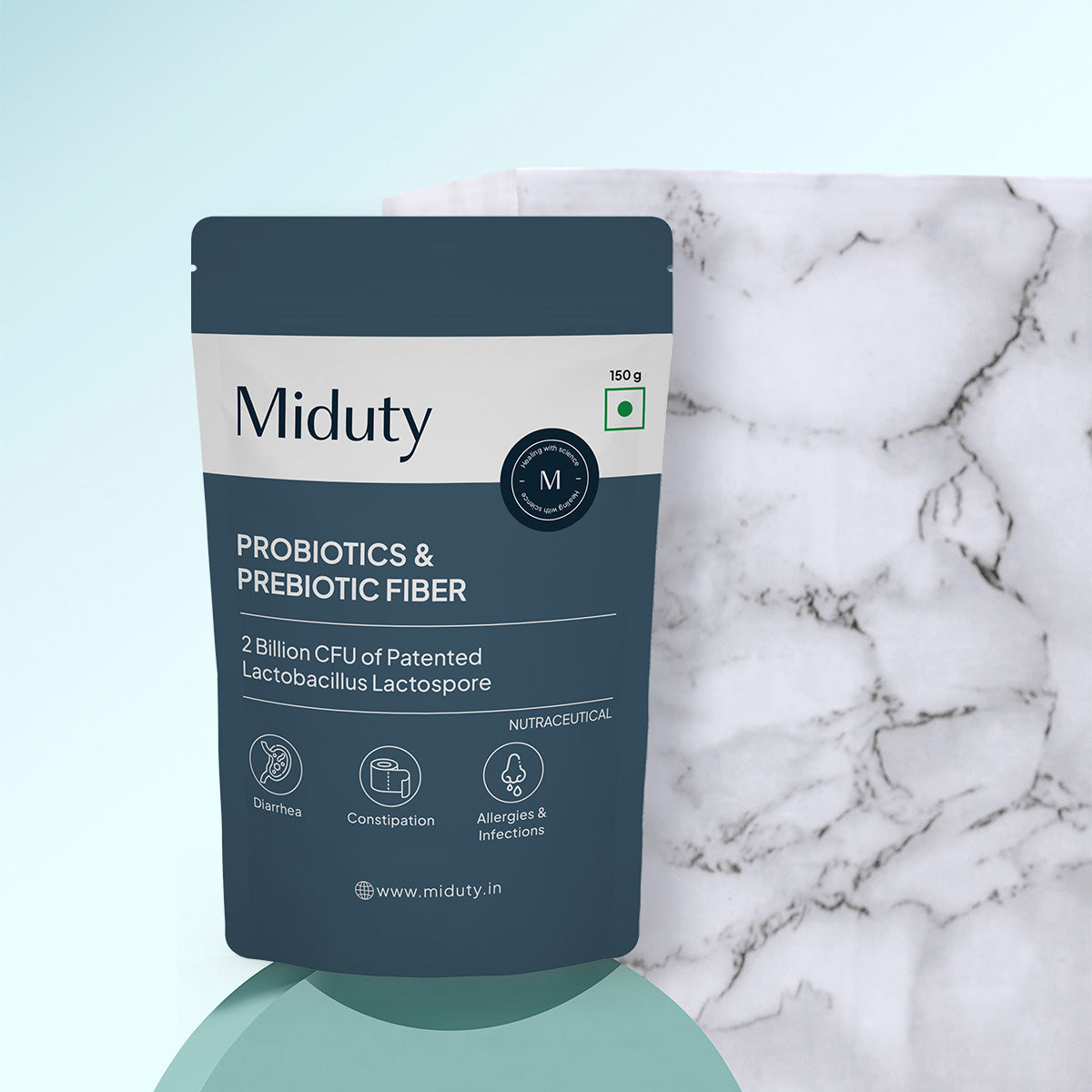
To get the most out of probiotic foods, it's important to pair them with prebiotics, which help nourish the good bacteria in your gut. Gradually introduce probiotics into your diet to avoid digestive discomfort and maintain consistency for long-term benefits. For added support, consider a high-quality probiotic supplement that contains Sunfiber, FOS, and Inulin to fuel beneficial bacteria. This supplement also provides 14 billion CFU of clinically studied probiotics and includes 500 mg Sodium Butyrate to strengthen the gut lining and improve nutrient absorption, ensuring complete, triple-action gut support for optimal digestive health.
Conclusion
Incorporating these probiotic foods into your daily meals can significantly improve your gut health, boost your immunity, and enhance your overall well-being. By embracing the diverse and flavorful options that Indian cuisine has to offer, you're not just nourishing your body, you're also connecting with a time-honored tradition of health and wellness. Whether you're a fan of traditional curd, spicy pickles, or fermented rice dishes, each bite brings you closer to a balanced and healthy gut. So, take the first step today, and let the power of probiotics transform your digestive health for the better.
FAQ's on Probiotics Foods -
Q1 - What Indian food is highest in probiotics?
Indian foods high in probiotics include fermented items like homemade curd (dahi), buttermilk (chaas), idli & dosa batter, traditional oil/salt-based pickles, and the seasonal kanji drink, all packed with Lactobacillus bacteria that support gut health.
Q2 - Which fruits are rich in probiotics?
Indian probiotic-rich foods include homemade curd, buttermilk, idli & dosa batter, pickles, and kanji, all rich in Lactobacillus to support gut health.
Q3 - Is cucumber a probiotic?
Fresh cucumbers aren't probiotic, but when pickled in brine (not vinegar), they become a great source of probiotics. The natural fermentation process produces beneficial bacteria like Lactobacillus, which support digestion and immunity.
Q4 - How to increase probiotics naturally?
To increase probiotics naturally, include fermented foods like yogurt, kefir, kimchi, sauerkraut, and kombucha in your diet, as they are rich in beneficial bacteria.
Q5 - What are the signs my body needs probiotics?
Signs your body needs probiotics include digestive issues (gas, bloating), frequent illness, skin problems, sugar cravings, fatigue, mood swings, and brain fog. These symptoms often indicate an imbalanced gut, which probiotics can help restore, especially after antibiotics or stress.
References



1 comment
Very good & authentic information. Thank you for publishing.