10 Lifestyle Changes To Control Cholesterol at Home Naturally

Let's be real cholesterol probably isn't top of mind most days. That is, until your doctor says, "Your cholesterol is high." Suddenly, you're hearing terms like LDL, HDL, triglycerides, and trying to make sense of the whole "good vs bad fat" debate.
Here's the upside: improving your cholesterol levels doesn't mean overhauling your life or eating nothing but bland food. In fact, you can start making real progress right from home, just by adopting a few smart, sustainable lifestyle changes.
Whether you're trying to lower your cholesterol naturally or simply maintain heart health, the right choices consistently made can make a lasting impact. Think of it like planting seeds: with steady care, your efforts grow into long-term results.
Ready to take charge of your health without depending entirely on medications? These simple lifestyle changes can move the needle in a big way.
Key Takeaways
1. Lifestyle Changes Matter More Than You Think: You don't need drastic diets or extreme workouts to lower cholesterol. Small, consistent changes—like improving your diet, staying active, and managing stress—can make a long-term impact on heart health.
2. Diet Is Your First Line of Defense: What you eat directly affects your cholesterol levels. Incorporating foods rich in soluble fiber, healthy fats, and omega-3s while avoiding trans fats and added sugars can naturally lower LDL and triglycerides.
3. Physical Activity Boosts Good Cholesterol: Just 30 minutes of moderate daily movement can raise HDL (good cholesterol) and lower LDL (bad cholesterol). You don't need a gym—walking, yoga, or dancing at home gets the job done.
4. Hidden Habits Can Hurt or Heal Your Heart: Poor sleep, chronic stress, and dehydration may silently sabotage your cholesterol levels. Prioritizing rest, staying hydrated, and managing anxiety are crucial lifestyle pillars for heart health.
5. Supplements Support—but Don't Replace—Healthy Habits: For some, natural supplements like plant sterols and omega-3s can support cholesterol control. But they work best when paired with smart lifestyle changes, not as a substitute for them.
What is Cholesterol and Why Does it Matter?
Cholesterol often gets a bad rap, but did you know your body actually needs cholesterol to survive? It's a waxy, fat-like substance found in every cell, playing a crucial role in building hormones, producing vitamin D, and helping digest fats through bile acids.
However, not all cholesterol is created equal. When your cholesterol levels get out of balance, especially when combined with other risk factors, it can silently increase your chances of heart disease, stroke, and other health issues.
Let's break down the main components of cholesterol:
-
LDL (Low-Density Lipoprotein) - "Bad" Cholesterol
LDL is considered the bad guy because it carries cholesterol particles through your bloodstream and deposits them in the walls of your arteries. Over time, this build-up can cause plaque that narrows the arteries-a condition called atherosclerosis. This increases the risk of heart attacks and strokes. Think of LDL as the junk that clogs your sink.
-
HDL (High-Density Lipoprotein) - "Good" Cholesterol
HDL acts like a cleanup crew. It helps remove excess cholesterol from your bloodstream and carries it back to the liver for breakdown and disposal. Higher levels of HDL can help protect against heart disease. HDL is like the plumber that clears out the junk.
-
Triglycerides - The Hidden Fat
Triglycerides are another type of fat found in your blood. They store unused calories and provide energy, but high triglyceride levels-especially when combined with high LDL or low HDL-can raise your risk for cardiovascular issues. Triglycerides often spike due to overeating, consuming too much sugar or alcohol, and lack of exercise.
-
Total Cholesterol
This is the overall measure of cholesterol in your blood, calculated by combining your LDL, HDL, and 20% of your triglyceride level. While it gives a general picture, it's the breakdown of each component that truly determines your risk level.
When your LDL and triglycerides are too high, and your HDL is too low, you have a dangerous cocktail for heart health. These imbalances can silently damage your arteries over time without symptoms-until it's too late. According to the American Heart Association, high levels of LDL and low levels of HDL are directly linked to an increased risk of atherosclerosis and cardiovascular disease. [1]
The good news? You don't need extreme diets or intense workouts to turn things around. With simple, sustainable lifestyle changes, you can lower LDL and triglycerides, increase HDL, improve your total cholesterol ratio, and reduce your risk of heart disease.
10 Lifestyle Changes To Control Cholesterol
1. Eat Cholesterol Control Diet
You've heard the phrase, "You are what you eat," and when it comes to cholesterol control, it couldn't be more accurate. Your daily food choices can either help clear cholesterol from your bloodstream or cause it to pile up like traffic in your arteries.
The foundation of a heart-healthy diet is simple: eat more of what helps reduce LDL (bad cholesterol) and increase HDL (good cholesterol)-and cut back on foods that do the opposite.
So, what's the real culprit? It's not just fat-it's the type of fat and how it's consumed.
- Saturated fats (found in red meat, butter, full-fat dairy) and trans fats (found in processed, fried, and packaged foods) raise LDL levels dramatically.
- On the other hand, unsaturated fats (from nuts, seeds, avocados, olive oil, and fatty fish) can lower LDL and raise HDL when used properly.
- Soluble fiber is another superhero. It traps cholesterol in your gut and helps flush it out, preventing it from entering your bloodstream. Studies show that consuming 5-10 grams of soluble fiber daily can lower LDL cholesterol by about 5%. [2]
Even small food swaps can make a big impact. Think oats instead of white bread, or olive oil instead of margarine. Add in some chia seeds or a handful of walnuts, and you're already well on your way to better cholesterol levels without medication.
Here's a quick breakdown of cholesterol-friendly foods and the ones to skip or limit.
|
Food To Eat |
Foods To Avoid / Limit |
|
Oats, barley, beans, lentils (soluble fiber) |
White bread, pastries, sugary cereals |
|
Fatty fish (salmon, sardines, tuna) |
Fried foods, fast food, processed meats |
|
Nuts (almonds, walnuts), seeds (chia, flax) |
Chips, crackers, packaged snacks |
|
Avocados, olive oil, plant-based oils |
Butter, margarine, lard |
|
Fruits (apples, oranges, berries) |
Full-fat dairy (cheese, cream, whole milk) |
|
Vegetables (carrots, Brussels sprouts, spinach) |
Red and processed meats (bacon, sausage) |
|
Green tea, herbal teas (hibiscus, ginger) |
Sugary drinks, soda, excessive alcohol |
Simple Ways to Add Cholesterol-Lowering Foods to Your Daily Diet
Incorporating cholesterol-lowering foods into your routine doesn't have to be complicated. With a few smart swaps and additions, you can build a heart-healthy diet that fits into your busy schedule.
- Start your day strong with oatmeal topped with chia seeds and berries or flaxseed in your smoothie. Skip sugary cereals—opt for steel-cut oats or bran flakes instead.
- At lunch, toss lentils or beans into your salad, drizzle olive oil or mashed avocado as dressing, or enjoy a quinoa bowl with grilled salmon or tuna.
- Snack smarter with a handful of walnuts, apple slices with peanut butter, or a warm cup of green or hibiscus tea instead of sugary drinks.
- For dinner, choose grilled or baked fatty fish like salmon twice a week. Replace red meat with lean poultry or tofu and cook veggies like spinach or Brussels sprouts in olive oil.
- Satisfy your sweet tooth with a bowl of berries, oranges, or a dash of cinnamon instead of sugar.
- Boost any meal by sprinkling chia or flaxseeds on yogurt, soup, or salads. Keep frozen fruits and vegetables on hand for quick, nutrient-rich add-ins.
Quick Tips to Stay on Track:
- Prep meals weekly to avoid last-minute unhealthy choices.
- Keep healthy snacks visible, and batch-cook staples like lentils or quinoa.
- Use heart-friendly herbs and spices (garlic, turmeric, cumin) to add flavor without unhealthy fats.
2. Drink Green Tea or Herbal Infusions
Green tea is loaded with catechins, antioxidants known to lower LDL cholesterol and improve heart function.
Best teas for cholesterol control:
- Green tea (2–3 cups/day)
- Hibiscus tea – lowers LDL and blood pressure
- Ginger tea – reduces inflammation
- Dandelion and fenugreek tea – support liver detox and fat metabolism
Skip the sugar and enjoy these teas daily for a natural boost to your cholesterol-lowering routine.
3. Exercise Regularly at Home
You don't need a gym membership or a fancy treadmill to get your cholesterol levels in check. In fact, some of the best workouts can happen right in your living room, backyard, or even during a brisk walk around your neighborhood. Regular physical activity—especially cardio—can boost your HDL (good) cholesterol and help lower LDL (bad) cholesterol and triglycerides.
Here's why it works: exercise helps your body move fats through your bloodstream more efficiently. It also improves circulation, reduces blood pressure, helps you manage weight, and lowers your overall risk of heart disease.
Some at-home exercise ideas that are beginner-friendly:
- Brisk walking or light jogging in place or around your home
- Bodyweight workouts like squats, pushups, lunges, or planks
- Jump rope – an excellent cardio activity in a small space
- Yoga – great for flexibility, stress management, and fat-burning
- Dancing – put on your favorite playlist and move!
Aim for at least 30 minutes of moderate activity five days a week. If you're short on time, break it up into 10-minute chunks—every bit counts.
And here's something you might not expect: even household chores like vacuuming, gardening, or scrubbing floors can get your heart rate up. If you're breaking a light sweat, you're on the right track.
Bottom line: movement is medicine. And the best part? It's completely free, and you can do it in your pajamas.
4. Maintain a Healthy Weight
We all know that being overweight can increase the risk of heart disease, but when it comes to cholesterol, belly fat in particular is a big red flag. That visceral fat around your midsection isn't just hanging out doing nothing—it's actively contributing to inflammation and messing with your body's cholesterol regulation.
Losing just 5% to 10% of your body weight can significantly lower LDL, total cholesterol, and triglyceride levels. Even a few pounds can make a big difference.
Here's how to support weight loss at home:
- Track your meals using a simple journal or app to avoid mindless eating
- Drink water before meals to control portion sizes
- Eat more fiber and protein to stay full longer
- Cut back on refined carbs and sugar that add empty calories
- Stay consistent with movement—even walking daily helps
It's not about crash diets or depriving yourself. It's about creating a calorie deficit with healthy, nourishing foods and daily activity.
5. Quit Smoking and Limit Alcohol
Here's the tough love part: smoking and excessive alcohol consumption wreak havoc on your cholesterol levels. If you're serious about heart health, these are two habits that have to go—or at least be seriously dialed down.
Let's start with smoking. Cigarette smoke lowers HDL (your good cholesterol) and damages the walls of your arteries, making it easier for plaque to build up. The good news? Within just 20 minutes of quitting, your body starts healing. Over time, your HDL improves, blood pressure drops, and your heart thanks you in a big way.
Now let's talk booze. A glass of red wine occasionally? That might offer some heart benefits. But go beyond moderate drinking, and the risks outweigh the perks. Too much alcohol can raise triglycerides and increase fat in the liver, which throws cholesterol balance out of whack.
Quitting smoking and cutting back on alcohol is hard—we get it. But it's absolutely doable with support and intention. Try nicotine patches, join online communities, or talk to your doctor about a plan that works for you. Every day without a cigarette or drink is a step toward a healthier cholesterol profile.
6. Reduce Sugar and Refined Carbs
When most people think about cholesterol, they zero in on fat. But sugar? It's the sneaky culprit that often flies under the radar. Excess sugar and refined carbs don't just spike your blood sugar—they also raise triglycerides and contribute to higher LDL levels. [3]
Here's how it works: your liver converts extra sugar into fat, which increases triglycerides in your blood. This directly impacts your cholesterol balance and raises your risk for metabolic syndrome and heart disease.
Biggest offenders to watch out for:
- Sugary drinks like soda, energy drinks, and sweetened coffee
- White bread, pasta, and rice
- Pastries, donuts, and baked goods
- Candy and sugary cereals
Swap them out for:
- Green vegetables like spinach, kale, and broccoli, which are high in fiber and antioxidants
- Fresh fruits instead of processed sweets
- Natural sweeteners like stevia or monk fruit if needed
You don't have to cut carbs entirely—just choose the right ones. Focus on foods with a low glycemic index and combine them with protein or healthy fats to slow the sugar absorption.
By controlling sugar, you'll not only improve cholesterol but also feel more energized, reduce inflammation, and keep your weight in check. It's a win-win-win.
7. Stay Hydrated
You've heard it a million times: drink more water. But did you know that staying properly hydrated plays a subtle yet significant role in cholesterol management? While water doesn't directly flush cholesterol from your body, it aids critical processes like digestion, metabolism, and fat transportation, all of which contribute to maintaining healthy cholesterol levels.
Think of your bloodstream like a highway. When you're dehydrated, that highway becomes sluggish, making it harder for your body to move nutrients (like healthy fats) and remove waste efficiently. Proper hydration keeps things flowing, literally—supporting the liver and kidneys in processing fats and regulating blood lipids.
Daily hydration tips:
- Aim for 8–10 glasses (2–2.5 liters) of water per day
- Add lemon, cucumber, or mint for flavor and extra benefits
- Start your day with a glass of water before coffee or breakfast
- Carry a reusable water bottle as a reminder to sip throughout the day
- Drink more during workouts or hot weather
Avoid sugary drinks or sodas masquerading as hydration—they do more harm than good for cholesterol and blood sugar.
Here's a bonus: drinking enough water also helps with satiety, which means you're less likely to overeat. That's crucial when you're trying to maintain or lose weight to manage your cholesterol.
8. Sleep Well Every Night
If you're skimping on sleep, your cholesterol levels could be paying the price. Poor sleep isn't just an energy killer—it's a heart health hazard. Studies show that getting fewer than 6–7 hours of quality sleep per night is linked to higher LDL cholesterol and lower HDL cholesterol.
Here's why: when you're sleep-deprived, your body releases more cortisol (the stress hormone) and less leptin (the hormone that controls appetite). This combination increases inflammation, raises blood sugar, and disrupts fat metabolism, all of which lead to unfavorable cholesterol profiles.
Common culprits of poor sleep:
- Excessive screen time before bed
- Caffeine or heavy meals late in the evening
- Stress and anxiety
- Poor sleep environment (too hot, too bright, too noisy)
Sleep hygiene habits that help:
- Go to bed and wake up at the same time every day
- Create a cool, dark, quiet sleep space
- Turn off screens an hour before bed
- Avoid caffeine after 2 PM
- Try calming bedtime rituals like reading, meditation, or a warm bath
Think of sleep like your body's nightly tune-up. It restores your systems, balances hormones, and resets your metabolism. And when sleep is dialed in, every other cholesterol-lowering habit—from diet to exercise, works even better.
9. Manage Stress Naturally
Stress doesn't just affect your mood—it affects your cholesterol, your blood pressure, your hormones, your weight... basically everything. Chronic stress triggers the release of cortisol and adrenaline, which can lead to higher levels of LDL cholesterol and triglycerides over time.
The worst part? Stress often pushes us into unhealthy coping habits—comfort eating, skipping workouts, smoking, or binge drinking—all of which wreak havoc on heart health. But here's the good news: managing stress doesn't have to mean meditating for hours on a mountain top. It just means creating space daily to pause, breathe, and reset.
Simple ways to manage stress at home:
- Deep breathing exercises – inhale 4 seconds, hold 4, exhale 4, repeat
- Journaling – unload your thoughts to clear your mind
- Stretching or yoga – releases physical and mental tension
- Listening to calming music or nature sounds
- Laughing – seriously, watch a funny show or call a friend
Even a few minutes a day can make a difference. Try habit stacking—do breathing exercises right after brushing your teeth or stretch while your coffee brews. The goal is consistency, not perfection.
Your body isn't meant to live in fight-or-flight mode all day. Reducing stress gives it a chance to rebalance—and that shows up in your cholesterol numbers too.
10. Track Your Cholesterol at Home
You can't manage what you don't measure. Keeping tabs on your cholesterol isn't just your doctor's job anymore—there are now reliable home cholesterol testing kits that let you monitor your levels between checkups.
While they're not a substitute for lab tests, home kits can be a helpful tool to:
- Track trends over time
- Measure response to lifestyle changes
- Stay motivated
Types of tests:
- Finger-prick blood tests that show total cholesterol, HDL, LDL, and triglycerides
- Digital devices with reusable strips for regular testing
Tips for home testing:
- Follow the instructions carefully
- Test at the same time of day for consistency
- Don't panic over one reading—look at patterns over weeks/months
- Share results with your doctor for a professional interpretation
In between tests, use a habit tracker or app to log your exercise, meals, and sleep. This helps connect the dots between your actions and your health results.
When Lifestyle Changes Aren't Enough
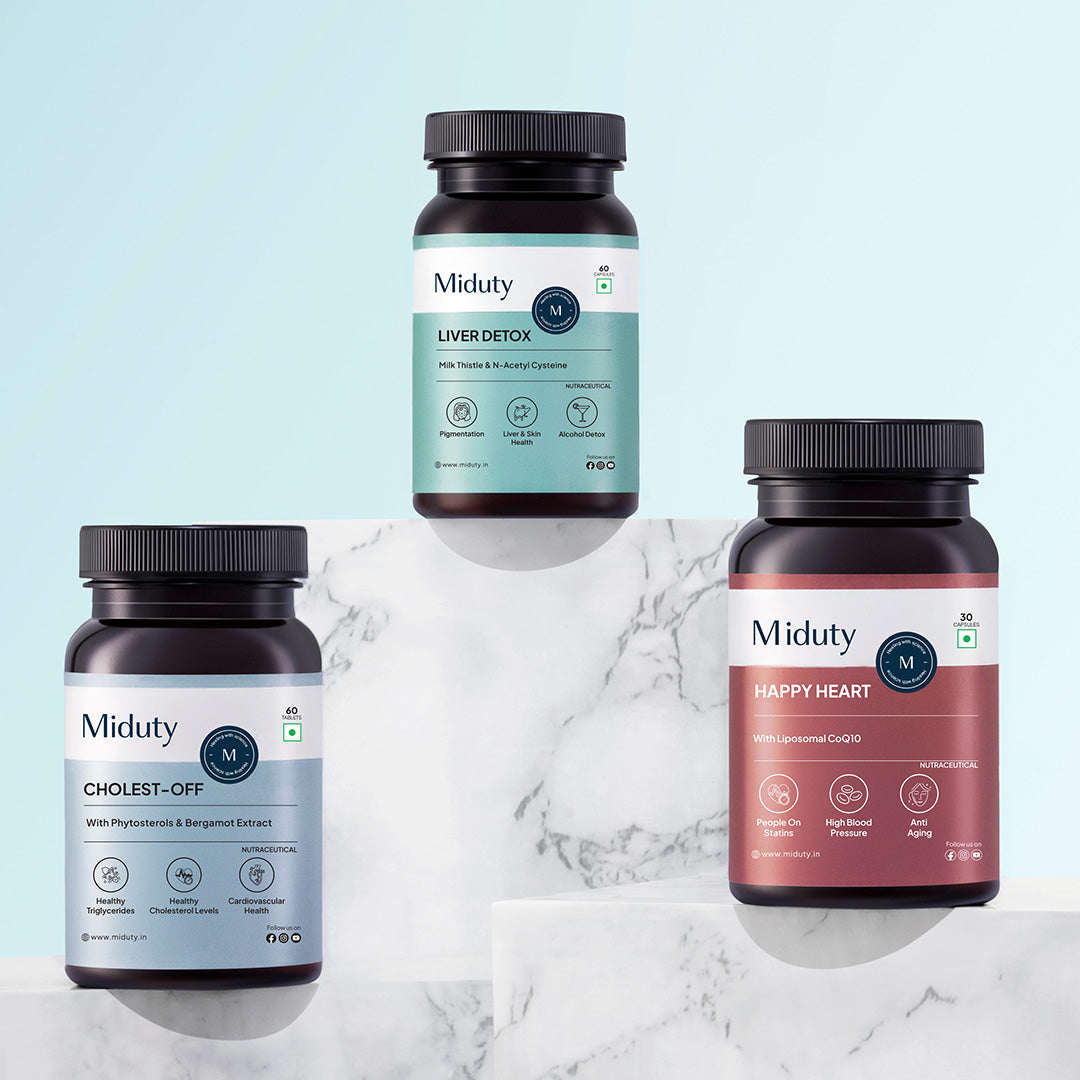
For some people—especially those dealing with genetics, hormonal changes, or long‑standing cholesterol imbalances—diet and lifestyle improvements alone may need additional support. This is where cholesterol control supplements can play a complementary role.
How Cholesterol Control Capsules Can Help:
High‑quality cholesterol control capsules are designed to support healthy cholesterol levels by working alongside your lifestyle changes. When used appropriately, they may help by:
- Reducing cholesterol absorption in the digestive system
- Supporting liver function and healthy cholesterol metabolism
- Lowering inflammation and oxidative stress linked to heart health
- Improving lipid balance, including LDL, HDL, and triglyceride ratios
These supplements often include plant sterols and stanols, soluble fibers (such as psyllium), omega‑3 fatty acids, and antioxidants, all of which have been studied for their role in cholesterol management.
A Smart Reminder: Supplements are not quick fixes or replacements for lifestyle changes. They work best when combined with a balanced diet, regular physical activity, quality sleep, and stress management. Used wisely, cholesterol control capsules can enhance consistency and stability, helping you achieve better long‑term results.
Conclusion
Controlling your cholesterol doesn't require extreme diets or drastic measures. It's about making intentional lifestyle changes that work with your body—not against it. From eating smarter and moving more to sleeping better and managing stress, each step contributes to a healthier heart and a more balanced life.
You don't have to do everything at once. Start small. Choose one or two changes, make them part of your routine, and build from there. Track your progress, stay consistent, and remember—this isn't about quick fixes, it's about creating habits that stick.
Your heart is depending on you—and with the right lifestyle shifts, you've absolutely got this.
FAQs on How To Control Cholesterol at Home -
Q1 - How to reduce cholesterol naturally at home?
To naturally lower cholesterol at home, eat foods high in soluble fiber (oats, beans, apples), healthy fats (fish, olive oil, nuts), and plant sterols. Limit saturated fats from red meat and processed foods. Exercise regularly, quit smoking, manage weight, and drink green tea and coriander water. Always consult a doctor.
Q2 - What are the lifestyle changes for cholesterol?
To lower cholesterol, follow a heart-healthy diet with fiber (fruits, veggies, whole grains) and healthy fats (olive oil, nuts, fish), while cutting back on saturated fats (processed foods, red meat, fried items) and sugar. Aim for 30+ minutes of moderate exercise most days, quit smoking to raise HDL, manage stress, limit alcohol, and maintain a healthy weight to improve HDL and reduce LDL and triglycerides.
Q3 - What foods should I avoid if I've got high cholesterol?
Red meat (beef, pork, lamb), processed meats (sausage), full-fat dairy (cream, whole milk, butter), baked goods, sweets, fried foods, and tropical oils (palm and coconut oil) should be limited.
Q4 - What reduces cholesterol quickly?
To quickly reduce cholesterol, combine regular exercise, quitting smoking, and weight loss with a diet high in soluble fiber (oats, beans, fruits), omega-3s (fatty fish), and healthy fats (olive oil, nuts), while cutting saturated and trans fats. Statins may be prescribed for faster results, but lifestyle changes are essential for lasting improvement.
Q5 - Can drinking water lower cholesterol?
Drinking water supports heart health by aiding hydration, flushing out waste, and often replacing sugary drinks. While some studies suggest mineral or probiotic-infused waters may have direct benefits, plain water is excellent for maintaining healthy blood flow and metabolism, both essential for managing cholesterol.
Q6 - Can I lower cholesterol without medication?
Yes! Many people can manage their cholesterol through diet, exercise, weight management, and other lifestyle changes. However, always consult with your doctor to determine what's right for your individual situation.
Q7 - How long does it take to lower cholesterol with lifestyle changes?
You can start seeing improvements in as little as 4–6 weeks, but significant changes often take 3–6 months of consistent effort. Patience and persistence are key.
References
| Sr. No. | Reference Links |
| 1. | What Is Cholesterol? |
| 2. | Fiber |
| 3. | Added Sugar Intake and Cardiovascular Diseases Mortality Among US Adults |