How To Increase Estrogen: Natural Ways, Foods and Lifestyle Changes

Estrogen imbalance is no longer limited to menopause. Studies suggest that nearly 1 in 3 women under 40 experience hormonal irregularities today, often driven by chronic stress, poor sleep, restrictive dieting, gut dysfunction, and environmental toxin exposure. Research also shows that women postpartum and those with PCOS have a significantly higher risk of estrogen imbalance. Women in their 30s and those entering perimenopause are increasingly affected. However, the solution is not to blindly increase estrogen. Clinical evidence indicates that excess or poorly metabolised estrogen can worsen symptoms. True hormonal health comes from balancing estrogen, by supporting the gut, liver, nervous system, and overall lifestyle, not just raising hormone levels.
Key Takeaways
1. Low Estrogen Isn't Just an Age Problem: Low estrogen is more commonly triggered by chronic stress and inadequate nutrition rather than aging alone.
2. It's About Estrogen Processing, Not Just Levels: Many symptoms appear when estrogen is poorly metabolized, even if blood levels are not severely low.
3. Under-Eating Suppresses Hormone Production: Low calorie intake, insufficient dietary fat, or inadequate protein directly signals the body to downregulate estrogen.
4. Stress Hormones Override Sex Hormones: Persistently elevated cortisol interferes with estrogen signaling more aggressively than most dietary errors.
5. Hormonal Balance Requires Time and Consistency: True estrogen recovery happens through steady habits practiced over months, not short-term or quick-fix solutions.
What Is Estrogen and Why Is It Important?
Estrogen is a hormone that affects far more than just periods or fertility, it plays a role in how the entire body functions. Clinical research shows that estrogen receptors are present in the brain, bones, joints, skin, heart, and metabolic tissues, which explains why its impact is so widespread.
Studies published in The Journal of Clinical Endocrinology & Metabolism confirm that estrogen is essential for maintaining bone density, and low estrogen levels are strongly linked to accelerated bone loss and a higher risk of osteoporosis. Research from the National Institutes of Health (NIH) also shows that estrogen supports collagen production, which helps maintain skin elasticity, joint flexibility, and hair thickness. In the brain, estrogen influences neurotransmitters like serotonin and dopamine; clinical reviews have found that low estrogen is associated with mood changes, poor sleep, anxiety, and brain fog.
Estrogen also affects insulin sensitivity and fat distribution, which is why hormonal imbalance can lead to fatigue and weight changes. These findings highlight that estrogen is a full-body hormone, making balance far more important than simply increasing levels.
Natural Ways to Increase Estrogen Levels
The body is capable of producing estrogen naturally, but it needs the right conditions. Research shows that estrogen production depends heavily on energy availability, stress levels, sleep quality, and overall metabolic health. When the body is under chronic stress or under-fuelled, hormone production slows down as a protective response.
To support estrogen naturally, focus on these key areas:
- Support the body's own hormone production: Adequate calories, protein, healthy fats, and micronutrients are essential. Studies show that under-eating and restrictive diets are strongly linked to lower estrogen levels, especially in women of reproductive age.
- Regulate the nervous system:Chronic stress raises cortisol, which directly suppresses estrogen. Clinical studies published in Psychoneuroendocrinology confirm that prolonged stress and poor sleep disrupt estrogen and progesterone balance.
- Fix the root cause, not just symptoms:Addressing gut health, liver function, sleep, and stress works far better than quick fixes. Research consistently shows that hormone levels improve when the body feels safe, nourished, and supported over time.
This approach leads to sustainable hormonal balance, not temporary relief.
Foods That Help Increase Estrogen Naturally
Food plays a much bigger role in estrogen balance than most people realise. Research shows that certain foods don't just "add hormones," but help the body support estrogen activity and production naturally, especially when levels are low or fluctuating.
1. Phytoestrogen-Rich Foods
Phytoestrogens are plant compounds that gently act like estrogen in the body. Clinical studies published in The Journal of Nutrition and Endocrine Reviews show that these compounds can support estrogen function, particularly when natural estrogen levels are low.
- Flaxseeds: Flaxseeds are one of the richest sources of lignans. Studies show that regular flaxseed intake can improve estrogen metabolism and support hormonal balance. Some research has also linked flaxseeds with better cycle regularity.
- Sesame Seeds: Sesame seeds contain lignans that interact with estrogen pathways. Clinical research published in Nutrition Research suggests they may support estrogen activity while also improving antioxidant levels.
- Legumes and Lentils: Lentils and legumes contain isoflavones. Multiple studies show these compounds can help support estrogen balance, especially in women with hormonal irregularities.
2. Healthy Fats for Hormone Production
This part is often overlooked. Estrogen is a steroid hormone, which means the body needs dietary fat to produce it. Research shows that very low-fat diets are linked to lower estrogen levels.
Desi Ghee and Coconut Oil: Traditional fats provide the building blocks needed for hormone synthesis. Studies suggest women consuming adequate fats tend to have healthier reproductive hormone levels. Nuts and Seeds: Along with healthy fats, they provide zinc and selenium, which are essential for hormone production and ovarian health.
3. Protein & Micronutrients
Protein is not just for muscles, hormones depend on it too. Clinical data shows that low protein intake can disrupt estrogen and progesterone production.
- Zinc and selenium help support ovarian hormone synthesis
- B-vitamins are crucial for estrogen metabolism and nervous system balance
Studies consistently find these nutrient deficiencies in women struggling with hormonal imbalance.
Lifestyle Changes That Support Estrogen Balance
Hormones don't work in isolation, they respond to how you live every day. Even with a good diet, estrogen can stay low or imbalanced if stress, sleep, or lifestyle factors are off. Research consistently shows that daily habits can either support or suppress estrogen production.
1. Managing stress and cortisol
Chronic stress is one of the biggest estrogen disruptors. Studies published in Psychoneuroendocrinology show that prolonged high cortisol levels directly suppress estrogen and progesterone production. In fact, women with chronic stress patterns are significantly more likely to experience irregular cycles and low estrogen symptoms.
2. Improving sleep quality
Estrogen follows a circadian rhythm. Research indicates that women sleeping less than 6 hours per night have disrupted hormone signalling and higher cortisol levels. Consistent 7-9 hours of sleep has been shown to support healthier estrogen regulation and mood balance.
3. Reducing endocrine disruptors
Chemicals found in plastics, fragrances, and household products act as endocrine disruptors. Studies link regular exposure to BPA and phthalates with altered estrogen receptor function and hormonal imbalance, even at low exposure levels.
4. Gentle movement vs excessive workouts
Exercise supports hormones, but only up to a point. Research shows that excessive high-intensity training combined with low calorie intake can reduce estrogen levels, while moderate, consistent movement supports hormonal balance and cycle regularity.
Small, consistent lifestyle shifts often create the biggest hormonal improvements over time.
Can Supplements Help Increase Estrogen?
Yes, they can help, but only when they're used correctly. Supplements work best when they support the body's natural hormone pathways, not when they try to replace what food and lifestyle should be doing. In fact, clinical research is very clear on this: supplements can assist estrogen balance, but they cannot replace diet, sleep, stress management, or gut health. That said, certain ingredients have strong scientific backing when it comes to supporting estrogen levels and metabolism. That's where ingredients like these come in.
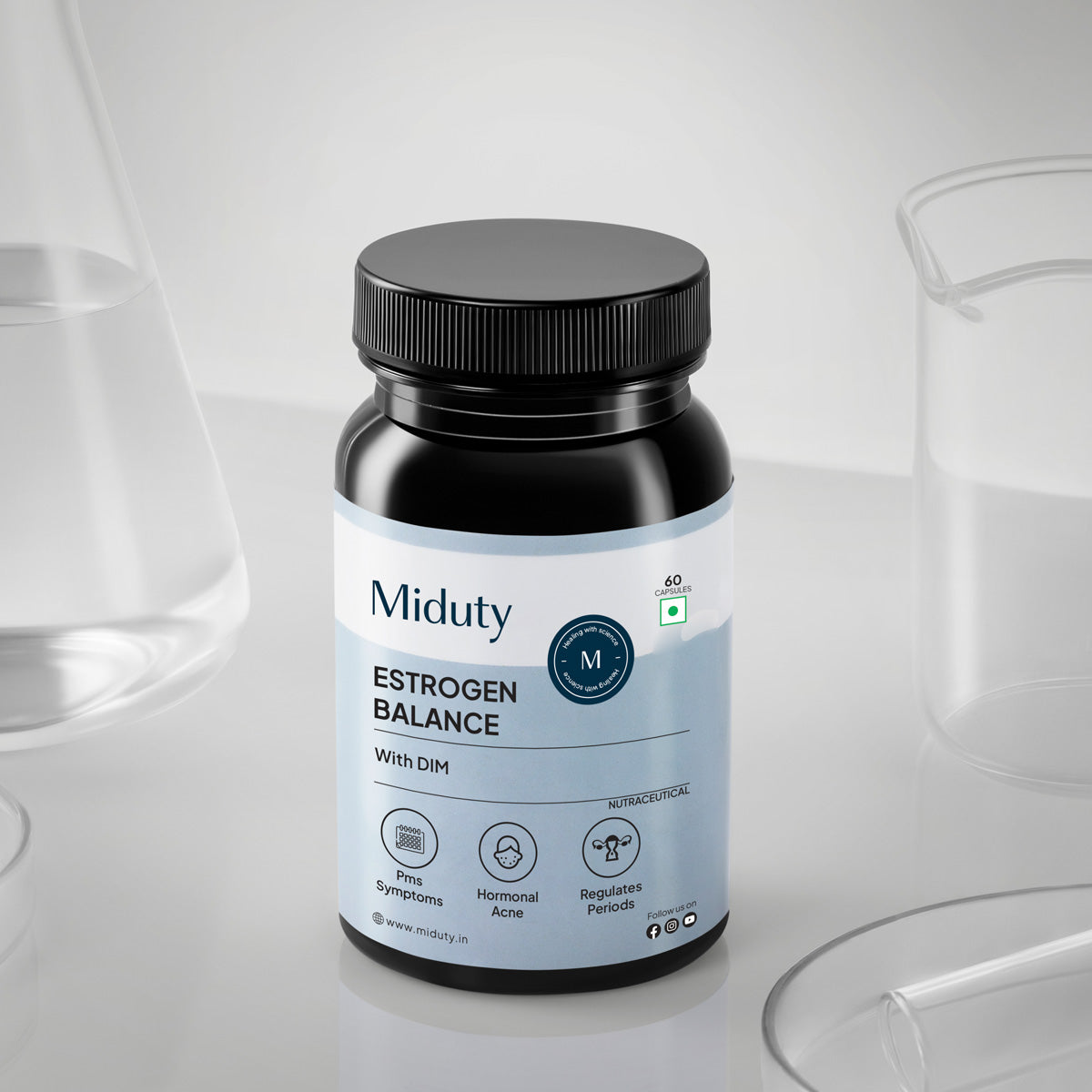
DIM (Diindolylmethane) is a compound naturally formed when we digest cruciferous vegetables like broccoli and cabbage. Clinical studies show that DIM supports healthy estrogen metabolism, meaning it helps the body convert estrogen into more beneficial forms instead of aggressive ones. This is especially useful when estrogen is present but not being processed properly, which is common in hormonal imbalance.
Calcium D-Glucarate works a little differently. Research shows it supports the liver's detox pathways, helping the body clear excess or used estrogen instead of reabsorbing it back into circulation. Studies have linked poor estrogen clearance with symptoms like bloating, PMS, and hormonal acne, which is why liver support matters here.
Then there's Chasteberry (Vitex), one of the most researched herbs for women's hormones. Clinical trials published in journals like Phytomedicine show that Vitex helps regulate communication between the brain and ovaries. It doesn't push hormones up or down forcefully; instead, it supports natural cycle and hormone signalling, which can indirectly improve estrogen-progesterone balance.
When these ingredients are combined thoughtfully, the goal isn't a quick hormonal spike, it's better balance, better regulation, and better long-term support, alongside diet and lifestyle.
How Long Does It Take to Increase Estrogen Naturally?
This is one of the most common questions, and the honest answer is: it varies, but there are clear patterns. Research on hormone recovery and endocrine health shows that hormones need time, consistency, and metabolic support to stabilise, rather than quick fixes.
Realistic timelines (weeks vs months)
Clinical observations and studies on hormonal recovery suggest that noticeable improvements in symptoms, such as better sleep, reduced mood swings, or more regular cycles, can begin in about 4-6 weeks when lifestyle and nutrition are optimised. However, meaningful and stable estrogen balance typically takes 8-12+ weeks (2-3 months) or longer. Hormones function on a slow feedback loop that depends on multiple body systems working in harmony. This timeline is supported by research on hormone adaptation and recovery published in journals like Endocrinology and The Journal of Clinical Endocrinology & Metabolism.
Factors that affect recovery speed
Many things influence how quickly estrogen levels can improve:
- Stress Levels: High cortisol from chronic stress is documented to suppress sex hormone production. Research in Psychoneuroendocrinology shows chronic stress can reduce estrogen signalling over time.
- Sleep Quality: A 2017 study in Sleep Medicine Reviews linked sleep restriction (<6 hours per night) to disrupted reproductive hormone rhythms.
- Diet and Body Fuel: Energy deficiency and very low-fat diets are associated with lower estrogen; clinical studies confirm that adequate calories and macronutrients support estrogen synthesis.
- Gut and Liver Health: Estrogen metabolism happens heavily in the liver and gut. Studies demonstrate that poor gut microbiome diversity and impaired liver detox pathways can affect estrogen recycling and clearance.
Why consistency matters more than intensity?
When it comes to hormones, the body responds to steady signals of safety and balance, not short spikes of effort. Research across endocrinology consistently shows that habitual improvements, regular sleep patterns, consistent stress management, stable nutrition, and moderate exercise, have more impact on hormone levels than intense, short-term interventions.
Conclusion
Estrogen health isn't about pushing hormone levels higher, it's about creating balance. When the body feels safe, nourished, and supported, hormones naturally begin to stabilise. Small, consistent habits like eating enough, managing stress, sleeping well, and supporting gut and liver health make a bigger difference than quick fixes ever can. Instead of restriction or extreme solutions, focus on daily nourishment and sustainability. Hormonal balance is a long-term process, but with the right approach, it's absolutely achievable and far more empowering.
FAQ's on How to Increase Estrogen -
Q1. What are signs of low estrogen?
Low estrogen can show up as irregular or missed periods, fatigue, mood swings, poor sleep, and vaginal dryness. Some women also notice joint pain, low libido, or thinning hair and skin.
Q2. What drink is good for estrogen?
There's no magic drink, but beverages that support hormones include flaxseed water, soy milk, and spearmint tea. These contain phytoestrogens or compounds that gently support estrogen activity.
Q3. Does B12 increase estrogen?
Vitamin B12 does not directly increase estrogen levels. However, it supports energy, nerve health, and hormone metabolism, which can indirectly help the body maintain better hormonal balance.
Q4. Can I increase estrogen naturally?
Yes. Estrogen can be supported naturally through adequate calories, healthy fats, quality protein, stress management, good sleep, and gut and liver health. Consistency matters more than quick fixes.
Q5. Which food boosts estrogen?
Foods rich in phytoestrogens help support estrogen activity, such as flaxseeds, sesame seeds, soy foods, lentils, and chickpeas. Healthy fats and enough protein also play a key role.
References-