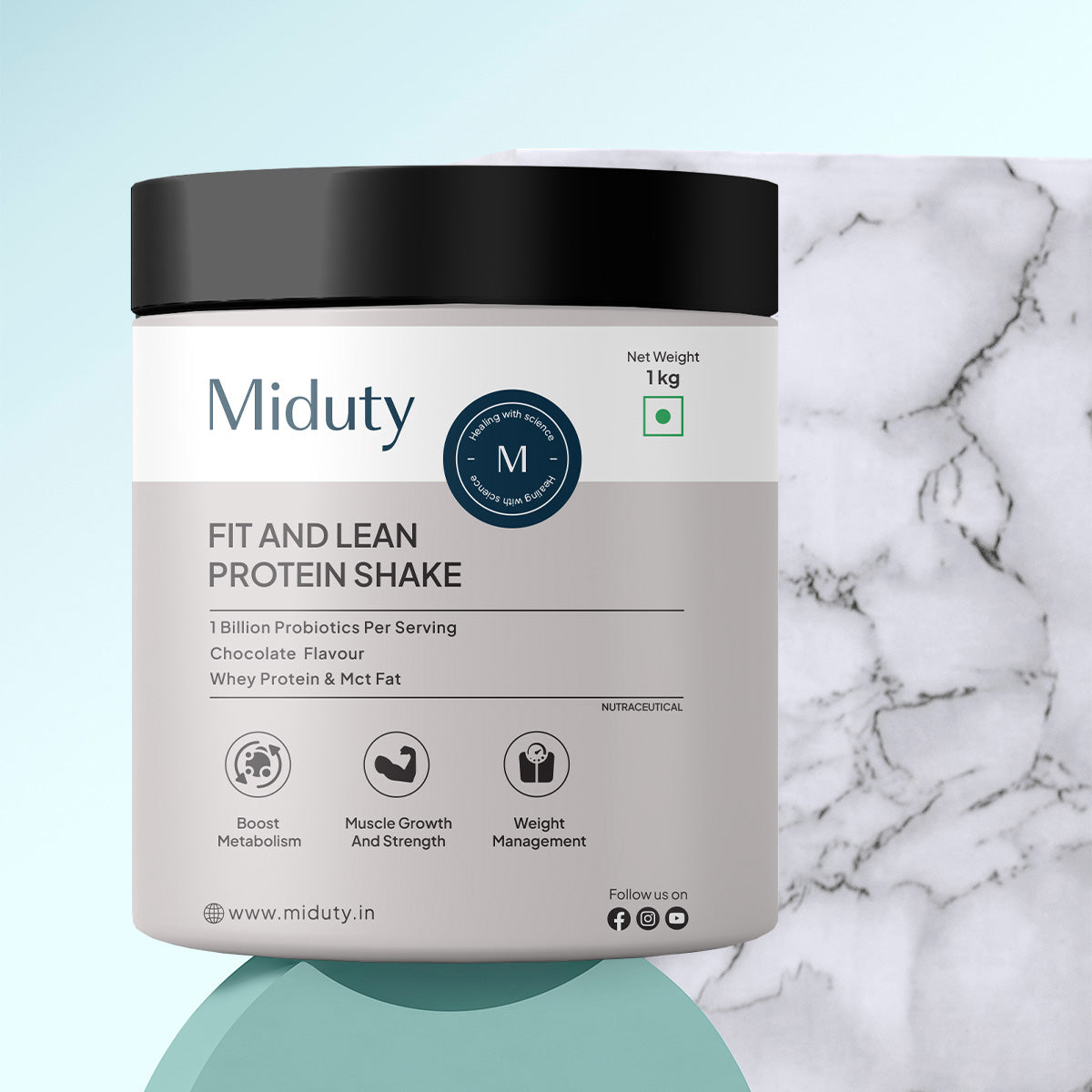
How to Make Whey Protein at Home : A Step-by-step Guide

Whey protein is everywhere. Gym bags, breakfast smoothies, even kitchen shelves. But have you ever stopped and wondered what it actually is and where it comes from?
Loved by fitness lovers and health-conscious people alike, whey protein is known for helping with muscle recovery, strength, and daily protein needs. It’s fast-absorbing, easy to use, and powerful. But here’s the real question most people ask today, can you make whey protein at home? Let’s break it down simply.
Key Takeaways
1. Homemade whey is nutritious but very low in protein.
2. It is suitable for hydration and minerals, not muscle recovery.
3. True whey protein requires filtration and concentration, which cannot be done at home.
4. Commercial whey protein provides consistent, high-quality protein and amino acids.
5. Use homemade whey for tradition and refreshment, but rely on commercial whey for real protein needs.
What Is Whey Protein?
Whey protein is one of the two main proteins found in milk. When milk is processed to make curd or cheese, it naturally separates into solid curds (casein) and a liquid part called whey. That liquid whey is where whey protein comes from.
Milk protein is roughly 20% percent whey and 80% percent casein. Casein digests slowly and supports long-term muscle repair, while whey digests quickly and delivers amino acids fast. This is why whey is often preferred after workouts or during recovery.
According to a National Institutes of Health (NIH)–backed clinical review, whey protein is a rich source of essential amino acids, especially leucine, which plays a key role in muscle protein synthesis and recovery. [1]
In simple terms, whey is the fast-acting, easily absorbed protein from milk that supports strength, recovery, and daily protein needs.
Nutritional Value of Whey Protein
Commercial Whey Protein comes from milk that is processed, filtered, and dried into powders like concentrate or isolate. These products typically contain 20–30 g of high-quality protein per serving with all nine essential amino acids and a rich amount of branched-chain amino acids (BCAAs) such as leucine, which are important for muscle growth and repair. Studies show that commercial whey’s concentrated amino acid profile helps stimulate muscle protein synthesis more effectively than less concentrated sources. [2]
Homemade Whey (the liquid left after curdling milk) contains only trace amounts of protein because most stays in the curds, and it lacks the high protein concentration and controlled amino acid profile found in commercial powders.
Is Homemade Whey Protein Really Possible?
Yes, homemade whey protein is possible, but this is where most people get confused.
When you make paneer or curd at home, the leftover liquid is whey. It does contain protein, but in very small amounts. To get even a moderate protein serving, you would need large quantities of milk and still won’t match the protein density your body needs for muscle repair or recovery.
Clinical research supported by the National Institutes of Health shows that effective whey protein needs to be concentrated and filtered to remove excess lactose and fats, while preserving key amino acids like leucine. This level of purity and consistency is not achievable at home. [3]
So while homemade whey is a healthy liquid, it is not a reliable protein source. If your goal is strength, recovery, or daily protein adequacy, a properly processed, lab-tested whey protein is simply more effective and predictable.
Step-by-Step Process: How to Make Whey Protein at Home
Here’s the simple, honest way to make whey at home — just like most people do in Indian kitchens.
Step 1: Heat the Milk
Take full-fat or toned milk and heat it on a low flame. Do not boil it aggressively. Just heat until it’s hot enough to curdle.
Step 2: Curdle the Milk
Turn off the flame and add lemon juice or vinegar slowly while stirring. The milk will split into solid curds and a greenish-yellow liquid.
That liquid is whey.
Step 3: Strain the Whey
Place a clean muslin cloth or strainer over a bowl. Pour the mixture through it. The solid part stays on top (paneer), and the liquid collected below is whey.
Step 4: Cool and Store
Let the whey cool completely. You can drink it fresh or store it in the fridge for up to one day.
That’s it. This is liquid whey, not whey protein powder. It’s nutritious, light, and refreshing, but naturally low in protein concentration.
How to Dry and Store Homemade Whey Protein?
At home, you cannot safely dry whey into real whey protein powder. Drying liquid whey needs controlled heat, filtration, and spray-drying technology. Sun-drying or heating whey on a stove can destroy proteins, increase spoilage risk, and make it unsafe to consume.
If you reduce whey by boiling it, you’re mostly concentrating lactose and minerals, not protein.
How to Store Liquid Whey Safely?
Homemade whey should always be stored as a liquid, not powder.
- Let it cool completely after straining
- Store in a clean, airtight glass bottle
- Keep refrigerated
- Use within twenty-four hours for best safety and freshness
Signs Whey Has Gone Bad:
- Sour or foul smell
- Cloudy appearance
- Fizzy bubbles or pressure in the bottle
If you notice any of these, discard it immediately.
How Much Protein Does Homemade Whey Provide?
Homemade whey, the liquid left after making paneer or curd, contains very little protein. On average, one cup (about 200-250ml) of liquid whey provides only about zero point five to one gram of protein. Most of the protein from milk stays in the paneer or curd, not in the liquid.
A nutrition analysis referenced by the National Institutes of Health explains that whey protein becomes meaningful only after concentration and filtration, which increases protein density while removing lactose and water. This is why commercial whey protein delivers 20to 25 grams of protein per scoop, while homemade whey does not. [4]
So if you drink homemade whey, you are getting hydration, some minerals, and a small protein boost, but not enough protein to support muscle recovery or daily protein needs.
Benefits of Homemade Whey Protein
Homemade whey may not be high in protein, but it still has a few practical benefits, especially for everyday health.
1. Cost-Effective
Homemade whey comes as a by-product of making paneer or curd. You’re not spending extra money on it, which makes it an economical option for regular use.
2. Clean and Natural
There are no additives, flavours, sweeteners, or preservatives involved. What you get is plain whey, straight from milk, which many people prefer for its simplicity.
3. Easy on Digestion
Liquid whey is light and easy to digest. It can feel refreshing, especially in warm weather, and is often well tolerated by people who struggle with heavy foods.
4. Provides Minerals and Hydration
Homemade whey contains calcium, potassium, and small amounts of B vitamins, along with fluids that help with hydration.
5. Supports Traditional Diets
In many Indian households, whey has been used traditionally as a cooling drink or mixed with meals.
Limitations of Homemade Whey Protein
Homemade whey may feel like a healthy, traditional option, but it does come with some clear limitations, especially if your goal is proper nutrition or muscle recovery.
Taste and texture
Homemade whey has a naturally sour, thin taste that many people find hard to enjoy regularly. Since it isn’t processed or flavoured, consistency can vary every time you make it, which makes it difficult to consume daily.
Absorption and protein quality
This is the biggest limitation. Homemade whey contains only trace amounts of protein, and the protein it does contain is not concentrated or standardised. Most of the protein from milk remains in the curd, not the liquid. In contrast, professional whey is filtered and concentrated to deliver a predictable amount of high-quality, fast-absorbing protein.
Quality and safety concerns
Homemade whey spoils quickly and has no quality testing or standardisation. Protein content, hygiene, and shelf life vary widely depending on milk quality and storage conditions.
In short, homemade whey works as a light, refreshing drink. But when it comes to reliable protein intake, absorption, and consistency, professionally processed whey is simply more dependable.
Homemade Whey vs Commercial Whey Protein
When it comes to muscle building and recovery, the difference between homemade whey and commercial whey protein is very clear.
Homemade Whey
Homemade whey is the liquid left after curdling milk. It contains very small amounts of protein, along with minerals and lactose. While it is natural and refreshing, it does not provide enough protein to support muscle repair after workouts or help meet daily protein needs. You would need to drink large quantities to get even a few grams of protein, which is neither practical nor effective.
Commercial Whey Protein
Commercial whey protein is made using advanced filtration and drying methods. This process concentrates protein, removes excess lactose and fat, and preserves essential amino acids like leucine, which plays a key role in muscle protein synthesis.
The Practical Choice
If your goal is hydration and light nutrition, homemade whey is fine. But if your goal is muscle recovery, strength, and reliable daily protein intake, a clean, lab-tested, well-absorbed whey protein is simply more effective and predictable.
Who Should Avoid Homemade Whey Protein?
Homemade whey is not suitable for everyone. People with lactose intolerance may experience bloating, gas, or stomach discomfort because liquid whey still contains lactose. Those with milk protein allergies should avoid it completely. Individuals with sensitive digestion, gut inflammation, or conditions like IBS may also find whey difficult to tolerate. Since homemade whey spoils quickly, anyone with a weak immune system should be cautious. If you notice digestive discomfort after consuming whey, it’s best to stop and choose safer protein alternatives.
Best Ways to Consume Homemade Whey Protein
Homemade whey is best consumed fresh and simple. You can drink it plain, slightly chilled, as a light and refreshing beverage, especially in warm weather.
For better taste, add it to smoothies with fruits like bananas or berries. This makes it more enjoyable without overloading the stomach.
You can also use whey while kneading dough for rotis or mixing buttermilk-style drinks with a pinch of salt and roasted cumin.
Avoid heating whey too much, as high heat can damage its nutrients. Keep portions small and consume it within a day for best results.
Conclusion
Making whey at home can be a healthy traditional practice, but it has clear limitations. Homemade whey is low in protein, short-lived, and inconsistent in nutrition. It works well as a light, refreshing drink, but not as a reliable protein source.
For muscle recovery, strength, or meeting daily protein needs, commercial whey protein is far superior. It provides a precise amount of high-quality protein, essential amino acids, better absorption, and safety through testing and controlled processing.
So the verdict is simple. Homemade whey is good for hydration and tradition. But for real nutrition and results, a properly processed whey protein is the better choice.
FAQs on Homemade Whey Protein
Q1. Is homemade whey healthy?
Yes, homemade whey is healthy as a light, natural drink. It provides hydration, minerals like calcium and potassium, and small amounts of B vitamins. However, it is not a high-protein source and should not be relied on to meet daily protein or muscle recovery needs.
Q2. How long is homemade whey good for?
Homemade whey is best consumed within 24 hours when stored in a clean, airtight glass container in the refrigerator. Because it contains no preservatives, it spoils quickly and should be discarded if it smells sour, looks cloudy, or becomes fizzy.
Q3. Is homemade whey protein as effective as commercial products for muscle building?
No. Homemade whey contains only 0.5-1 g of protein per cup, whereas commercial whey protein provides 20-25 g of concentrated protein per scoop along with essential amino acids like leucine, which are critical for muscle protein synthesis.
Q4. How much protein is in homemade whey powder?
Homemade whey cannot be safely converted into true whey protein powder at home. Even when reduced, it does not meaningfully increase protein content. The protein remains very low compared to commercial whey protein powders.
Q5. What is the raw material of whey protein?
Whey protein comes from milk. It is the liquid portion separated during cheese or paneer making, which is then filtered, concentrated, and dried using advanced processing methods to produce whey protein powder.
Q6. What do you mix whey protein with?
Commercial whey protein can be mixed with water, milk, smoothies, oats, or yogurt. Homemade liquid whey is usually consumed plain, added to smoothies, or used in dough or buttermilk-style drinks.
Q7. How do you know if whey protein is spoiled?
Homemade whey is spoiled if it has a sour or foul smell, cloudy appearance, bubbles, or pressure buildup. Commercial whey protein should be discarded if it smells rancid, tastes bitter, or shows moisture or clumping due to improper storage.
References-
|
Sr. No. |
References |
|
1. |
|
|
2. |
|
|
3. |
|
|
4. |