Benefits of Taking Whey Protein on an Empty Stomach

Most of us start the day running — rushing for work, a morning workout, getting kids ready, or juggling both. Breakfast becomes whatever is "quick," and protein usually isn't part of it. And that's where many people start feeling low energy, cravings, slow metabolism, or difficulty building muscle even with workouts.
That's why so many nutritionists, trainers, and wellness coaches talk about whey protein first thing in the morning. It isn't just a bodybuilder trend — it's a very practical way to give your muscles, metabolism, and brain the fuel they've been waiting for all night. After 7–8 hours of fasting, your body wakes up hungry for amino acids, and whey delivers them faster than regular food.
Whether your goal is fat loss, muscle gain, better metabolism, or simply feeling energized throughout the day, whey protein in the morning can make a visible difference. It's convenient, quick, and helps support the body exactly when it needs nutrition the most.
Key Takeaways
1. Whey protein in the morning helps the body recover faster. After an overnight fast, muscles need amino acids. Taking whey on an empty stomach quickly delivers them, improving muscle repair and reducing soreness.
2. It prevents muscle loss and supports fat loss at the same time. A morning whey shake stops muscle breakdown and boosts metabolism, helping the body burn fat while maintaining lean muscle.
3. A whey shake keeps you full and controls cravings. Whey protein increases satiety, reducing hunger and snacking through the first half of the day, which can support weight management.
4. It's a convenient, nutritious option on busy mornings. For people who skip breakfast or don't have time to cook, whey provides a quick and balanced start to the day without heaviness.
5. Choosing the right whey supplement matters. Look for a clean, high-quality formula with 20–25 g protein per scoop, minimal fillers, and whey isolate or hydrolysate for easier digestion.
What Is Whey Protein and Why Is It Important?
Whey protein is a high-quality protein derived from milk. When milk is processed to make cheese, the liquid portion left behind is called whey. That liquid is purified, dried, and turned into the whey protein powder we use today.
What makes whey unique is that it is a complete protein, meaning it contains all nine essential amino acids that the body cannot produce on its own. It is also one of the fastest-digesting proteins, which makes it ideal for supporting muscle recovery and meeting protein requirements conveniently.
Millions of people — from professional athletes to busy office-goers — use whey not only for building muscle, but also for better metabolism, improved fullness, recovery, and overall nutrition. Now, let's get into the real topic.
Why Many People Take Whey on an Empty Stomach in the Morning
After sleeping for 7–8 hours, the body wakes up in a semi-fasted state. Muscle repair continues through the night, and the body has no incoming nutrients during this period. That's why nutrition after waking plays a big role in your metabolism, recovery, and energy levels for the day.
Taking whey protein first thing in the morning — before breakfast and before other foods — loads the body with quick and easily absorbable amino acids. And that comes with science-backed benefits.
Benefits of Taking Whey Protein on an Empty Stomach in the Morning
1. Faster absorption and quicker recovery
Whey digests faster than most foods. When taken on an empty stomach, it gets absorbed even more quickly, sending amino acids straight to the muscles. This supports overnight muscle recovery and reduces soreness, especially if you train regularly or have late-evening workouts. [1]
2. Prevents muscle breakdown
After hours without food, the body may begin breaking down muscle tissue for energy. A morning whey shake stops this and supplies the protein your muscles were waiting for. This helps preserve lean muscle mass, not just build it. [2]
3. Keeps you full for longer
Protein is extremely satiating. A whey shake in the morning can reduce unnecessary cravings and snacking through the first half of the day. This makes it easier to control appetite and manage calories without feeling deprived. [3]
4. Supports fat loss and metabolism
Protein increases thermogenesis, the number of calories the body burns while digesting food. A high-protein start to the day helps boost metabolism and supports fat loss while protecting muscle during weight-loss diets. [4]
5. Provides stable energy instead of morning crashes
Unlike sugary or carb-heavy breakfasts that may cause energy spikes and crashes, whey protein offers steady, clean energy. People who start their day with a whey shake often report sharper focus, fewer mood dips, and better productivity.
6. Convenient for busy mornings
For those who skip breakfast, rush early to work, or don't enjoy heavy meals in the morning, whey protein offers a balanced, nutritious start without cooking or meal prep. It fuels both the brain and body quickly and easily.
7. Ideal for early morning workouts
If you train early and don't want a heavy pre-workout meal, you can take whey after training while the stomach is still empty. This restores amino acids quickly, helping with muscle repair and performance.
How to Take Whey Protein in the Morning
Most people mix whey protein with water or low-calorie milk in the morning because it digests faster than when combined with heavy milk or large breakfasts.
A simple morning routine could be:
- Wake up
- Drink water
- Have 1 scoop whey protein mixed in water
- Breakfast 45–60 minutes later (optional)
This spacing helps you get fast amino acid absorption and allows time for your next meal without discomfort.
How to Choose the Best Whey Protein Powder?
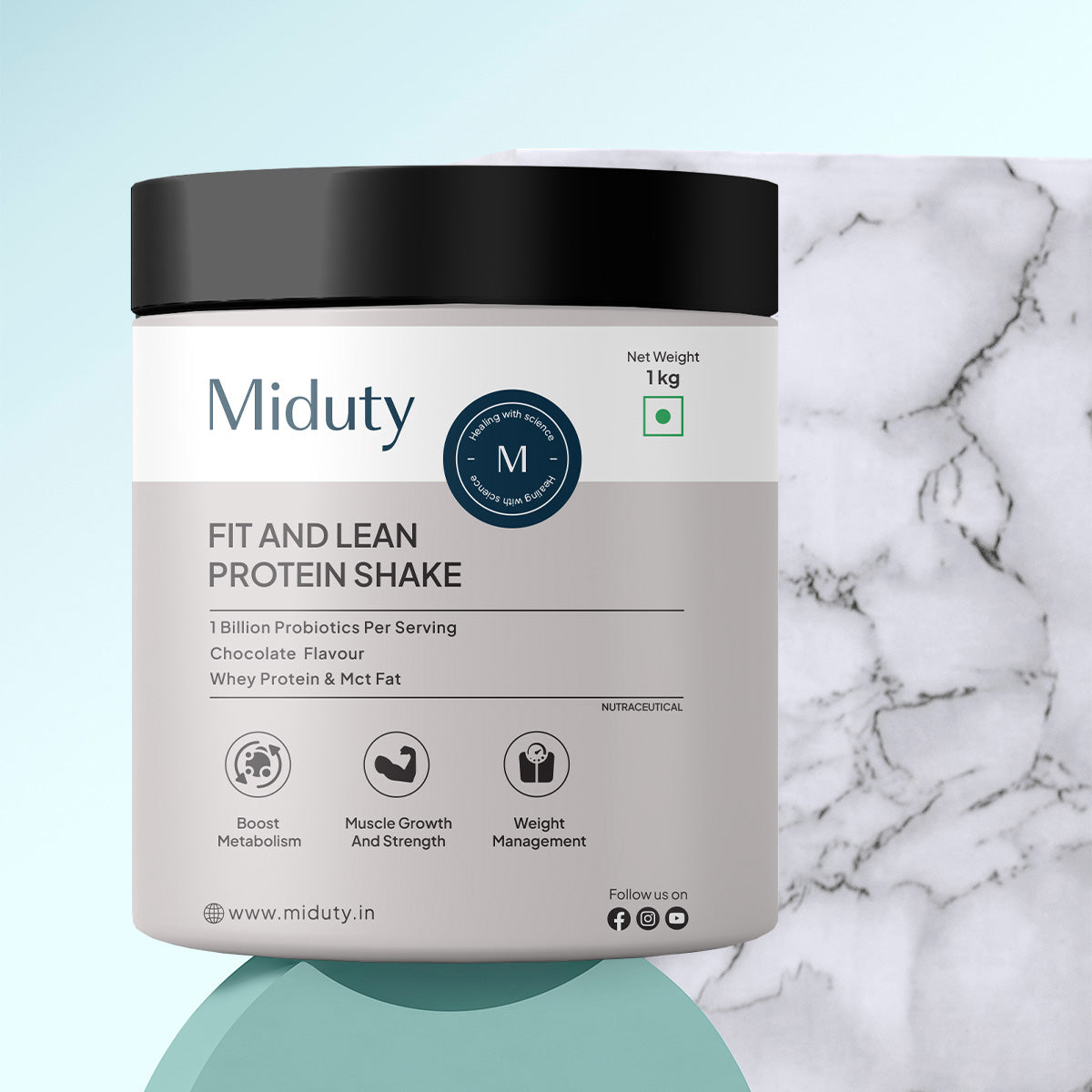
A whey protein supplement packed with 100% whey protein and MCTs, which help control cravings while fueling the body, can make a big difference in results. But the quality of the supplement matters. Look for a clean ingredient list without unnecessary sugar or fillers and aim for at least 20–25 g of protein per scoop. If you get bloating from dairy, whey isolate or hydrolysate is usually easier to digest than whey concentrate because it contains less lactose.
A good whey should also mix smoothly, taste pleasant enough to use daily, and come from a brand that's transparent about sourcing, manufacturing and testing. When you choose a clean, well-formulated whey supplement, you're not just adding protein — you're giving your body fast and high-quality nutrition it can actually use.
Final Thoughts
Taking whey protein on an empty stomach in the morning is a smart and practical way to start the day. It provides fast amino acids when your body needs them the most, protects muscles from breaking down, reduces morning hunger, supports fat loss and metabolism, and keeps energy levels steady throughout the day.
You do not need to be a bodybuilder or athlete to benefit from it. Anyone can include whey protein in their routine, whether they are a gym-goer, a student, a working professional or simply someone who wants better daily nutrition.
The key is consistency rather than perfection. Begin with one scoop in the morning, notice how your body responds and choose a high-quality whey supplement that aligns with your goals. When used correctly, whey protein becomes more than just a fitness product. It becomes a simple and effective tool that supports everyday health and long-term wellness.
Frequently Asked Questions on Taking Whey Protein on Empty Stomach -
Q1 - Is it good to drink whey protein in the morning?
Yes, it supplies your body with essential amino acids that help prevent muscle breakdown. Because it is low in lactose, it is also suitable for people following low-calorie or sensitive-stomach diets. While taking whey protein in the morning is highly beneficial, you can include it at other times of the day as well to support a balanced and nutritious routine.
Q2 - Which is the best time to drink whey?
The ideal time to take whey protein depends on what you want to achieve. Many people prefer having it 30 to 60 minutes after a workout because it supports muscle recovery and growth at that stage. Taking it first thing in the morning is also effective, as it helps break the overnight fast and refuels the body quickly. You can also have whey between meals to manage hunger or simply use it as an easy way to increase your daily protein intake.
Q3 - What is the morning protein rule?
The morning protein rule is usually linked to the 30-30-30 approach, which suggests having 30 grams of protein within 30 minutes of waking up and then doing 30 minutes of low-intensity exercise. This routine is believed to improve fullness, reduce cravings and support muscle repair early in the day. However, the exact timing is not universally agreed upon and the overall habit matters more than sticking to the clock perfectly.
Q4 - What happens if I take whey protein without working out?
Taking whey protein without working out won't build new muscle, and if you consume more calories than your body needs, the excess protein may be stored as fat. However, it can still be helpful by increasing daily protein intake, supporting existing muscle, and keeping you full for better appetite control and weight management.
Q5 - Can whey protein reduce belly fat?
Yes, whey protein can support belly fat reduction by helping with overall body fat loss when paired with a healthy diet and regular exercise. It keeps you fuller for longer, boosts metabolism and preserves lean muscle, which helps the body burn more calories efficiently.
References