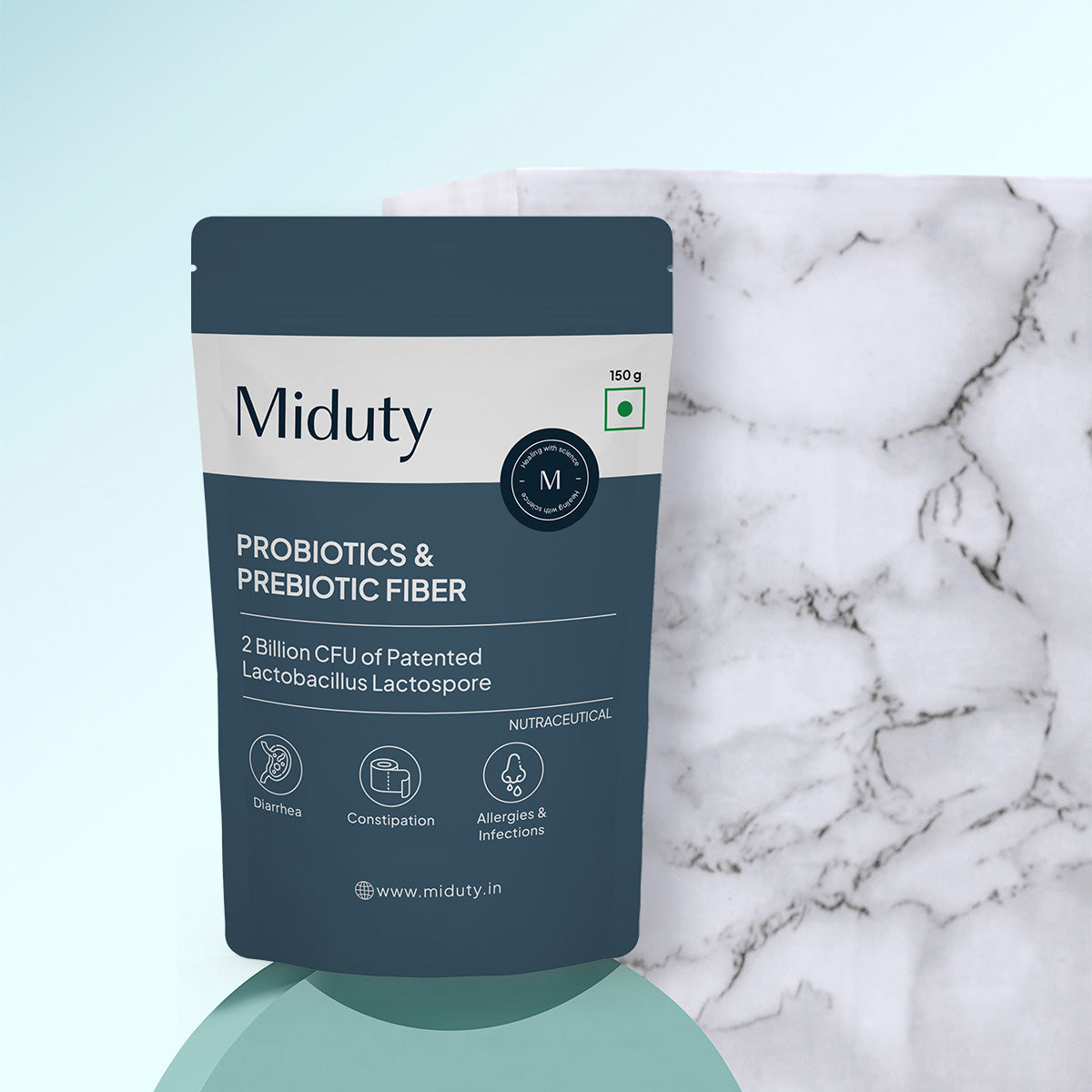
7 Benefits of Prebiotic and Probiotic Sachets for Wellness

We often think wellness begins with what we eat or how much we exercise but science now tells us that real health starts much deeper, in the gut. In fact, the human gut is home to over 100 trillion microorganisms, collectively known as the gut microbiome, and they influence everything from digestion and immunity to mood and metabolism. Research says nearly 70% of the immune system resides in the gut, making gut health a critical foundation for overall wellness. [1] Research also highlights that an imbalance in gut bacteria known as dysbiosis has been linked to obesity, diabetes, inflammatory disorders, and even mental health conditions like anxiety and depression. [2]
This is where prebiotics and probiotics come in not as trends, but as science-supported tools to restore balance inside the body. And today, sachets have made it easier than ever to get these benefits without complicated routines. So beyond just easing bloating or digestion issues, what else can these tiny sachets really do? As it turns out, quite a lot.
Key Takeaways
1. Your gut controls more than just digestion. Nearly 100 trillion microbes in your gut influence immunity, mood, metabolism, and even skin health making gut balance a true wellness foundation.
2. Most "feel-good" hormones aren't made in the brain. Around 95% of serotonin is produced in the gut, which is why improving gut health can positively impact mood and stress levels.
3. Probiotics work better when they're fed. Probiotics alone may not thrive without prebiotics, together as synbiotics, they significantly improve bacterial survival and effectiveness.
4. Gut bacteria help decide how your body stores energy. Certain microbes influence insulin response, fat storage, and appetite-regulating hormones, quietly shaping metabolism every day.
5. Consistency matters more than dosage. Regular daily intake supports lasting microbial balance, while inconsistent use often limits long-term gut and immune benefits.
Why Prebiotic and Probiotic Sachets Work Better?
Before exploring their benefits, it helps to understand why prebiotic and probiotic sachets are such an effective format for gut health.
- Probiotics are live, beneficial bacteria that help restore balance in the gut microbiome, supporting digestion, immunity, and overall wellness.
- Prebiotics are plant-based fibers that act as food for these good bacteria, helping them grow and function more efficiently.
When taken together, they form a synbiotic combination, which research shows works better than probiotics alone. A study published in Frontiers in Microbiology found that synbiotics significantly improved gut bacterial diversity and metabolic health markers compared to standalone probiotics. [3]
Sachets enhance this effectiveness in a few key ways. They help protect sensitive probiotic strains from heat and stomach acid, increasing the chances that beneficial bacteria survive digestion. Because sachets are mixed with liquids, they are absorbed more easily and begin working sooner in the digestive system.
They are also simple to use, which encourages daily consistency, an essential factor for improving gut health. With accurate dosing and better bacterial stability, prebiotic and probiotic sachets offer a practical, science-backed way to support the gut and overall wellness.
7 Benefits of Prebiotic and Probiotic Sachets
1. Supercharge Digestive Harmony
We all know digestion is the classic use for prebiotics and probiotics and there's a good reason for it. These sachets help balance the ecosystem of microbes in your gut, easing discomfort like gas, bloating, and irregularity.
Prebiotics act as food for beneficial bacteria, helping them grow and thrive. Probiotics, on the other hand, introduce helpful bacteria into your system, strengthening microbial diversity and overall digestive function. Together, they help:
- Improve regularity
- Support nutrient breakdown and absorption
- Reduce bloating and gas
- Strengthen the gut barrier
About 95% of the body's serotonin, often referred to as the "feel-good" hormone, is produced in the gut. [4] This is one reason a balanced microbiome can positively influence mood alongside digestion. If your digestion feels off, these sachets support long-term gut balance rather than offering temporary relief.
2. Give Your Metabolism a Quiet Boost
If you've ever wondered whether gut health connects to your waistline, the answer is yes. Research suggests that the gut microbiome plays a role in how the body processes energy, responds to insulin, and stores fat. Certain bacterial strains help regulate appetite-related hormones, while prebiotic fibers encourage the growth of microbes that produce short-chain fatty acids (SCFAs), compounds linked to metabolic health. [5]
This can help:
- Regulate blood sugar levels
- Support healthy insulin sensitivity
- Promote fat oxidation
- Improve energy use at a cellular level
While sachets are not weight-loss solutions, they support the body's natural metabolic rhythm in a sustainable way.
3. Strengthen Your Immune System Naturally
The immune system relies heavily on the gut. Around 70% of immune cells are found in the gut, making microbial balance essential for immune defense. Probiotics may help shorten the duration of common infections, while some strains have been shown to reduce the severity of respiratory symptoms. Prebiotics support immune-friendly bacteria, helping regulate inflammation and improve immune responses.
This is especially beneficial during periods of stress or seasonal illness, when immunity can weaken. A daily sachet helps build immune resilience over time.
4. Calm Your Mind Through the Gut–Brain Axis
Gut health affects far more than digestion. The gut and brain communicate constantly through the gut–brain axis, and gut microbes play a central role in this interaction. Certain probiotic strains have been shown to influence neurotransmitters such as serotonin, dopamine, and GABA, which impact mood, stress levels, and mental clarity. As a result, some people experience:
- Improved mental clarity
- Reduced stress and anxiety
- Better sleep quality
- More stable moods
These sachets support a healthier gut environment, which can positively influence mental well-being over time.
5. Support Your Skin from the Inside Out
Skin health often begins internally. A balanced gut microbiome helps regulate inflammation, which is linked to concerns such as acne, dryness, sensitivity, and eczema. Research suggests gut bacteria influence skin barrier strength, hydration, and healing processes. When gut microbes are supported by prebiotics and probiotics:
- Skin-supportive nutrients are better absorbed
- Systemic inflammation may decrease
- The skin's natural defense mechanisms improve
While topical skincare plays a role, long-term skin health is closely tied to gut balance.
6. Ease Stress Responses and Improve Resilience
Chronic stress can disrupt gut bacteria by increasing cortisol levels, leading to digestive discomfort, inflammation, and sleep disturbances. Prebiotic and probiotic sachets don't eliminate stress, but they help the gut microbiome remain more resilient. Certain strains support balanced stress responses and calmer physiological reactions.
This results in fewer stress-related digestive issues and improved emotional balance over time.
7. Amplify Wellness When Combined with Healthy Habits
Prebiotic and probiotic sachets work best when combined with healthy lifestyle habits. When paired with nutrient-dense foods, regular movement, and mindful practices, they help optimize overall wellness.
Combining sachets with fermented foods, prebiotic-rich fruits and vegetables, and fiber-rich meals supports microbial diversity and strengthens long-term health. This integrated approach reinforces wellness in a way supplements alone cannot.
Tips to Maximize Sachet Benefits
To get the most out of your prebiotic and probiotic sachets, a few simple habits can make a noticeable difference:
1. Take them consistently: Daily use helps beneficial bacteria establish and multiply in the gut. Consistency supports long-term balance rather than short-term digestive relief.
2. Start slow: Mild bloating or gas may occur during initial gut adjustment. This usually settles as the microbiome adapts to change.
3. Pair with whole foods: Fiber-rich meals help prebiotics nourish beneficial gut bacteria. Fermented foods further support microbial diversity and gut balance.
4. Choose quality products: Well-formulated sachets ensure stable, clinically effective bacterial counts. Third-party testing helps confirm purity, potency, and safety.
How to Choose the Best Prebiotic and Probiotic Sachets?
Not all sachets are created equal. Choosing the right formulation is essential for achieving real gut health benefits.
A high-quality prebiotic and probiotic sachet should offer complete gut support, not just live bacteria. Look for a formula that includes prebiotics such as Sunfiber®, FOS, and Inulin to nourish beneficial gut bacteria, clinically studied probiotic strains with an effective CFU count to help restore microbial balance and support immunity, and postbiotics like Sodium Butyrate to strengthen the gut lining, reduce inflammation, and improve nutrient absorption.
Choosing a comprehensive formulation ensures your gut receives nourishment, balance, and long-term protection.
Final Thoughts
Prebiotic and probiotic sachets have gained popularity for good reason. Backed by scientific research and real-world results, they support far more than digestion, playing a role in metabolism and energy balance, immune strength, stress response, mood regulation, and even skin health. While they are not a cure-all, they are a simple and versatile addition to daily routines. When used consistently and chosen wisely, these small sachets can support meaningful, long-term wellness from the inside out, one mix at a time.
Beyond convenience, the true value of prebiotic and probiotic sachets lies in how they work with the body rather than against it. By supporting the gut microbiome at its foundation, they help create balance that reflects across multiple systems over time. When combined with mindful eating, adequate sleep, and an active lifestyle, these sachets can become a reliable part of a holistic wellness approach, supporting sustainable health rather than quick, short-term fixes.
FAQ's on Pre and Probiotic Sachets -
Q1 - What is the use of prebiotic and probiotic sachet?
Prebiotic and probiotic sachets are designed to restore and maintain a healthy balance of bacteria in the gut, promoting optimal digestive function and supporting overall health.
Q2 - What is the best time to take a probiotic sachet?
The best time to take a probiotic sachet is typically 30 minutes before breakfast, when stomach acid is lower. However, consistency is key, so it can also be taken with a meal or before bed. Check the product label for specific recommendations and avoid hot liquids.
Q3 - Can I take prebiotics and probiotics daily?
Take a probiotic sachet 30 minutes before breakfast, with a meal, or before bed. Consistency is key, and avoid hot liquids. Always check the label for specific instructions.
Q4 - How many sachets of probiotics per day?
The daily dosage of probiotic sachets depends on the product's concentration (measured in CFUs) and your individual health needs. Always follow the instructions on the packaging or consult a healthcare professional.
Q5 - What happens to your body when you start taking prebiotics and probiotics?
Starting prebiotics and probiotics introduces beneficial microbes to your gut, which may cause temporary gas, bloating, or digestive changes. Over time, they support better digestion, immunity, nutrient absorption (like calcium, B12, and iron), and reduced inflammation, leading to a more balanced gut.
Q6 - How long should I take probiotic sachets?
The duration for taking probiotic sachets depends on your goal—ranging from a few days for acute diarrhea to several months for chronic gut or immune support, with many people noticing benefits in 2-4 weeks. For antibiotic use, continue probiotics for about a week after finishing the course. Always consult a doctor for personalized advice, especially if you have health conditions like being immunocompromised.
Q7 - What are the signs I need probiotics?
Signs that you may need probiotics include frequent digestive issues (bloating, gas, diarrhea, constipation), skin problems (acne, eczema), persistent fatigue, mood swings, frequent illnesses (weak immunity), sugar cravings, or recently finishing antibiotics—indicating an imbalanced gut microbiome.
References