Health Benefits of Probiotics for Men and Women

Did you know that about 70% of your immune system lives in your gut? [1] That's right! A healthy gut isn't just about digestion; it impacts your whole well-being, from your immune system to your skin. Adding probiotics to your daily routine can be a game-changer. But how do you get them? Should you go for probiotic-rich foods or supplements? In this post, we'll help you figure out the best way to boost your gut health, and feel amazing!
Key Takeaways
1. Probiotics improve gut health: A study found that Bacillus coagulans helped 82% of IBS patients feel less bloated and uncomfortable.
2. Fermented foods are rich in probiotics: Foods like curd and buttermilk contain Lactobacillus and Bifidobacterium, which support digestion and immunity.
3. Probiotic supplements offer higher doses: Supplements with Bacillus coagulans can target digestive issues and improve immune health.
4. FOS helps beneficial bacteria grow: Studies show FOS increases Bifidobacterium in the gut, supporting digestion.
5. Acacia fiber supports bowel regularity: Research shows acacia fiber helps reduce constipation and improves overall gut health.
What Are Probiotics and Why Do They Matter?
Probiotics are live bacteria and yeasts that are beneficial for your health, particularly your digestive system. Often called "good" or "friendly" bacteria, they help maintain a healthy balance of gut bacteria. This balance is crucial because it ensures your digestive system works properly and supports immune health. Probiotics work by outnumbering harmful bacteria in your gut, which can help reduce symptoms like bloating, gas, and diarrhea.
Research found that probiotics significantly improved gut health by reducing the symptoms of irritable bowel syndrome (IBS). [2] This study shows how probiotics can have a positive impact on overall digestive health, making them an essential part of a healthy gut.
Universal Benefits of Probiotics for Men and Women
Probiotics offer a wide range of health benefits that go beyond digestive health. They support various aspects of your overall well-being, making them a key element of a balanced diet. Here's how probiotics can make a difference:
1. Gut Health & Digestion
Probiotics help maintain a healthy balance of bacteria in your gut, which is essential for proper digestion. They can help reduce symptoms like bloating, constipation, and diarrhea, promoting smoother digestion and overall gut function.
2. Immune System Support
A large portion of your immune system is located in the gut. By promoting a healthy gut flora, probiotics enhance the body's immune response. They help the body fight infections and reduce inflammation, improving overall immunity.
3. Nutrient Absorption
Probiotics help your gut absorb essential nutrients such as vitamins, minerals, and amino acids. By improving the digestive process, they ensure that your body gets the maximum benefit from the food you consume.
4. Improved Mental Health & Skin Health
Research has shown that the gut-brain connection is significant, and probiotics can help reduce symptoms of anxiety and depression. Additionally, by supporting gut health, they indirectly improve skin conditions such as acne and eczema.
A clinical study published in the National Institute of Health found that probiotics can help reduce symptoms of irritable bowel syndrome (IBS) and improve gut health, leading to better immune function and enhanced overall well-being. [3] This study emphasizes the importance of probiotics in supporting not just digestion, but your immune and mental health.
Specific Benefits of Probiotics for Women
Probiotics are great for women's health, offering several specific benefits that go beyond just digestion. Let's take a look at how they support key areas of health:
1. Vaginal & Urinary Tract Health
Women often face issues like urinary tract infections (UTIs) and bacterial vaginosis, which can be influenced by the balance of bacteria in the body. Probiotics, especially Lactobacillus strains, help keep things in check by maintaining a healthy balance of good bacteria in the vagina and urinary tract. A clinical study showed that women who used Lactobacillus probiotics had a reduced rate of recurrent UTIs compared to those who didn't use them. This shows just how effective probiotics can be in protecting against common infections. [4]
2. Hormonal Balance & Immune Support
Probiotics also play a role in balancing hormones. While there's still research to be done, having a healthy gut and vaginal microbiome can help your immune system function better. A strong immune system makes it easier for women to handle hormonal fluctuations, whether it's during their menstrual cycle or menopause. Plus, probiotics have been shown to reduce inflammation and support immune health overall, helping women stay healthier.
So, whether it's keeping your urinary system in check or helping balance hormones, probiotics can be a helpful ally in women's health.
Specific Benefits of Probiotics for Men
Probiotics aren't just good for digestion - they can play a helpful role in men's overall health too. Here's how they specifically support male wellness in simple, science‑backed terms:
1. Better Digestion
Probiotics help balance the bacteria in your gut, which can reduce bloating, gas, and irregular bowel habits. A balanced gut also means more efficient breakdown and absorption of nutrients - important for energy and muscle recovery.[5]
2. Stronger Immune System
About 70 % of your immune cells live in your gut, so keeping your gut flora healthy with probiotics supports immune defense and helps your body respond better to infections.[6]
3. Metabolism & Energy
Some clinical evidence shows that probiotics can positively influence energy metabolism and nutrient processing by altering the gut microbiota in a beneficial way, which can help with weight and metabolic health.[7]
4. Male‑Specific Wellness
While research on male hormone levels (like testosterone) and probiotics is mixed, some studies in men with reproductive health issues show potential benefits - for example, improved sperm quality when certain probiotic blends were used.[8]
The U.S. National Institutes of Health (NIH) notes that probiotics may influence gut microbiota and, through this, affect immune and metabolic responses in the body.[9]
Overall, probiotics can be a helpful part of a man's daily health routine - especially for digestion, immunity, and metabolism - when chosen and used consistently.
How to Choose the Right Probiotic for You?
Choosing the right probiotic depends on your health needs and goals. Here's a breakdown of key ingredients and some clinical evidence to help you pick the best one for your digestive and overall health:
1. Bacillus coagulans (Probiotic Strain)
This powerful probiotic strain is known for its ability to survive stomach acid and reach the intestines where it supports digestion and gut health. Studies show that Bacillus coagulans can significantly help with digestive discomfort such as bloating, gas, and irritable bowel syndrome (IBS). In a clinical trial, 82% of participants taking Bacillus coagulans reported significant improvement in IBS symptoms, such as abdominal discomfort, compared to only 11% in the placebo group. This makes it an excellent choice for people looking to improve gut function and reduce digestive issues. [10]
2. Fructooligosaccharides (FOS) - Prebiotic Fiber
FOS is a prebiotic fiber that feeds the good bacteria in your gut, helping them thrive and support digestion. Clinical studies have shown that taking 7.5-15 grams of FOS per day can increase beneficial bacteria like Bifidobacterium in the colon, which improves gut health and digestion. The increase in beneficial bacteria helps reduce bloating and supports overall gut balance, making it a valuable addition to any probiotic formulation. [11]
3. Hydrolyzed Acacia Fiber - Prebiotic Fiber
Acacia fiber is a gentle, yet effective prebiotic fiber that nourishes beneficial gut bacteria and supports bowel regularity. It is particularly helpful for those who have sensitive stomachs or suffer from constipation. Acacia fiber helps maintain a healthy gut environment by promoting regular bowel movements and supporting the digestive process without causing irritation.
Tips for Choosing the Right Probiotic for Men vs. Women
- For Women: Look for probiotics that support vaginal and urinary health. Strains like Lactobacillus reuteri or Lactobacillus rhamnosus can help maintain a healthy vaginal flora, and pairing these with prebiotics like FOS can support overall gut and intimate health.
- For Men: Choose probiotics that focus on gut health and immune function. Bacillus coagulans is a great option for digestion and immune support. If you're interested in metabolic health, consider probiotics that include prebiotics like hydrolyzed acacia fiber to help regulate digestion and metabolism.
Food Sources Vs Supplements (Practical Tips)
When it comes to adding probiotics to your daily routine, you can either rely on food sources or supplements, both have their perks. Let's look at both options:
Fermented Foods: Natural and Tasty Probiotics
Fermented foods are an easy and delicious way to include probiotics in your diet. Here are some great options:
- Curd: A staple in most Indian households, curd (yogurt) is packed with probiotics like Lactobacillus. Choose varieties with "live cultures" for the best benefits.
- Buttermilk (Chaas): Another probiotic-rich drink, it's refreshing and aids digestion.
- Kimchi and Sauerkraut: Though more popular in other countries, these fermented veggies can add a nice twist to your meals.
- Idli and Dosa: The fermentation of rice and urad dal in idli and dosa batter is a natural source of probiotics, great for gut health.
Supplements: Convenient and Effective
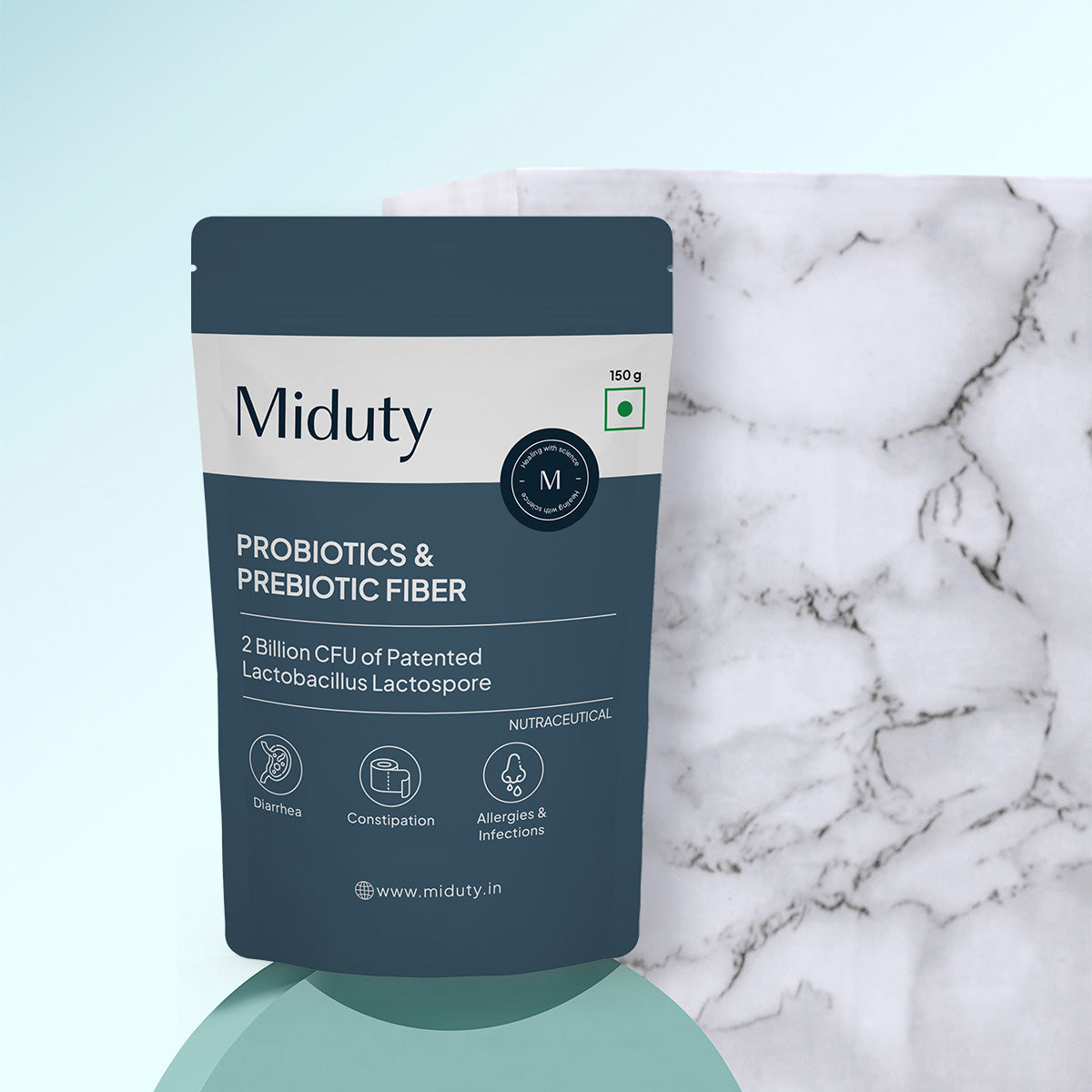
While food is a great source, sometimes it's easier to take a probiotic supplement. They come in capsules or powders and offer a higher concentration of specific probiotic strains like Bacillus coagulans, which supports digestion and boosts immunity.
How to Include Probiotics Daily?
- Fermented Foods: Have curd or buttermilk with meals. Add kimchi to your snacks or salads for extra probiotics.
- Supplements: If you're looking for convenience, a probiotic supplement can be taken daily with meals to support digestion and overall gut health.
Conclusion
Incorporating probiotics into your daily routine is an easy and effective way to improve your gut health and overall wellness. Whether you choose delicious, probiotic-rich foods like curd and buttermilk or prefer the convenience of supplements, the important thing is to stay consistent. Probiotics can help with digestion, boost your immunity, and even improve your skin. So, make them a regular part of your day, and you'll feel the difference. No matter which option you choose, your gut health will thank you for it!
FAQs on Probiotics for Men & Women
Q1. Can men and women take the same probiotic?
Yes, men and women can take the same probiotic. However, some strains may be more tailored to specific health needs.
Q2. Are probiotics good for men?
Yes, probiotics can benefit men by supporting gut health, boosting immunity, and potentially improving digestion, energy levels, and mental well-being.
Q3. Is it safe to take probiotics daily?
Yes, taking probiotics daily is generally safe for most people. However, it's always best to consult with a healthcare provider for personalized advice.
Q4. What age should a woman start taking probiotics?
Women can start taking probiotics at any age, but it's especially beneficial after antibiotics, during pregnancy, or as they age to support digestive health.
Q5. When to take probiotics for men?
Probiotics are best taken in the morning or with a meal to enhance absorption, but consistency is key, so find a time that suits you.
References