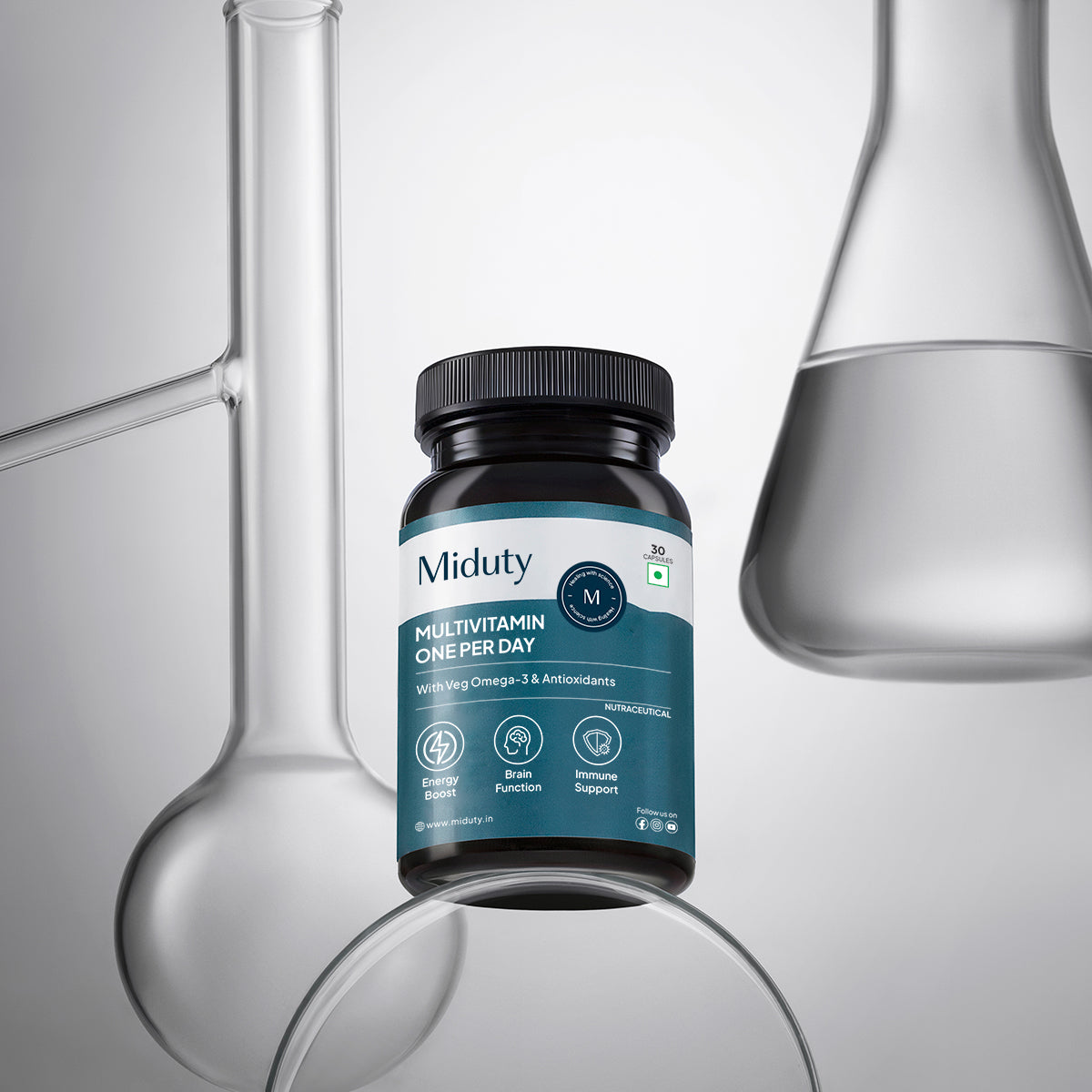
7 Best Multivitamins for Women in India for Optimal Health

In today's fast-paced lifestyle, maintaining optimal nutrition can be challenging for many women. Busy work schedules, household responsibilities, stress, irregular eating habits, and hormonal changes often make it difficult to meet daily nutrient requirements through diet alone. Even with a balanced Indian diet, deficiencies in key vitamins and minerals are common due to soil depletion, limited sun exposure, food processing, and lifestyle factors.
This is where multivitamins play a supportive role. While they are not a substitute for wholesome meals, multivitamins can help bridge nutritional gaps and support overall health, energy, immunity, and long-term wellness. Women's nutritional needs are unique and change across life stages from menstruation and fertility years to menopause and later adulthood making targeted nutrient support especially important.
Key Takeaways
1. Women have unique and changing nutritional needs. Hormonal shifts, menstruation, pregnancy, and menopause increase nutrient demands at different life stages, making women more prone to deficiencies than men.
2. Multivitamins help bridge common nutrient gaps. Due to busy lifestyles, limited sun exposure, and dietary gaps, multivitamins can support overall health, energy, immunity, and long-term wellness when used alongside a balanced diet.
3. Certain nutrients are especially important for women. Iron and folate support blood and reproductive health, vitamin D and calcium strengthen bones, B-complex vitamins boost energy and stress resilience, and antioxidants protect immunity and aging cells.
4. Gut and heart health play a major role in overall well-being. Omega-3 fatty acids support heart, brain, and hormonal balance, while probiotics and prebiotics improve digestion, nutrient absorption, and immune function.
5. Choosing the right multivitamin should be personalized. Age, diet (especially vegetarian diets), lifestyle, and health goals should guide supplement choices, and overlapping or excessive supplementation should be avoided without medical advice.
Why Are Multivitamins Essential for Women's Health?
Women experience distinct physiological and hormonal changes throughout life that increase their nutritional demands. Menstrual blood loss can reduce iron levels, pregnancy increases the need for folate and several micronutrients, and menopause accelerates bone loss due to declining estrogen levels. Additionally, stress, lack of sleep, and sedentary lifestyles can deplete essential vitamins such as B-complex and vitamin D.
Multivitamins help support women's health by:
- Filling common nutrient gaps caused by diet or lifestyle
- Supporting energy production and metabolism
- Maintaining bone strength and muscle function
- Supporting immunity and antioxidant protection
- Promoting hormonal balance and overall well-being
When chosen correctly and taken consistently, multivitamins can be a valuable addition to a healthy lifestyle.
7 Best Multivitamins for Women in India for Optimal Health

1. Iron and Folate – Supporting Energy and Blood Health
Iron and folate form the foundation of women's nutritional health, especially during the reproductive years.
Iron is essential for the production of hemoglobin, which carries oxygen throughout the body. Many women are prone to iron deficiency due to monthly menstrual blood loss, which can result in fatigue, weakness, dizziness, and reduced concentration.
Folate (vitamin B9) is crucial for DNA synthesis, cell division, and red blood cell formation. It is particularly important for women planning pregnancy, as adequate folate intake supports healthy fetal development. [1]
This combination helps:
- Prevent iron-deficiency anemia
- Support energy levels and stamina
- Maintain healthy blood cells
- Support reproductive health
Women with heavy periods, low dietary iron intake, or increased nutritional needs may benefit most from iron-folate support. However, iron supplementation should be taken cautiously and ideally under medical guidance.
2. Vitamin D and Calcium – Building Strong Bones and Muscles
Vitamin D and calcium work together to maintain bone density and skeletal strength. Women are at higher risk of osteoporosis and bone loss, particularly after the age of 40 and during menopause.
Calcium is the primary mineral responsible for strong bones and teeth, while vitamin D helps the body absorb and utilize calcium effectively. Inadequate levels of vitamin D are very common, especially among women who spend most of their time indoors or use sun protection regularly. [2]
Benefits of this combination include:
- Improved bone density and reduced fracture risk
- Support for muscle strength and movement
- Assistance in maintaining hormonal balance
- Support for immune function
This nutrient pair is especially important for women with low dairy intake, limited sun exposure, or a family history of bone disorders.
3. B-Complex Vitamins – Enhancing Energy and Stress Management
B-complex vitamins play a vital role in converting food into energy and supporting the nervous system. [3] These vitamins include B1, B2, B3, B5, B6, B7 (biotin), B9, and B12.
Women often experience fatigue due to stress, multitasking, irregular meals, or poor sleep, which can increase the body's demand for B-vitamins. Vitamin B12 deficiency is particularly common in vegetarian and vegan diets.
B-complex vitamins help:
- Improve energy metabolism
- Support brain and nervous system health
- Reduce feelings of tiredness and weakness
- Maintain healthy skin, hair, and nails
Adequate B-vitamin intake supports both physical and mental resilience, making it an important component of a women's multivitamin routine.
4. Antioxidants (Vitamin C, Vitamin E, Zinc, Selenium) – Supporting Immunity and Healthy Aging
Antioxidants protect the body from oxidative stress caused by free radicals, which are produced during normal metabolism and increased by pollution, stress, and unhealthy lifestyle habits.
Key antioxidant nutrients include vitamin C, vitamin E, zinc, and selenium. Together, they help protect cells, support immune defenses, and promote healthy aging.
Their benefits include:
- Strengthening immune response
- Supporting skin health and collagen production
- Reducing cellular damage linked to aging
- Supporting wound healing and tissue repair
For women exposed to high stress levels or environmental pollutants, antioxidant support can play an important protective role.
5. Omega-3 Fatty Acids – Supporting Heart, Brain, and Hormonal Health
Omega-3 fatty acids are essential fats that the body cannot produce in sufficient amounts on its own. They are known for their wide-ranging benefits for heart, brain, and inflammatory health. Omega-3s help:
- Support cardiovascular health
- Maintain brain function and cognitive clarity
- Reduce inflammation in the body
- Support hormonal balance and mood stability [4]
While omega-3s can be obtained from foods such as flaxseeds, walnuts, and fatty fish, many women do not consume adequate amounts regularly. Including omega-3s as part of a multivitamin or supplement routine can help maintain balanced nutrition.
6. Probiotics and Prebiotics – Improving Gut and Digestive Health
Gut health plays a critical role in overall well-being, immunity, and nutrient absorption. Probiotics are beneficial bacteria that support a healthy digestive system, while prebiotics act as food for these bacteria.
A healthy gut microbiome helps:
- Improve digestion and nutrient absorption
- Support immune system function
- Reduce bloating and digestive discomfort
- Influence mood and mental well-being through the gut-brain connection
Women who experience digestive issues, frequent antibiotic use, or irregular eating patterns may benefit from probiotic and prebiotic support as part of their nutritional plan.
7. Magnesium and Coenzyme Q10 – Supporting Muscles, Heart, and Energy Production
Magnesium is an essential mineral involved in muscle function, nerve signaling, and relaxation. It also supports sleep quality and helps reduce muscle cramps and tension, which are common complaints among women. Coenzyme Q10 supports energy production at the cellular level and acts as an antioxidant. Together, these nutrients help maintain stamina and overall vitality. They contribute to:
- Muscle relaxation and nerve function
- Improved energy production
- Heart health support
- Reduced feelings of physical fatigue
These nutrients are particularly beneficial for women dealing with chronic stress, poor sleep, or age-related energy decline.
How to Choose the Right Multivitamin for You?
When selecting a multivitamin, consider your age, diet, lifestyle, and health goals:
- Younger women may prioritize iron, B-complex, and vitamin D
- Women in their 30s and 40s may benefit from antioxidants and bone-support nutrients
- Post-menopausal women often need calcium, vitamin D, magnesium, and antioxidant support
- Vegetarian diets may require extra attention to vitamin B12, iron, and omega-3s
It is also important to avoid taking multiple supplements with overlapping nutrients unless advised by a healthcare professional.
Final Thoughts
Multivitamins are not a cure-all, but they can be a valuable tool for supporting women's health when combined with a balanced diet, regular physical activity, and healthy lifestyle habits. By focusing on essential nutrients such as iron, vitamin D, B-complex vitamins, antioxidants, omega-3s, probiotics, and supportive minerals, women can address common nutritional gaps and promote long-term well-being.
Choosing the right combination based on individual needs ensures that multivitamins work as a supportive partner in maintaining optimal health at every stage of life.
FAQ's on Multivitamin for Women -
Q1 - What is the best overall multivitamin for women?
The best overall women's multivitamin is one that includes key nutrients like iron, calcium, vitamin D, B-complex, folate, and antioxidants to support energy, bone health, immunity, and hormonal balance. Choose a formula tailored to your age, diet, and life stage (e.g., pregnancy vs general wellness).
Q2 - How to choose the right multivitamin for Women?
To choose the right multivitamin for women, consider age-specific needs (more iron and folic acid before menopause; more calcium and vitamin D after), ensure it contains key nutrients like B-complex, vitamins C, D, E, K, iron, calcium, and zinc, and opt for quality-tested formulas with third-party certifications. Look for highly absorbable forms (such as methylated B vitamins), match it to your lifestyle (vegan, active, etc.), aim for about 100% daily value of most nutrients, and always consult a doctor—especially during pregnancy or if managing health conditions.
Q3 - Should Women take multivitamins daily?
Most healthy women don't need daily multivitamins if they eat well, but they can help specific groups like women of childbearing age (folic acid) and postmenopausal women (calcium and vitamin D). They should supplement, not replace, a healthy diet, and a doctor should be consulted to avoid unnecessary or harmful excesses.
Q4 - At what age should women start taking multivitamins?
There's no single ideal age to start, but needs change over time. Women in their 20s–30s often focus on folic acid, while iron, calcium, and vitamin D become more important around 40 and after menopause. Supplements are commonly used from the 20s onward to fill diet or lifestyle gaps, with medical guidance recommended.
Q5 - Do multivitamins work if you have a poor diet?
Yes, multivitamins can help fill nutrient gaps from a poor diet, but they are not a substitute for whole foods. Nutrients from food are better absorbed and provide broader benefits, while multivitamins are most helpful for people with restricted diets, certain illnesses, or absorption issues.
References