Glutathione Dosage Per Day: Recommended Intake & How to Take

Feeling constantly tired, dealing with dull or uneven skin, or overwhelmed by the effects of stress, pollution, and modern living? You're not alone. Every day, your body works behind the scenes to defend itself against oxidative stress—one of the biggest contributors to aging, inflammation, and cellular damage. At the center of this defense system is glutathione, often called the body's "master antioxidant."
While your body produces glutathione naturally, factors like age, poor diet, environmental toxins, illness, and chronic stress can significantly deplete your levels. That's why glutathione supplements have gained so much attention for supporting skin health, detoxification, immunity, and overall vitality. But with so many products and dosage recommendations available, a common question arises: How much glutathione do you actually need per day?
In this guide, we break down glutathione dosage in a clear, practical way—so you can make informed choices that support your health without guesswork.
Key Takeaways
1. Glutathione Is the Body's Master Antioxidant. Produced naturally in every cell, glutathione plays a vital role in detoxification, immune support, skin health, and cellular protection—but levels decline with age, stress, and environmental exposure.
2. The Right Dose Depends on Your Goals. Most people benefit from 250–1,000 mg per day, with lower doses for general wellness and higher ranges often used for skin support or detoxification under guidance.
3. Form Matters as Much as Amount. Not all glutathione supplements are equal—liposomal glutathione offers superior absorption, meaning lower doses may deliver stronger results compared to standard forms.
4. Consistency Drives Results. Glutathione works gradually. Regular daily use over 6–12 weeks is key to supporting antioxidant balance, skin clarity, and long-term cellular health.
5. Personalization Is Key to Effectiveness. Age, lifestyle, diet, environmental stress, and health goals all influence how much glutathione you need—making a tailored approach more effective than a one-size-fits-all dose.
What Is Glutathione?
Glutathione is a naturally occurring antioxidant produced inside the body and found in nearly every cell. It is made from three amino acids—glutamine, glycine, and cysteine—and is essential for maintaining cellular health and balance. Unlike many antioxidants that must be obtained solely from food or supplements, glutathione is synthesized by the body and works at a deep cellular level to protect and repair tissues.
Often referred to as the body's "master antioxidant," glutathione plays a central role in defending cells against damage caused by free radicals, toxins, and environmental stressors. However, natural glutathione levels can decline due to aging, stress, poor diet, illness, pollution, and lifestyle factors, which is why dietary support and supplementation have gained attention.
Key Functions of Glutathione
Glutathione supports a wide range of vital functions in the body, making it essential for overall health and longevity:
1. Antioxidant Defense: Neutralizes free radicals and reduces oxidative stress that can damage cells and accelerate aging. [1]
2. Detoxification Support: Plays a key role in liver detox pathways by helping bind and eliminate toxins, heavy metals, and metabolic waste. [2]
3. Immune System Support: Helps regulate immune responses and supports the activity of immune cells. [3]
4. Cellular Protection: Protects mitochondria and cellular structures from oxidative and inflammatory damage.
5. Skin Health Support: Contributes to clearer, more even-looking skin by helping manage oxidative stress and supporting normal melanin balance.
6. Recycling Other Antioxidants: Helps regenerate and maintain other antioxidants, including vitamins C and E, in their active forms.
Together, these functions highlight why maintaining healthy glutathione levels is important for cellular resilience, healthy aging, and overall well-being.
Why Glutathione Dosage Matters?
When it comes to antioxidants, more is not always better. Glutathione works as part of the body's natural antioxidant system, which relies on balance rather than excess. Taking too little may not significantly support cellular glutathione levels, while unnecessarily high doses may offer diminishing returns, as the body can only utilize a limited amount at a time.
The right dosage depends on individual factors such as age, lifestyle, environmental exposure, and health goals. People under higher oxidative stress or seeking specific benefits like skin health, immune support, or detoxification may require different amounts than those using glutathione for general wellness. The form of glutathione also matters, as more bioavailable options may be effective at lower doses. Choosing an appropriate, consistent dosage helps support the body's natural balance and long-term cellular health.
Recommended Glutathione Dosage Per Day
There is no official Recommended Daily Allowance (RDA) for glutathione. However, clinical studies and supplement guidelines provide helpful dosage ranges that are widely used and considered safe.
|
Purpose |
Recommended Daily Dosage |
Description |
|
General Wellness & Maintenance |
250–500 mg per day |
Commonly used for everyday antioxidant support, immune health, and general cellular protection. Suitable for maintaining healthy glutathione levels without targeting a specific concern. |
|
Skin Health & Brightening Support |
500–1,000 mg per day |
Often used to support skin clarity, even tone, and protection against oxidative stress from sun exposure and pollution. Benefits are gradual and depend on consistent use. |
|
Detox & Liver Support |
500–1,200 mg per day |
Higher doses may be used under professional guidance to support liver function and detoxification pathways. Typically divided into multiple doses throughout the day. |
|
Clinical or Therapeutic Use |
Up to 2,000 mg per day(under supervision) |
Reserved for short-term or clinical settings and should only be used with guidance from a healthcare professional. |
Does the Form of Glutathione Affect Dosage?
Yes, the form of glutathione you choose can be just as important as the dosage itself, especially when it comes to absorption and effectiveness.
1. Reduced Glutathione (GSH) is the active form used directly by the body, but standard oral forms can be broken down during digestion. Because absorption may be limited, higher doses are often recommended to achieve noticeable benefits.
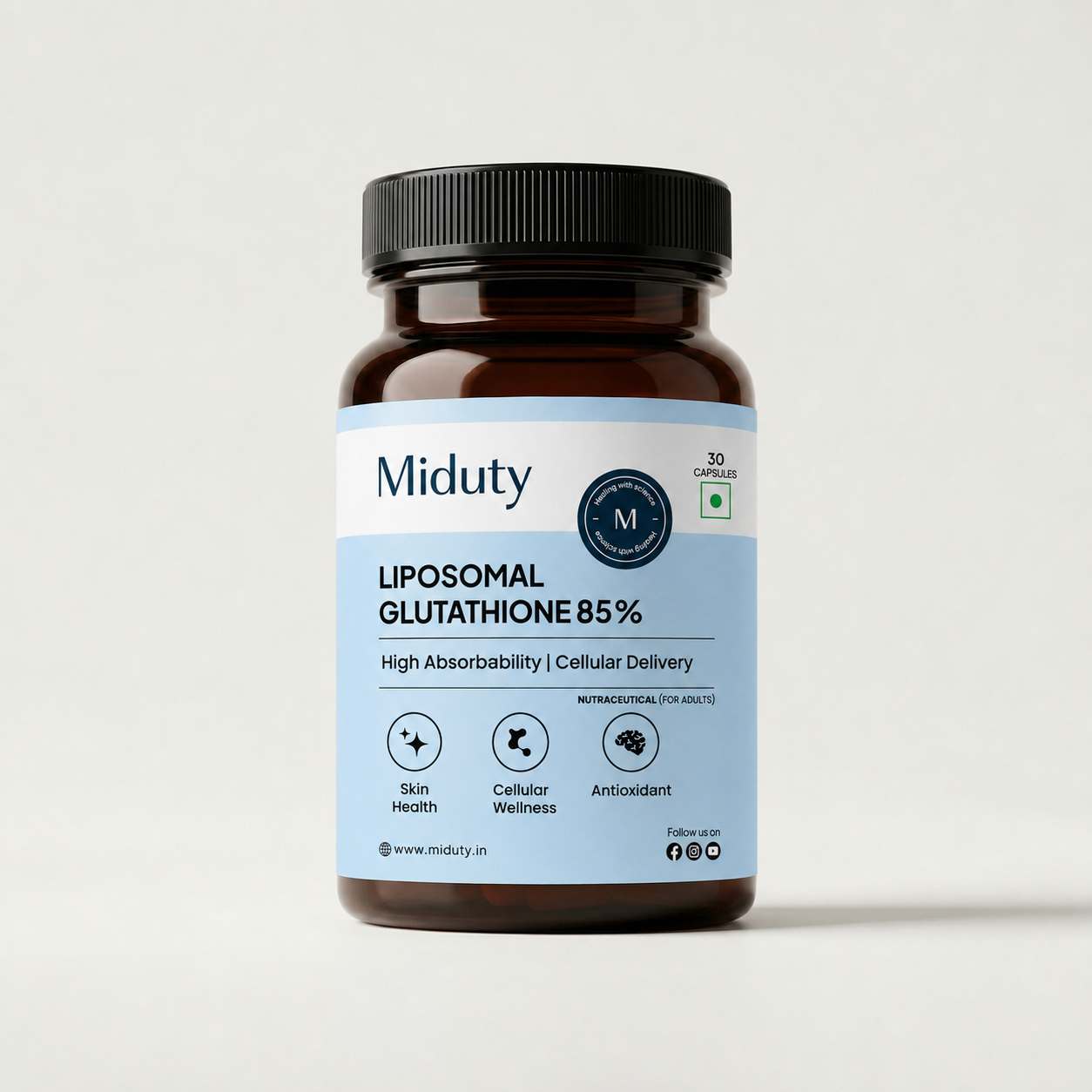
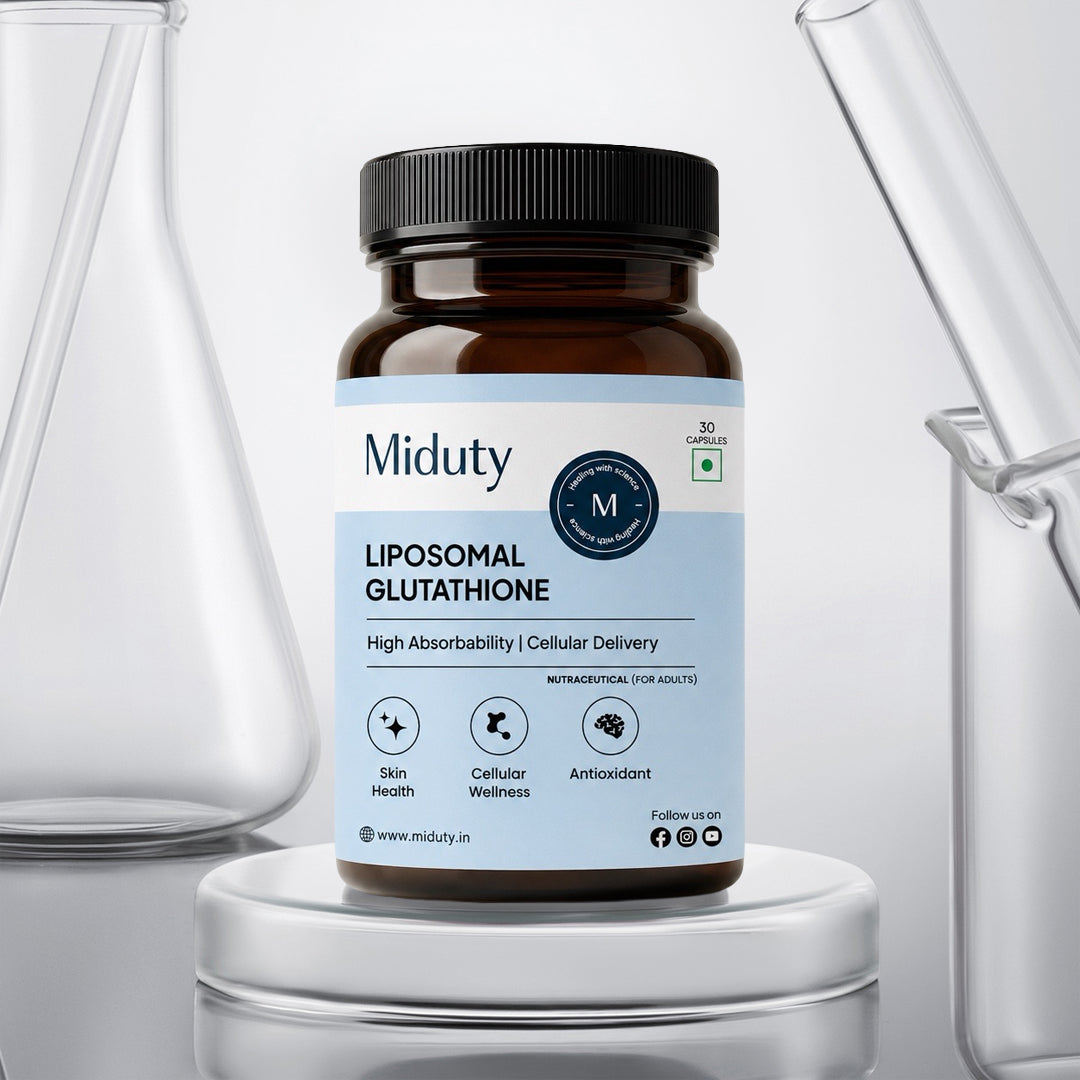
2. Liposomal Glutathione, however, stands out as one of the most effective delivery forms available. Encapsulated within lipid (fat) layers, liposomal technology helps protect glutathione from digestive breakdown and enhances its absorption into the bloodstream and cells. As a result, lower doses of liposomal glutathione may deliver comparable or superior benefits compared to higher doses of conventional glutathione, making it a preferred option for many people seeking efficiency and consistency.
3. Sublingual Glutathione dissolves under the tongue and partially bypasses digestion, offering moderate absorption and typically requiring mid-range doses.
4. Glutathione precursors such as NAC and glycine support the body's own glutathione production rather than supplying it directly, and dosage needs vary based on individual synthesis capacity.
Because absorption differs significantly by form, two people taking the same amount of glutathione may experience very different results—making bioavailability a key factor when choosing a supplement.
Factors That Influence How Much Glutathione You Need?
1. Age: Glutathione production naturally declines with age, which means older adults may benefit from higher or more bioavailable forms.
2. Lifestyle & Environment: Exposure to pollution, smoking, alcohol use, poor sleep, and high stress can significantly deplete glutathione levels.
3. Diet: A diet low in sulfur-rich foods (such as garlic, onions, cruciferous vegetables, and legumes) may reduce the body's ability to synthesize glutathione.
4. Health Status: Chronic inflammation, metabolic stress, and immune challenges can increase glutathione demand.
5. Skin & Aesthetic Goals: Those focused on skin health, pigmentation balance, and protection against oxidative stress may require consistent supplementation over several months.
When and How to Take Glutathione?
1. Timing: Glutathione is often taken on an empty stomach for better absorption, either in the morning or between meals.
2. Divided doses: Splitting your daily dose into two servings may help maintain steady levels.
3. Consistency: Benefits are cumulative; most people notice results after 6–12 weeks of regular use.
4. Pairing with supportive nutrients: Vitamin C, selenium, and certain antioxidants help maintain glutathione in its active form.
Is It Safe to Take Glutathione Daily?
For most healthy adults, glutathione supplementation within recommended ranges is considered safe when used appropriately. Studies show that daily oral supplementation is generally well tolerated.
That said, anyone who is pregnant, breastfeeding, taking medication, or managing a medical condition should consult a healthcare professional before starting high-dose supplementation.
Final Thoughts
So, how much glutathione do you need per day? For most people, 250–1,000 mg daily is a practical and commonly used range, depending on individual goals and lifestyle factors. The best approach is to start with a moderate dose, choose a high-quality and well-absorbed form, and remain consistent.
Glutathione works quietly behind the scenes—supporting cellular health, protecting against oxidative stress, and helping the body maintain balance over time. When used thoughtfully, it can be a valuable addition to a long-term wellness routine. If you're unsure about the right dosage for your needs, consulting a healthcare professional can help personalize your approach and ensure safe, effective use.
FAQ's on Glutathione Dosage -
Q1 - Can I take 1000 mg of glutathione per day?
The appropriate dosage of oral glutathione should be determined in consultation with a healthcare professional. Although research has examined daily doses ranging from 250 mg to 1,000 mg in healthy adults, the optimal amount may vary depending on individual health status, needs, and underlying conditions.
Q2 - What is the Glutathione dosage for skin whitening?
The use of glutathione for skin whitening is widely discussed, particularly in relation to dosage and methods of administration. However, it is important to recognize that skin whitening is not an FDA-approved indication for glutathione. Information on this use is often based on non-regulatory sources, and evidence remains limited. Individuals considering glutathione for this purpose should consult a qualified healthcare professional to discuss potential risks, benefits, and suitability.
Q3 - What is the Glutathione dosage for fatty liver?
In cases of fatty liver disease, including both alcoholic and nonalcoholic forms, clinical studies and medical literature have explored the use of glutathione through various methods of administration. However, it is essential to consult a physician before initiating any glutathione therapy to determine its suitability, discuss the appropriate form of administration, and ensure it does not interfere with existing medical conditions or medications.
Q4 - What to avoid when taking glutathione?
When taking glutathione, it is recommended to avoid alcohol, smoking, excessive caffeine, processed foods, and certain medications such as acetaminophen or chemotherapy drugs, as they may reduce its effectiveness. Limiting dairy, artificial sweeteners, high sugar intake, and sun exposure, staying well hydrated, and separating use from iron or copper supplements may also help. Always consult a healthcare professional, especially if pregnant, breastfeeding, or managing a medical condition.
Q5 - What is the Maximum dosage of glutathione per day?
Glutathione is an antioxidant naturally produced by the liver that supports key bodily functions, including tissue repair, protein and chemical production, and immune system activity. It can also be obtained from foods such as fruits, vegetables, and meats that provide sulfur-rich amino acids.
References