Benefits of Magnesium for Leg Cramps & Muscle Health

If you've ever woken up in the middle of the night with your calf muscles suddenly tightening, leaving you in agony as you try to stretch and relieve the cramp, you're not alone. Leg cramps can strike out of nowhere, often when you're least expecting them, like after a long day of standing, during a workout, or even while you're trying to get some rest at night. They're sharp, painful, and frustrating, making even simple movements feel impossible.
But here's the good news: magnesium might just be the key to preventing and easing those annoying cramps. This mineral is essential for proper muscle function, yet it's often overlooked when it comes to muscle health. If you're dealing with leg cramps regularly, it could be because your body is low on magnesium, which plays a major role in muscle relaxation and overall muscle health.
In this blog, we'll dive into how magnesium helps with leg cramps, why it's so effective, and how you can easily incorporate it into your routine to say goodbye to those painful, disruptive cramps. Let's get started!
Key Takeaways
1. Magnesium Helps Prevent Leg Cramps: Magnesium plays a crucial role in muscle relaxation, electrolyte balance, and improved circulation, which helps reduce the frequency and intensity of leg cramps.
2. Magnesium Bisglycinate is Ideal: For leg cramps, magnesium bisglycinate is highly recommended due to its superior absorption, minimal digestive side effects, and high bioavailability, ensuring your body can efficiently use it.
3. Electrolyte Imbalance and Poor Circulation Can Cause Cramps: An imbalance in electrolytes like magnesium, potassium, and calcium or poor blood circulation can trigger muscle cramps, and magnesium helps regulate these factors to prevent cramping.
4. Magnesium Supports Muscle Recovery: Magnesium helps in muscle recovery by supporting protein synthesis and reducing inflammation, making it particularly beneficial for athletes or people who experience cramps due to muscle fatigue.
5. Consistency and Timing Matter: Taking magnesium consistently, particularly before bed, can help prevent nighttime leg cramps and promote better sleep, as magnesium has a calming effect on the body.
What Causes Leg Cramps?

Leg cramps are sudden, involuntary contractions of the muscles, usually in your calves or feet, but they can happen in other muscles too. They can be pretty intense, lasting anywhere from a few seconds to a couple of minutes. You might notice that cramps tend to strike at night or after you've been sitting or standing for a long time. But what's causing these cramps in the first place?
There are a number of reasons leg cramps might happen:
- Dehydration: When your body isn't properly hydrated, it can lead to muscle cramps. This is especially common after exercise or in hot weather when you're sweating more.
- Electrolyte Imbalance: Electrolytes like magnesium, potassium, and calcium help your muscles function properly. If any of these minerals are out of balance, cramps can occur.
- Poor Circulation: If blood flow to your muscles is restricted, it can cause them to cramp up.
- Overuse or Fatigue: If you've been on your feet for hours or pushed yourself during a workout, your muscles can get fatigued and cramp as a result.
- Pregnancy: Pregnant women often experience leg cramps due to changes in circulation and nutrient needs.
- Medications: Certain medications, like diuretics, can deplete the body's magnesium, leading to cramps.
While most leg cramps go away on their own after a few minutes, they can be painful and disruptive. This is where magnesium comes in.
Benefits of Magnesium For Leg Cramps

Magnesium is essential for proper muscle function. When your body is low on magnesium, it's more likely that your muscles will tighten up and cramp. Here's how magnesium helps prevent and ease leg cramps:
1. Muscle Relaxation
Magnesium plays a crucial role in muscle function by helping muscles contract and then relax properly. When your body is low in magnesium, muscles may not relax as they should, leading to cramps. Magnesium helps by reducing muscle overactivity, which means your muscles can perform at their best without tightening up unnecessarily. [1]
2. Electrolyte Balance
Magnesium helps balance other electrolytes in your body, including calcium and potassium. These electrolytes are responsible for transmitting electrical impulses that control muscle contraction and relaxation. Without enough magnesium, your electrolyte balance is disrupted, making cramps more likely. Magnesium helps regulate these minerals to ensure proper muscle function, reducing the likelihood of cramps. [2]
3. Improved Circulation
Magnesium helps relax blood vessels, improving blood flow and circulation. Poor circulation can prevent muscles from receiving the oxygen and nutrients they need, leading to cramps. When your blood vessels are relaxed, blood can flow more easily to your muscles, delivering the oxygen and nutrients required for them to function properly. If poor blood flow is contributing to your cramps, magnesium can help by promoting healthy circulation and ensuring your muscles get what they need. [3]
4. Prevents Muscle Fatigue
Magnesium is important for energy production in muscles. It supports the function of enzymes that help your muscles produce energy at the cellular level. When you're overworked or tired, magnesium helps prevent your muscles from becoming fatigued too quickly, which can lead to cramps. By maintaining optimal energy levels in your muscles, magnesium can help you avoid the sudden spasms that occur when muscles become fatigued.
5. Supports Protein Synthesis
Magnesium is essential for protein synthesis, which is the process that helps build and repair muscle tissues. After intense exercise, muscles need repair, and magnesium plays a vital role in that process. If your muscles aren't recovering properly due to magnesium deficiency, it can lead to increased muscle soreness and cramping. Magnesium supports muscle recovery, helping your muscles rebuild stronger and more resilient, which can reduce the risk of future cramps. [4]
6. Reduces Inflammation
Chronic inflammation can make your muscles more prone to cramps. Magnesium has natural anti-inflammatory properties that can help reduce swelling and discomfort in your muscles. By reducing inflammation, magnesium helps to alleviate the tension in your muscles that may otherwise trigger cramps.
7. Regulates Nerve Function
Magnesium plays a vital role in nerve signaling. The electrical impulses that trigger muscle contractions are controlled by nerve signals. If magnesium levels are low, the nerves may become overstimulated, leading to involuntary muscle contractions, or cramps. Magnesium helps calm these nerve impulses, preventing excessive muscle contractions and spasms.
8. Balances Hormones
Hormonal fluctuations, especially during pregnancy or menstruation, can lead to muscle cramps. Magnesium helps regulate hormonal balance in the body. For women who experience cramps during pregnancy or menstruation, magnesium can ease cramps by reducing the hormonal imbalances that contribute to muscle spasms.
9. Enhances Muscle Flexibility
Regular magnesium intake can improve muscle flexibility. When muscles are more flexible and less tense, they're less likely to seize up and cramp. Magnesium supports muscle function by enabling them to stretch and move more freely, reducing the chance of cramps, especially in athletes or those who engage in regular physical activity.
How Much Magnesium Do You Need?
Magnesium deficiency is more common than you might think. Many people don't get enough magnesium from their diets, and that can contribute to leg cramps. The general recommended daily intake of magnesium is about 310-420 mg for adults, depending on age and gender. But if you're experiencing frequent leg cramps, you may need a little extra magnesium to get things back in balance.
Magnesium is found in foods like leafy greens, nuts, seeds, and whole grains, but if your diet isn't giving you enough, magnesium supplements are an easy way to make sure you're getting what you need.
When to Take Magnesium for Leg Cramps?
The best time to take magnesium is typically in the evening or before bed. This is because magnesium has a calming effect on the body and can help you relax, making it easier to fall asleep. If you're dealing with cramps that tend to strike at night, magnesium may help prevent them from happening while you sleep.
However, you can also take magnesium earlier in the day if you experience cramps during physical activity or after sitting for long periods. It's up to you when it fits best into your routine.
How to Choose the Best Magnesium for Leg Cramps?
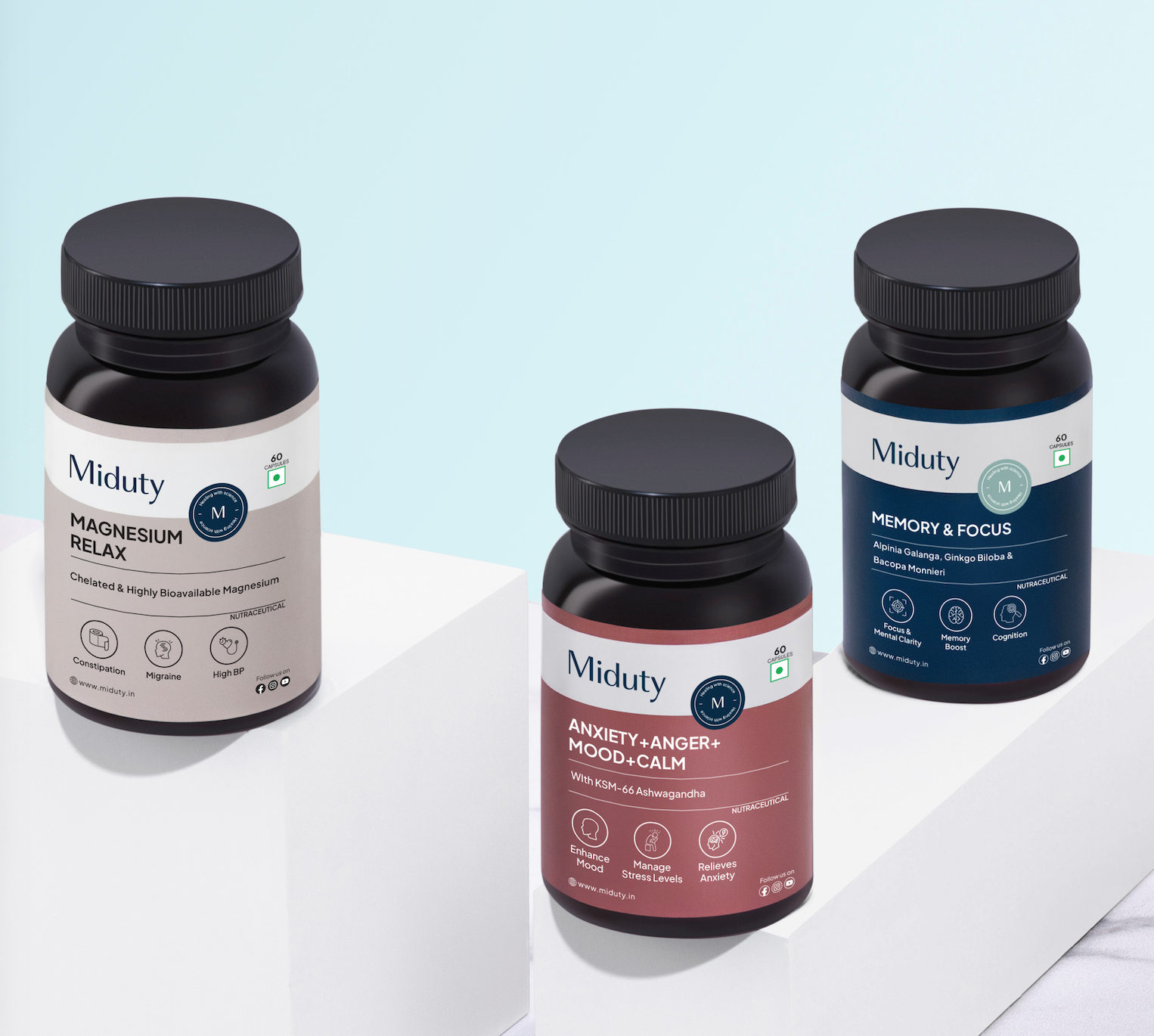
When choosing the best magnesium supplement, it's important to pick one that is highly absorbable and gentle on your digestive system. A Magnesium bisglycinate supplement is often considered one of the best forms because it's chelated, meaning the magnesium is bound to an amino acid (glycine), which helps improve absorption and reduces digestive discomfort. This makes it ideal for those who experience side effects like diarrhea with other forms of magnesium.
Magnesium bisglycinate is also known for its high bioavailability, meaning your body can efficiently use it for muscle relaxation and preventing cramps. Unlike other types, it doesn't irritate the stomach, making it a great choice for people with sensitive digestive systems. So, if you're looking to relieve leg cramps or support overall muscle function, magnesium bisglycinate is a solid, effective choice for maximum benefit.
Conclusion
Magnesium offers a wide range of benefits when it comes to preventing and relieving leg cramps. Whether you struggle with cramps due to dehydration, overuse, poor circulation, or poor muscle relaxation, magnesium works in multiple ways to help your muscles function properly. By supporting electrolyte balance, enhancing circulation, preventing fatigue, and improving overall muscle health, magnesium is a key player in reducing cramps and keeping your muscles happy.
If you're dealing with leg cramps regularly, it might be worth considering magnesium as part of your routine. Not only does it help prevent cramps, but it also promotes overall muscle health, recovery, and relaxation. So, whether you're an athlete, someone dealing with cramps during pregnancy, or just looking for a natural way to relax your muscles, magnesium could be exactly what you need.
FAQ's on Magnesium for Leg Cramps -
Q1 - What type of magnesium is good for leg cramps?
Magnesium Glycinate (or Bisglycinate) is often recommended for leg cramps due to its high absorption and muscle-relaxing glycine. Magnesium Citrate is also effective but may cause digestive upset. Other options like Magnesium Chloride and Malate can be helpful too. Start with a low dose and consider hydration and other minerals (like Calcium and Potassium) for optimal results, according to Dr. Oracle and Verywell Health.
Q2 - What is your body lacking when you have leg cramps?
Leg cramps can result from deficiencies in essential minerals like potassium, calcium, and magnesium, as well as vitamins B1 (thiamine) and B12. These deficiencies cause electrolyte imbalances that interfere with muscle function, contraction, and nerve health.
Q3 - Which is better for leg cramps, magnesium citrate or magnesium glycinate?
Magnesium Glycinate is preferred for leg cramps due to its better absorption, gentler effect on the stomach, and ability to relax muscles without causing diarrhea. Magnesium Citrate also helps but is often used for constipation due to its laxative effect. While both increase magnesium levels, glycinate is better for muscle relaxation and sensitive stomachs, while citrate aids digestion.
Q4 - Can too much magnesium cause leg cramps?
Taking too much magnesium can lead to side effects like cramping, nausea, depression, and low blood pressure. If you notice signs of magnesium toxicity, contact your doctor right away.
Q5 - When is the best time to take magnesium for leg cramps?
For nighttime leg cramps, taking magnesium in the evening or before bed is recommended, as it helps relax muscles and supports sleep. Splitting doses, such as using magnesium citrate in the morning for digestion and glycinate at night for sleep, can also be effective. However, always consult a doctor for personalized advice on type and dosage.
References