Does Biotin Really Work for Hair Growth and Hair Loss?

Key Takeaways
1. Biotin Works Best When There’s a Deficiency: Biotin can support hair growth and reduce hair fall when low biotin levels are the actual reason behind weak or thinning hair.
2. It Supports Keratin Production: Biotin helps the body produce keratin, the key protein that gives hair its strength, structure, and thickness.
3. Hair Results Take Time: Biotin does not work overnight. Consistent use for at least 90 days may be needed to notice visible improvement.
4. Food and Gut Health Matter: Biotin-rich foods like eggs, nuts, seeds, salmon, and sweet potatoes can help, while poor gut health may affect biotin production and absorption.
5. Biotin Is Not a Cure for All Hair Loss: If hair loss is caused by stress, hormones, thyroid issues, genetics, or iron deficiency, biotin alone may not solve the problem.
Watching your hair thin out or seeing strands accumulate in the brush can be incredibly frustrating. In the search for thicker and healthier hair, Biotin (Vitamin B7) is often praised as the ultimate solution. You have probably seen it in shampoo bottles and supplement aisles promising amazing results. But does it really live up to all the hype? While this essential vitamin plays a big role in building the proteins that structure your hair, it is not a magic cure for everyone. Let's look at the actual science behind how biotin works, when it genuinely helps, and how to know if a deficiency is the real reason behind your hair issues.
What is Biotin and is it Good for Hair Growth?
Biotin is a B vitamin, also called Vitamin B7. The body uses it to convert food into energy. It supports fat, protein, and carbohydrate metabolism.
It is water-soluble. The body does not store it, so you need it daily. Good sources include eggs, nuts, seeds, salmon, and sweet potato.
A PubMed study confirms biotin is essential for normal body function. Deficiency can affect multiple systems.
Is Biotin Good for Hair Growth?
Yes. Biotin works best when deficiency is the actual cause of hair loss.
- It supports keratin production. Hair is made of keratin. Low biotin weakens it.
- Around 38% of women with hair loss were found to be biotin deficient.
- Some studies showed reduced hair fall and better volume after 90 days of supplementation.
- A healthier scalp environment also supports better hair growth overall.
Biotin is not a miracle fix. But if deficiency is the root cause, it genuinely makes a difference. Get your levels checked first.
Does Biotin help prevent Hair Loss?
Biotin does help with hair loss. But only if you are actually deficient in it.
That is the part most people miss. They buy a biotin supplement, take it for a month, and wonder why nothing changed. The reason is simple. If your body already has enough biotin, adding more does not do much.
Here is what the research says. A National Library of Medicine study found that 38% of women dealing with hair loss were actually biotin deficient. That is a big number. And in those cases, supplementing with biotin showed real improvement.
Biotin helps the body produce keratin. That is the protein your hair is literally made of. Without enough of it, hair gets thin, weak and breaks easily.
So does it work? Yes, when there is an actual deficiency. If your hair loss is from stress or hormones, biotin alone will not fix that.
How do you know if you have a Biotin Deficiency?
Most people have no idea they are deficient. That is the tricky part.
There is no obvious sign that screams biotin deficiency. It shows up quietly. Hair thinning is usually the first thing people notice. Then brittle nails. Sometimes a scaly rash around the nose or mouth. Fatigue that does not go away no matter how much you sleep.
Some people also notice their hair is not just falling but breaking mid-shaft. That is a keratin problem. And biotin is directly linked to how well your body produces keratin.
Certain people are more at risk. Pregnant women. People who drink heavily. Anyone who eats a lot of raw egg whites. Long term antibiotic use can also deplete biotin because it disrupts gut bacteria that help produce it naturally.
The only way to know for sure is a blood test. Symptoms alone can be misleading. Always check before you supplement.
A study published on PubMed found that biotin deficiency was present in 38% of women complaining of hair loss, yet only 11% had any known risk factor for it. Meaning most of them had no obvious reason to be deficient. They simply were.
Biotin is produced naturally in your gut by bacteria. So if your gut health is poor, your body may not be making enough even if your diet is decent. This is why people with digestive issues or on long term antibiotics are more prone to deficiency.
Benefits of Biotin for Hair Growth

- Stronger Hair Shaft: Biotin helps the body make keratin. That is the protein hair is built from. More keratin means less breakage.
- Less Hair Fall: When biotin levels are low, hair sheds more than it should. Fixing the deficiency helps bring that back to normal.
- Faster Growth Cycle: Biotin supports the anagen phase. That is the active growth stage of your hair. Better biotin levels keep hair in that phase longer.
- Thicker Looking Hair: Hair strands become fuller when keratin production improves. Not overnight, but over time.
- Healthier Scalp: Biotin also supports the skin. A healthier scalp creates a better environment for hair to grow from the root.
Daily Needs and Biotin-rich Foods
- How much do you actually need: The recommended daily intake for adults is 30 mcg per day. Pregnant women need a little more, around 35 mcg. Most people can meet this through food alone.
- Eggs are the easiest source: One whole cooked egg gives you roughly 10 mcg of biotin. Make sure it is cooked. Raw egg whites block biotin absorption completely.
- Nuts and seeds work well too: Almonds, walnuts and sunflower seeds are decent sources. Easy to snack on and good for overall hair health as well.
- Meat and organ meats are high in biotin: Liver especially. Not everyone eats it but it is one of the richest sources available. Even chicken and salmon carry a good amount.
- Sweet potato is underrated: One cooked sweet potato has about 2.4 mcg of biotin. Not the highest but it adds up when combined with other foods.
- Dairy counts too: Milk, cheese and yogurt all contain small amounts of biotin. Good to include if you are trying to maintain levels through diet.
- Spinach and broccoli help: Not as rich as animal sources but still contribute. Good for people on plant based diets who need to stack sources.
- Bananas are a simple add: One banana gives around 0.2 mcg. Small amount but it is something most people already eat daily.
- Supplements fill the gap: When diet is not enough, supplements come in. Most over the counter biotin supplements range from 1000 to 5000 mcg, which is far above the daily requirement. Always check with a doctor before going high dose.
- Gut health affects how much you absorb: Your gut bacteria actually produce some biotin on their own. Poor gut health or long term antibiotic use can reduce that. Fixing gut health can quietly improve biotin levels without any supplements.
A review published on PubMed confirmed that biotin deficiency directly impacts keratin production, which is the structural foundation of hair. The study noted that while true deficiency is uncommon in healthy individuals eating a balanced diet, certain groups including pregnant women, people with digestive conditions, and those on long term medications are at noticeably higher risk.
How to Take Biotin?
Most people do fine with 30 mcg daily through food. But if you are supplementing, the numbers look different.
Over the counter biotin supplements typically range from 1000 to 5000 mcg. For hair related concerns, most studies have used doses between 2500 and 5000 mcg daily. Always take it with food. Biotin is fat soluble enough that a meal helps absorption.
Consistency matters more than the dose. At Miduty, we recommend taking biotin daily for at least 90 days to see real results. Pair it with a balanced diet, fix your gut health if needed, and let the supplement do its job properly over time.
Side Effects and Precautions
- Acne: High doses can cause breakouts, mostly around the chin and jawline.
- Affects Lab Tests: Biotin can skew thyroid and hormone test results. Stop taking it at least 48 hours before any blood test.
- More is not Better: The body flushes out excess biotin. A sensible dose works better than a very high one.
- Stomach Upset: Taking it on an empty stomach can cause mild nausea. Always take it with food.
- Not a fix for Everything: If hair loss is severe, get tested first. Biotin alone cannot fix thyroid or iron related hair loss.
Should you take a Biotin Supplement?
Yes, a biotin supplement is highly effective if you are dealing with hair thinning or breakage caused by a nutritional gap or poor gut health. Since your body cannot store this water-soluble vitamin, bridging that gap with a clean, well-formulated option makes a world of difference.
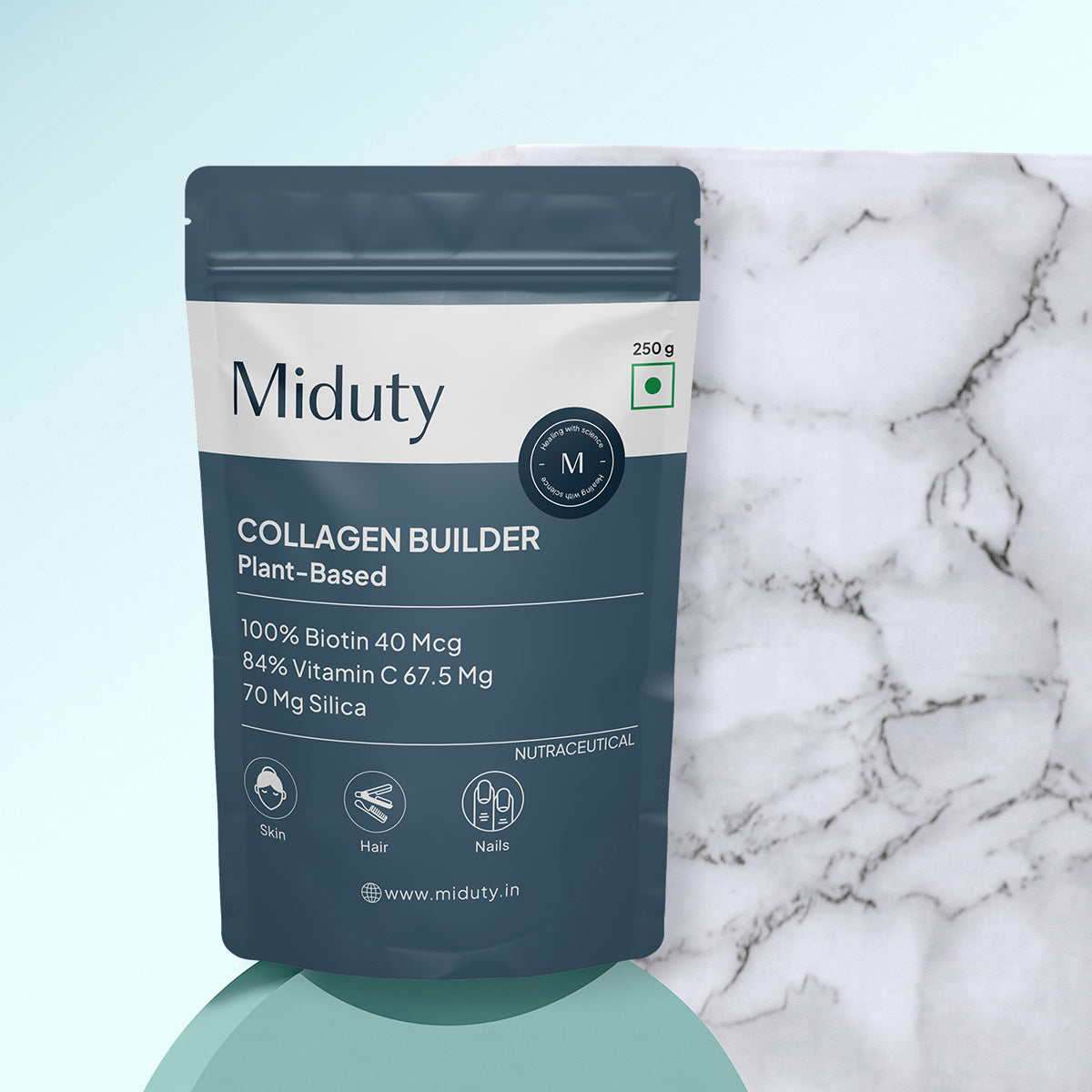
If you are looking for a reliable choice, the Miduty Biotin Supplement is designed exactly for this purpose. Rather than just giving you a temporary fix, it focuses on deep root nutrition to support your body's natural keratin production.
However, before you start taking it, keep these essential factors in mind:
- Check for Actual Deficiency: Look out for signs like brittle nails, chronic fatigue, or hair breaking mid-shaft.
- Give it Time: Hair grows slowly. You will need to take it consistently for at least 90 days to see real, structural changes in your hair volume.
- Rule out other Causes: If your hair loss is triggered by severe stress, thyroid issues, or genetics, a vitamin supplement won't fix it alone.
Starting with a high-quality option like Miduty, alongside a balanced diet, is a smart and safe step toward getting your hair health back on track.
Conclusion
At the end of the day, biotin is a great helper for your hair, but it only makes a real difference if a lack of nutrition is what is causing your hair problems. If your body is genuinely low on biotin, adding biotin-rich foods or a supplement can noticeably improve your hair strength and volume within a few months. However, if your hair loss is actually caused by stress, genetics, or hormones, biotin alone will not fix it. Instead of rushing to buy high-dose pills, it is much better to focus on a balanced diet, take care of your gut health, and talk to a doctor to find out exactly what your hair needs to grow.
FAQ's on Biotin for Hair Growth -
Q1. Does biotin really help with hair growth?
Biotin supports keratin production, which strengthens hair. It works best if you have a deficiency. For those with normal levels, results may be minimal.
Q2. How long does biotin take to show results for hair?
Most people notice a difference in 3 to 6 months. Hair growth is slow, so consistency with daily intake matters more than anything else.
Q3. Can biotin stop hair fall completely?
No, biotin cannot stop hair fall completely. It helps if deficiency is the cause. Hair fall from hormones, stress or genetics needs a different approach.
Q4. Is biotin deficiency common in Indians?
Yes, it is fairly common. Diets low in eggs, nuts and meat, along with gut health issues, can reduce biotin absorption in many Indians.
Q5. Is it safe to take biotin daily?
Yes, biotin is water soluble and generally safe for daily use. Excess is flushed out through urine. Sticking to recommended doses is still advisable.
Q6. Does biotin help with hair thinning?
It can help with thinning caused by nutritional gaps. Biotin strengthens the hair shaft and may reduce breakage, making hair appear fuller over time.
Q7. Can too much biotin cause side effects?
Very high doses may cause skin breakouts or interfere with certain lab test results. For most people, standard doses do not cause noticeable side effects.
Q8. Should men and women both take biotin for hair loss?
Yes, both can benefit. Biotin supports hair health regardless of gender. However, identifying the actual cause of hair loss is important before starting supplementation.
Q9. Will biotin alone grow my hair quicker?
Not significantly. Biotin is one piece of the puzzle. Diet, sleep, scalp health and overall nutrition all play an equal role in hair growth speed.
Q10. How much biotin should I take daily?
30 mcg is the standard daily requirement. Supplements typically range from 1000 to 5000 mcg. Always check with a doctor before taking higher doses.
Q11. Will biotin help those with stress-related hair loss?
Stress-related hair loss is mostly hormonal and not linked to biotin deficiency. Biotin may support overall hair health but will not directly address stress-triggered shedding.
Q12. Is biotin better or minoxidil for hair growth?
They work differently. Minoxidil is clinically proven to regrow hair and is stronger. Biotin supports hair nutrition. For significant regrowth, minoxidil has more evidence behind it.
Q13. What is a negative side effect of biotin?
The most commonly reported issue is acne, especially on the chin and jawline. High doses can also skew thyroid and hormone lab test readings.
Q14. How much biotin is in 2 eggs?
Two whole cooked eggs provide roughly 20 mcg of biotin. That covers a good portion of the daily requirement and is a simple dietary source.
References