10 Best Anti-Aging & Longevity Supplements (Backed by Science)

Key Takeaways
1. Aging is inevitable, but the process depends on the habits you have every day. There are several supplements that promote healthy aging; however, they are best used in combination with a proper diet, exercise, sleep, and stress relief.
2. Not all "longevity supplements" will meet your expectations and prove to be beneficial. Omega-3s, vitamin D3, magnesium, creatine, CoQ10, collagen, and vitamin B12 are supported by more scientific evidence than trendy substances mentioned in the news lately.
3. Don't concentrate on your chronological age; focus on your biological one instead. By helping your muscles, brain, bones, heart, and cells remain healthy, you will ensure yourself to stay active and independent in the future.
4. Supplements such as NMN, resveratrol, spermidine, and fisetin are new and promising, but their science is far from being developed enough to consider using them as a replacement for well-researched substances.
5. Choose supplements only after thorough consideration. Try to use clinically studied substances with proper dosages, which have been tested for quality, and consult a physician if you suffer from any diseases and use prescribed medication.
You don't suddenly become "old." It happens quietly.
Recovery after a workout takes an extra day. You start reading labels because your cholesterol isn't where it used to be. A poor night's sleep throws off your entire week instead of just your morning. None of these changes happen overnight, yet together they tell the same story: your body is repairing itself a little more slowly than it once did.
That's why conversations around anti-aging supplements have shifted over the last few years. The focus isn't looking younger anymore. Researchers are asking a different question altogether: can we stay healthier for longer?
The answer isn't as dramatic as social media makes it sound. No vitamin, herb, or capsule can stop aging. If it could, every scientist on the planet would be talking about nothing else.
What some supplements can do is support the biological systems that naturally weaken with age. Think healthier mitochondria, better antioxidant defenses, stronger bones, improved muscle function, or lower levels of chronic inflammation. Small improvements, yes. But over decades, small improvements matter.
The challenge is separating supplements backed by human studies from those backed mainly by marketing.
What Does "Anti-Aging" Actually Mean?
The term "anti-aging" has become a bit of a marketing mess. For one company, it means fewer wrinkles. For another, it's about glowing skin. Others use it to sell products that promise everything from sharper memory to a longer lifespan. Science looks at it differently.
Researchers usually measure something called biological aging. In simple terms, that's how well your body is functioning compared to your actual age. Two people can both be 60 years old on paper and still have very different biological ages depending on factors like nutrition, exercise, sleep, smoking history, stress, and genetics.
Your cells don't really care what year you were born. They care about damage. Every day, your body deals with free radicals, inflammation, DNA damage, and normal wear and tear. Fortunately, it also has repair systems working around the clock. As you grow older, those repair systems simply become less efficient.
That's where nutrition enters the picture. Supplements aren't designed to reverse aging. The better ones simply provide nutrients or compounds that help support processes your body is already trying to carry out. It's a subtle difference, but an important one.
Can Supplements Slow Biological Aging?
This is probably the question everyone wants answered. Can swallowing a few capsules every morning actually slow aging? Not on their own. If your diet revolves around takeaways, you sleep five hours a night, and physical activity means walking to the fridge, supplements won't perform miracles. They're additions, not replacements. Having said that, dismissing them completely wouldn't be fair either.
Over the past two decades, researchers have identified several nutrients that appear to support healthy aging through different mechanisms. Some help reduce oxidative stress. Others support mitochondrial energy production. A few help preserve muscle, bone, or cognitive function as we get older.
Maintaining adequate nutritional status is closely linked with healthier physical function and independence in older adults. Likewise, studies in the journal Nutrients continue to show that certain vitamins, minerals, and omega-3 fatty acids may help reduce chronic low-grade inflammation, a process many scientists now consider one of the driving forces behind age-related decline.
Notice the wording, though. May help. That's how good science works. It rarely deals in guarantees.
10 Best Anti-Aging Supplements Backed by Science

1. Omega-3 Fatty Acids
Fish oil has had an interesting reputation over the years. One month it's the greatest supplement ever discovered. The next month someone declares it's completely useless. Then another large study comes along, and suddenly it's back in the headlines. Despite all that noise, omega-3s have remained surprisingly consistent in scientific research.
EPA and DHA, the two main omega-3 fatty acids, form part of your cell membranes. They're especially concentrated in the brain and eyes, but their influence extends much further. Researchers have linked adequate omega-3 intake with cardiovascular health, healthy inflammatory responses, and cognitive function as people age.
According to research published in the BMJ, individuals with higher omega-3 status were more likely to experience healthier aging than those with lower levels.
That's not proof that fish oil makes you live longer. It does suggest that maintaining adequate omega-3 intake supports systems that naturally become more vulnerable with age.
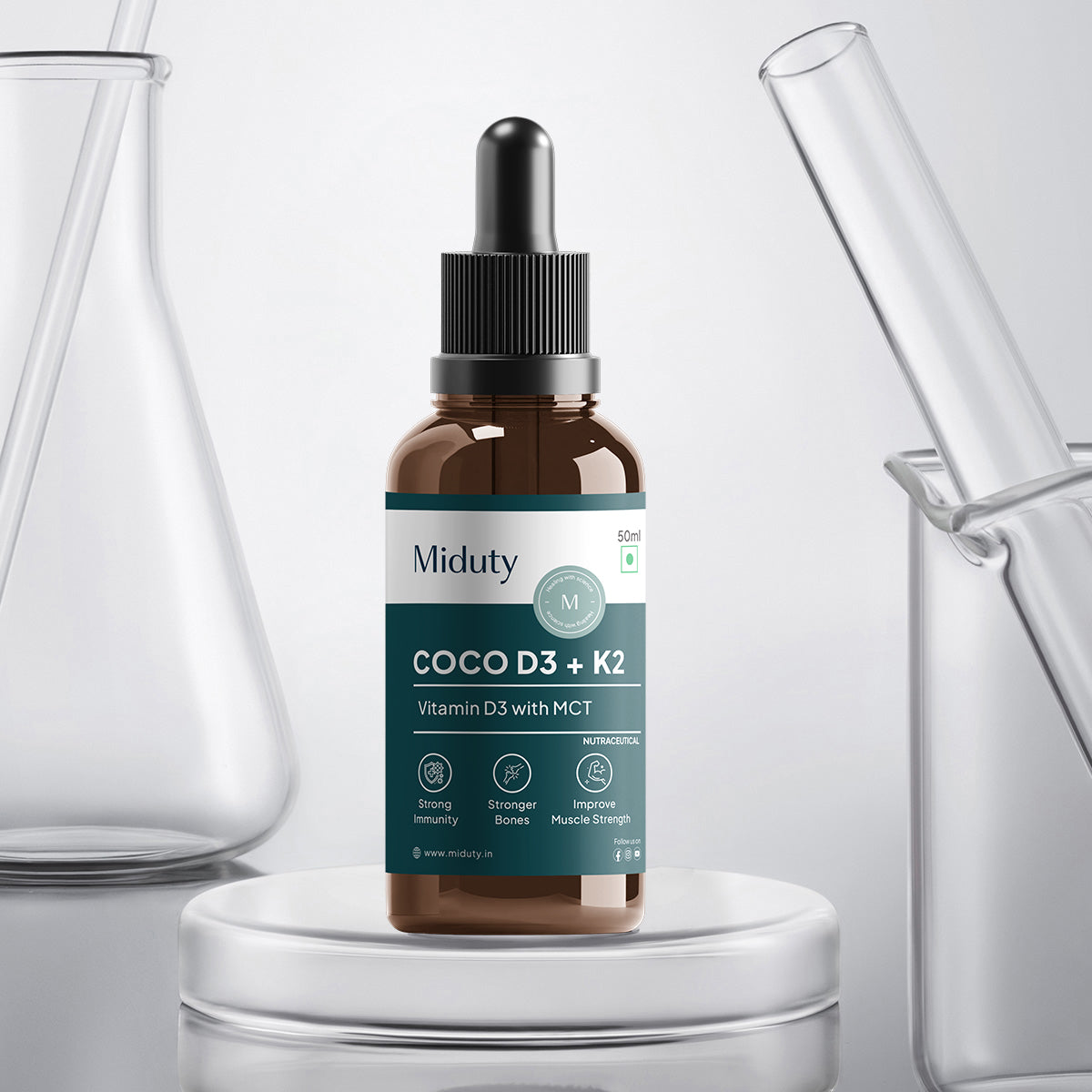
2. Vitamin D3
Here's something most people don't expect. Vitamin D deficiency isn't limited to countries with cold weather. Plenty of people living in sunny climates still have low levels because they spend most of their day indoors.
Vitamin D behaves more like a hormone than a typical vitamin. It helps regulate calcium absorption, supports immune function, influences muscle performance, and plays a role in maintaining bone strength.
Those jobs become increasingly important as the years pass. Research published in Therapeutic Advances in Musculoskeleton Diseases has shown that correcting vitamin D deficiency can improve musculoskeletal health and reduce the risk of falls in older adults.
More isn't always better, though. Vitamin D is one of those nutrients where testing first often makes more sense than guessing.
3. Magnesium
Magnesium rarely gets the attention it deserves. People usually start looking into it after something goes wrong. Poor sleep. Muscle cramps. Constant fatigue. Sometimes it's an abnormal blood report. Sometimes it's simply curiosity.
Either way, magnesium has already been working behind the scenes for years. It participates in hundreds of enzymatic reactions involved in energy production, muscle contraction, nerve signaling, and blood sugar regulation. According to research published in the journal Nutrients, maintaining healthy magnesium intake is associated with better metabolic health and physical function in aging adults.
Will one capsule transform your energy overnight? Probably not. But correcting a long-standing deficiency often feels far more noticeable than people expect.
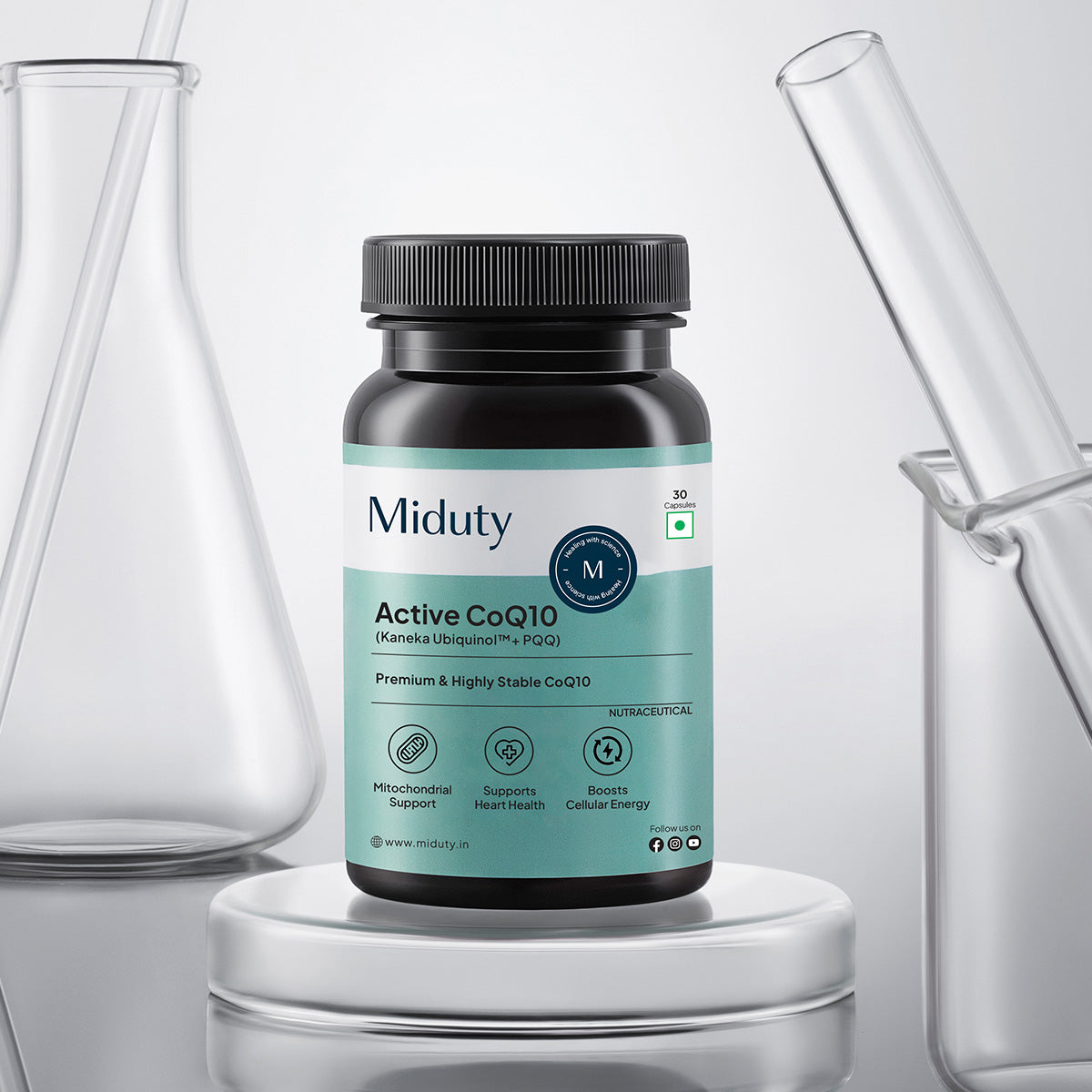
4. Coenzyme Q10 (CoQ10)
Every cell in your body needs energy to function. That energy comes from tiny structures called mitochondria, and CoQ10 helps keep the process moving. The catch is that natural CoQ10 production gradually declines as we age. Certain medications, particularly statins, may lower it even further.
Researchers have spent years studying whether replacing some of that lost CoQ10 offers measurable benefits. Results have been encouraging, especially in areas like cardiovascular health and cellular energy production.
According to research published in the journal Nutrients, CoQ10 also functions as an antioxidant, helping protect cells from oxidative stress, a process strongly associated with biological aging. It's hardly a miracle nutrient. Still, it's one of the better-researched longevity supplements available today.
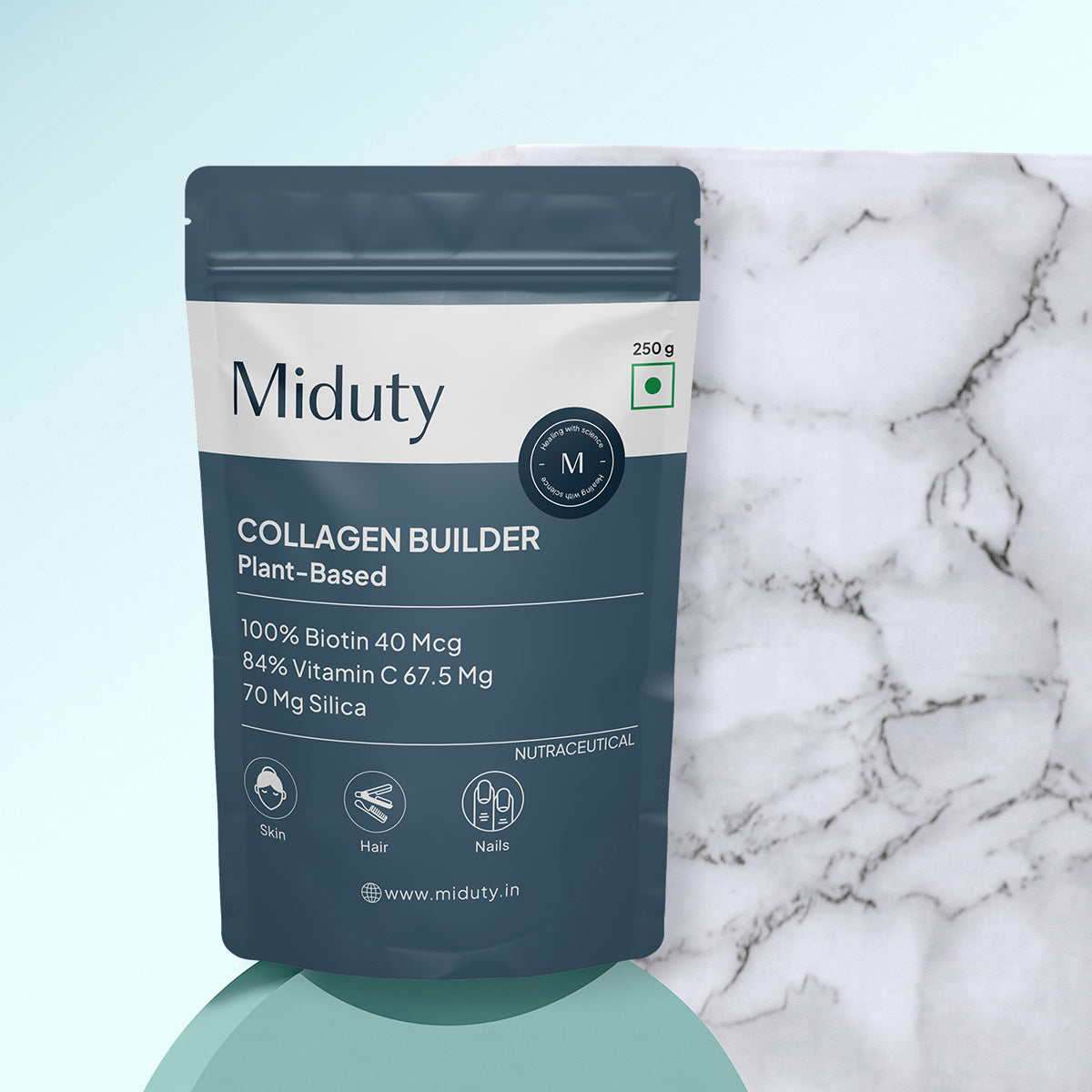
5. Collagen Peptides
You don't notice collagen disappearing. Until one day you do. Skin doesn't bounce back quite the way it used to. Knees complain after long walks. Recovery feels slower. That's because collagen production gradually declines from early adulthood onwards. Supplementing with hydrolysed collagen peptides won't suddenly erase decades of aging, but several clinical studies suggest it can support skin elasticity, hydration, and joint comfort when taken consistently.
According to research published in the Journal of Cosmetic Dermatology, adults taking collagen peptides for several weeks experienced measurable improvements in skin elasticity and hydration compared with placebo groups.
Consistency matters here. Taking collagen for five days and deciding it "doesn't work" is a little like joining a gym on Monday and expecting visible abs by Friday. Most studies reporting benefits looked at daily supplementation over at least two to three months.
6. Creatine Monohydrate
Creatine has one of the worst reputations in the supplement world. Mention it, and most people picture bodybuilders chasing bigger biceps. That's a shame because creatine isn't just for the gym crowd. Your muscles use it, yes. So does your brain. Every time your body needs quick energy, creatine steps in to help regenerate ATP, the molecule your cells run on.
That matters even more as you get older. One of the biggest predictors of healthy aging isn't body weight or even cholesterol. It's muscle. People who maintain muscle strength generally stay active, recover faster, and remain independent for longer. Creatine, when paired with resistance training, consistently improves strength and lean muscle mass in older adults.
It's one of those rare supplements that's inexpensive, heavily researched, and still underestimated.
7. Vitamin B12
Growing older changes more than your appearance. It also changes how efficiently you absorb nutrients. Vitamin B12 is a perfect example. Even if you're eating enough of it, reduced stomach acid can make absorption less efficient with age. That's one reason B12 deficiency becomes increasingly common after 50. The symptoms don't always scream "vitamin deficiency." Instead, they creep in quietly, persistent fatigue, brain fog, tingling in the hands and feet, and poor memory. Many people simply blame aging.
Maintaining healthy vitamin B12 levels supports neurological function and cognitive health as we age. If you're vegetarian or vegan, the conversation becomes even more important because reliable dietary sources are limited.
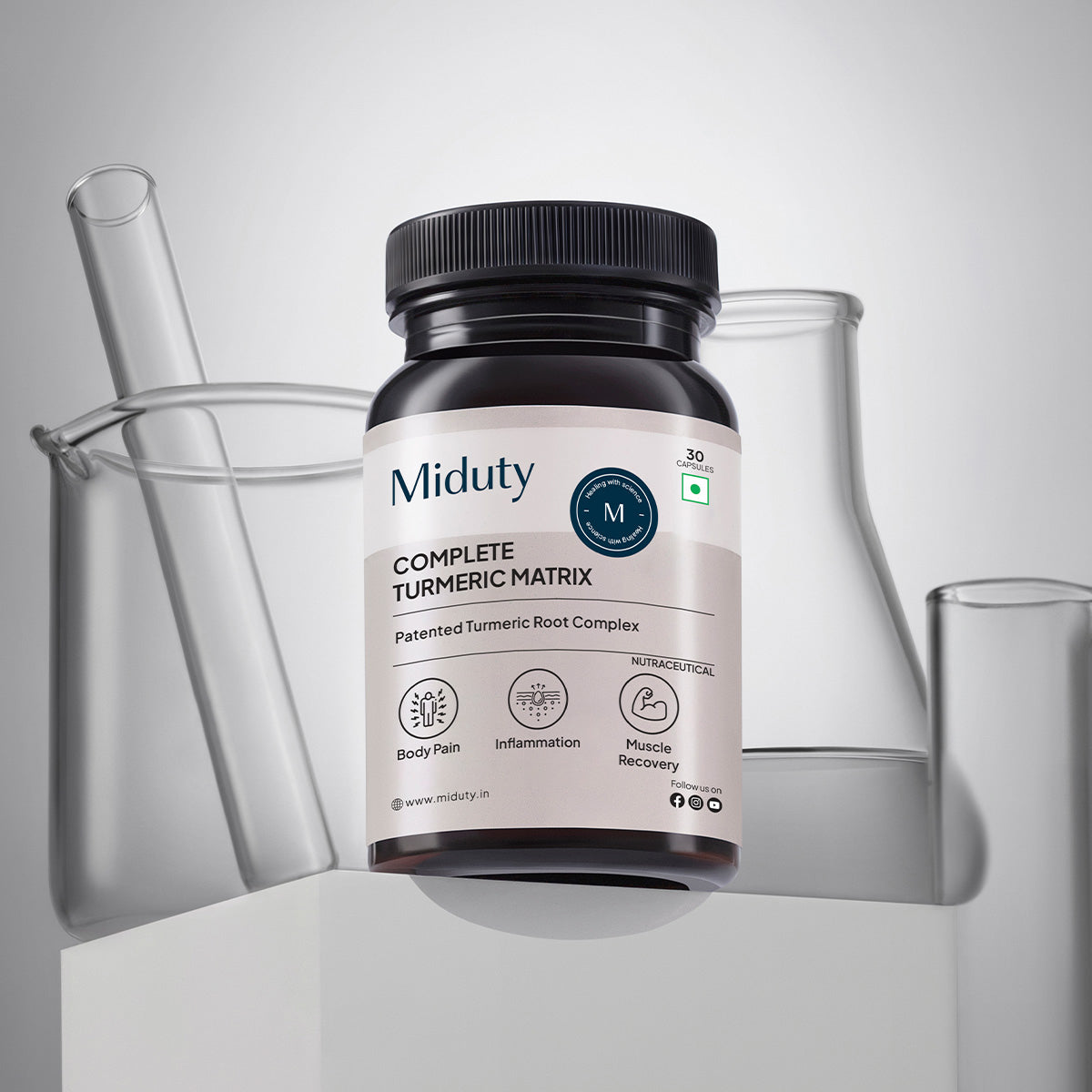
8. Curcumin
Inflammation isn't always obvious. Sometimes it's visible as swollen joints. Other times it's happening silently for years, gradually wearing down tissues without causing noticeable symptoms.
Curcumin, the active compound in turmeric, has attracted attention because of its ability to influence inflammatory pathways. Curcumin supplementation has shown promise in reducing markers of inflammation and oxidative stress, two processes closely linked with biological aging.
There's one catch, though. Curcumin isn't absorbed particularly well on its own. Products combined with piperine or advanced delivery technologies generally offer much better bioavailability than plain turmeric powder.
9. Probiotics
Your gut isn't just digesting lunch. It's constantly communicating with your immune system, your metabolism, and surprisingly, even your brain. Scientists now refer to this as the gut-brain axis, and it's become one of the fastest-growing areas of longevity research.
As you age, the diversity of beneficial gut bacteria tends to decline. Diet, medications, stress, and illness all play a role. That doesn't mean everyone needs a probiotic. It does mean your gut deserves more attention than it usually gets.
The best probiotic isn't necessarily the one with the highest number of bacteria. Different strains serve different purposes, which is why choosing clinically studied strains makes far more sense than chasing the biggest number on the label.
10. Protein
If there were one nutrient almost everyone over 50 should think more about, it would probably be protein. Not because protein powders are trendy. Because muscle becomes harder to maintain with age.
Researchers call this anabolic resistance. In simple terms, your muscles stop responding to protein as efficiently as they once did. That's one reason older adults often need more dietary protein than younger adults.
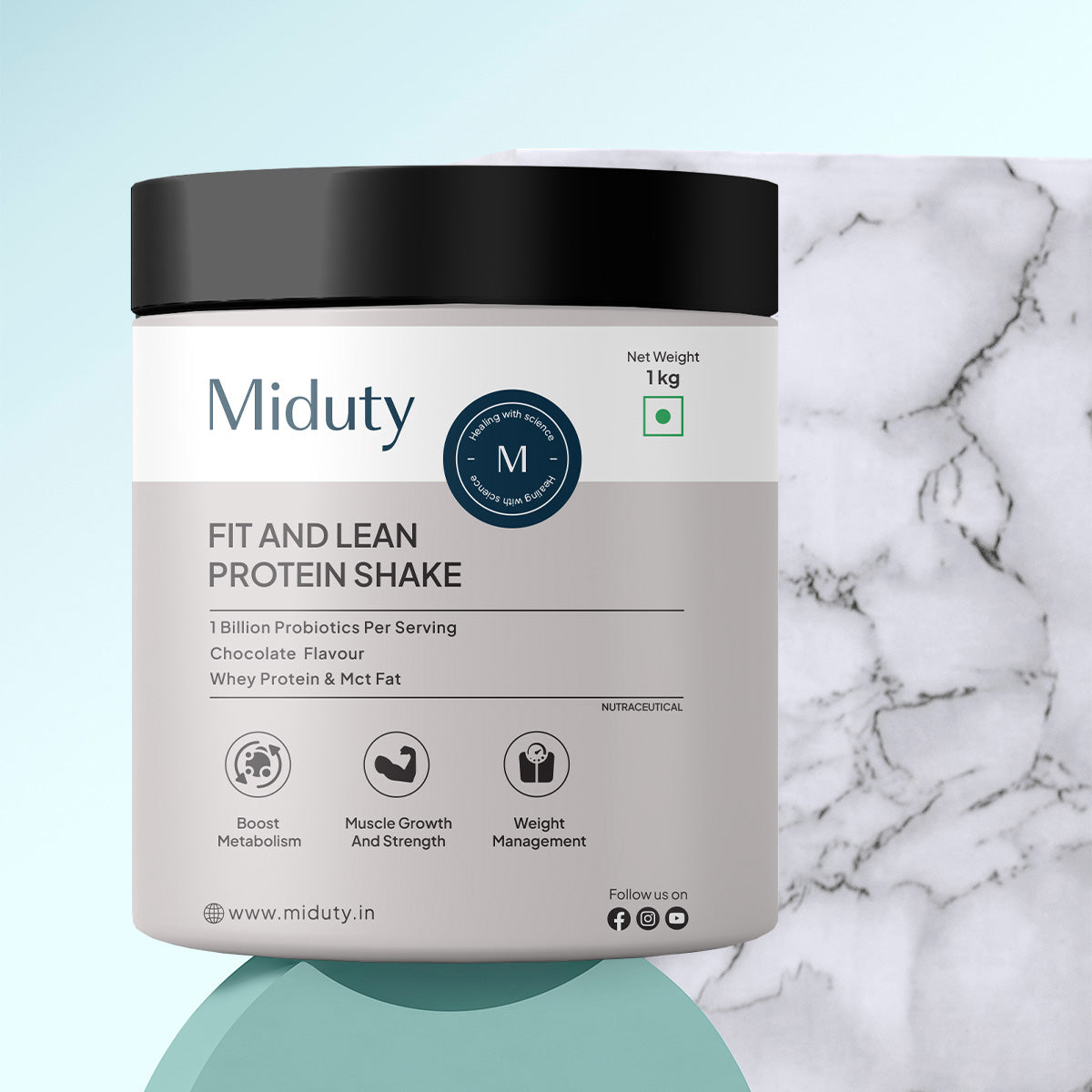
A quality protein supplement isn't a shortcut to longevity, but it can make meeting your daily protein target much easier, especially if your appetite isn't what it used to be. Combined with regular strength training, adequate protein intake helps preserve muscle, supports recovery, and keeps everyday movements feeling easier.
How Were the Best Anti-Aging Supplements Selected?
The supplement industry loves bold promises. Scientists don't. That's why this list wasn't built around the latest trend or whichever ingredient happened to go viral on social media. Every supplement included here has something more valuable behind it, human clinical research.
The selection focused on four simple questions. Does it have credible evidence in people rather than just in animals? Is there a biological reason it should work? Has it shown benefits that can realistically support healthy aging? And perhaps most importantly, does it have a good safety record when used appropriately?
If the answer wasn't convincing, it didn't make the main list.
Popular Longevity Supplements With Emerging or Inconclusive Evidence
Some ingredients dominate podcasts and YouTube videos. The science, however, is still catching up.
1. Resveratrol
Resveratrol became famous after researchers discovered it in grapes and red wine. It might activate pathways linked with longevity, but human trials haven't produced equally exciting results. It's promising, just not proven.
2. NMN and Nicotinamide Riboside
Few supplements have generated as much excitement as NMN and Nicotinamide Riboside. Both aim to increase NAD+, a molecule involved in cellular energy production. Animal studies are encouraging, and early human trials suggest they can raise NAD+ levels. Whether that translates into meaningful improvements in lifespan or healthy aging remains an open question.
Anti-Aging Supplements for Men vs Women
Considerations for Women
Women's nutritional needs shift during different stages of life, especially around menopause. Bone health, vitamin D, collagen, magnesium, and adequate protein intake often become bigger priorities as estrogen levels decline. Individual health history matters far more than following a one-size-fits-all supplement routine.
Considerations for Men
For men, maintaining muscle mass, cardiovascular health, and metabolic function usually takes center stage with age. Nutrients such as creatine, omega-3 fatty acids, magnesium, vitamin D, and CoQ10 are often discussed because they support systems that naturally decline over time.
How to Choose a High-Quality Supplement?
A long ingredient list isn't automatically a good sign. Look beyond the marketing claims. Check whether the product uses clinically studied ingredients, provides transparent dosages, and undergoes third-party quality testing. If a company hides everything inside a proprietary blend, that's usually a reason to be cautious.
One more thing, be skeptical of products promising dramatic anti-aging results in a matter of weeks. Biology simply doesn't move that fast.
Can Anti-Aging Supplements Cause Side Effects?
Absolutely. Even well-researched supplements can cause problems if they're taken in the wrong dose or combined with certain medications. Fish oil may interact with blood thinners. Too much vitamin D can lead to excessive calcium levels. Magnesium can upset the stomach in some people, while herbal ingredients may interfere with prescription medicines. Supplements should fill nutritional gaps, not create new ones.
When Should You Speak to a Healthcare Professional?
If you're taking medication for diabetes, blood pressure, thyroid disorders, or heart disease, speak with your healthcare provider before adding new supplements. The same advice applies if you're pregnant, breastfeeding, or planning to take several supplements together. Sometimes the smartest first step isn't buying another bottle; it's getting a blood test to find out what your body actually needs.
Conclusion
The biggest mistake people make is looking for the anti-aging supplement. There isn't one. Healthy aging comes from stacking small advantages over time. Better sleep. Resistance training. A nutrient-dense diet. Managing stress. And when there's a genuine need, using supplements with solid scientific backing rather than clever marketing.
The evidence today strongly supports nutrients like omega-3 fatty acids, vitamin D3, magnesium, creatine, CoQ10, collagen peptides, and vitamin B12 for supporting healthy aging. Others, including NMN, spermidine, fisetin, and resveratrol, remain exciting areas of research, but they haven't earned the same level of confidence yet.
Longevity isn't about chasing another birthday. It's about making sure your body is still capable of enjoying it.
FAQs on Anti-Aging and Longevity Supplements -
Q1. Can Antioxidant Supplements Slow Aging?
Antioxidant supplements don't stop aging, but they may help protect your cells from oxidative stress, one of the factors linked to age-related decline. Their biggest benefit comes when they're paired with a healthy diet and lifestyle.
Q2. What is the Most Scientifically Proven Anti-Aging Supplement?
There isn't a single best anti-aging supplement. However, omega-3 fatty acids, vitamin D, creatine, magnesium, CoQ10, and vitamin B12 have some of the strongest human research supporting healthy aging.
Q3. At What Age Should Someone Start Anti-Aging Supplements?
There's no magic age to start. Your nutritional needs depend more on your diet, health status, and lifestyle than your birth date. Many people begin considering certain supplements in their 30s or 40s, while others may only need them later in life.
Q4. How Long Do Anti-Aging Supplements Take to Work?
It depends on the supplement and your body's needs. Some nutrients can improve deficiencies within weeks, while benefits like healthier skin, stronger muscles, or better mobility may take two to three months of consistent use.
Q5. Who Should Be Careful With Anti-Aging Supplements?
People who are pregnant, breastfeeding, have chronic medical conditions, or take prescription medications should speak with a healthcare professional before starting any supplement. Even natural ingredients can interact with medications.
Q6. Is Creatine Good for Healthy Aging?
Yes. Creatine is one of the most researched supplements for preserving muscle strength and physical performance as you age. Emerging evidence also suggests it may support brain health.
Q7. Does Collagen Reduce Wrinkles?
Collagen won't erase wrinkles overnight, but studies suggest it may improve skin hydration and elasticity with consistent use. Most noticeable benefits are usually seen after 8 to 12 weeks.
Q8. Are Omega-3 Supplements Good for Longevity?
Omega-3 supplements support heart, brain, and eye health, all of which play an important role in healthy aging. While they aren't proven to extend lifespan, they may help lower the risk of age-related health problems.
Q9. Does Vitamin D Slow Aging?
Vitamin D doesn't directly slow aging, but maintaining healthy levels supports bone strength, muscle function, and immune health. Correcting a deficiency can improve overall health as you get older.
Q10. Should Older Adults Take Vitamin B12?
Many older adults benefit from checking their vitamin B12 levels because absorption naturally declines with age. Supplementation may be recommended if a deficiency is confirmed or dietary intake is inadequate.
Q11. Can Multivitamins Slow Cognitive Aging?
A multivitamin isn't a cure for memory loss, but some studies suggest it may help support cognitive function in older adults, especially when nutritional gaps exist. The benefits are generally modest.
Q12. Does CoQ10 Improve Energy as You Age?
CoQ10 helps your cells produce energy and acts as an antioxidant. Some studies suggest it may improve energy levels and support heart health, particularly in older adults or those taking statin medications.
Q13. Does Resveratrol Extend Lifespan?
Resveratrol has shown promising results in laboratory and animal studies, but human evidence is still limited. At this stage, there's no strong proof that it extends lifespan in people.
Q14. Which Supplements Help Preserve Muscle After 50?
Creatine, protein, vitamin D, and magnesium are among the most useful supplements for maintaining muscle health after 50. They're most effective when combined with regular resistance training and adequate protein intake.
Q15. Can Anti-Aging Supplements Interact With Medication?
Yes. Some supplements can interact with blood thinners, diabetes medications, thyroid treatments, and other prescription drugs. Always check with your healthcare provider before adding a new supplement to your routine.
Q16. How Can You Identify a High-Quality Supplement?
Choose products that clearly list their ingredients, provide clinically relevant dosages, and undergo third-party quality testing. Be cautious of supplements that use proprietary blends or make unrealistic anti-aging claims.
Q17. When Should Someone Consult a Doctor Before Taking Anti-Aging Supplements?
Consult a healthcare professional if you have a medical condition, take prescription medications, are pregnant or breastfeeding, or plan to combine multiple supplements. A simple blood test can also help identify which nutrients your body actually needs.
References