How to Reverse Aging After 30

Did you know that we have two ages, one if your actual age which increases every year and the other is your biological age, which shows up on your skin, energy levels, and overall health. Government studies from NIH, NIA, and CDC confirm collagen production declines after age 30 due to fibroblast aging and reduced mechanical stimulation in skin, contributing to wrinkles and loss of elasticity, but these changes are not permanent [1]. While we cannot stop our actual age, we can slow down our biological aging. With science-backed habits, nutrition, and skincare, it's possible to look younger and stay healthier for longer.
Key Takeaways
1. Why aging speeds up after 30: Ageing accelerates after 30 because collagen drops, hormone shifts and environmental factors increase stress on the body.
2. Nutrients that slow aging: Collagen, Vitamin C, antioxidants and Omega 3 are proven to improve skin texture and reduce early signs of aging.
3. Habits that reduce aging signs: Strength training, facial exercises, and reducing sugar all have strong effects on reducing signs of aging.
4. Anti-aging works best together: Anti-aging works best when nutrition, sleep, exercise, supplements and skincare all come together.
5. Collagen fights skin aging: Clinical studies show that daily hydrolyzed collagen peptides can improve skin elasticity by 46%, fine line volume by 46%, fine line area by 44%, fine line depth by 9%, and hydration by 34% compared to placebo.
Understanding Aging: Root Causes and Early Signs
Aging begins because our body's ability to repair and renew itself slows down over time. Scientists have identified a few main root causes that make aging visible especially after 30.
Root Causes of Ageing
To follow effective anti-aging strategies, it's important to first understand what actually causes aging. When you know why the body changes over time, it becomes easier to choose the right habits, nutrition and supplements to slow the aging process.
- Collagen production decreases: Collagen is the protein that gives skin its elasticity, firmness and smoothness. Research shows that as skin ages, the cells that make collagen become less active which ultimately leads to signs of aging especially after 30. [2]
- Inflammation (Inflammaging): Chronic, low grade inflammation is a major cause of aging. It is usually caused by stress, poor diet and toxins leading to continuous breakdown rather than repair in the body. A study shows that persistent inflammation can lead to weakened immune system and organ failure in the long run. [3]
- Hormonal decline: After the 30, the production of key hormones like estrogen and testosterone starts to drop, slowing down cell generation and repair. In women, this gradual decline is what eventually leads to perimenopause (often starting in the late 30s or early 40s) and later menopause. Lower estrogen levels are linked to dry skin, thinning hair, mood changes, and slower collagen production.
- Sugar damage (Glycation): NIH research shows too much sugar binds up with the protein in the tissues and creates harmful components called AGEs (Advanced Glycation End-products). Glycation makes proteins in the body stiff and less effective. This reduces the flexibility of tissues like skin, blood vessels, and tendons, making them weaker and less elastic over time, leading to wrinkles or acne. [4]
Fact: The National Institute on Aging (NIA) also says that damaged energy centers in our cells (called mitochondria) and this cell "rust" (oxidative stress) are the biggest problems in aging. Fixing these is key to staying young! [5]
Early Signs of Aging
Aging is not only about wrinkles. After 30, your body starts to give you simple clues that it needs some extra support.
- Breakouts: Getting acne or breakouts are sometimes caused by gut health or slight hormone changes. Stress and unhealthy eating can also trigger excess oil production, making breakouts very common after 30.
- Dullness: Your skin starts to lose its natural brightness and glow because old skin cells don't shed as quickly as before. Reduced blood circulation makes the skin look tired and uneven.
- Fatigue: Feeling tired all the time because your body is not producing enough energy. Low nutrients, stress, poor sleep, or hormonal shifts can make your energy levels drop faster as you age.
- Plump Face: Your face looks slightly swollen or puffy due to underlying inflammation and fluid retention. Weak lymphatic drainage also slows down after 30, making puffiness more noticeable.
- Droopy Eyelids: The area around the eyes starts to sag, an early sign of lost firmness and collagen. This makes the eyelids appear heavier or saggy, especially if you're stressed or not sleeping enough.
- Weak Jawline: The sharp line of your jaw softens and looks less defined due to gravity and reduced skin elasticity. Loss of collagen and natural fat shifts in the face also make the jawline less sharp and defined.
Four Science-Backed Ways to Reverse Aging After 30
Here are four ways mentioned below to focus on. If you do these well, aging slows substantially.
#1: Nutrition that repairs and protects
Why it matters: Food is the first thing your body uses to repair. Collagen, antioxidants, healthy fats and protein come from food. If you are taking nutrients properly, your body repair process works correctly and your cells can rebuild, instead of breaking down which is the main core of anti-aging.
What to prioritise and how:
- Protein first: Protein supplies amino acids needed to rebuild collagen and muscles. Aim to serve about 1 gram of protein for every kilo of your body weight daily [6]. It gives your body that amino acids which helps in making collagen and muscles strength.
- Collagen Powder: Have bone broth or gelatin. You can also consider simple hydrolyzed collagen powder mixed into your coffee or smoothie daily. Combine it with Vitamin C for better absorption. You can take amla juice or powder in the morning or add citrus fruits in your diet. To support collagen production, you can also use topical Vitamin C. A 10-20% Vitamin C serum in the morning can brighten skin and support collagen from the outside.
- Take antioxidants: Add antioxidants supplements or food items in your regular diet which includes berries, cruciferous vegetables, green tea, soaked nuts and seeds etc.
- Healthy fats: Eat fatty fish (like salmon) twice a week, or add chia/flax seeds or ghee, butter and coconut oil daily. These Omega-3 fats calm down internal swelling (inflammation) and keep your skin soft and hydrated.
#2: Science Backed Skincare
The skin is the largest organ and it's where aging shows first. Most aging signs visible on your skin can be delayed or reduced when you protect your skin and follow the right habits.
How to do it right way
- Sunscreen is paramount: UV exposure is the #1 cause of aging signs i.e wrinkles, acne, blemishes etc. Use an SPF 50 PA+++ broad spectrum sunscreen every morning, no matter what the weather is.
- Vitamin C: Use a Vitamin C serum or toner on your face every morning. It protects your skin from pollution damage and helps build collagen.
- Moisturize and repair. A good moisturizer keeps the skin barrier healthy. Ingredients like ceramides, glycerin, and hyaluronic acid hydrate and reduce transepidermal water loss. You should follow a combination of day cream and night cream for super hydrated and supple skin.
- Retinoids: Use a retinol cream at night. Start slowly by applying once or twice in a week.
#3: Move to Preserve Muscle and Shape
Muscle loss begins slowly with age. Muscle damage causes sagging, weaker jawline, slow metabolism and reduced glucose, all of these worse signs of aging.
What to do and how:
- Strength training is non-negotiable: CDC (Centers for Disease Control and Prevention) and NIH (National Institutes of Health) show resistance training 3 times a week preserves muscle, increases bone strength and improves hormone balance. Start with squats, push ups and rows and keep adding weight. [7]
- Daily movement: Aim to walk 7,000 to 10,000 steps most days. Walking boosts circulation, helps with energy flow, and reduces puffiness. [8]
#4: Rest to Repair
Repair and rebuilding only happen when you are resting. You can not age backward without recovery.
- Deep sleep: Get 7-8 hours of sleep every night. Make your room cool and dark. Stop using screens (mobile or laptop) an hour before bed. Sleep renews hormones which helps in collagen production and repair damage. Using amber (warm) lights in the evening can reduce cortisol levels, helping to promote better sleep quality by calming the body. This combination supports your body's natural repair processes and hormonal balance for improved overall health and skin repair.
- Manage stress: Spend 10-20 minutes every day practicing simple breathing exercises for meditating. High stress hormones (cortisol) put your body into a constant breakdown mode, speeding up aging.
- Avoid Intoxications: Stay away or limit your alcohol and smoking completely. Both substances rapidly damage your cells, reduce collagen production and speed up the aging process.
- Check deficiencies: Many people over 30 have low vitamin B12, Vitamin D or iron. These drive fatigue and poor repair. NIH data reveals vitamin B12 deficiency affects 3-6% of adults over 30, rising to over 20% marginal depletion by age 60, causing fatigue and poor repair, especially in vegetarians. A simple blood test can help you fulfill the targeted deficiencies with the specific supplements. [9]
Supplements that Actually Helps
Supplements can support your lifestyle, not replace healthy habits. After 30, some nutrients drop in the body naturally and research shows that topping them up can help with energy, skin repair and slower aging.
Here are some ingredients that matter the most:
1. Collagen Peptides
It is proven in many studies that, after 25, collagen production drops by 1% every year [10]. This makes skin thinner, looser and less bouncy. Clinical studies show that hydrolysed collagen peptides can improve skin elasticity, hydration, and fine lines volume by 46%, area by 44%, depth by 9%, and increased hydration by 34% versus placebo, when taken daily. [11]
What you should look for:
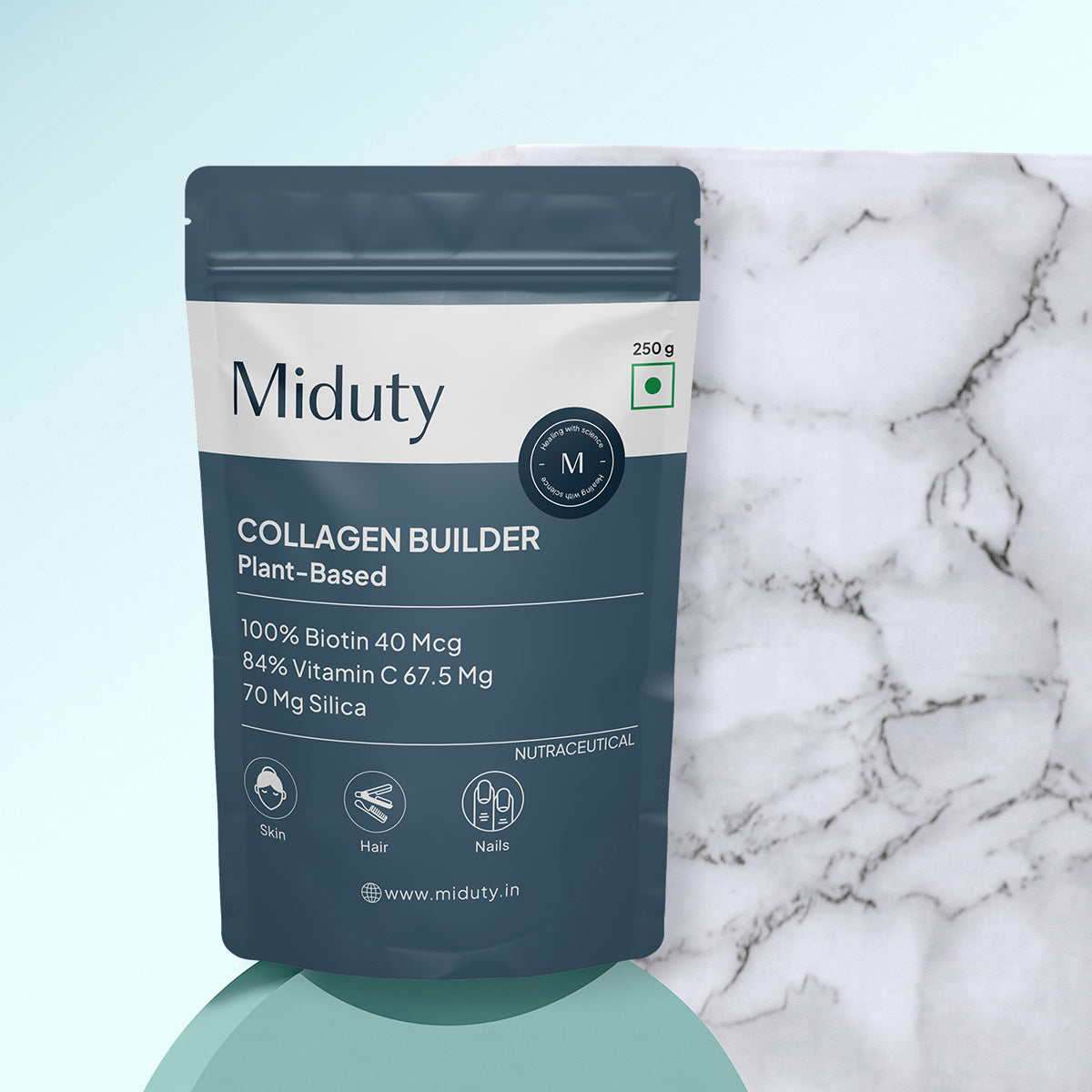
Hydrolysed marine or Plant based collagen for those who don't want to take animal driven collagen. It must be a combination of bamboo shoot, sea buckthorn, green amla, or barley grass etc.
Added vitamin C to enhance collagen absorption. Take one scoop daily in water or a smoothie, ideally in the morning or after a workout, along with a Vitamin C source like amla, citrus fruits, or a Vitamin C tablet.
2. Vitamin C
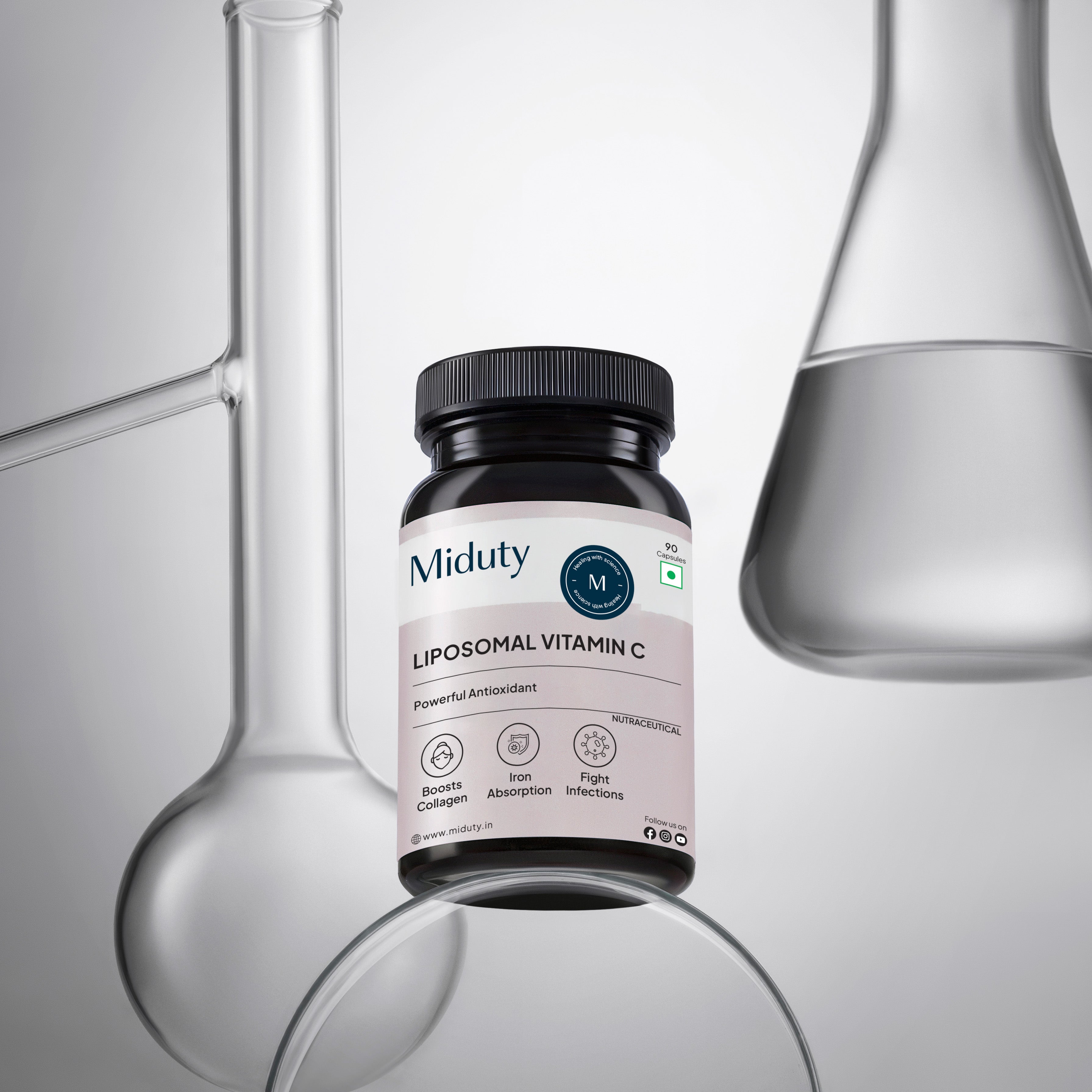
Vitamin C is much needed to make collagen. It also protects skin from sun damage and pollution related aging.
Choose forms like:
- Liposomal form
- Ascorbic acid
- Sodium ascorbate
- Natural vitamin C blends (amla, citrus bioflavonoids)
3. Vitamin B12
Low B12 is extremely common after the age of 30, especially in vegetarians. Low vitamin B12 in the body can cause pale skin, fatigue, hair thinning, and brain fog etc.
You should add a supplement which is in the form of:
- Methylcobalamin
- These forms absorb better and support energy, mood and nerve health.
4. Omega-3 Fatty Acids (EPA + DHA or ALA)
Why they help:
Omega-3 reduces inflammation, supports glowing skin, improves dry skin, and helps keep the brain sharp with age.
Sources:
- Fish oil (EPA + DHA)
- Algae oil (vegan source)
- Plant-based ALA (chia, flax, soaked walnuts, pumpkin seeds etc).
5. Probiotics + Prebiotics
Combination of prebiotics and probiotics is highly beneficial for your health. Think of your gut health as the foundation for clear skin. Probiotics are the good helper germs, and Prebiotics are their food. When these helpers are strong, they calm down the body's internal swelling (inflammation), which helps stop breakouts, bloating, and fatigue, making you look and feel much more vibrant.
How to Use Supplements the Right Way?
- Take collagen + vitamin C in the morning.
- Take Omega-3 with a meal.
- Take B12 anytime, usually in the morning.
- Antioxidants like resveratrol/CoQ10/curcumin with meals for better absorption.
- Probiotics on an empty stomach or before bed.
- Vitamin D3 + K2 with a fatty meal.
Conclusion
Aging after 30 is natural but feeling older doesn’t have to be. When you nourish your body, protect your cells, and build sustainable routines, you give yourself the chance to age stronger… not faster. Every mindful choice, better sleep, cleaner food, movement, hydration, adds up. These small daily steps rebuild your cells, sharpen your mind, and keep your energy steady. You’re not trying to turn back time; you’re helping your body age stronger, not faster. And the glow, clarity, and confidence you feel tomorrow start with the care you give yourself today.
Frequently Asked Questions on Reverse Aging -
Q1. What are the 7 main pillars of anti aging?
Healthy nutrition, strength training, good sleep, stress control, sun protection, science-based skincare, and the right supplements form the core pillars of anti-aging.
Q2. How to look younger naturally at 30?
Eat protein-rich meals, lift weights, sleep well, protect your skin from the sun, stay hydrated, and avoid sugar and processed foods.
Q3. What are the early signs of aging?
Dullness, fine lines, fatigue, slower metabolism, weaker jawline, breakouts, uneven skin tone, and early collagen loss.
Q4. Do supplements really work to reverse aging?
Yes, supplements like collagen, vitamin C, B12, omega-3, and antioxidants work to reverse aging, only when you are deficient or not getting enough through diet.
Q5. Do supplements reverse wrinkles?
They don't erase wrinkles but can reduce them, improve elasticity, hydrate skin, and slow further damage when used consistently.
Q6. is 30 too late for retinol?
No. It is not late. Infact, this is the ideal age to start retinol because collagen starts to drop at this age and early aging signs starts to appear.
Q7. Can you reverse aging at 30?
You cannot reverse your biological age but reduce or reverse the signs of aging through right lifestyle, proper diet, skincare routine with helpful supplements.
Q8. Why does my face look saggy at 30?
Your face may look saggy at the age of 30 because your skin decrease collagen production and skin looses its elasticity. Collagen supplements can help in maintaining your skin elasticity and appearance.
References