7 Best Vitamins That Help Reduce Skin Pigmentation

Key Takeaways
1. All pigmentations are not alike. The various types of pigmentations, such as acne marks, melasma, sunspots, and freckles, have different causes, and it is important to know their kind before choosing an appropriate method of treatment.
2. The following vitamins work best for fading pigmentation: Vitamin C, niacinamide, and Vitamin A. They inhibit the production of melanin, increase cell turnover, and protect skin cells against oxidative damage.
3. Taking a supplement is necessary only in case of deficiency. Taking vitamins, such as B12, folate, and Vitamin D, will benefit those who have a deficiency of any of the nutrients; however, these vitamins will not help those people who have sufficient amounts of vitamins in their bodies.
4. Results come gradually. It usually takes at least 8-12 weeks to see results, and taking care of your skin with sunscreen is also essential.
5. A dermatologist can prescribe the appropriate treatment. While vitamins can help in getting rid of pigmentations, some cases require additional assistance from a dermatologist.
What is Skin Pigmentation?
Most of us don't think much about melanin until a stubborn dark spot refuses to disappear. Maybe it's the acne mark that stayed long after the pimple healed. Maybe it's a patch that showed up after a beach vacation. And maybe what you have been experiencing is skin tone irregularities despite the fact that you have been maintaining a relatively good skin care regimen all along. Pigmentation is a skin issue that often is difficult to handle since there is no immediate fix to the problem.
Skin pigmentation merely means the skin's natural color, which is caused by the existence of melanin within the skin. The reason why your body produces melanin is that it serves as your skin's natural protection from harmful UV rays. However, problems start when some parts start to produce more melanin than other parts, making your skin tone irregular or uneven.
There may be different triggers that cause excessive production of pigment.
Sun exposure is one of the biggest culprits, but acne, hormonal changes, inflammation, aging, nutritional deficiencies, and even some medications can all play a role.
Here's something worth knowing before you spend money on another "skin whitening" product: vitamins don't bleach your skin. What they can do is support the skin's natural repair process, help reduce oxidative stress, and, in some cases, slow down the formation of excess pigment. That's a much healthier and more realistic approach.
Common Types of Skin Pigmentation

Not every dark spot is the same, and once you know what's actually causing yours, treating it stops being a guessing game.
- Post-inflammatory hyperpigmentation (PIH) is the one almost everyone deals with at some point. It shows up after your skin's been irritated, has a breakout, has a cut, has a burn, has a bug bite, or even has a product that was too harsh for your skin. What's left behind is a brown or black mark, and it can stick around for months, longer than most people expect.
- Melasma is a different skin issue. It shows up as bigger, blotchier patches, brown or grayish, across the cheeks, forehead, nose, or upper lip. Hormones are usually driving it, which is why it's so common during pregnancy or on birth control.
- Sun spots (age spots, solar lentigines, whatever you want to call them) are just years of sun exposure catching up with you. They land wherever gets the most light: face, shoulders, neck, and hands.
- Freckles are largely influenced by genetics. Genetics decide whether you get them; the sun just makes them darker. They're not a skin condition, just how some people's skin works.
Because these all come from different places, there's no one vitamin that's going to handle every type of pigmentation.
Can Vitamins Help in Reducing Skin Pigmentation Naturally?
Yes, but don't expect immediate effects. They won't be able to take off the pigmentation like medications do. What vitamins do is help in reducing oxidative stress, inhibit the overproduction of melanin, or assist in cell renewal.
As explained in a study featured in the Journal of Clinical and Aesthetic Dermatology, compounds like Vitamin C are capable of aiding in improving skin tone and decreasing the oxidative damage to the skin, which helps achieve an improved pigment balance. It all depends on how you use your vitamins.
Vitamins Used Topically
Vitamin C, niacinamide, and retinoids are the ones with the most research behind them for pigmentation. Put them right on the skin and they can actually target dark spots, something diet alone just can't do.
Vitamins Obtained Through Food
A decent diet helps your skin repair itself, sure. But eating well won't fade a dark spot that's already there. It's more of a background thing than a fix.
Vitamins Taken as Supplements
Supplements really only move the needle if your pigmentation is coming from an actual deficiency, low B12 or folate being the usual suspects. If your levels are normal already, taking more probably isn't doing anything noticeable.
7 Best Vitamins That Helps In Reducing Skin Pigmentation

1. Vitamin C - Best Known for Brightening and Antioxidant Support
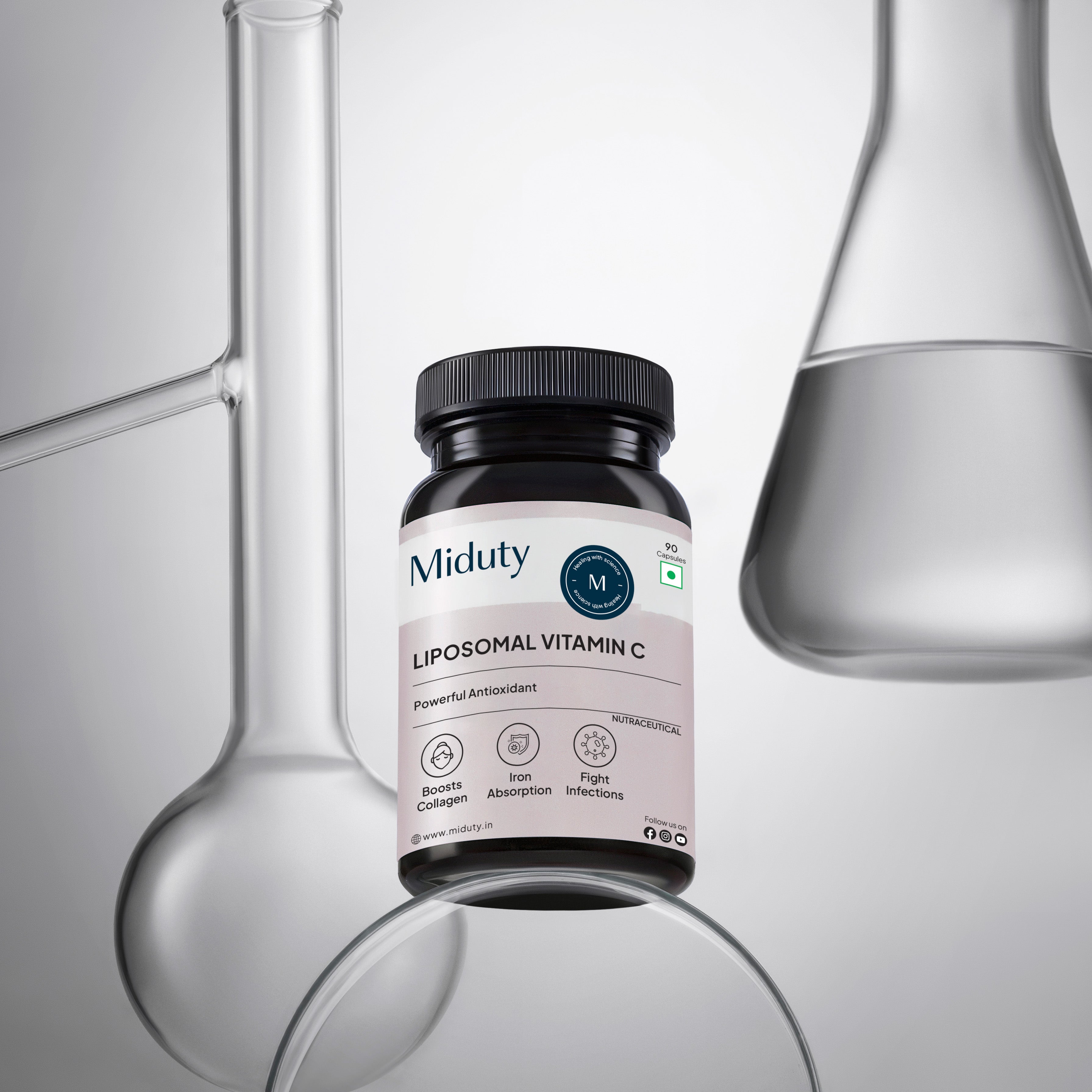
If there were a 'most valuable player' vitamin to tackle skin pigmentation, the award would most likely go to Vitamin C. The main advantage here is that it fights the problem not from one, but from several fronts. First of all, it functions as an antioxidant, which prevents the skin from free radical damage from the sun's UV rays and environmental factors. Moreover, it inhibits the activity of tyrosinase, which produces melanin.
This does not mean that Vitamin C will make your skin paler; it simply means that less of the excess pigment accumulates in places where it should not be.
As stated in the Journal of Clinical and Aesthetic Dermatology, the regular usage of topical Vitamin C can lead to a brighter skin tone and decreased presence of dark spots. Although it takes some time to see results, they can be achieved with persistent use of the product within several months.
However, it will also help to eat products rich in Vitamin C such as guavas, kiwis, strawberries, citrus fruit, and bell peppers.
2. Vitamin B3 or Niacinamide - Best for Pigment Transfer and Barrier Support
One ingredient that has become very popular lately in the beauty community is niacinamide. In comparison with many other trends, niacinamide actually has some science behind it. It does not inhibit the production of melanin; instead, it interferes with the transfer of the pigment from melanocytes to the epidermal skin cells.
This is why it can be helpful in treating post-acne marks and uneven skin tone.
The other advantage of using niacinamide in cosmetic products is the fact that it has many benefits other than treating hyperpigmentation. It improves the strength of skin barrier, increases skin hydration, calms redness, and even regulates oil secretion. This is the reason why it is good for patients suffering from both acne and dark spots simultaneously.
It has been proved by the study conducted in the British Journal of Dermatology that topical application of niacinamide can help in treating hyperpigmentation.
3. Vitamin A and Retinoids - Best for Cell Turnover and Persistent Dark Marks
There are some dark spots that will not go away. This is where Vitamin A compounds, or retinoids, are commonly employed.
Retinoids work on accelerating the skin turnover rate and do not work by decreasing melanin directly. Pigmented old skin is peeled off quickly, giving room to new skin formation and resulting in improvement of the problem. Retinoids were proven to be a highly efficient treatment of post-inflammatory hyperpigmentation when used along with sun protection.
It requires a certain amount of time to get used to. Slight flakiness or irritation in the initial period is likely to happen, so it would be better to start using them gradually rather than applying every night from the very beginning.
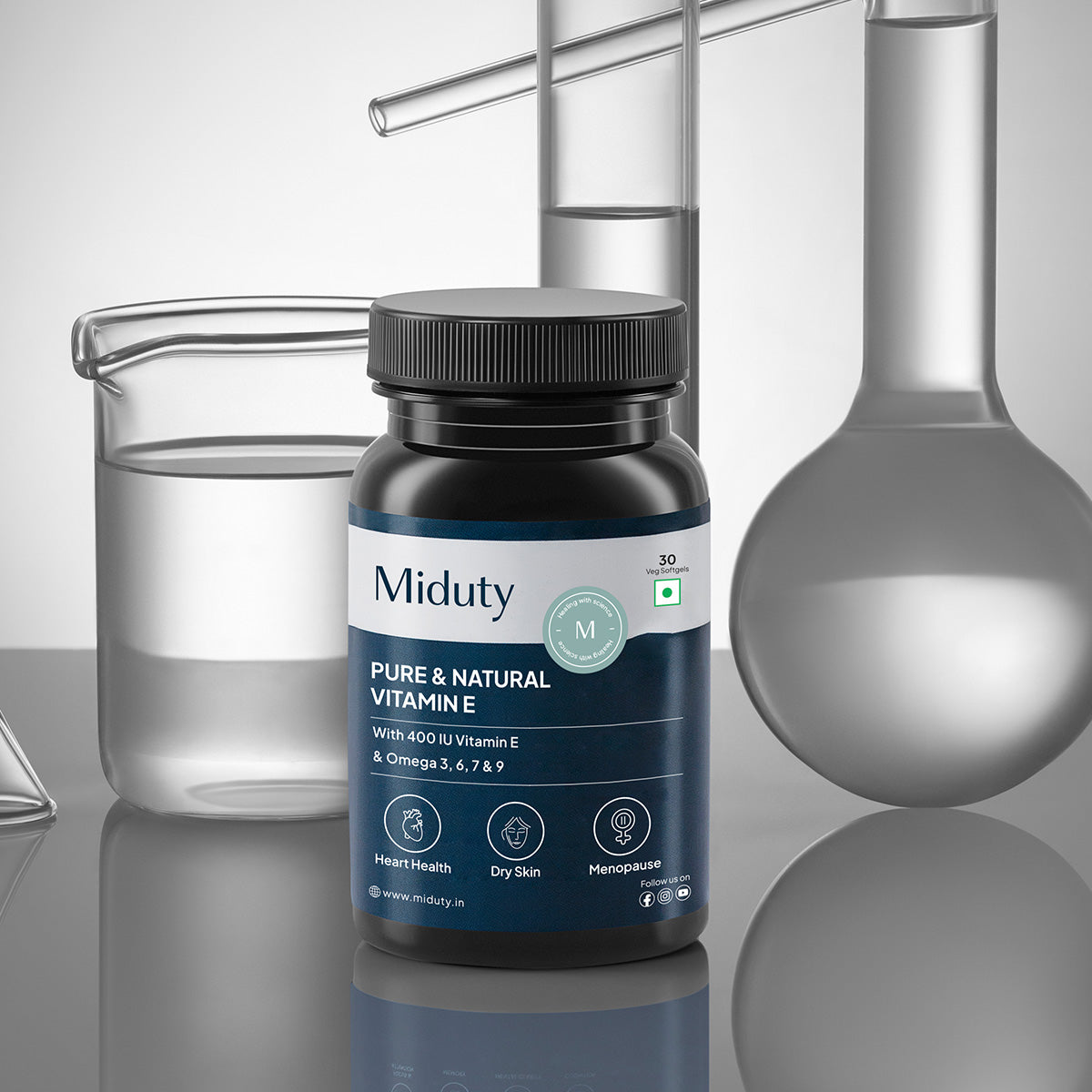
4. Vitamin E - Best Used as Supportive Antioxidant Care
Vitamin E often gets more credit than it deserves. You'll find it in plenty of creams and face oils claiming to erase scars and pigmentation, but the science tells a slightly different story. On its own, Vitamin E isn't considered a primary treatment for dark spots. This is especially true when it comes to skin protection from any damage caused by pollutants, UV light, and free radicals.
Think of it as being an assistant to other more prominent players, not as being one of those players. Healthy skin heals faster, and Vitamin E makes that process easier. Vitamin E makes skin stronger and decreases oxidative stress.
The effect of Vitamin E on skin becomes even stronger when it's used along with Vitamin C. In the study conducted by the Journal of the American Academy of Dermatology, it was found that antioxidant vitamins, such as Vitamins C and E combined, provide more protection against the damaging effects of ultraviolet light than when these vitamins are used separately.
Vitamin E can be supplemented naturally through foods, such as almonds, sunflower seeds, peanuts, spinach, avocados, and wheat germ oil.
5. Vitamin B12 - Important When Deficiency Causes Pigmentation
Here's where a lot of people get confused. Vitamin B12 isn't a skin-brightening vitamin. If you're hoping a B12 supplement will fade acne scars or melasma, you're probably going to be disappointed. However, Vitamin B12 becomes very important when your body doesn't have enough of it.
A deficiency can sometimes cause unusual darkening of the skin, especially around the knuckles, elbows, knees, palms, or inside the mouth. In these cases, the pigmentation isn't really a skin problem; it's a sign that something deeper needs attention.
Correcting Vitamin B12 deficiency often improves the associated skin pigmentation over time.
People following vegetarian or vegan diets, older adults, and individuals with digestive disorders are generally at a higher risk of developing a B12 deficiency. The takeaway is simple: don't take Vitamin B12 specifically for pigmentation unless a healthcare professional confirms you actually need it.
6. Folate or Vitamin B9 - Useful Only When Intake Is Inadequate
Folate falls into the same category as Vitamin B12. Your skin needs it because it's involved in healthy cell growth and DNA repair. Without enough folate, normal skin renewal slows down, and in rare cases, pigmentation changes may develop. But here's the important distinction.
Having enough folate supports healthy skin. Taking extra folate when your levels are already normal doesn't appear to make dark spots disappear faster. Leafy greens, beans, lentils, broccoli, asparagus, oranges, and fortified cereals are all excellent dietary sources. If blood tests show a folate deficiency, your doctor may recommend supplements. Otherwise, focusing on a balanced diet is usually enough.
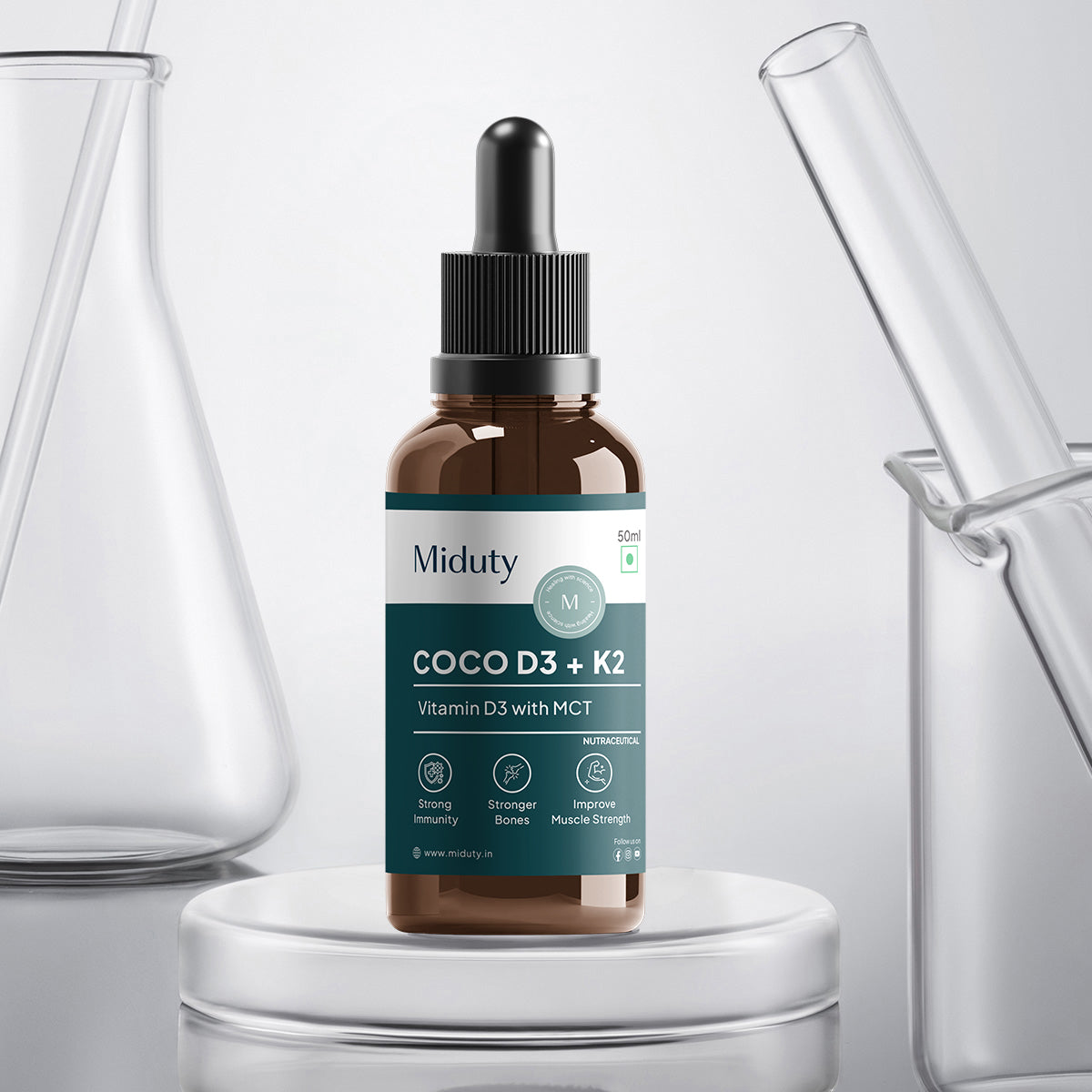
7. Vitamin D - Important for Overall Skin Health, Not a Proven Pigmentation Treatment
Vitamin D has become one of the most talked-about nutrients over the last few years. People link it to everything from immunity to mood, bone health, and skin health. Despite the fact that Vitamin D is definitely an essential factor for your well-being, there are a lot of misconceptions about how it affects your skin's pigmentation.
There is no evidence to prove that elevated Vitamin D concentration helps to lighten hyperpigmentation. There are many ways in which Vitamin D affects your skin, but further investigation is required to use it as an effective method for skin pigmentation issues. That's not a reason to ignore it, though. Correcting a Vitamin D deficiency is still important for your overall health, even if your dark spots remain unchanged.
Vitamins for Pigmentation at a Glance
|
Vitamin |
Main Role |
Best Use for Pigmentation |
Evidence Level |
|
Vitamin C |
Helps in Reducing oxidative stress and helps control melanin production |
Sun spots, acne marks, uneven skin tone |
Strong |
|
Vitamin B3 (Niacinamide) |
Helps in Reducing pigment transfer and strengthens the skin barrier |
Post-acne pigmentation and melasma support |
Strong |
|
Vitamin A (Retinoids) |
Speeds up skin cell turnover |
Stubborn pigmentation and acne scars |
Strong |
|
Vitamin E |
Supports skin repair through antioxidant protection |
Works best alongside Vitamin C |
Moderate |
|
Vitamin B12 |
Corrects deficiency-related pigmentation |
Pigmentation caused by B12 deficiency |
Moderate |
|
Folate (Vitamin B9) |
Supports healthy cell renewal |
Helpful when intake is inadequate |
Limited |
|
Vitamin D |
Supports overall skin health |
Not a primary pigmentation treatment |
Limited |
A Simple Vitamin-Based Routine for Pigmentation
People often assume they need a shelf full of expensive products. In reality, a simple routine followed consistently usually gives better results than an elaborate one that you stop using after two weeks.
Morning Routine
Start with a gentle cleanser that doesn't leave your skin feeling tight. Next, apply a Vitamin C serum. Give it a minute to absorb before following with a niacinamide serum if you're using one. Finish with a moisturizer and, most importantly, a broad-spectrum sunscreen with SPF 30 or higher. If you skip sunscreen, you're making it much harder for any pigmentation treatment to work. New UV exposure keeps telling your skin to produce more melanin.
Evening Routine
Nighttime is when your skin focuses on repair. Wash away sunscreen, makeup, and dirt with a gentle cleanser. If you're using a retinol or prescription retinoid, apply it on completely dry skin to lower irritation. Follow with a moisturizer to keep your skin barrier healthy. If retinoids feel too strong initially, don't force them. Using them two or three nights a week is perfectly fine in the beginning.
Routine for Sensitive Skin
Sensitive skin doesn't respond well to doing everything at once. Keep things simple. Start with niacinamide because it's generally well tolerated. Once your skin feels comfortable, slowly introduce Vitamin C every other morning. Retinoids can come later, and even then, only once or twice a week until your skin adjusts. Slow progress is still progress.
How Long Do Vitamins Take to Overcome Pigmentation?
This is probably the question dermatologists hear the most. Unfortunately, pigmentation doesn't disappear in days. Your skin needs time to replace pigmented cells with newer ones, and that process naturally takes weeks. For mild acne marks, many people begin noticing small improvements after about 8 to 12 weeks of consistent skincare.
Melasma and long-standing sun damage usually require more patience. It's not unusual for visible improvement to take three to six months, especially if the pigmentation sits deeper within the skin.
Consistency matters more than using stronger products. Applying Vitamin C every day for three months will almost always produce better results than using a powerful serum for one week and forgetting about it the next.
Do Vitamin Supplements Help With Pigmentation?
Sometimes but only in specific situations. If blood tests show you're low in Vitamin B12, folate, or Vitamin D, correcting those deficiencies can improve skin changes linked to the deficiency itself. However, if you have adequate amounts of vitamins in your body, taking excess amounts will probably not help much in fading away skin discoloration on your face.
Topical products are still considered the best option for treating hyperpigmentation, with dietary supplements only helpful in cases of deficiency.
Before buying multiple supplements, it's worth asking a simple question: Am I treating a deficiency, or am I treating pigmentation? Those aren't always the same thing.
When Vitamins May Not Be Enough
Sometimes pigmentation is more stubborn than you'd expect. Melasma, for example, often has a hormonal component. Years of sun exposure can also leave pigment deep within the skin, making it difficult for vitamins alone to produce dramatic changes.
In situations like these, dermatologists may recommend treatments such as prescription creams containing hydroquinone, azelaic acid, or tretinoin. Chemical peels, laser therapy, and microneedling are also options for carefully selected patients.
Vitamins still have a place, but they're usually part of a larger treatment plan rather than the entire solution.
When Should You See a Dermatologist?
Not every dark patch should be treated at home. If a spot suddenly appears, changes shape, develops irregular borders, starts itching or bleeding, or continues growing, don't assume it's harmless pigmentation. You should also consider seeing a dermatologist if:
- Your pigmentation hasn't improved after three months of consistent skincare.
- The patches keep returning despite treatment.
- You're unsure whether it's melasma, acne marks, or another skin condition.
- Over-the-counter products are causing significant irritation.
Getting the right diagnosis early can save months of trial and error.
Conclusion
If you're looking for the best vitamins for reducing skin pigmentation naturally, focus on what actually has solid scientific backing rather than what's trending online.
Vitamin C, niacinamide, and Vitamin A stand out because they directly target the processes involved in pigmentation. Vitamin E supports skin recovery, while Vitamins B12 and folate are mainly helpful when a deficiency is present. Vitamin D remains important for overall health, but current evidence doesn't support using it as a dedicated pigmentation treatment.
At the same time, remember that vitamins are only one piece of the picture. Daily sunscreen, a gentle skincare routine, and patience often make a bigger difference than constantly switching products in search of quick results.
Healthy skin doesn't change overnight. But if you stay consistent, protect your skin from the sun, and choose ingredients backed by research instead of marketing claims, you'll give your skin the best chance to gradually regain a more even, healthier-looking tone.
FAQs on Vitamins for Skin Pigmentation -
Q1. Can Vitamin Deficiency Cause Pigmentation?
Yes, certain vitamin deficiencies, especially Vitamin B12 and folate, can cause skin darkening in some people. Correcting the deficiency may gradually improve the pigmentation.
Q2. Which Vitamin Is Best for Reducing Skin Pigmentation?
Vitamin C is considered the best-studied vitamin for pigmentation because it helps in reducing melanin production and protects the skin from oxidative damage. Niacinamide and Vitamin A are also highly effective.
Q3. Can Vitamins Help in Removing Pigmentation Permanently?
Not always. Vitamins can help fade pigmentation, but results depend on the underlying cause. Hormonal pigmentation and sun damage may require additional treatments.
Q4. Is Vitamin C Effective for Dark Spots?
Yes. Vitamin C helps reduce excess melanin formation and brightens the skin, making it one of the most effective ingredients for treating dark spots.
Q5. How Long Does Vitamin C Take to Lower Pigmentation?
Most people notice visible improvement after 8-12 weeks of consistent use. Deeper pigmentation may take several months to fade.
Q6. Does Vitamin C Make Skin Glow?
Vitamin C can make your skin look brighter and more radiant by reducing dullness and protecting it from environmental damage. It doesn't change your natural skin tone.
Q7. Can Vitamin C, Niacinamide, and Retinol Be Used Together?
Yes. Vitamin C is usually applied in the morning, while retinol works best at night. Niacinamide pairs well with both and helps reduce irritation.
Q8. Is Niacinamide or Vitamin C Better for Dark Spots?
Both are effective but work differently. Vitamin C helps reduce melanin production, while niacinamide limits pigment transfer. Using them together often gives better results.
Q9. Can Vitamin E Help in Removing Pigmentation?
Vitamin E alone is unlikely to help in removing pigmentation. It mainly supports skin repair and works best when combined with ingredients like Vitamin C.
Q10. Will Taking Vitamin B12 Lighten the Skin?
No. Vitamin B12 won't lighten your natural skin tone. It may only improve pigmentation caused by a Vitamin B12 deficiency.
Q11. Can Vitamin D Deficiency Cause Pigmentation?
Some studies suggest Vitamin D deficiency may affect skin health, but there's limited evidence linking it directly to common pigmentation problems.
Q12. Which Vitamin Deficiency Causes Dark Knuckles?
Vitamin B12 deficiency is one of the most common nutritional causes of dark knuckles. In some cases, folate deficiency may also contribute.
Q13. What Is the Best Sunscreen for Pigmentation?
Choose a broad-spectrum sunscreen with SPF 30 or higher and apply it every day. Mineral or tinted sunscreens can offer extra protection against visible light, especially for melasma.
Q14. How Long Does Post-Acne Pigmentation Take to Fade?
Mild post-acne marks may fade within 2-3 months, while deeper pigmentation can take six months or longer without treatment.
Q15. Which Pigmentation Ingredients Are Safe During Pregnancy?
Vitamin C, niacinamide, and azelaic acid are generally considered safe during pregnancy. Avoid retinoids unless your healthcare provider advises otherwise.
Q16. Can Home Remedies Worsen Pigmentation?
Yes. Ingredients like lemon juice, baking soda, or harsh scrubs can irritate the skin and make pigmentation worse instead of better.
Q17. Which Is Better for Skin, Vitamin C or E?
They serve different purposes. Vitamin C is better for brightening and reducing pigmentation, while Vitamin E supports skin repair and enhances antioxidant protection when used alongside Vitamin C.
References