Top 15 Ways to Increase Collagen Naturally

Key Takeaways
1. Collagen starts declining in your mid-20s. Not at 40, not when you notice it earlier, quietly, before anything looks wrong. Fine lines, slower healing, a certain flatness to your skin that's hard to name. That's partly what's happening.
2. Your body already knows how to make collagen. It just needs the inputs: protein, Vitamin C, zinc, water, and sleep. The boring list.
3. What eats through it faster is also a boring list. Sun damage, smoking, too much sugar, not enough sleep, and chronic stress. None of it is surprising. It's just the kind of thing that's easy to ignore until it isn't.
4. Collagen supplements have solid evidence behind them. Multiple studies show regular use improves skin elasticity and hydration and reduces the appearance of fine lines, particularly hydrolyzed collagen, which your body absorbs more readily than whole collagen.
5. The stuff that actually holds up over time is less about what you buy and more about what you do consistently: eat well, move, stay hydrated, and use sunscreen. Dull advice. Still true.
Walk into any skincare store today and you'll notice something interesting. Almost every second product screams the word "collagen." Collagen powders. Collagen gummies. Collagen creams. Even collagen coffee somehow exists now. And honestly, the obsession makes sense.
Collagen is the protein that keeps your skin firm, bouncy, smooth, and youthful-looking. It's basically the support structure holding your skin together. But here's the problem nobody talks about enough, your collagen production starts slowing down earlier than most people realize. Some studies suggest collagen production declines by about 1% every year after your mid-20s.
That means the fine lines, sagging, dullness, slower skin healing, and "tired" skin people blame on age often start because your body simply isn't making collagen the way it used to.
The good news? Your body already knows how to make collagen. You just need to support the process correctly. If you've been searching for how to increase collagen naturally without relying entirely on expensive cosmetic treatments, this guide is for you.
What is Collagen and Why Is It Important for the Skin?
Collagen is one of the most abundant proteins found in the human body. You could think of it as the scaffolding beneath your skin. Collagen gives you skin structure, elasticity, and firmness. If there is not enough collagen, then the skin becomes thin, weak, and loose.
According to research from the Journal of Cosmetic Dermatology, collagen is very important for keeping your skin hydrated, elastic, and strong. What does that mean? It means your skin will be vibrant instead of tired-looking.
The production of collagen in your body is dependent on amino acids, Vitamin C, zinc, copper, and many other essential vitamins and minerals. However, aging, exposure to sunlight, smoking, stress, lack of sleep, and eating too much sugar can all speed up collagen degradation.
So, it would be best if you learned about how to boost your collagen levels in your skin naturally.
15 Ways to Naturally Boost Collagen

1. Eat Collagen-Boosting Foods
Your skin cannot build collagen out of thin air. It needs raw materials. Protein-rich foods provide amino acids like glycine, proline, and hydroxyproline, which are essential for collagen production. Eggs, chicken, fish, dairy, lentils, nuts, and seeds all help support this process. But here's where people mess up. They focus only on protein while ignoring micronutrients.
Vitamin C-rich foods like oranges, kiwi, guava, amla, strawberries, and bell peppers are critical because Vitamin C acts like a helper molecule in collagen synthesis. Without enough Vitamin C, collagen formation becomes inefficient. If you genuinely want more youthful-looking skin, your kitchen matters more than your serum shelf.
Some of the best collagen-boosting foods include:
- Bone Broth
- Salmon
- Citrus Fruits
- Berries
- Leafy Greens
- Pumpkin Seeds
- Eggs
- Beans
2. Stay Hydrated
Dehydrated skin looks older. Period. Water doesn't magically create collagen, but it helps maintain skin elasticity and supports the environment where collagen functions properly. When your skin is dehydrated, fine lines become more visible, skin texture looks rougher, and healing slows down. Chronic dehydration can also make skin appear thinner over time.
You don't need absurd "drink 8 liters daily" advice. Just stay consistently hydrated throughout the day instead of chugging water only when thirsty. Simple. Effective. Often ignored.
3. Use Collagen-Boosting Supplements
Sometimes diet alone isn't enough. Hydrolyzed collagen peptides have become popular because they're easier for the body to absorb. Research published in the Nutrients Journal found that oral collagen supplementation may improve skin elasticity, hydration, and dermal collagen density.
Not all supplements are equal, though. Collagen supplements should consist of collagen peptides and vitamin C, zinc, biotin, or hyaluronic acid, as collagen formation is a process that depends on various nutrients. Marine collagen is better suited for skin due to the smaller molecular weight of collagen peptides, while bovine collagen is suitable for skin and joint applications.
4. Up Your Vitamin C and Zinc Intake
Collagen is akin to the brick wall; Vitamin C and zinc act as the construction workers. Vitamin C assists in stabilizing collagen structures and production. Zinc, conversely, helps in repairing damaged tissues and skin restoration. Research published in the Annals of Nutrition and Metabolism highlights the role of Vitamin C and zinc in skin health and immune function.
Low Vitamin C intake can directly affect collagen synthesis. That's one reason smokers often develop premature wrinkles faster since smoking rapidly depletes Vitamin C levels in the body. Foods rich in Vitamin C and zinc include the following:
- Amla
- Guava
- Citrus Fruits
- Pumpkin Seeds
- Chickpeas
- Nuts
- Yogurt
- Shellfish
If you've been wondering how to boost collagen naturally without cosmetic procedures, this combination matters a lot more than people think.
5. Get Enough Sleep
Your skin repairs itself while you sleep. This is when growth hormone activity increases, tissue repair happens, and collagen rebuilding processes become more active. Poor sleep increases cortisol levels, and excess cortisol can break down collagen over time.
Research in the Clinical and Experimental Dermatology Journal found that poor sleepers showed increased signs of skin aging and slower skin recovery. Translation? Your late-night scrolling habit may be aging your skin faster than you realize.
6. Exercise Regularly
Physical exercise increases the circulation of blood, oxygen, and nutrients in the skin. Improved circulation ensures that the skin cells are well supported in their efforts to heal and regenerate. Additionally, it is believed that regular physical exercise slows down some aging processes in the skin cells.
You don't need extreme workouts. Walking, strength training, cycling, yoga, or even dancing consistently helps. Healthy blood flow equals healthier skin.
7. Limit Sun Exposure
This one is huge. UV radiation is one of the biggest collagen destroyers. Excessive sun exposure activates enzymes called matrix metalloproteinases, which break down collagen fibers in the skin.
UV exposure accelerates collagen degradation and skin aging. This doesn't mean hiding indoors forever. It means being smarter:
- Use Sunscreen
- Wear Sunglasses
- Avoid Peak Afternoon Sun
- Use Hats When Outdoors for Long Hours
The best anti-aging strategy is often prevention.
8. Reduce Sugar and Processed Foods
Sugar affects collagen via a process known as glycation. Simply put, sugar attaches to collagen and elastin fibers, causing them to become weak and rigid over time. This is what causes signs such as wrinkles, sagging skin, and loss of radiance. Processed foods usually cause inflammation, leading to the destruction of collagen as well.
9. Eat Antioxidants
Antioxidants are responsible for protecting collagen from oxidative damage due to environmental pollutants, stress, ultraviolet light, smoking, and unhealthy living practices. Foods that have high antioxidant properties include:
- Blueberries
- Green Tea
- Dark Chocolate
- Spinach
- Tomatoes
- Pomegranates
10. Add Hyaluronic Acid
While hyaluronic acid is not collagen itself, it assists in keeping the skin hydrated and provides conditions favorable to the performance of collagen. Hyaluronic acid is already present in your body but gets depleted as you grow older. There have been claims that hyaluronic acid can help hydrate and increase the elasticity of the skin. You can obtain hyaluronic acid from supplements and skin care products.
11. Don't Smoke
Smoking is brutal for collagen. Nicotine reduces blood flow to the skin while cigarette smoke increases oxidative stress and damages collagen fibers. Research from the Journal of Dermatological Science links smoking with premature wrinkles, slower skin healing, and reduced collagen production. You can spend thousands on skincare, but if you smoke regularly, your skin is constantly fighting damage.
12. Retinol and Other Carotenoids
Retinol remains one of the most researched skincare ingredients for collagen support. It works by stimulating skin cell turnover and encouraging collagen production over time. That's why dermatologists keep recommending it despite newer trendy ingredients constantly appearing online.
Carotenoids like beta-carotene, lutein, and lycopene may also help protect the skin from oxidative damage. Foods rich in carotenoids include:
- Carrots
- Sweet Potatoes
- Tomatoes
- Pumpkin
- Spinach
13. Consume Bone Broth
Bone broth naturally contains collagen, amino acids, and minerals that support connective tissues. Now, does drinking bone broth instantly erase wrinkles? No. But it does provide glycine and proline, which are involved in collagen production. It's also easy to digest and fits well into high-protein diets aimed at improving skin health. For people searching how to get collagen naturally through food, bone broth is still one of the most talked-about options.
14. Take Ginseng
Ginseng doesn't get enough attention in skin health conversations. Research published in the Journal of Ginseng Research suggests ginseng may help protect the skin from oxidative stress and support collagen preservation. It may also improve circulation and help reduce inflammation linked to skin aging. Not magic. But promising.
15. Light Therapy
Red light therapy has become increasingly popular because some studies suggest it may stimulate fibroblasts , the cells responsible for collagen production. Low-level light therapy has an important role in improving skin texture and collagen synthesis. This is why you now see red light masks everywhere online. Some are gimmicky. Some are backed by decent science. The quality of the device matters heavily.
Factors Affecting Collagen Production

Aging is obvious, but it's not the only thing reducing collagen. Several daily habits quietly damage collagen production:
- Chronic Stress
- Smoking
- Excess Alcohol
- UV Exposure
- Poor Sleep
- Nutrient Deficiencies
- High Sugar Intake
- Pollution
- Sedentary Lifestyle
This is why people asking how to increase collagen in skin often need lifestyle changes more than fancy skincare products. Your skin reflects your habits eventually.
Collagen Supplements: Are They Worth It?
Honestly? For many people, yes. Especially if your diet lacks sufficient protein or you're noticing visible signs of skin aging. Collagen peptide supplementation may improve skin elasticity and hydration after consistent use.
But supplements are not miracle powders. If you're sleeping 4 hours, eating ultra-processed food daily, smoking regularly, and expecting collagen powder alone to save your skin, that's unrealistic. Supplements work best when combined with:
- Good Nutrition
- Proper Hydration
- Sun Protection
- Sleep
- Exercise
Think of them as support tools, not magic fixes.
Conclusion
Learning how to increase collagen naturally isn't about chasing one miracle ingredient. It's usually the boring basics that work best, better sleep, smarter food choices, hydration, less sugar, sun protection, and consistent skin care.
That's the frustrating part. But also the good news. Because healthy skin is often built through daily habits, not expensive shortcuts. Your body already knows how to make collagen. You just have to stop working against it.
FAQ's on Boosting Collagen Naturally -
Q1. What is the fastest way to increase collagen?
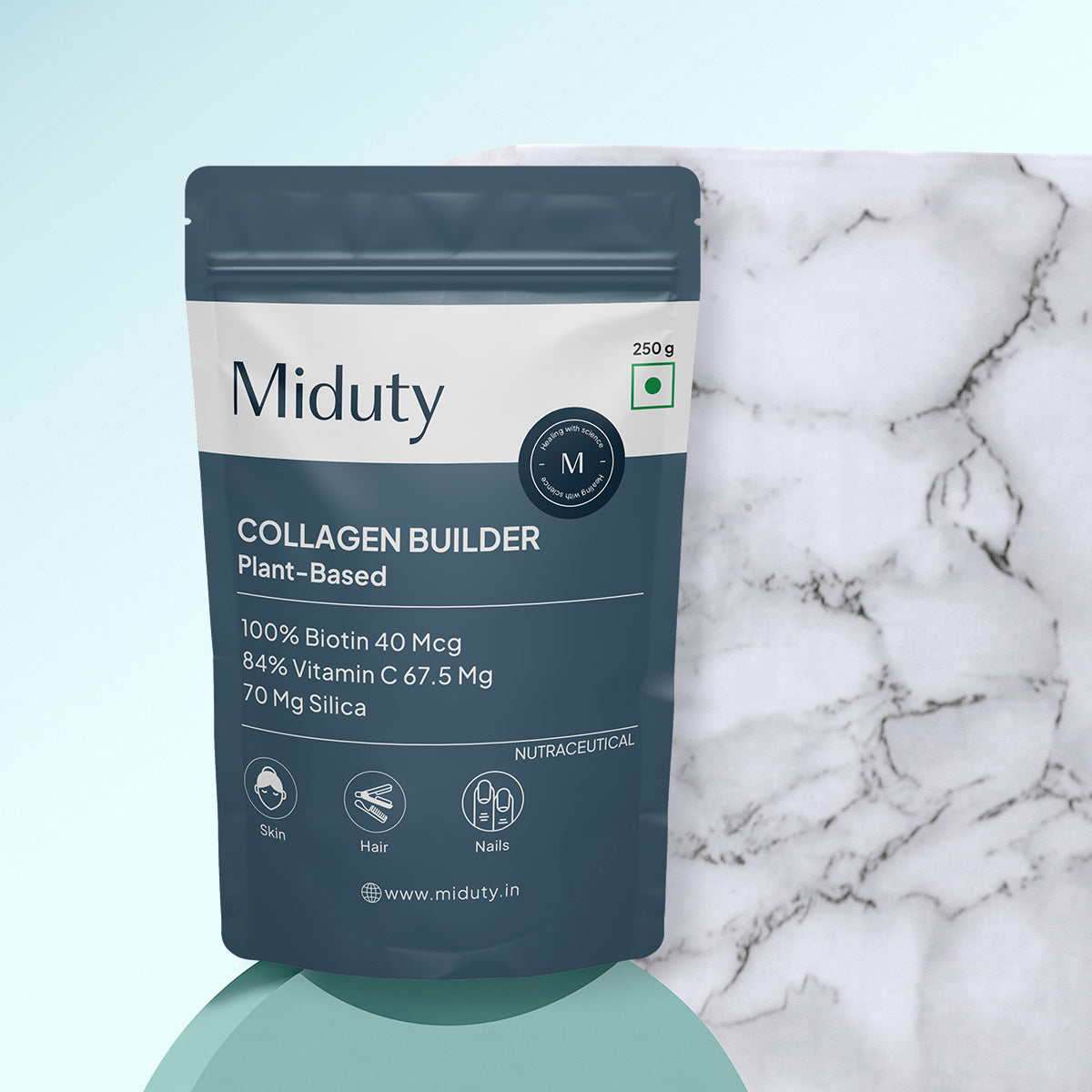
The fastest way to support collagen is by combining good nutrition, proper sleep, hydration, sun protection, and collagen-supporting supplements. Miduty Plant-Based Collagen Builder helps provide Biotin, Vitamin C, and Silica that support natural collagen production.
Q2. What happens when collagen reduces?
Low collagen can make skin look thinner, duller, looser, and more wrinkled. You may also notice brittle nails, weaker hair, and slower skin healing.
Q3. Can any natural methods boost collagen?
Yes. Eating protein-rich foods, increasing Vitamin C intake, staying hydrated, sleeping well, and protecting your skin from the sun can naturally support collagen production.
Q4. Which collagen is best for skin?
Type I collagen is considered best for skin health because it supports skin firmness and elasticity. Miduty Plant Based Collagen Builder supports your body's own collagen-building process naturally.
Q5. How Long Does Collagen Take to Work on Skin?
Most people notice improvements in skin hydration and texture within 4-8 weeks of consistent use. Visible firmness may take a few months.
Q6. How Many mg of Collagen per Day for Skin Health?
Studies commonly use around 2.5 g-10 g collagen peptides daily for skin health. The right amount depends on your diet, age, and supplement type.
Q7. How can I increase collagen in the skin naturally?
You can support collagen naturally through protein-rich foods, Vitamin C, exercise, hydration, and quality sleep. Adding Miduty Plant-Based Collagen Builder may also help support healthy skin, hair, and nails.
Q8. Can you rebuild collagen in the skin?
Yes, your skin can gradually rebuild collagen with proper nutrition, skincare, and healthy lifestyle habits. Retinol, antioxidants, and collagen-supporting nutrients may help stimulate this process.
Q9. How do I know if my collagen is low?
Common signs include fine lines, sagging skin, dryness, brittle nails, and thinning hair. Skin may also lose firmness and glow over time.
Q10. How can I check my collagen?
There's no simple home test for collagen levels. Most people identify collagen loss through visible skin changes like wrinkles, sagging, and reduced elasticity.
Q11. What does skin look like when it loses collagen?
Skin with low collagen often appears loose, thin, dry, and less firm. Fine lines, wrinkles, and dullness also become more noticeable.
Q12. Does taking collagen supplements really help improve skin collagen levels?
Research suggests collagen supplements may help improve skin hydration and elasticity with consistent use. Results are usually better when combined with healthy lifestyle habits.
Q13. How does sun exposure affect collagen levels in the skin?
UV rays break down collagen fibers and speed up premature skin aging. Excess sun exposure can lead to wrinkles, sagging, and loss of skin elasticity.
Q14. What role does hydration play in collagen production?
Hydration helps maintain skin elasticity and supports healthy skin function. Dehydrated skin often looks rougher, thinner, and more aged.
Q15. Are there any specific skincare ingredients that can help increase collagen in the skin?
Yes. Ingredients like retinol, Vitamin C, peptides, hyaluronic acid, and niacinamide may help support collagen production and healthier-looking skin over time.
References