Top 10 Natural Home Remedies for Pigmentation

Key Takeaways
1. Pigmentation occurs gradually and is usually caused by exposure to sunlight, acne, hormonal changes, or irritation on the surface of the skin. While the small dark spots may appear harmless, they will gradually become more prominent without proper care.
2. Home-based remedies for treating pigmentation include using ingredients such as aloe vera, turmeric, green tea, papaya, licorice root, and yogurt. These solutions might promote skin evenness but may take weeks or even months before yielding any visible benefits.
3. Sunscreen is the single most vital element of any treatment process designed to reduce pigmentation marks. If a person does not use sunscreen on a daily basis, the ultraviolet rays will trigger increased melanin production, making the dark spots even harder to treat.
4. While natural remedies have been shown to be effective, the application process must be cautious since there is always a risk of irritation. Any individual that considers applying homemade remedies for pigmentation must carry out a patch test first.
5. Some cases of skin discoloration cannot be addressed through natural remedies. Individuals who notice that dark spots are spreading or persisting despite prolonged attempts to manage them at home may be suffering from conditions such as melasma.
One day it's a tiny mark left behind by a pimple. A few months later, it's still there. Then you notice another patch near your cheek. Maybe a little darkness around the mouth. Maybe those stubborn spots that show up after a beach vacation and refuse to leave. That's usually how pigmentation starts. Not dramatically. Just slowly enough that you keep hoping it'll disappear on its own.
The frustrating part? Most people don't even realize they're making it worse. A little extra sun exposure here. Picking at acne there. Skipping sunscreen because you're "just stepping outside for five minutes."
And before you know it, you're standing in front of the mirror Googling things like how to remove pigmentation from your face permanently at home at midnight. The internet has no shortage of advice. Some of it is useful. Some of it sounds like it was invented by someone mixing random ingredients from their kitchen. The truth sits somewhere in the middle.
No home remedy is going to erase years of pigmentation in a week. Anyone promising that is selling something. But certain ingredients do have properties that may help fade mild discoloration and support a more even skin tone when used consistently. Let's start with the basics.
What is Pigmentation?
Your skin gets its color from melanin. Think of melanin as your skin's natural paint. The more melanin produced in an area, the darker that area appears. Normally, melanin production stays balanced. But sometimes the skin gets a little overprotective. Too much sun. Hormonal changes. Acne. Inflammation. The skin responds by producing extra melanin, leaving behind patches, spots, or uneven areas that we call hyperpigmentation.
Some spots are light brown. Others are darker. Some stay for weeks. Others seem determined to stay forever. And yes, they can appear almost anywhere on the face.
Causes of Pigmentation

There isn't always one single reason. For some people, it starts after acne. For others, it's years of unprotected sun exposure catching up. Hormones can also play a major role, especially during pregnancy or while taking certain medications. Common causes include:
- Sun Exposure
- Acne Scars
- Hormonal Fluctuations
- Skin Irritation
- Aging
- Genetics
- Certain Medications
If you've ever wondered why two people can get the same pimple but only one develops a dark mark afterward, genetics often has a lot to do with it.
Top 10 Natural Home Remedies for Pigmentation

Let's get one thing out of the way. Natural remedies work slowly. If you're expecting dramatic changes in seven days, you're probably setting yourself up for disappointment. Think weeks. Sometimes months.
1. Aloe Vera Gel
Few natural ingredients have remained as popular in skincare as aloe vera. Long before skincare shelves were filled with brightening serums and active ingredients, people were applying aloe vera gel to calm irritated skin and support healing.
Part of its benefit comes from a compound called aloin. Research discussed in the Journal of Clinical and Experimental Dermatology suggests that aloe-derived compounds may help improve the appearance of hyperpigmentation.
How to Use: Apply freshly extracted aloe vera gel to the affected skin area in a thin coat before you sleep. Wash it off in the morning after leaving it on overnight. As aloe vera is usually soothing, most people find it simple to do this treatment repeatedly.
2. Potato Juice
Potatoes rarely get mentioned in skincare conversations today, yet they continue to appear in traditional remedies for dark spots and uneven skin tone.
The reason is simple. The presence of antioxidants and enzymes in potatoes is thought to make them capable of making the skin glow. People have always relied on potato juice due to its affordability and skin-friendliness.
How to Apply: Grate a fresh potato and then extract its juice. Use this on patches of skin where discoloration is observed, using a cotton ball as an applicator. Leave on for 15 minutes.
3. Turmeric and Honey Mask
Turmeric has been part of skin care treatments due to its unique qualities and benefits. In addition to being a spice that can be used in the kitchen, the ingredient contains curcumin, which has antioxidants.
According to research conducted in the Phytotherapy Research journal, one of the antioxidants in curcumin is able to reduce oxidative stress, which causes skin discoloration and aging. The ingredient works effectively with honey since it moisturizes the skin and makes the treatment easy to apply.
How to Use: Mix 1 teaspoon of turmeric powder and one tablespoon of honey. Apply it to the required places and wait for 10 minutes before you rinse your face. Turmeric should not be left on for too long, as it might cause temporary skin discoloration.
4. Tomato Pulp
In case your complexion is connected with the number of years of sun exposure, then you should definitely try tomatoes. They contain plenty of lycopene that helps protect the skin from sun-induced harm. However, you cannot substitute tomato juice for regular sunscreen, but you can consider using it as a natural skin conditioner, which will make your skin look more radiant and even.
Directions to Use: Crush a matured tomato, and then apply the obtained pulp to your face. Wait for about 10-15 minutes, then wash your face thoroughly. Tomatoes are widely used by many people in summer when the tanning effect is more visible.
5. Green Tea
Most people know green tea as a health drink, but its benefits extend beyond what happens inside the body. Green tea has polyphenol components that can help counter oxidative stress. Based on a study published in the Antioxidants Journal, these components could provide protection for the skin against any environmental damage that causes skin pigmentation.
Usage: Brew a cup of green tea and let it cool down. Apply using a cotton ball, or simply pour into a spray bottle and spray it on your skin. It is a simple addition to a weekly skincare routine and takes very little effort.
6. Papaya Face Pack
Papaya is one of those ingredients that has quietly remained part of home skincare routines for years. You won't see it marketed as aggressively as trendy skincare actives, but many people still reach for it when dealing with dull skin and uneven tone.
One reason is the presence of papain, a natural enzyme that helps remove dead skin cells from the skin's surface. When that layer of dull, older skin starts to shed, the complexion often looks brighter and smoother. While papaya won't magically erase pigmentation, it may help soften the appearance of mild discoloration over time.
How to Use: Take a handful of ripened papayas and blend them to form a paste. Smear the paste on the affected areas for about 15 minutes, after which wash it off with water. This needs to be done one or two times a week.
7. Yogurt and Oatmeal Mask
While considering the issue of pigmentation, one tends to pay attention only to dark spots. However, it is worth keeping in mind that uneven and dry skin makes discoloration more visible.
Luckily, there is a good way to take care of your skin texture. It is a homemade mask based on yogurt and oats. These ingredients have exfoliating and moisturizing properties correspondingly. Moreover, the mask does not seem complicated or harsh, that is the reason why people prefer using it for so many years. This is an easy way to achieve healthier skin instead of treating pigmentation.
How to Use: Take two tablespoons of pure yogurt and one tablespoon of oatmeal. Then apply the mask all over the face and leave it for 15 minutes.
8. Sandalwood Paste
However, for most individuals, it is more common in face packs than in contemporary skin care products. Although there are various ingredients that have been introduced in the beauty sector over time, sandalwood has not become obsolete. One of the reasons for that is the soothing effect that it offers once you apply it on your skin.
Individuals dealing with post-acne marks or an uneven skin tone require something less harsh, which includes sandalwood, among others. While it cannot serve as a complete solution for pigmentation, it could assist in providing a more even skin tone.
How to Use: You can make a paste out of sandalwood powder and rose water and then apply it on those areas of your skin that suffer from pigmentation issues. Leave it on for 10-15 minutes before washing it off.
9. Cucumber Juice
Cucumber, arguably, has got to be one of the easiest items on this list, which might actually be the reason for most people to ignore it. In contrast to treatments that are based on exfoliation or skin-lightening, cucumber provides something else. It helps hydrate your skin and bring a fresh feel to it. You probably know what it feels like to put cold cucumber slices on your closed eyelids after a tiring day.
No, cucumber juice will not help remove any persistent dark spots. However, healthy and hydrated skin tends to look more even compared to irritated and dry skin.
How to Use: Mix a cucumber up and extract the juice from it. Then, using a cotton pad, apply it on the skin and leave it there for about 15-20 minutes, followed by washing off the product. Some people prefer chilling their cucumbers in advance to get some extra refreshing benefits from them.
10. Licorice Root Extract
While not as popular an ingredient as Vitamin C or niacinamide, licorice root has managed to earn itself quite the name in the dermatologist and skincare formulating worlds. Why? Well, because it contains an active compound called "glabridin," that's been investigated by the scientists for its ability to inhibit excess melanin production.
There was even research published in the Journal of Pharmacology and Clinical Toxicology about the possible applications in fighting hyperpigmentation and skin discolorations. Therefore, you will find that many skin care formulations with dark spots targeting properties will have licorice extract in their composition.
How to Use: All you need to do here is choose a product that already contains the extract and apply it according to instructions - most likely following your usual cleansing and before-moisturizing routines.
Looking for ways to reduce dark spots? This video covers some popular home remedies for pigmentation:
Things to Remember Before Trying Home Remedies
Before you start applying everything from your kitchen to your face, there are a few important things you should know. First, natural doesn't automatically mean safe. Lemon juice, baking soda, and undiluted essential oils are commonly recommended online, but they can irritate the skin and sometimes make pigmentation worse.
Second, always do a patch test. What works for one person may trigger redness, itching, or breakouts in another.
Additional Tips for Managing Pigmentation

1. Do Not Forget to Apply Sunscreen
There is no alternative to daily exposure to sunlight. Exposure to UV rays activates melanin production, and your already pigmented skin can get darker. Always use a sunscreen of SPF 30 or above every day, including days you spend indoors close to windows.
2. Do Not Touch Pimples
Touching your skin often leads to skin irritation, causing post-inflammatory hyperpigmentation. Do not pop pimples or scratch your skin whenever it gets bitten by an insect.
3. Add Antioxidants to Your Food Intake
Just like any other part of the body, your skin needs vitamins to stay healthy. Foods rich in vitamin C, vitamin E, and antioxidants should be a regular part of your diet. They prevent skin cell damage that can cause uneven skin tone.
4. Keep Your Skin Hydrated
Irritated and dry skin is more susceptible to inflammation that can lead to skin pigmentation. A simple hydrating cream can keep your skin moisturized and healthy.
When to Seek Medical Help?
Consult a dermatologist in the following cases:
- If the pigmentation occurs suddenly without any reason.
- If the dark spots continue to grow.
- If home treatments are not effective even after a few months.
- If the condition is associated with irritation, pain, bleeding, or alteration in texture.
- If you think that it may be due to any hormonal disorder like melasma.
Conclusion
Pigmentation can test your patience. It develops slowly and often fades slowly too. But even then, there are still quite a few home treatments available for pigmentation that might help you lighten up your complexion if used regularly. Some of these treatments include Aloe Vera, Turmeric, Yogurt, Green Tea, Licorice Root, Papaya, Honey, Potato Juice, Tomato Pulp, and Onion Extract.
The thing to keep in mind here is that the effectiveness of any remedy increases when it's used along with a proper skincare regimen and sunscreen, with realistic goals. While some might find their lighter complexion over time with minor pigmentation, others might opt for a quicker solution through professional assistance. Either way, consistency is always the key here!
FAQs on Home Remedies for Pigmentation -
Q1. How can I cure my hyperpigmentation naturally?
Try using aloe vera, turmeric, or licorice extract, but be realistic in your expectations - you won't see dramatic changes right away. It really boils down to consistency and protecting your skin from sun exposure.
Q2. How long do home remedies for pigmentation take to show results?
Most require a period of a few weeks for the results to be seen. For others, it will take between two and three months of continuous use for the appearance of dark spots to fade.
Q3. Are these home remedies suitable for all skin types?
Not necessarily. What works perfectly for one person can irritate someone else, especially if you have sensitive skin. A patch test is always worth doing first.
Q4. Can I mix multiple home remedies together?
You can, but more isn't always better. Throwing five different remedies at your skin at once can sometimes do more harm than good.
Q5. Is pigmentation completely curable at home?
That depends on what's causing it. While mild marks resulting from acne may disappear easily, those with deeper pigmentation and melasma may require more than home-based treatment to resolve.
Q6. Can I rely only on DIY home remedies for pigmentation?
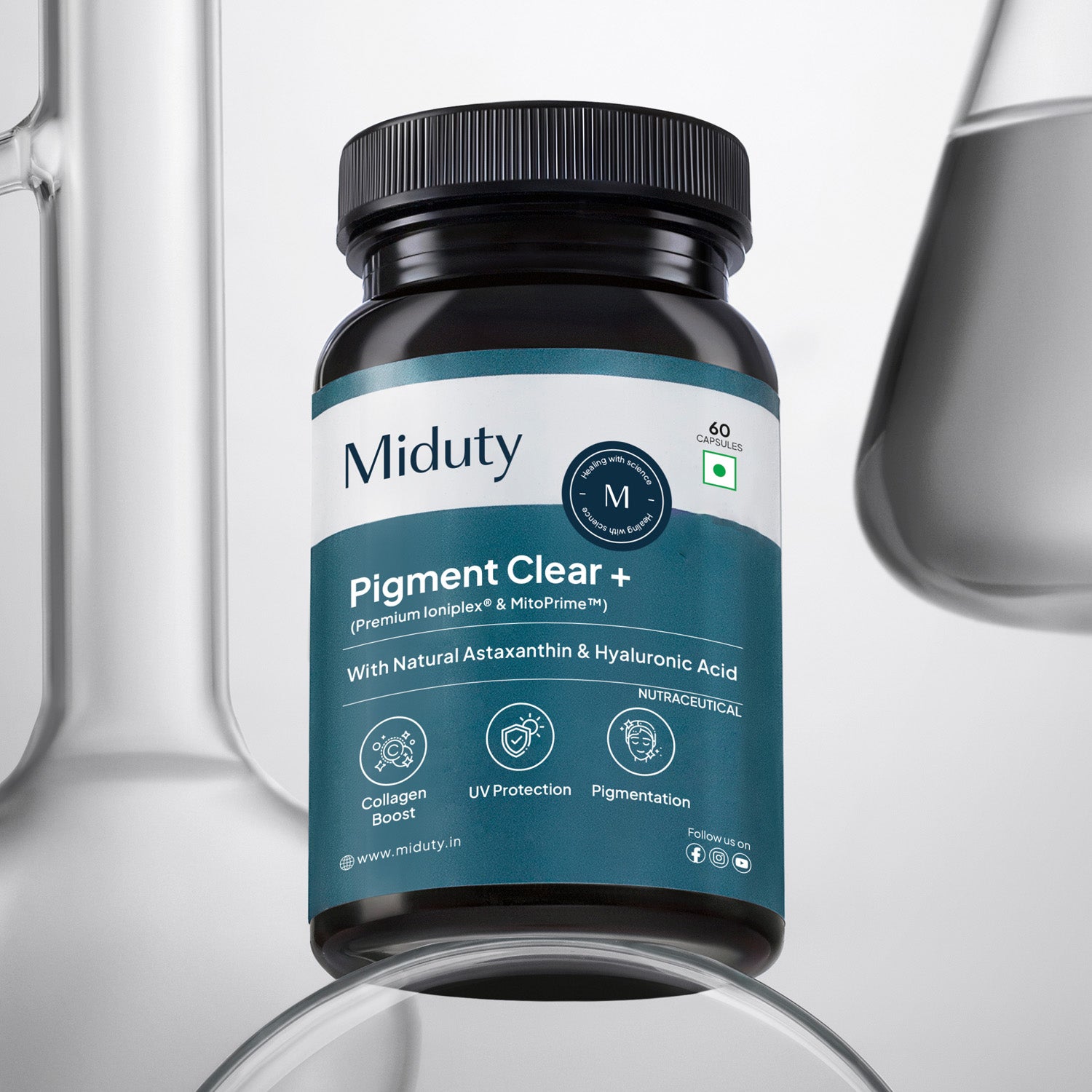
Home remedies can help, but they're only one piece of the puzzle. Daily sunscreen and targeted ingredients such as niacinamide and vitamin C tend to make a much bigger difference over time. That's one reason some people also use products like Miduty Pigment Clear+ alongside their routine.
Q7. How often should I use these home remedies for pigmentation?
For most remedies, two or three times a week is enough. Using them every day doesn't necessarily speed things up and may leave your skin irritated.
Q8. Which home remedy works best for melasma?
Melasma is tricky because hormones often play a role. Aloe vera and licorice extract may help a little, but many people eventually need dermatologist-recommended treatments for noticeable results.
Q9. Can home remedies completely eliminate dark spots?
Sometimes they can fade lighter spots quite well. But if the pigmentation has been there for years, you'll usually see better results when home remedies are combined with good skincare habits and products designed to target uneven skin tone, such as Miduty Pigment Clear+.
References
| Sr. No. | Reference Links |
| 1. | Aloe vera and hyperpigmentation |
| 2. | Curcumin for skin pigmentation |
| 3. | Antioxidants for pigmentation protection |
| 4. | Licorice extract for hyperpigmentation |