Berberine Dietary Supplement 101: Benefits, Dosage, and How to Choose

Key Takeaways
1. Berberine helps maintain optimal metabolic functions by supporting healthy blood sugar, insulin, and cholesterol levels.
2. It may be beneficial to weight loss objectives in conjunction with healthy glucose and lipid metabolism through diet and exercise.
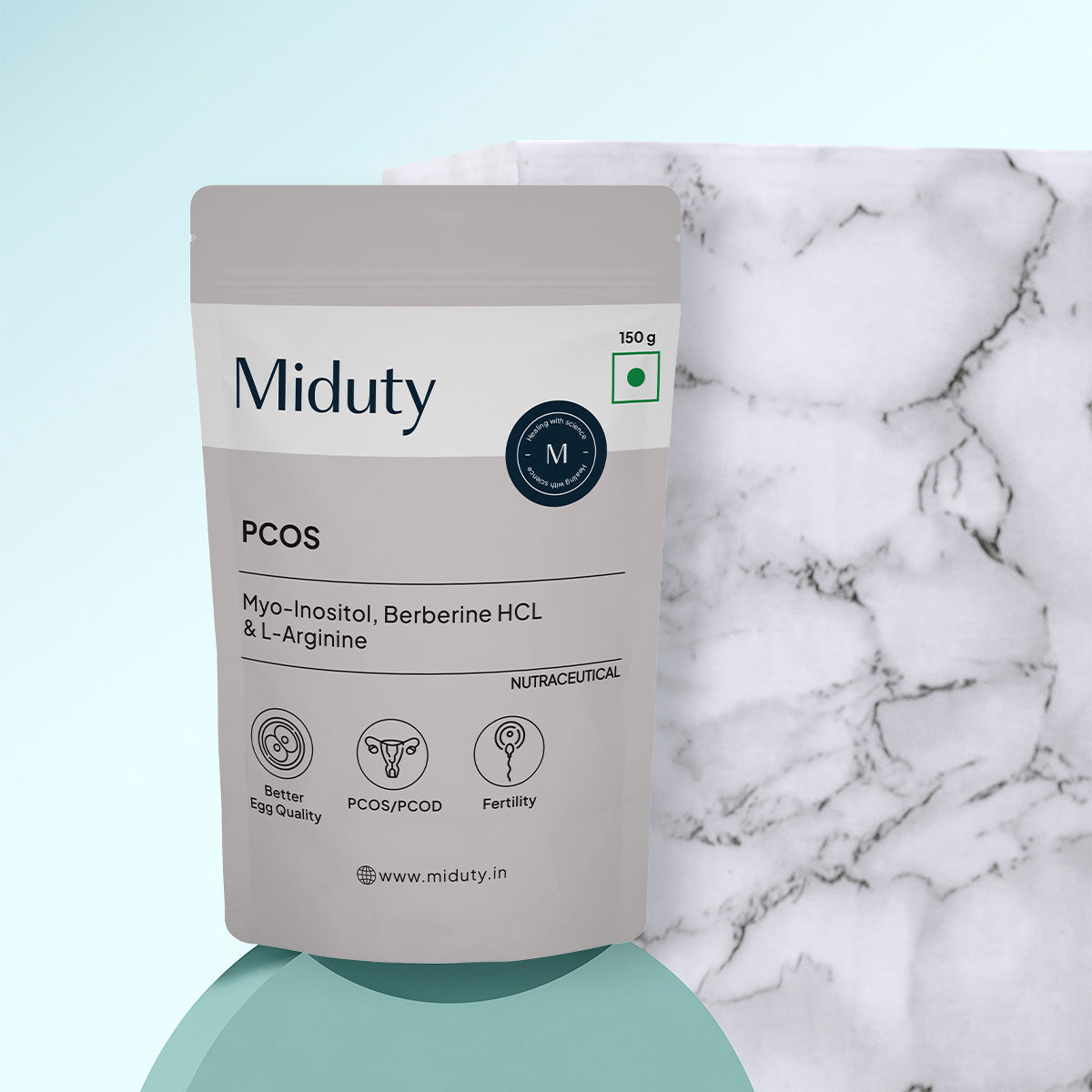
3. Metabolic health associated with PCOS may be addressed using berberine, especially in cases where insulin resistance is an issue.
4. Gut health is another area in which the benefits of berberine have been considered due to its effects on microbial composition in the gut.
5. Selecting the appropriate supplement is important, with an emphasis on berberine content, standardized components, and FSSAI-compliant labeling.
Berberine has gone from being a relatively unfamiliar plant compound to something you now see on supplement shelves everywhere. Blood sugar, cholesterol, weight management, PCOS, and gut health are some of the reasons people look into it.
But buying the first bottle you find is not the best approach. Dose, form, purity, and other additives are all important factors. Therefore, here's an essential guide that will help you understand berberine supplements before including any in your regimen.
What Is Berberine, and How Does Berberine Work?
Berberine is a naturally occurring compound found in plants such as barberry, Oregon grape, and goldenseal. It has been used traditionally in different systems of wellness for a long time.
As per the American Diabetes Association, the most interesting fact about berberine is its interaction with the metabolic processes within the body. Berberine has been especially linked with AMPK, which is an enzyme that has to do with energy balance. [1] This is one reason berberine is often discussed in connection with blood sugar, metabolism, and lipid health.
Why Is Berberine Dietary Supplement Becoming Popular?
Modern eating habits have made metabolic health a bigger concern for many people. Long workdays, less movement, frequent restaurant meals, and inconsistent sleep can all make maintaining healthy blood sugar and cholesterol levels more challenging.
Berberine dietary supplements appeal to people looking for nutritional support in these areas. It is not a magic capsule, though. Food, exercise, sleep, and overall lifestyle still do most of the heavy lifting.
What Are the Benefits of the Berberine Dietary Supplement?

1. Supports Healthy Blood Sugar Levels
Blood sugar is probably the biggest reason berberine has taken off. A meta-analysis in the Journal of Nutrition pooled 20 randomized controlled trials covering 1,761 people and found that berberine supplementation was linked to lower fasting glucose, HbA1c, and other glucose-metabolism markers. [2]
That's a decent-sized body of evidence, and it's part of why berberine keeps coming up in conversations about metabolic health.
2. May Support Insulin Sensitivity
Insulin sensitivity is basically how well your body listens to insulin. When that stops working well, blood sugar gets harder to manage.
The Journal of Nutrition meta-analysis found reductions in fasting insulin and HOMA-IR (a standard measure of insulin resistance)—though the researchers noted the effects weren't identical across every group studied. [2]
3. Supports Cholesterol Management
Cholesterol is the other area berberine gets a lot of attention for. A separate review in the Journal of Phytomedicine looked at 16 randomized trials with more than 2,100 participants and found reductions in total cholesterol, LDL, and triglycerides. [3]
Worth noting: this works best alongside actual diet and exercise changes, not instead of them.
4. May Support Weight Management
You'll sometimes hear berberine called "Nature's Ozempic." let's look at what the research actually shows. A 2026 review in the International Journal of Obesity, covering 23 randomized trials, found modest reductions in body weight, BMI, and waist circumference. [4]
Modest is the operative word; this is a supporting player in a weight-management routine, not a replacement for one.
5. May Support PCOS-Related Metabolic Health
PCOS isn't just irregular periods or a stubborn scale. For a lot of women, insulin resistance is part of the underlying picture.
A review in Evidence-Based Complementary and Alternative Medicine looked at trials involving women with PCOS and insulin resistance, and the results were promising, though the researchers themselves said the evidence isn't strong enough yet to draw firm conclusions. [5]
6. Supports Gut Health
This is the newer, more interesting corner of berberine research. Your gut hosts trillions of microorganisms, and scientists are paying closer attention to how they interact with metabolism.
A 2026 review in Nutrients looked at seven randomized trials on berberine and gut microbiota and found it consistently shifted microbial composition, though not in exactly the same way across every population studied. [6]
In other words, berberine seems to change gut bacteria, and that might explain part of why it affects metabolism more broadly.
7. Supports Heart Health Markers
Heart health isn't one number; it's blood pressure, cholesterol, triglycerides, blood sugar, and body weight all together.
A dose-response meta-analysis in Frontiers found improvements across several cardiovascular markers in adults taking berberine, including triglycerides, total cholesterol, LDL, fasting glucose, HbA1c, insulin, HOMA-IR, and systolic blood pressure. [7]
Most of that benefit seems to run through glucose and lipid metabolism rather than any one standalone effect.
Berberine Supplement Dosage: How Much Should You Take?

There is no single dose suitable for everyone. Adult supplement routines commonly use berberine in divided doses rather than taking a large amount at once.
|
Age Group |
General Approach |
|
Under 18 years |
Not routinely recommended without healthcare professional guidance. |
|
18 to 59 years |
The common adult supplementation range is around 500 mg, often 1 to 3 times daily depending on the product. |
|
60+ years |
Adult doses may be used, but medical guidance is advisable, especially with medicines or existing conditions. |
Always follow the serving size printed on the product. If you take prescription medication, speak with your healthcare professional before using berberine.
Best Time to Take Berberine Dietary Supplement
Many individuals find it better to take a berberine dietary supplement along with their meals. It is also more convenient to spread the daily dosage across several meals. The most important thing is consistency and following the directions on the specific product.
How Long Does a Berberine Supplement Take to Work?
Berberine is not something to judge after one capsule. Metabolic markers can take time to change, and the experience varies from person to person. Diet, exercise, sleep, and starting health status also make a difference.
Berberine vs. Metformin: What Is the Difference?
Berberine is sometimes compared with metformin due to its connection with the regulation of blood sugar. However, the two substances are completely different, as berberine is a compound contained in plants and usually used in dietary supplements, whereas metformin is a medication prescribed to treat type 2 diabetes.
Metformin controls blood sugar by decreasing the production of glucose in the liver and increasing the body's sensitivity to insulin. Berberine has a wider range of mechanisms and is normally used as a supplement in order to achieve a healthy level of blood sugar and metabolism.
Therefore, although they have certain similarities, berberine cannot be considered as an alternative to metformin or any other medication prescribed by a doctor.
|
Feature |
Berberine |
Metformin |
|
What is it? |
Plant-based compound available as a dietary supplement |
Prescription medicine |
|
Main purpose |
Supports healthy blood sugar and metabolic health |
Used to manage type 2 diabetes |
|
How does it work? |
Influences several pathways involved in glucose and metabolism |
Helps reduce glucose made by the liver and improves insulin response |
|
Availability |
Available as a dietary supplement |
Available with a prescription |
|
Weight management |
May provide modest support |
Usually weight-neutral, with some people experiencing modest weight loss |
|
Dose |
Depends on the supplement and individual needs |
Dose is decided by a doctor |
|
Medical guidance |
Recommended, especially if taking medicines |
Required as part of diabetes management |
|
Can it replace the other? |
No |
No |
Berberine vs. Ozempic: Is Berberine the Same?
No, Ozempic is a medication that contains semaglutide, and berberine is a plant-based ingredient available as a nutritional supplement. These two medications have different effects and thus cannot be taken interchangeably.
Berberine for Weight Loss
If weight management is your goal, think beyond the word "fat loss." Berberine may support metabolic processes associated with healthy glucose and lipid metabolism. Pairing it with adequate protein, regular activity, good sleep, and a calorie-conscious diet makes far more sense than relying on a capsule alone.
Berberine for PCOS
PCOS is not simply a weight issue. It may include issues related to hormones and metabolism. Berberine could be taken into account as an alternative to nutrition in case of concerns about metabolic health. Women with PCOS should talk to their doctor regarding PCOS supplement intake, especially if on any medications.
Berberine for Diabetes
Diabetes patients need to be extra cautious about using berberine. Because of its effect on blood glucose levels, use of berberine in conjunction with medications that reduce glucose levels could require professional advice. No one must use berberine in place of medication for diabetes.
Berberine for Cholesterol
Berberine is commonly included in supplement routines focused on cholesterol and triglyceride management. A heart-friendly diet, regular movement, and maintaining a healthy weight remain important parts of the picture.
Berberine for Gut Health
Another benefit that makes berberine popular for people is its contribution to maintaining gut health and overall well-being. Balanced gut flora can be important for digestive health as well. That is why many people decide to take berberine along with a high-fiber diet and proper hydration. That is because berberine needs to become part of the overall strategy aimed at maintaining gut and metabolic health.
How to Choose the Best Berberine Dietary Supplement in India?

1. Check Berberine Dose
Look at the amount of berberine per dose, rather than relying on the front-label description of the product to make your decision.
2. Choose Standardized Berberine
Standardization ensures that you can be sure what you are getting from every portion. The berberine content should be stated clearly.
3. Check Purity and Testing
Look for products with good testing information. Third-party testing will give you some assurance about identity, purity, and contamination.
4. Check Additional Ingredients
Take a good look at the packaging. Determine if there are any unnecessary additives present.
5. Check FSSAI Compliance
For products marketed in India, make sure that the product has been duly labeled and FSSAI-compliant.
Berberine Side Effects
Some people may experience
- Digestive discomfort
- Loose stools
- Constipation
- Nausea or abdominal discomfort
Starting with the recommended serving and taking it with food may make the routine easier to tolerate.
Who Should Avoid Berberine?
While berberine is normally quite safe for most adults to take, it might not suit everyone. There are those who should consult their doctor before deciding to take berberine, such as:
- Pregnant women
- Women who breastfeed
- Children
- People who take prescription medicines
- People with diabetes
- People with high blood pressure
- Individuals with preexisting medical problems
Berberine for Women: What to Know
Women can take berberine for their metabolic health, weight loss, or dietary supplementation in case of PCOS. Nevertheless, different people have different needs. Women can also choose to try berberine at various stages of their lives where there may be changes in hormones, appetite, energy, or body composition. The use of berberine by women is especially popular in cases of PCOS along with metabolic changes.
Berberine for Men: What to Know
For men, berberine is generally discussed around metabolic health, cholesterol, blood sugar, and weight management. It works best as one part of a broader lifestyle routine rather than as a replacement for healthy habits. Additionally, berberine is an option for men who are concerned about body composition and wellness in general as they age. Establishing a regimen that incorporates proper nutrition, exercise, and rest can make all the difference.
Common Mistakes People Make While Buying Berberine Dietary Supplement
Here are some common mistakes people make while buying berberine supplements.
- A common mistake is choosing a supplement only because the bottle says "high strength."
- Another is ignoring the actual berberine amount per serving.
- Some buyers also skip the ingredient panel, overlook testing information, or expect immediate weight-loss results.
- Price alone is not a reliable way to judge quality either.
Berberine Supplement Buying Framework: The B.E.R.B.E.R.I.N.E. Rule

B - Be Clear About Your Goal
Know whether your priority is blood sugar, cholesterol, weight management, PCOS or general metabolic support.
E - Examine the Dose
Check how much berberine you actually receive per serving.
R - Review Safety
Consider your medication usage, age, and personal health status.
B - Buy Tested Products
Choose products that stress the significance of testing.
E - Evaluate Claims
In the case of promises of immediate results, it's better to avoid buying.
R - Read Labels
Check every ingredient, not just the headline ingredient.
I - Include Lifestyle Changes
Good food, movement, and sleep still matter.
N - Never Replace Medicines
A dietary supplement should not replace prescribed treatment.
E - Ensure Consistency
A sensible routine followed consistently is more useful than taking supplements randomly.
Conclusion
Berberine can be a useful addition to a thoughtful wellness routine, particularly for people interested in metabolic, cholesterol, gut or PCOS-related nutritional support. But choosing the right product matters.
Look beyond the bottle design. Check the dose, standardization, testing, ingredients, and compliance. However, above all, berberine should be included in an overall plan rather than being relied upon as a single solution.
FAQs on Berberine Dietary Supplement—
Q1. What is the berberine supplement used for?
Berberine is one of the most commonly used supplements, which helps in keeping blood glucose, insulin resistance, and cholesterol in check. Berberine helps in maintaining metabolic health in PCOS patients, weight management, and improved gut health.
Q2. How does berberine supplement work in the body?
Berberine influences different mechanisms whose functions involve the metabolism of carbohydrates, lipids, and energy. The mechanisms regulated by berberine include AMPK mechanism which regulates the energy level of cells.
Q3. Does berberine dietary supplement help with weight loss?
The effects of berberine can lead to weight loss, lower body mass index, and smaller waists in conjunction with healthy living. Berberine dietary supplement is very effective when taken along with proper nutrition, exercise, and adequate sleep, but it must not be used as an easy way out to lose weight.
Q4. Is berberine the same as Ozempic?
No, berberine and Ozempic are different. While berberine refers to the extract from the plants that serves as a nutritional supplement, Ozempic contains semaglutide and is a medicine.
Q5. Can berberine supplements replace metformin?
No, berberine can never replace metformin. Even though these two are linked to metabolism processes of blood sugar, they are distinct substances and need to be handled separately.
Q6. Does berberine supplement lower blood sugar?
It is used to keep the right levels of blood sugar. For those individuals taking medicines to lower blood sugar, they need to consult their doctor first.
Q7. Can berberine supplements help insulin resistance?
Berberine may assist in reducing insulin resistance and other parameters associated with insulin. The use of berberine is one of the components of a broader approach, including a good diet and exercise.
Q8. Can berberine dietary supplements be taken daily?
It is safe for a person to use the berberine dietary supplement every day based on the recommended dosage of the product. The dosage will depend on different factors such as timing and gut tolerance.
Q9. Is the berberine supplement safe?
Berberine is usually safe for many individuals when consumed in proper dosages; however, digestive problems such as nausea, constipation, or diarrhea may arise. People who are under medication for other illnesses need to consult their physicians before consuming this natural drug.
Q10. Can pregnant women take a berberine supplement?
Berberine supplements are not advisable during pregnancy unless prescribed by a medical practitioner. Any pregnant woman intending to use berberine should seek advice from a medical professional.
Q11. Does berberine dietary supplement interact with medicines?
Yes, it is possible that the berberine dietary supplement can affect the functions of other drugs because berberine may cause unwanted reactions when used together with drugs meant to reduce blood sugar and blood pressure levels.
Q12. Does berberine supplement need FSSAI approval in India?
In India, products with berberine are subject to the same regulations governing health and dietary supplements. Ensure that the product is licensed and approved by the FSSAI.
Q13. Should I consult a doctor before taking a berberine supplement?
Yes, it is important for you to see a doctor if you are pregnant or breastfeeding, on any kind of drugs, or if you have any other medical problem.
References