Wheatgrass vs Barley Grass - Which is Healthier for You?

Superfood greens have taken the wellness world by storm—and two of the most popular names leading the trend are wheatgrass and barley grass. Both are recognized for their impressive nutrient profiles, detoxifying effects, and potential disease-fighting benefits. They may look very similar—vibrant green shoots harvested from cereal grasses—but they're not identical. Each offers unique health properties that appeal to different wellness goals.
So which one should you choose? Wheatgrass or barley grass? Let's break it down in detail.
Key Takeaways
1. Wheatgrass and barley grass are both nutrient-rich supergreens, but they support the body in different ways despite their similar appearance and origins as cereal grass shoots.
2. Wheatgrass excels in detoxification, immune support, and energy enhancement due to its high chlorophyll, amino acid, vitamin, and antioxidant content—earning it the reputation of "nature's multivitamin."
3. Barley grass is especially powerful for digestion, pH balance, weight management, and anti-aging support, thanks to its high fiber levels and the antioxidant enzyme superoxide dismutase (SOD).
4. The better choice depends on individual wellness goals—wheatgrass suits those seeking detox and vitality, while barley grass suits those prioritizing digestion, metabolic balance, and long-term cellular health.
5. Combining both grasses—or choosing a supplement that blends multiple supergreens—is the most comprehensive approach, offering benefits across detoxification, energy, gut health, anti-aging, and immune strength when taken consistently.
What Is Wheatgrass?
Wheatgrass refers to the young leaves of the Triticum aestivum plant—commonly known as wheat. Before the wheat plant matures and produces grains, it first grows bright green shoots packed with chlorophyll, enzymes, vitamins, and minerals. These tender shoots are harvested and processed into juice, powder, capsules, or frozen cubes.
Wheatgrass is rich in:
- Vitamins A, C, E, and K
- B-complex vitamins
- Iron, zinc, magnesium, calcium
- Chlorophyll and flavonoids
- Essential amino acids
Because of its concentrated nutrition, wheatgrass has earned the title "nature's multivitamin."
What are the Benefits of Wheatgrass?
Wheatgrass has been consumed for decades as a natural health booster. Some of its most widely reported benefits include:
1. Detoxification Support
Wheatgrass has high chlorophyll content, which is linked to cleansing the liver, removing toxins from the bloodstream, and improving overall liver function. Chlorophyll also supports the production of red blood cells, enhancing oxygen delivery throughout the body. As detoxification improves, many people notice clearer skin, better digestion, and more consistent energy levels. [1]
2. Anti-inflammatory Properties
Antioxidants such as vitamin E and quercetin help combat inflammation caused by stress, pollution, and a highly processed diet. Reducing chronic inflammation may lower the risk of lifestyle-related diseases and support healthy joints and muscles. This makes wheatgrass especially beneficial for people with busy or high-stress routines. [2]
3. Improved Digestion
Enzymes present in wheatgrass help break down food more efficiently and support gut health. Its gentle cleansing effect can also help remove built-up waste in the intestines, promoting smoother digestion and nutrient absorption. Many people report relief from bloating and sluggish digestion after consistent consumption. [3]
4. Boosts Immunity and Energy
Wheatgrass provides quick cellular nourishment, which may lead to better immune function and increased physical stamina. Its vitamins, minerals, and antioxidants help the body respond more effectively to infections and everyday stressors. This makes wheatgrass a popular choice for those seeking a natural, caffeine-free energy boost.
5. May Support Healthy Blood Sugar
Some early studies suggest that wheatgrass may help regulate glucose levels by slowing carbohydrate absorption and improving insulin function. Its anti-inflammatory and antioxidant properties further support metabolic health. When paired with a balanced diet, wheatgrass may contribute to more stable energy and reduced sugar cravings.
No wonder health enthusiasts commonly take a daily wheatgrass shot for a natural nutrient boost.
What Is Barley Grass?
Barley grass comes from the young leaves of the Hordeum vulgare plant—before it produces barley grains. Like wheatgrass, it is harvested while the leaves are still soft and nutrient-dense. Barley grass contains:
- Vitamins A, C, and B-complex
- Potassium, magnesium, calcium
- Chlorophyll and carotenoids
- Gut-friendly fiber
- Superoxide dismutase (SOD) — a powerful antioxidant enzyme
Barley grass has been used for health purposes for even longer than wheatgrass—some records trace its use back thousands of years in ancient Asian and Middle Eastern cultures.
What are the Benefits of Barley Grass?
Barley grass shines in several areas of health:
1. Promotes Alkalinity and pH Balance
Barley grass helps neutralize acidity caused by sugar, caffeine, stress, and heavily processed foods, bringing the body back to a more alkaline state. Maintaining an alkaline environment supports enzyme activity and metabolic efficiency, which allows the body to function more smoothly and recover faster. Over time, this balance may reduce the risk of inflammatory conditions linked to chronic acidity. [4]
2. Natural Anti-Aging Properties
Its high levels of the antioxidant enzyme superoxide dismutase (SOD) help neutralize free radicals that contribute to cell damage and aging. SOD plays a protective role by reducing oxidative stress at the cellular level, which is associated with wrinkles, tissue degeneration, and faster aging. Regular consumption can therefore support youthful skin, healthy organs, and longevity. [5]
3. Supports Weight Management
Barley grass contains soluble fiber and chlorophyll, which promote satiety and help control unnecessary cravings throughout the day. It can also enhance fat metabolism by improving insulin sensitivity and reducing the tendency of the body to store excess carbohydrates as fat. Combined with a healthy lifestyle, barley grass can support gradual, sustainable weight control.
4. Excellent for Digestion
Its fiber helps maintain regular bowel movements while supporting the beneficial microbiome bacteria that keep the gut healthy. Barley grass also contains digestive enzymes that assist in breaking down food more efficiently, reducing bloating and abdominal discomfort. A healthier gut environment contributes to better nutrient absorption and improved immunity.
5. Enhances Heart Health
Potassium and antioxidants in barley grass support healthy blood pressure, cholesterol balance, and circulation. Its antioxidant content protects blood vessels from oxidative stress, helping maintain their elasticity and strength. Over time, this may reduce the risk of heart-related disorders and improve overall cardiovascular performance.
Many people enjoy barley grass as a daily green drink for its refreshing taste and metabolic benefits.
Difference Between Wheatgrass and Barley Grass
|
Feature |
Wheatgrass |
Barley Grass |
|
Taste |
Strong, earthy, slightly bitter |
Mild, sweeter, more palatable |
|
Best For |
Detox, energy, immunity |
Digestion, alkalinity, anti-aging |
|
Fiber Content |
Moderate |
Higher |
|
Protein Content |
Slightly higher |
Moderate |
|
Key Highlight |
Chlorophyll concentration |
SOD antioxidant enzyme |
|
Suitability for Beginners |
Good |
Excellent |
Which One Is Healthier For You?
Neither wheatgrass nor barley grass is universally "healthier"—the better choice depends on your goals. Wheatgrass is ideal for those seeking a powerful detox and a natural boost in energy and immunity. Its high chlorophyll and amino acid content supports liver cleansing, blood nourishment, and overall vitality, making it suitable for people who feel tired or sluggish.
Barley grass, meanwhile, is better for individuals focusing on digestion and metabolic balance. It helps maintain a healthy pH, reduces inflammation, and offers strong anti-aging benefits thanks to its impressive antioxidant profile, particularly superoxide dismutase (SOD).
Because both grasses offer unique advantages, many people choose to include both in their wellness routine. Combining wheatgrass and barley grass provides a complete spectrum of benefits—from detox and energy support to improved digestion and long-term cellular protection.
How to Choose the Wheatgrass or Barley Grass Superfood Supplement?
When selecting a green supplement, focus on ingredient quality rather than marketing claims. The best formulas combine multiple nutrient-dense greens to support detoxification, digestion, immunity, and overall vitality. Look for products made from whole-food sources, free from artificial additives or added sugars, and with clear ingredient quantities—not vague proprietary blends.
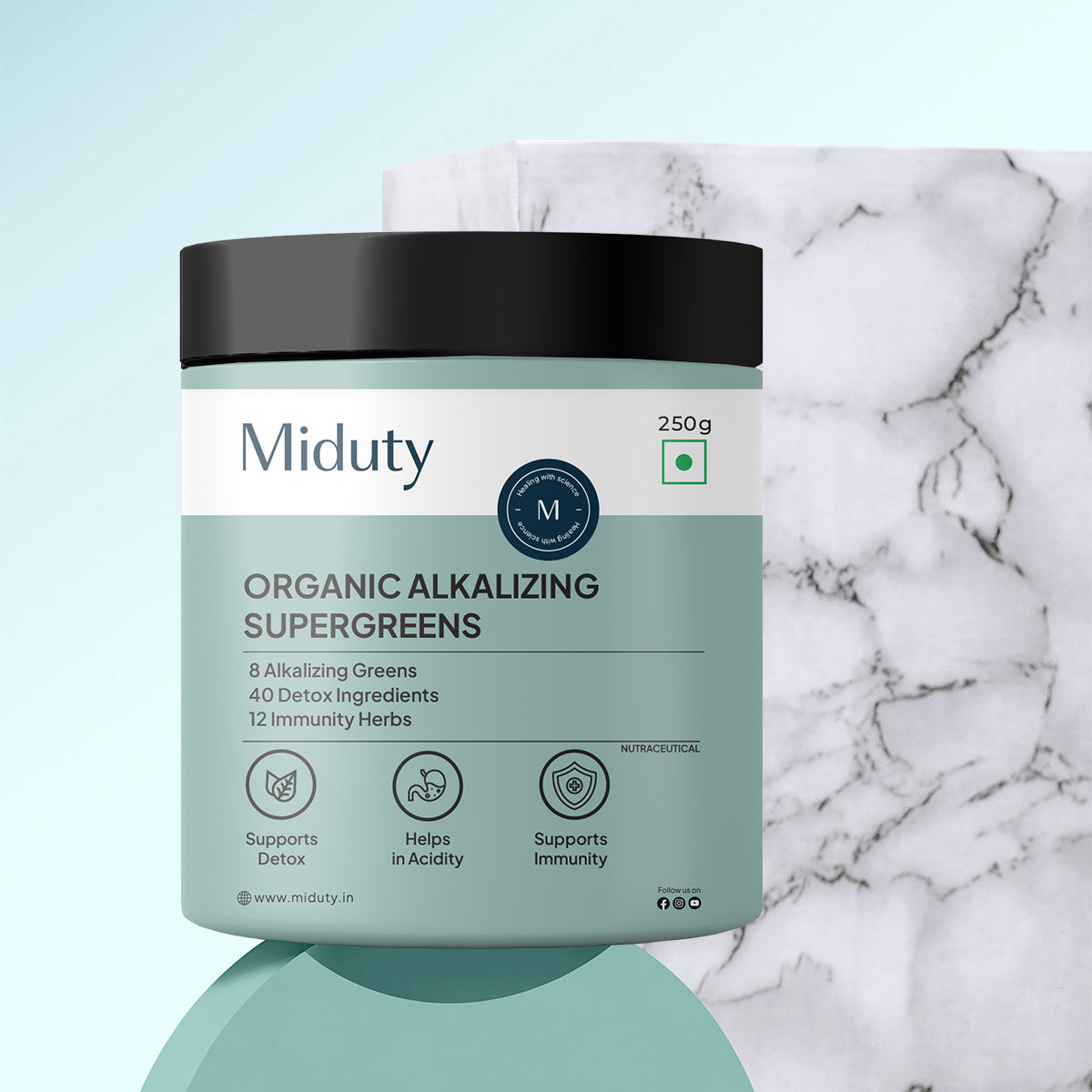
A great example is one supergreen supplement packed with Moringa leaves, Spirulina, Wheatgrass, Alfalfa, Green Tea leaves, and Green Turmeric. This blend provides a wide spectrum of antioxidants, minerals, and phytonutrients to boost energy, metabolism, gut health, and detox support—all in one daily scoop. Consistency is key, so choose a supplement that tastes good and is easy to mix, helping you stay committed to your wellness routine.
Conclusion
Wheatgrass and barley grass have earned their place in the wellness spotlight for good reason. Both are rich in essential nutrients, antioxidants, and cleansing compounds that support the body in different yet complementary ways. Wheatgrass stands out for its powerful detoxifying properties and ability to boost energy and immunity, making it ideal for individuals looking to purify and revitalize the body. Barley grass, on the other hand, excels in digestion, pH balance, metabolic support, and anti-aging benefits, offering an excellent choice for those seeking long-term cellular and gut health.
Rather than choosing one over the other, many people find that combining both delivers the most comprehensive wellness benefits. And with today's supergreen supplements that blend multiple nutrient-dense ingredients including wheatgrass and barley grass. It's easier than ever to support detoxification, digestion, energy, and immunity in one daily serving. Consistency is key, small, nourishing choices each day lead to lasting health.
FAQ's on Wheatgrass and Barley Grass -
Q1 - Which is better, barley grass or wheatgrass?
Wheatgrass and barley grass are quite similar, but wheatgrass is especially noted for its high chlorophyll concentration, while barley grass is recognized for having more fiber and antioxidants. Wheatgrass typically has a stronger, slightly bitter taste, whereas barley grass offers a milder, more pleasant flavor. Both are nutrient-dense and support overall health, though barley grass generally contains more protein and fiber.
Q2 - Can I mix barley and wheatgrass?
Yes, you can mix barley grass and wheatgrass, and they're often blended together in green powders and smoothies to maximize nutritional benefits. Combining them provides a wider spectrum of vitamins, minerals, and antioxidants than either one alone. However, keep in mind that while wheatgrass is naturally gluten-free, barley grass may contain traces of gluten if harvested along with the seed, so anyone with gluten sensitivity should choose products carefully.
Q3 - Who should not take wheatgrass?
People with autoimmune disorders, weakened immune systems, allergies, or celiac disease should avoid wheatgrass or use it with extreme caution. Pregnant or breastfeeding women, individuals preparing for surgery, and those with diabetes or taking blood-thinning medication should also speak with a healthcare professional before using wheatgrass.
Q4 - Who cannot take barley grass?
People who are allergic to grass, cereal grains, or gluten should avoid barley grass. It should also be used cautiously by individuals with celiac disease or gluten sensitivity, and pregnant or breastfeeding women, those with diabetes, or anyone scheduled for surgery should consult a doctor before using it.
Q5 - Which is better for diabetics barley or wheat?
Barley is a better choice for managing diabetes than wheat because it has a lower glycemic index and higher fiber content, particularly the soluble fiber beta-glucan, which helps regulate blood sugar and cholesterol. While whole wheat is a good option, barley's beneficial properties often lead to better blood sugar control and metabolic health compared to wheat.
References