Top 10 Nutraceutical Products in India for Daily Wellness

Walk into any pharmacy in India today and you'll see rows of vitamins, protein powders, and herbal capsules, all promising better health in some form. It can get confusing fast. Some people swear by them; others think they're a waste of money.
The truth is somewhere in between. Nutraceuticals can genuinely help when there's an actual gap to fill, but they're not magic pills either.
This guide breaks down what they really are, which ones are worth considering, and how to choose one without falling for marketing gimmicks.
What Are Nutraceutical Products?
Nutraceutical products are foods or food-derived substances that offer health benefits beyond basic nutrition, often used to prevent or manage health conditions.
The term blends "nutrition" and "pharmaceutical," reflecting their role as a bridge between food and medicine. These products include dietary supplements, vitamins, minerals, herbal extracts, probiotics, and functional foods like fortified cereals or omega-3-enriched eggs.
Unlike regular food, nutraceuticals are formulated to deliver specific health advantages, such as boosting immunity, supporting heart health, or improving digestion. They come in various forms, including capsules, powders, and tablets, making them convenient for everyday use while promoting overall wellness.
Nutraceuticals vs. Health Supplements

|
Basis |
Nutraceuticals |
Health Supplements |
|
Meaning |
Food-derived products that offer health benefits along with basic nutrition |
Products used to add missing nutrients to the diet |
|
Purpose |
Support specific health functions, like gut health, liver, or immunity |
Fill nutritional gaps such as vitamins, minerals, or protein |
|
Form |
Usually made from concentrated food-based or herbal sources |
Available as tablets, capsules, powders, or liquids |
|
Regulation in India |
Regulated under FSSAI as a separate category |
Also regulated under FSSAI but treated as dietary supplements |
|
Example |
Probiotics, herbal extracts, omega-3, fibre blends |
Multivitamins, calcium, iron, protein powders |
|
Usage Purpose |
Often used for a specific health concern or long-term support |
Generally used to meet everyday nutritional needs |
In practice, the line between the two is quite blurred, and many products fall under both categories at once. What matters more than the label is the actual ingredient, its dose, and whether it fits your specific need.
Are Nutraceutical Products Necessary for Everyone?
Not everyone needs a supplement, and it really depends on your diet, lifestyle, and current health condition. It's worth looking at where you personally stand before adding anything to your routine.
Nutraceuticals May Be Useful When
- Your diet lacks variety or misses key food groups regularly
- Blood tests show a clear deficiency in a vitamin or mineral
- You follow a vegetarian or vegan diet with limited nutrient sources
- You're dealing with high stress, poor sleep, or a demanding routine
- You're recovering from illness, surgery, or antibiotic use
- You're above 40, when nutrient absorption naturally starts to decline
- You have specific goals like muscle gain, better digestion, or immunity support
Nutraceuticals May Not Be Needed When
- Your diet is already balanced and covers most food groups well
- Your recent blood work shows normal, healthy nutrient levels
- You get enough sunlight, sleep, and physical activity regularly
- You're only taking a supplement because it's trending, without an actual need
- You're already on medication that could interact with certain supplements without medical advice
- You expect a supplement to replace good food and lifestyle habits altogether
When in doubt, a basic blood test is usually more useful than guessing.
Top 10 Nutraceutical Products in India for Daily Wellness

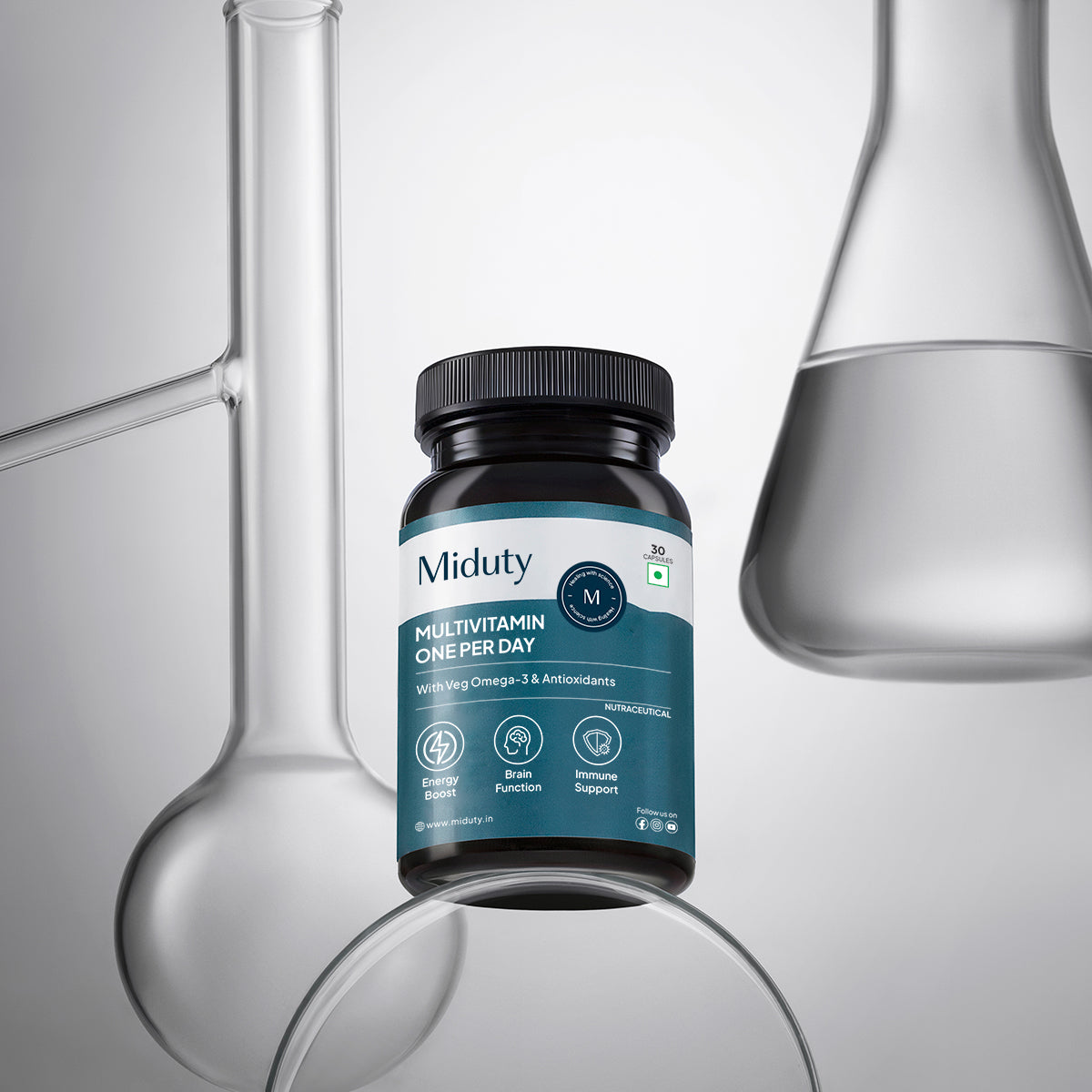
1. Multivitamin and Mineral Supplements
Studies show that over 70% of Indians get less than half the recommended amount of key nutrients like calcium, iron, and zinc. Chelated or amino acid-bound forms are easier for the body to absorb compared to basic oxide-based multivitamins.
2. Vitamin D3 Supplements
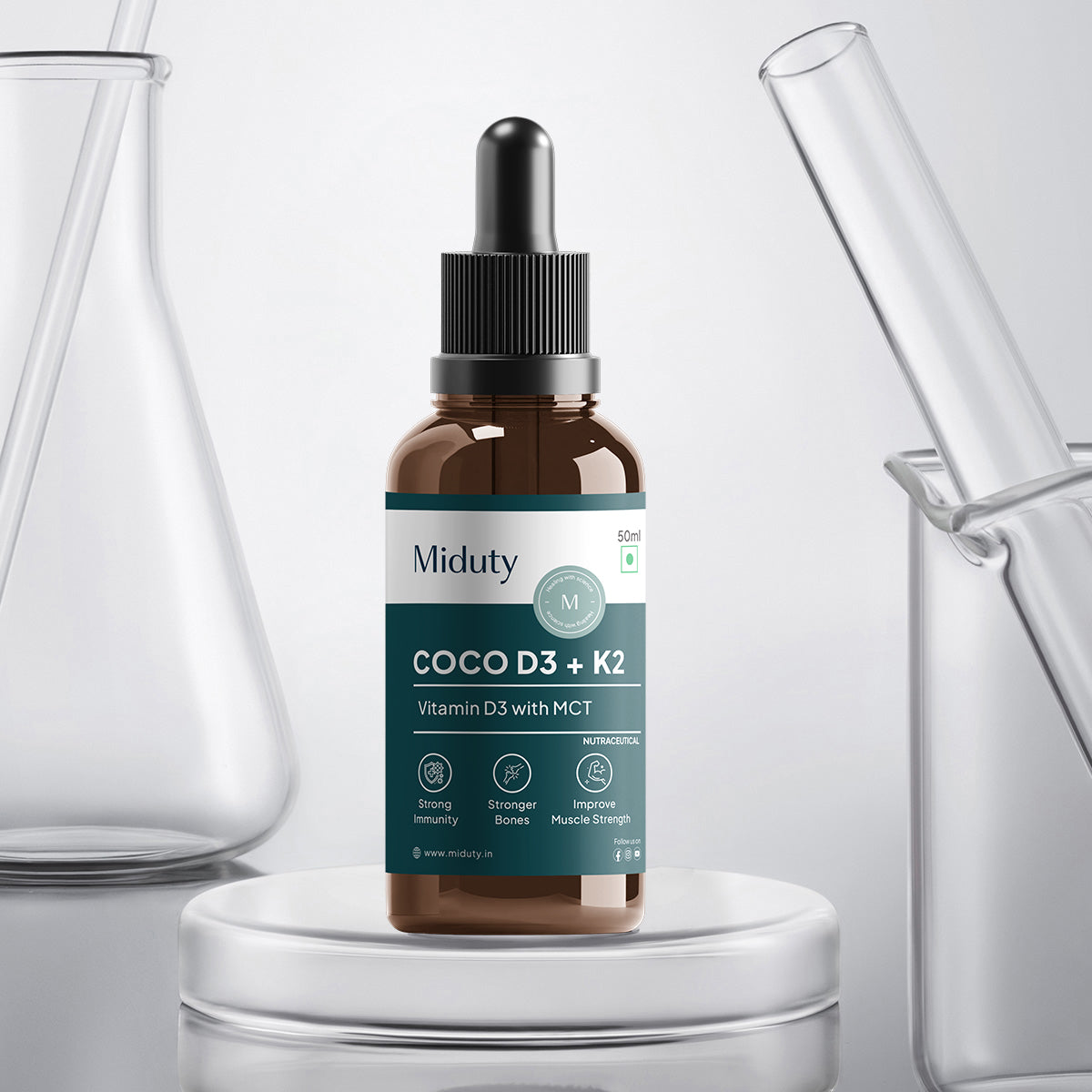
Even with plenty of sunlight, close to 70-80% of Indians are deficient in vitamin D, mainly due to indoor lifestyles and pollution. D3 (cholecalciferol) is better absorbed than D2 and works even better when taken along with K2, which helps direct calcium to the bones.
3. Omega-3 Supplements
Most Indian diets are largely vegetarian and low in fatty fish, which makes omega-3 deficiency fairly common. Around 76% of Indians are deficient in omega-3. Triglyceride-form fish oil is absorbed better than the cheaper ethyl ester form, so the form matters when choosing a supplement.
4. Probiotics and Prebiotics
Around 50-70% of people have gut issues, often caused by antibiotics, poor diet, or stress. Spore-based probiotic strains survive stomach acid better than regular ones, which is the idea behind Miduty's PROBIOTICS+, combined with prebiotic fiber that helps feed good gut bacteria.
5. Protein Powders and Amino Acid Supplements
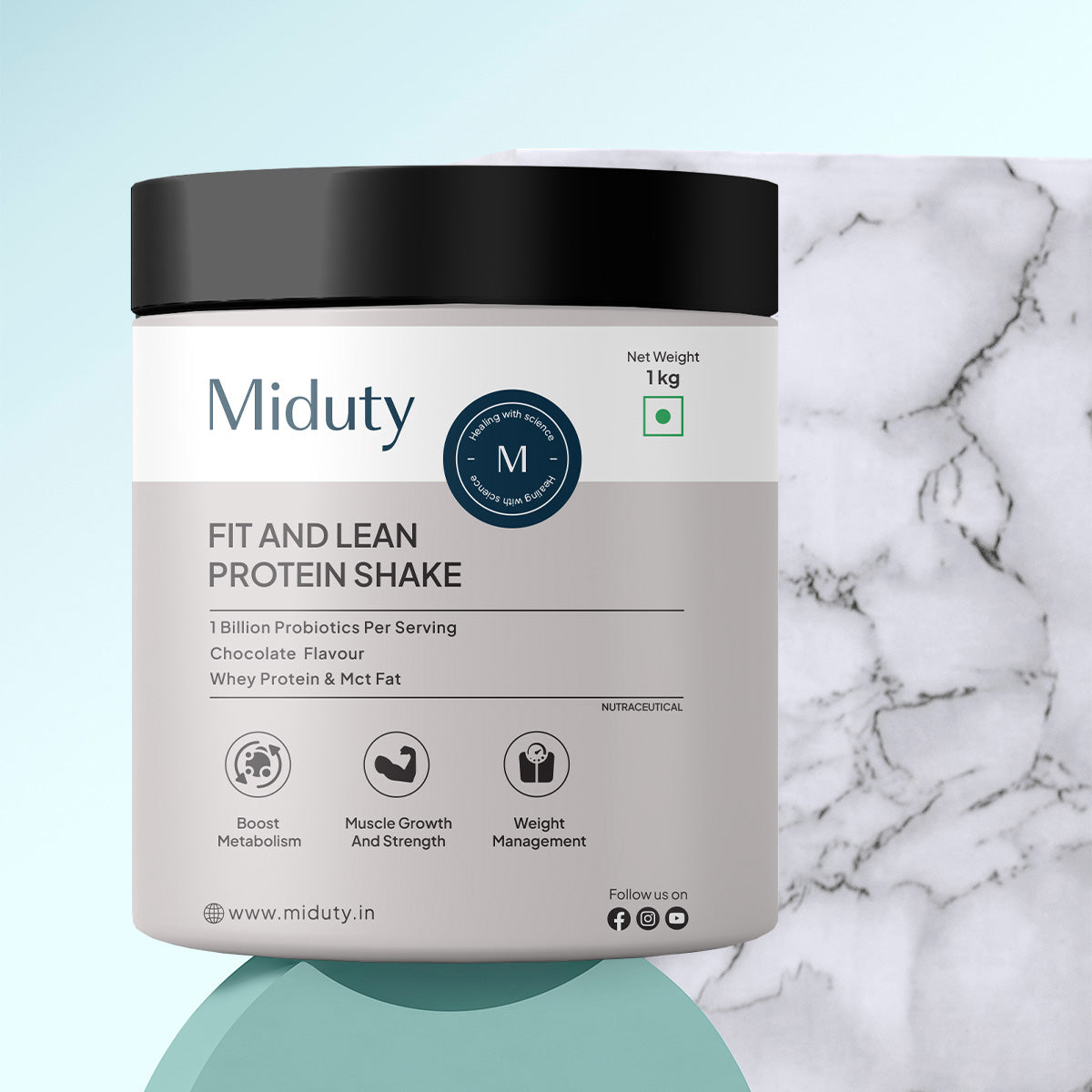
A 2017 survey found that 73% of Indians are protein deficient, and most are unaware of their daily requirement. Whey protein isolate is absorbed faster and more completely than plant-based proteins, which is why many people choose it to meet their daily needs, including Miduty's Fit & Lean Protein Shake.
6. Magnesium Supplements
Magnesium deficiency is often overlooked, but studies suggest more than 70% of Indian adults do not get enough, largely due to soil depletion and processed food intake. Magnesium bisglycinate absorbs much better than magnesium oxide and is gentler on the stomach, which is the form used in Miduty's Magnesium Relax.
7. Calcium With Vitamin D or K2
Nearly 93% of Indian children fall short of their daily calcium needs, and adults are not far behind. Calcium citrate is better absorbed than calcium carbonate, and pairing it with D3 and K2 helps ensure the calcium actually reaches the bones.
8. Vitamin B12 and B-Complex Supplements
Around 53% of Indians tested show B12 deficiency, and the numbers are even higher among vegetarians.⁶ Methylcobalamin is the active form of B12 and is more easily used by the body compared to cyanocobalamin.
9. Collagen Peptides
Natural collagen production slows down after the mid-20s, and Indian diets usually do not provide much of it. Hydrolyzed collagen peptides are broken down into smaller particles, which makes them easier for the body to absorb than whole collagen protein.
10. Herbal and Plant-Based Nutraceuticals
Herbal ingredients like ashwagandha and milk thistle are commonly used for stress and liver support. Standardized extracts, such as 80% silymarin used in Miduty's Liver Detox, tend to be more reliable than raw herbal powders since the active compound is measured and consistent each time.
Top 10 Nutraceutical Products at a Glance
|
Product |
Common Deficiency in India |
Better Absorbed Form |
|
Multivitamin and Mineral Supplements |
Over 70% fall short of RDA for calcium, iron, and zinc |
Chelated or amino acid-bound forms |
|
Vitamin D3 Supplements |
Close to 76% are deficient despite ample sunlight |
D3 (cholecalciferol), paired with K2 |
|
Omega-3 Supplements |
Common in vegetarian diets with low fatty fish intake |
Triglyceride-form fish oil |
|
Probiotics and Prebiotics |
Widespread gut imbalance from antibiotics, diet, and stress |
Spore-based strains with prebiotic fibre |
|
Protein Powders and Amino Acid Supplements |
73% are protein deficient |
Whey protein isolate |
|
Magnesium Supplements |
70%+ of adults do not get enough |
Magnesium bisglycinate |
|
Calcium With Vitamin D or K2 |
Nearly 93% of children fall short |
Calcium citrate, with D3 and K2 |
|
Vitamin B12 and B-Complex Supplements |
Around 53% show deficiency, more in vegetarians |
Methylcobalamin |
|
Collagen Peptides |
Declines naturally after the mid-20s |
Hydrolyzed collagen peptides |
|
Herbal and Plant-Based Nutraceuticals |
Low intake of standardized herbal actives |
Standardized extracts, like 80% silymarin |
How to Choose the Best Nutraceutical Product in India?
1. Check the FSSAI license number
Every genuine nutraceutical product sold in India should carry a valid FSSAI license number on the label. This is a basic sign that the product meets food safety standards. If it is missing, it is best to avoid the product.
2. Check the Active Ingredient Dose
Many labels list ingredients without mentioning the actual quantity. Always check the exact dose of the active ingredient, since a product with a very low amount may not give any real benefit, even if the ingredient name sounds impressive.
3. Check Ingredient Form
The form of an ingredient affects how well the body can absorb and use it. For example, magnesium bisglycinate absorbs better than magnesium oxide, and methylcobalamin works better than cyanocobalamin. A good product usually mentions the exact form used.
4. Check for Third-Party Testing
Look for products that are tested by independent labs for purity and heavy metals. This adds an extra layer of assurance beyond what the brand claims on its own.
5. Check Claims Carefully
Be cautious of products that promise quick or dramatic results. Genuine supplements usually mention gradual, realistic benefits backed by some form of research or clinical reference, not overnight transformations.
Nutraceuticals for Different Daily-Wellness Goals
For Energy and Nutritional Gaps
Constant tiredness is often linked to low iron, B12, or vitamin D, especially in people who skip meals or eat a limited diet. A basic multivitamin or B-complex can help close these gaps over time.
For Bone and Muscle Health
Calcium, vitamin D3, and protein work together here, not separately. Weak bones or slow muscle recovery are usually a sign that one of these three is missing from the diet somewhere.
For Gut Health
Bloating, irregular digestion, or a gut that just feels "off" usually points to low fiber intake or an imbalance in gut bacteria. Probiotics and prebiotics, taken together, tend to work better than either one alone.
For Heart and Metabolic Wellness
Omega-3s, along with a liver that's functioning well, play a bigger role in heart and metabolic health than most people realize. A sluggish liver can quietly affect cholesterol and fat metabolism over time.
For Skin, Hair and Aging Support
Collagen, biotin, and zinc are the usual go-to's, but skin and hair issues often trace back to gut or liver health too, not just what's applied topically.
For Stress, Sleep, and Relaxation
Magnesium and ashwagandha are commonly used here, since both help the nervous system relax and support deeper, more restful sleep.
Who Should Be Careful Before Taking Nutraceuticals?
- Pregnant or breastfeeding women, since not all ingredients are safe during this time
- People already on regular medication, as some supplements can interact with them
- Anyone with kidney or liver issues, since certain nutrients need to be limited
- People with known allergies to specific ingredients or sources
- Children, unless a specific product is meant for their age group
- Those with existing health conditions like diabetes or thyroid issues, without checking with a doctor first
Common Mistakes People Make While Buying Nutraceutical Products
- Picking a product just because it's popular or trending online
- Not checking the actual dose of the active ingredient on the label
- Ignoring the FSSAI license number or other basic safety details
- Assuming more capsules or a higher price means better quality
- Taking multiple supplements together without checking for overlap
- Expecting quick results and stopping too soon when nothing happens right away
- Not checking with a doctor when already on medication or dealing with a health condition
How Long Do Nutraceutical Products Take to Work?
This depends a lot on what you're taking and why. Some things, like magnesium for sleep, can show mild results within a couple of weeks. Others, like probiotics or collagen, usually take 6 to 12 weeks before you notice any real change, since they work gradually by restoring balance in the body rather than fixing things overnight.
Deficiencies like vitamin D or B12 can take a few months to correct properly, especially if levels were quite low to begin with. It's also worth remembering that consistency matters more than the product itself. Skipping doses often or expecting fast results is usually where people get disappointed.
When Should You Consult a Doctor Before Taking Nutraceuticals?
It's a good idea to check with a doctor if you're pregnant, breastfeeding, or already on regular medication, since some supplements can interact in ways you might not expect. The same goes for anyone managing a health condition like diabetes, thyroid issues, or kidney and liver problems.
If you're unsure about the right dose, or if you plan to take more than one supplement together, a quick consultation can save you from unnecessary side effects. And if you've been on a supplement for a while with no visible improvement, that's usually a sign to get your levels checked instead of just continuing on your own.
Conclusion
Nutraceuticals aren't something everyone needs, but for a lot of people dealing with fatigue, poor digestion, or a diet that just isn't cutting it, they can make a real difference. The key is picking the right one for your actual need, checking the ingredient form and dose, and not falling for flashy claims.
A basic blood test still tells you more than any advertisement ever will. Start small, stay consistent, and consult a doctor when something feels off. That's usually enough to get real, lasting results.
FAQs on Nutraceutical Products -
Q1. What are the best nutraceutical products in India?
It depends on your specific need, but multivitamins, probiotics, protein powders, magnesium, and vitamin D remain the most widely used across India, with brands like Miduty offering targeted, well-formulated options for each.
Q2. Are nutraceuticals the same as supplements?
Not quite, even though people use the two words interchangeably. Nutraceuticals come from food and target specific health functions, while supplements are more about filling everyday nutritional gaps.
Q3. Are nutraceuticals medicines?
No, they're not. They help support your general health, but they're not meant to treat or cure anything, and they definitely shouldn't replace medicine a doctor has prescribed.
Q4. Are nutraceutical products safe for daily use?
For the most part, yes, as long as you're taking the right dose and form. If you have any existing health condition, though, it's worth checking with a doctor first.
Q5. Do I need nutraceuticals if I eat a balanced diet?
Yes. Even with a balanced diet, you may not get enough of every nutrient due to lifestyle, food quality, or poor absorption. Nutraceuticals can help fill these nutritional gaps and support daily health.
Q6. Which nutraceutical product is best for daily wellness?
A simple multivitamin covering the basics usually does the job for general wellness. That said, what's best really comes down to your lifestyle and whether you have any specific gaps.
Q7. Which nutraceutical is best for gut health?
Probiotics paired with prebiotic fiber tend to be a solid combination. They work together to support digestion and help bring gut bacteria back into balance.
Q8. Which nutraceutical is best for skin health?
Collagen, zinc, and biotin are the usual suspects here. But skin issues often trace back to gut or liver health as well, not just what you're putting on your skin.
Q9. How do I choose a good nutraceutical brand in India?
Check for a valid FSSAI license, clear mention of ingredient doses, and ideally some third-party testing. If a brand is upfront about all this, that's usually a good sign. Miduty is one of the best nutraceutical brand in India following all above checklist.
Q10. How can I check if a nutraceutical product is genuine?
Look for the FSSAI license number, manufacturing details, and batch number on the pack. A genuine brand won't make you hunt for this information.
Q11. What is the role of FSSAI in nutraceutical products?
FSSAI is the body that regulates and licenses these products in India, making sure they meet basic food safety standards before they reach store shelves.
Q12. Can nutraceuticals replace medicines?
No, not at all. They can support your overall health, but they're not a substitute for prescribed medication, especially if you've been diagnosed with a specific condition.
Q13. Can taking too many nutraceutical products be harmful?
It can be. Stacking multiple supplements without checking for overlap can push certain nutrients too high, and that can cause its own set of problems over time.
Q14. Which nutraceutical products should not be taken without testing?
Iron, vitamin D, and B12 are the ones to be careful with. Taking them blindly, without knowing your actual levels, can sometimes cause more harm than good.
References