The Miracle Trio: Surprising Health Benefits of Vitamin A, D, and K You Need to Know

Have you ever had those times when your energy levels collapse and you feel as if you're running on empty? Or have you noticed your once glowy skin losing its brightness as the stresses of daily tasks take their toll?
Don't worry, I'm on a mission because I have an invincible weapon to help you rediscover your superpowers: Vitamins!
Picture this: you are dealing with domestic tasks, caring for loved ones, and preserving your well-being when you suddenly find yourself feeling tired and low on energy. It's as if your body is losing its power, and you desperately need a power boost to tackle each day with zeal.
My close friend who is a passionate and diligent homemaker, found herself in this very situation one fine day. Her once-limitless energy had faded, and she longed for the strength that had once pushed her superheroic activities around the house. I set out on a journey to seek the remedy to help her reclaim her superpowers: vitamins!
I dived into the world of vitamins, especially vitamin ADK, discovering their incredible ability to restore balance, boost spirits, and provide us with the power we need to face our everyday problems. I discovered the extraordinary influence these tiny fighters had on our general well-being, lighting a spark of recovery within ourselves.
I'm excited to share the secrets I discovered during my powerful journey with you in this blog. Join me as we discover the wonderful impact vitamins have on our lives. Discover how these wonderful nutrients may refill our energy reserves, improve our natural beauty, and provide us with the superpowers we require to conquer the world—beginning with our own homes.
Why are Vitamins Necessary?
Vitamins are chemical molecules that are required by the body to function properly. They serve as catalysts for crucial metabolic reactions, assisting in metabolic processes, growth, development, and the maintenance of many body systems. Vitamins are divided into two categories: Water-soluble vitamins (such as Vitamin C and B-complex vitamins) and fat-soluble vitamins (such as Vitamins A, D, E, and K).
While all vitamins are beneficial, Vitamin ADK stands out as a one-of-a-kind trio with combined advantages. These three fat-soluble vitamins, Vitamins A, D, and K, work together to give an extensive range of health benefits that go beyond their separate contributions.
Vitamin ADK, often known as the Miracle Trio, is made up of three vital fat-soluble vitamins. Let's take a deeper look at each of these vitamins and see what health benefits they provide.
What is Vitamin A?

Vitamin A is a fat-soluble nutrient vital for good vision, immune function, skin health, and cell growth. It exists in two forms: preformed vitamin A, found in animal sources like liver and dairy, and provitamin A, which is primarily in plant foods.
Beta-carotene, a type of provitamin A, is an antioxidant that the body converts into vitamin A. Found in colorful vegetables like carrots, sweet potatoes, and spinach, beta-carotene supports eye health and protects cells from damage.
What are the Benefits of Vitamin A?
Here are the benefits of Vitamin A:
1) Supports Vision: Vitamin A is essential for the production of rhodopsin, a protein in the eyes that helps with night vision and overall eyesight.
2) Boosts Immune System: It enhances the production of white blood cells, strengthening the body's ability to fight infections.
3) Promotes Skin Health: Vitamin A helps maintain healthy skin by promoting cell turnover and improving skin conditions like acne and eczema.
4) Supports Growth and Development: It is important for the formation of healthy bones, tissues, and organs, particularly in infants and children.
5) Aids Reproductive Health: Vitamin A contributes to healthy reproductive organs and hormonal balance.
6) Antioxidant Properties: Beta-carotene, a form of Vitamin A, acts as an antioxidant, protecting cells from oxidative stress and reducing the risk of chronic diseases.
7) Supports Fetal Development: It is crucial during pregnancy for proper fetal growth and development.
8) Cell and Tissue Repair: Helps in the repair and maintenance of cells and tissues throughout the body.
What is Vitamin D?

Vitamin D is a fat-soluble vitamin that is essential for overall health, particularly in maintaining strong bones and teeth. It helps the body absorb calcium and phosphorus, which are crucial for bone formation. Vitamin D also plays a role in immune function, muscle health, and reducing inflammation. It can be obtained from sunlight exposure, certain foods like fatty fish and fortified dairy, and supplements.
There are two main forms: vitamin D2 (ergocalciferol) and D3 (cholecalciferol), with D3 being more effective in raising blood levels of the vitamin.
What are the Benefits for Vitamin D?
Here are the benefits of Vitamin D:
1) Promotes Strong Bones and Teeth: Vitamin D enhances calcium and phosphorus absorption, essential for the development and maintenance of strong bones and teeth.
2) Supports Immune System: It strengthens the immune system, helping the body fight infections and reducing the risk of chronic illnesses like autoimmune diseases.
3) Improves Muscle Function: Adequate vitamin D levels are essential for maintaining muscle strength and function, reducing the risk of falls, particularly in older adults.
4) Reduces Inflammation: Vitamin D has anti-inflammatory effects, which can help manage conditions like arthritis and reduce overall inflammation in the body.
5) Enhances Mood and Mental Health: Low levels of vitamin D are linked to an increased risk of depression and mood disorders. Sufficient levels may improve overall mental well-being.
6) Aids in Weight Management: Some studies suggest vitamin D can play a role in fat metabolism, supporting weight management efforts.
7) Supports Cardiovascular Health: It may help regulate blood pressure and reduce the risk of heart disease by improving blood vessel function.
8) Regulates Insulin and Diabetes: Vitamin D may assist in the regulation of insulin and reduce the risk of type 2 diabetes.
What is Vitamin K?

Vitamin K is a fat-soluble vitamin essential for blood clotting and bone health. It exists in two primary forms: K1 (phylloquinone), found in green leafy vegetables, and K2 (menaquinone), found in fermented foods and animal products.
Vitamin K helps activate proteins that regulate blood clotting, preventing excessive bleeding. It also plays a vital role in calcium regulation, supporting bone health by promoting the proper binding of calcium to bones and teeth.
What are the Benefits of Vitamin K?
Here are the benefits of Vitamin K:
1) Promotes Healthy Blood Clotting: Vitamin K activates proteins that are essential for blood coagulation, helping prevent excessive bleeding and promoting wound healing.
2) Supports Bone Health: Vitamin K plays a key role in bone metabolism by activating proteins that regulate calcium in bones, improving bone mineralization and reducing the risk of fractures.
3) Improves Cardiovascular Health: It helps prevent calcium buildup in the arteries, reducing the risk of arterial stiffness and cardiovascular disease.
4) Enhances Insulin Sensitivity: Some studies suggest that vitamin K may improve insulin sensitivity and help regulate blood sugar levels, potentially reducing the risk of type 2 diabetes.
5) Supports Cellular Health: Vitamin K contributes to cell growth and regeneration, playing a role in maintaining the health and function of tissues throughout the body.
6) Boosts Bone Mineral Density: Adequate vitamin K levels can help increase bone mineral density, which is crucial for preventing osteoporosis, especially in older adults.
7) Reduces Inflammation: Vitamin K has anti-inflammatory properties that may help manage chronic inflammatory conditions, including arthritis.
How Combination of Vitamin ADK Works Together?
The combination of vitamins A, D, and K produces a synergistic impact that exceeds what any vitamin can do on its own. These vitamins complement and strengthen one another's functions, resulting in a comprehensive approach to general health support.
The combination of Vitamins A, D, and K is especially significant in the field of bone health. Calcium absorption is improved by vitamin D, while vitamin K ensures that calcium is correctly utilized and sent to bones and teeth, minimizing calcium buildup in arteries.
Vitamin A helps in the differentiation of cells and the production of bone-building proteins. Together, these vitamins build strong bones, prevent osteoporosis, and lower the risk of fractures.
According to a study published in the National Library of Medicine, Vitamin ADK may play a function in the prevention of chronic diseases such as cancer and diabetes. The antioxidant properties of vitamin A help protect cells from harm, lowering the chance of cancer growth.
The immune-modulating properties of vitamin D may aid in cancer prevention and therapy. Vitamin K has also been related to a lower risk of diabetes by enhancing insulin sensitivity.
Furthermore, Vitamins A, D, and K help to manage autoimmune illnesses. Vitamin A assists in the regulation of the immune system and the reduction of inflammation. Vitamin D supports an anti-inflammatory environment by modulating immune cell function. Vitamin K promotes immunological responses and helps in the balance of pro-inflammatory and anti-inflammatory substances.
Conclusion
Whether you're a busy mom, a hardworking professional, or someone looking to improve your overall health, Vitamin ADK can be your hidden weapon.
Vitamin ADK, the ideal health trio, combines the benefits of vitamins A, D, and K in a single dose. These fat-soluble vitamins work together to deliver a wide range of advantages that are greater than the sum of their individual contributions.
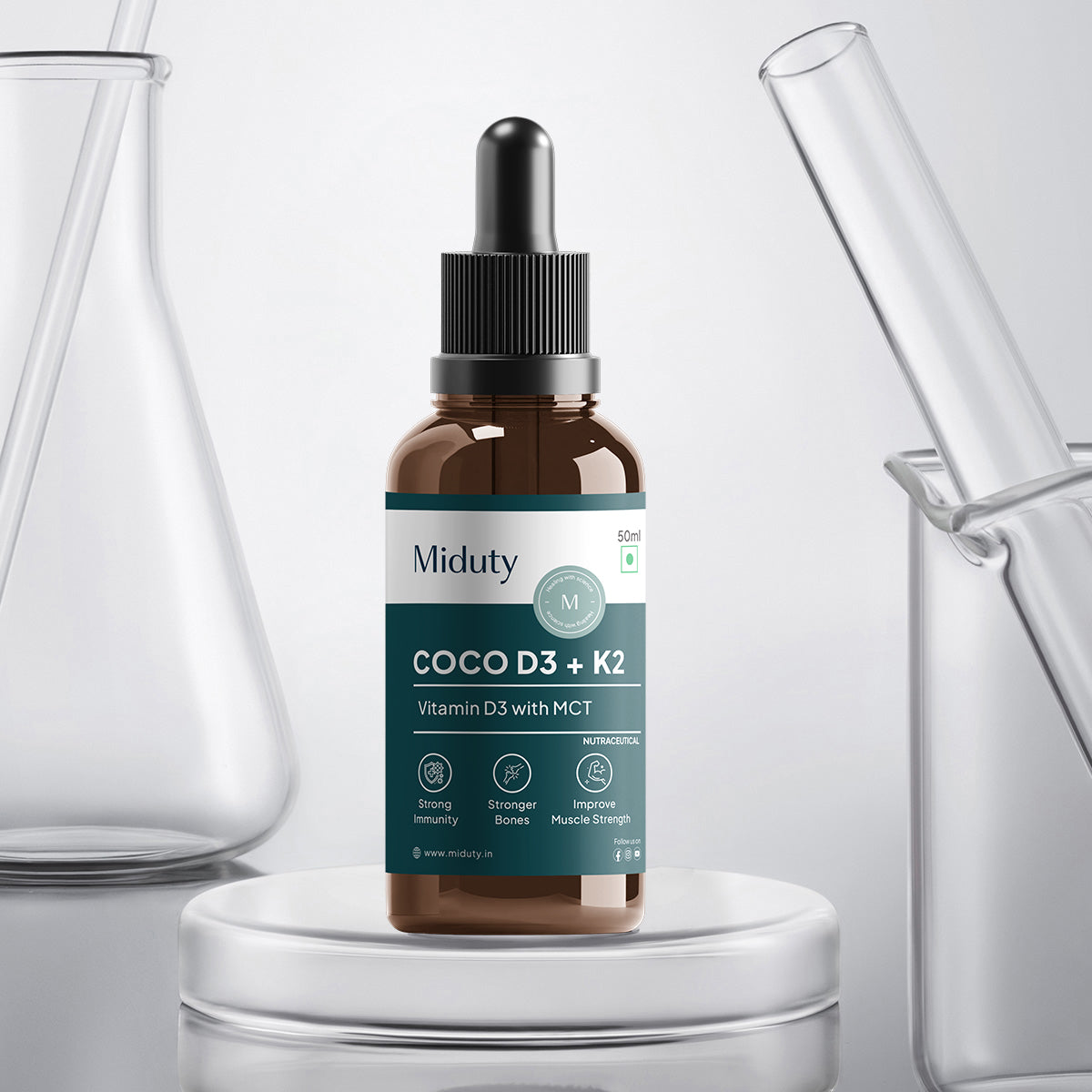
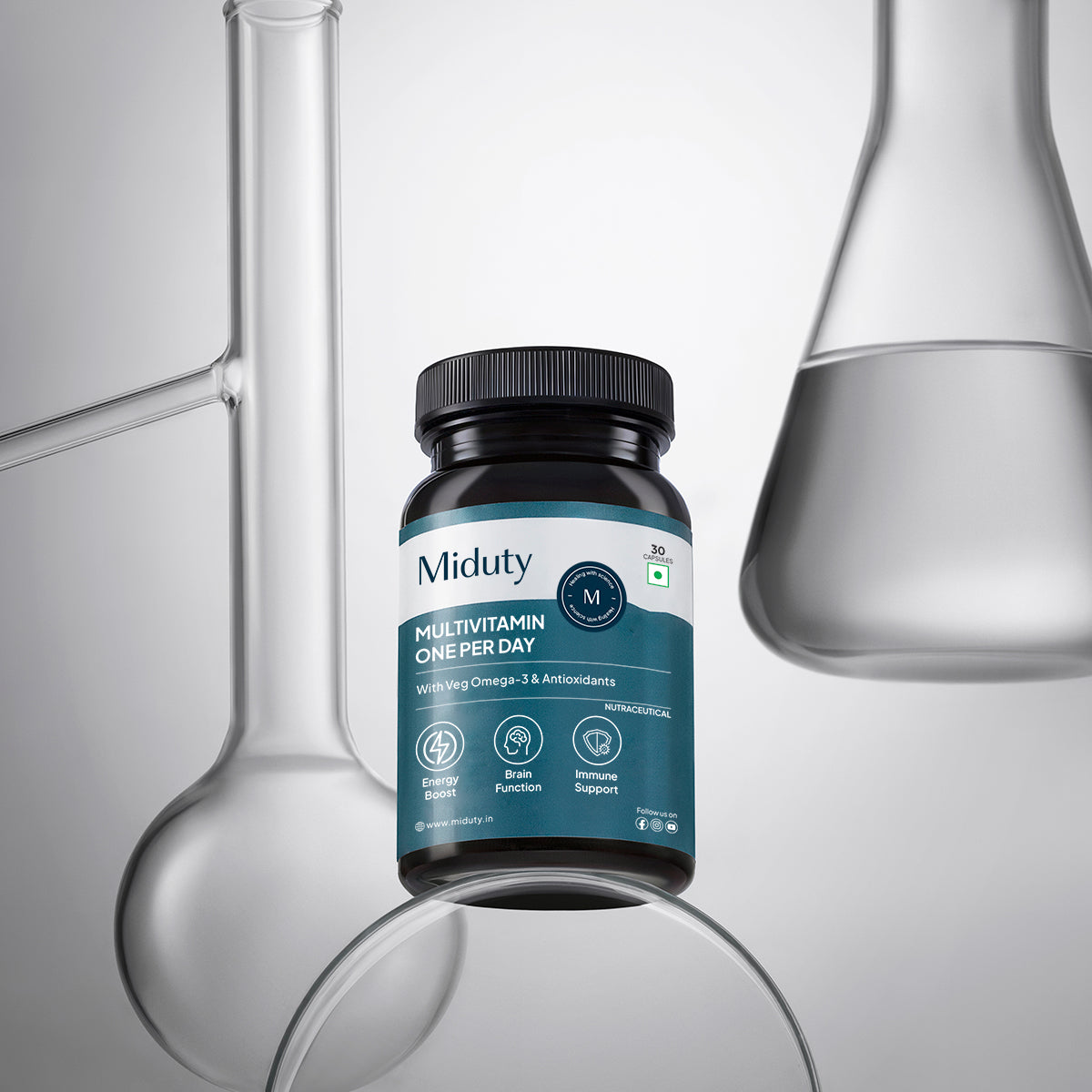
The catch is that achieving optimal levels of these vitamins purely through diet might be difficult. That's when Miduty Vitamin ADK comes in!
Our supplement is precisely made using patented technology to achieve optimum bioavailability, which means your body can properly absorb and utilize these critical nutrients. No need to worry about consuming a variety of foods to receive enough nutrients.
FAQ's on Vitamin A, D and K Together -
Q1 - What are the benefits of Vitamin A, D3, and K2 combination?
Taking vitamin A, D3 and K2 combined supports strong bones, immune health, heart function and skin. Each vitamin has its own benefits.
Q2 - Can I take Vitamin A, D3, and K2 together?
Yes, you can take Vitamins A, D3 and K2 together, as they are fat-soluble vitamins that work synergistically to support bone and cardiovascular health and are safe to take together with food.
Q3 - How do Vitamins A, D3, and K2 work together?
D3 boosts calcium absorption; K2 directs calcium to bones and away from arteries; Vitamin A supports gene regulation and immunity alongside both.
Q4 - What is the best time to take Vitamin A, D3, and K2 supplements?
Timing affects effectiveness. You can take vitamin A either in the morning or evening. Since D3 and K2 are fat soluble vitamins, taking them with meals containing healthy fats improves absorption.
Q5 - Are there any side effects of taking Vitamin A, D3, and K2 together?
Taking Miduty Vitamin A, D3 and K2 is generally safe and even recommended for bone and heart health. Only excessive doses may lead to nausea, diarrhea, or bloating etc.
Q6 - Why is Vitamin D3 important for calcium absorption with Vitamin K2?
Vitamin D3 is important with Vitamin K2 because it activates protein that ensures this calcium is deposited in the teeth and bones and prevents buildup in the arteries.
Q7 - Can Vitamin A, D3, and K2 help improve bone health?
Yes. This trio works together to absorb, regulate, and properly deposit calcium, making bones stronger and denser over time.
Q8 - Do I need Vitamin A, D3, and K2 if I get enough sun exposure?
Sun gives you D3, but not Vitamins A or K2. Most people still need supplemental sources of all three because diet is not enough to fulfil daily requirements.
Q9 - How much Vitamin A, D3, and K2 should I take daily?
Take Miduty 1 capsule with water after breakfast daily.
Q10 - What foods contain Vitamin A, D3, and K2 naturally?
For Vitamin A, eat carrots, sweet potato, spinach, methi, pumpkin, and papaya. For D3, try egg yolks, fatty fish, or simply get 15-20 minutes of morning sunlight daily. For K2, fermented foods like idli, dosa, and homemade pickles offer small amounts - though natto and aged cheese remain the richest sources.
Q11 - Can Vitamin A, D3, and K2 help with immune system support?
Yes. Vitamins A and D3 are critical for activating immune cells, while K2 helps reduce systemic inflammation.
Q12 - Is it safe to take Vitamin A, D3, and K2 during pregnancy?
K2 and D3 are generally considered safe in pregnancy; however, excess Vitamin A (retinol) could be harmful. It is better to consult your doctor before taking any supplements during pregnancy.
Q13 - Does taking Vitamin A, D3, and K2 improve skin health?
Yes. Vitamin A is a proven skin nutrient supporting cell turnover; D3 reduces inflammation; K2 may help reduce dark circles and blemishes. You should add Midutys Vitamin ADK today to improve your skin health.
Q14 - What happens if you take too much Vitamin A, D3, and K2?
Vitamin A, D and K, all are fat soluble vitamins, excessive dose of any may lead to toxicity in the liver and may cause serious health issues.
Q15 - Can Vitamin A, D3, and K2 help prevent osteoporosis?
Yes. D3 increases calcium absorption, K2 ensures it reaches the bone matrix, and Vitamin A supports the bone-building cell cycle.
Q16 - How does Vitamin A contribute to the effectiveness of Vitamin D3 and K2?
Think of Vitamin A as the regulator of the trio. It keeps D3 and K2 in check - balancing calcium, strengthening immunity, and making sure calcium goes to your bones, not your arteries.
Q17 - Can I take Vitamin A, D3, and K2 with other supplements like magnesium?
Yes. Magnesium is actually recommended alongside D3, it's needed to convert D3 into its active form in the body.
Q18 - What are the signs of Vitamin A, D3, or K2 deficiency?
Vitamin A may lead to poor night vision, dry skin. D3 deficiency can cause fatigue, low immunity, bone pain and K2 is responsible for easy bruising, poor wound healing.
Q19 - Is it necessary to take Vitamin A, D3, and K2 together for optimal health?
Not mandatory, but highly recommended, they complement each other and taking them together delivers better outcomes than each alone.
Q20 - What are the best Vitamin A, D3, and K2 supplements available?
Look for supplements using retinyl palmitate (Vitamin A), cholecalciferol (D3), and MK-7 form of K2 for best bioavailability. Miduty Vitamin ADK is also one of the best supplements available in India.