How To Detox Your Liver In Just 3 Days: Best Tips & Tricks

The liver filters over 1.5 liters of blood every minute. It produces bile for fat digestion, metabolizes medications, neutralizes alcohol, and breaks down hormones the body no longer needs. Roughly 500 distinct metabolic functions, all running simultaneously, all without a visible signal when things start to go wrong.
And things do go wrong. Years of processed food, alcohol, environmental toxins, poor sleep, and chronic stress accumulate into a burden the liver eventually can't fully manage. The signals that follow low energy that don't respond to sleep, persistent bloating, brain fog that lingers into the afternoon. They are not random inconveniences. They are the body's way of flagging that something is wrong with the liver.
A focused 3-day liver detox gives the body a structured window to reduce that burden: restore bile flow, support cellular repair, lower oxidative stress, and bring liver enzyme activity back toward normal. Three days is not a gimmick. Done correctly, it produces noticeable changes in energy, digestion, and mental clarity by day two or three.
Key Takeaways
1. Liver detoxification = increased energy. Your energy level can improve noticeably when you detoxify your liver by removing toxins. In three days or less, you will feel like you have more energy, you will be more alert, and you will have less fatigue, all of which makes daily tasks feel a lot easier to accomplish.
2. Reboot Your Digestion. If you experience bloating and sluggish digestion, a liver detox can aid in re-establishing your system. Supporting the production of bile and lowering inflammation can cause less stress on your stomach, helping it to feel more comfortable and any bloating to lessen.
3. Boost Brain Clarity. A congested liver can contribute to brain fog and poor concentration. A short liver detox helps clear the mind, improve focus, and lift mental sluggishness, making it easier to stay sharp throughout the day.
4. Foods such as beets, leafy greens and garlic can greatly aid the function of your liver. When consumed during a detoxification regime, these foods will assist in decreasing inflammation, stimulating bile flow and helping to repair liver cells for long term improvement.
5. 3 Days to Feel the Difference. With the right foods, hydration, and supplements, a 3-day detox can lead to noticeable improvements. By day three, you'll experience better digestion, increased energy, clearer skin, and sharper mental clarity.
Signs You Need a 3-Day Liver Detox
Most people don't wait until something goes seriously wrong. They start paying attention when the everyday symptoms stop being dismissible. Let's have a look at the signs and symptoms that suggest you need a 3 day liver detox.
- Low Energy that rest doesn't fix - The liver produces glucose, regulates blood sugar, and metabolizes thyroid hormones. When it's congested, fuel production drops off and sleep stops being restorative.
- Bloating, gas, and sluggish digestion - Without adequate bile, fat digestion becomes incomplete, producing bloating and a heavy feeling after meals. Many people treat this as a gut problem when the problem is actually in the liver.
- Skin changes - When bilirubin processing backs up, it accumulates in the bloodstream and shows up in the skin as dull yellowing of the eyes or persistent itching without a rash.
- Dark urine and pale stools - Both indicate abnormal bilirubin excretion. If these persist beyond a couple of days, they warrant a medical consultation rather than a home detox.
- Right-sided upper abdominal discomfort - A dull ache or pressure in the upper right quadrant, particularly after fatty meals, can indicate early liver inflammation or congestion.
- Brain fog and poor concentration - When the liver's ammonia clearance slows, even low-grade buildup interferes with neurotransmitter function, producing cognitive sluggishness and mood instability.
- Hormonal disruption - A backed-up liver means estrogen, cortisol, and testosterone circulate longer than they should. In women, this shows as intensified PMS. In men, elevated estrogen relative to testosterone is a common result.
- Unexplained weight gain around the midsection - When the liver's capacity to process fat and regulate insulin drops, fat storage around the abdomen increases.
How Your Liver Naturally Detoxifies Your Body?

According to research published in the National Library of Medicine, the liver cleans your blood in two steps. Phase I and Phase 2.
Phase I (Functionalization): In phase 1, it grabs toxins floating in your bloodstream and breaks them apart. Think of it like cutting a locked box open but it creates a mess in the process. Some of those broken-down pieces are temporarily more harmful than the original toxin.
Phase II (Conjugation): In Phase 2, the liver packages those harmful pieces and attaches them to "carrier" molecules that escort them out of the body through urine or bile. This step runs on nutrients- sulfur,amino acids from protein, and B vitamins. Without these nutrients, the packaging process slows down and toxins pile up.
On top of all this, the liver also digests fat, stores energy for between meals, produces proteins that help blood clot, and makes roughly a liter of bile every single day. When the toxic load gets too high, all of these functions take a hit at once.
"According to WHO, the overall prevalence of NAFLD in adults in Asia varies from 15% to 40%. In India, the community prevalence of NAFLD varies from 5% to 32%, depending on age, gender, area of residence and socioeconomic status."
Natural Ways to Detox Liver in 3 Days
Three days is enough time to produce real, noticeable shifts, reduced inflammation, improved bile flow, lower oxidative stress, and measurably better energy. Each day of the protocol serves a distinct purpose, building on the one before it.
That said, three days is a reset, not a full recovery. Depending on how long the liver has been under stress, complete restoration of liver function can take anywhere from 3 to 6 months of consistent healthy habits. Think of this detox as the starting point, not the finish line.
Day 1 - Preparation Phase
Eliminate alcohol, caffeine, sugars, processed foods, fried foods, red meat, and dairy to ease the liver's load. Hydrate with 2.5-3 liters of water. Focus on raw salads, beets, steamed cruciferous vegetables, and dandelion root tea. Keep movement light with walking or gentle yoga.
Day 2 - Cleansing Phase
Continue to avoid processed foods. Drink turmeric and ginger tea, consume nutrient-dense smoothies, and include legumes, chlorella, and garlic-roasted vegetables. An Epsom salt bath can help with detox, and aim for 8 hours of sleep.
Day 3 - Recovery Phase
Consume foods including oatmeal, walnuts, roasted sweet potato, and wild salmon to promote liver detoxification and decrease inflammation, alongside green tea and leafy greens. Add Milk thistle and NAC supplements for targeted liver protection and overall health.
Best Foods for 3-Day Liver Detox
- Beets: Beets reduce liver inflammation, protect liver cells from oxidative damage, and stimulate bile flow. Eat raw, roasted, or juiced. Consistent throughout all three days.
- Leafy greens (arugula, spinach, kale, dandelion greens): High chlorophyll content helps neutralize heavy metals and chemical toxins in the bloodstream before they reach the liver.
- Cruciferous vegetables (broccoli, cauliflower, Brussels sprouts): According to the research published in National Library of Medicine, glucosinolates, natural compounds found in cruciferous vegetables directly activate Phase II detox enzymes. This is the most evidence-supported food category for liver support.
- Garlic: Research published in Biomedical Reports states allicin and alliin provide the sulfur compounds the body needs for Phase II sulfation. One to two cloves daily is clinically meaningful.
- Walnuts: High in glutathione and L-arginine, both critical for Phase II conjugation.
- Avocado: Avocado contains a good amount of healthy fats like monounsaturated fatty acids, which are great for overall liver support. According to research published in Food & Chemical Toxicology, compounds in avocado oil helped protect liver cells and reduce oxidative stress and inflammation in liver tissues, suggesting a protective effect against liver damage in experimental settings.
- Lemon and citrus: Vitamin C supports glutathione synthesis; limonene in citrus peel activates Phase II enzymes.
You can also download our detailed 4-week fatty liver diet plan to kickstart your health journey today!
6 Powerful Liver Detox Drinks

- Warm Lemon Water: Stimulates bile production, provides ascorbic acid for glutathione, and mildly alkalinizes bile to improve flow.
- Beet and Ginger Juice: Fresh beets blended with ginger, cucumber, lemon, and a small piece of apple. Betalains from beets and gingerols from ginger create a strong anti-inflammatory combination.
- Turmeric Golden Milk (dairy-free): Turmeric powder, black pepper, ginger, and coconut milk. Black pepper increases curcumin absorption by up to 2000%, per research in Planta Medica. Without it, most of the curcumin passes through unabsorbed.
- Dandelion Root Tea: Brewed dandelion root directly stimulates bile secretion and supports liver cell regeneration. Best before dinner.
- Green Detox Smoothie: Spinach, cucumber, green apple, lemon, ginger, parsley. The chlorophyll and vitamin C content make this the strongest breakfast option during the detox window.
- Milk Thistle Tea: It releases enough silymarin to meaningfully protect hepatocytes. An easy daily habit that extends well beyond the three-day period.
Daily Habits That Support Liver Detox
- Sleep 7-9 hours - The liver's peak detox window is midnight to 3 AM. Broken sleep interrupts this process directly. A study published in the National Library of Medicine found that people who sleep less than 6 hours a night are more likely to develop fatty liver disease. The risk of having this condition is 35-40% higher, even if their diet or weight is not a factor.
- Reduce environmental toxin exposure - During a three-day detox, switching to natural cleaning products, skipping synthetic fragrances, and avoiding cosmetics with parabens and phthalates measurably reduces the liver's incoming load. Small changes, real effect.
- Manage stress - Cortisol depletes glutathione - the liver's primary antioxidant defense. Even 15 minutes of diaphragmatic breathing or meditation per day produces measurable effects on cortisol curves over time.
- Move your body moderately - 30-45 minutes of walking or cycling improves hepatic blood flow, stimulates lymph movement, and reduces liver fat. A study in Hepatology found that regular aerobic exercise reduces liver fat independent of dietary change. During the detox, keep intensity moderate, intense training on day one is counterproductive.
- Sweat - Sauna or exercise-induced sweating helps the body excrete toxins through the skin, taking some of the burden off the liver. Research in the Journal of Environmental and Public Health detected heavy metals and phthalates in sweat samples - confirmation that the skin is a legitimate excretion pathway.
- Cut evening screen time - Blue light disrupts melatonin production, and poor melatonin production directly impairs the quality of nighttime liver detoxification. It's a connection most people don't make until they try removing screens after 9 PM and notice deeper sleep.
Supplements That Aid Liver Detox
Whole foods are the foundation, but supplements fill the gaps that diet alone rarely covers - especially after years of processed food, heavy medication use, or significant toxin exposure.
- Milk Thistle (Silymarin): The most researched liver supplement available. It reduces inflammation, protects liver cells from damage, and helps regenerate them. A meta-analysis in the Canadian Journal of Gastroenterology & Hepatalogy confirmed it significantly lowers liver enzyme levels. You can read more in detail about how milk thistle works for fatty liver.
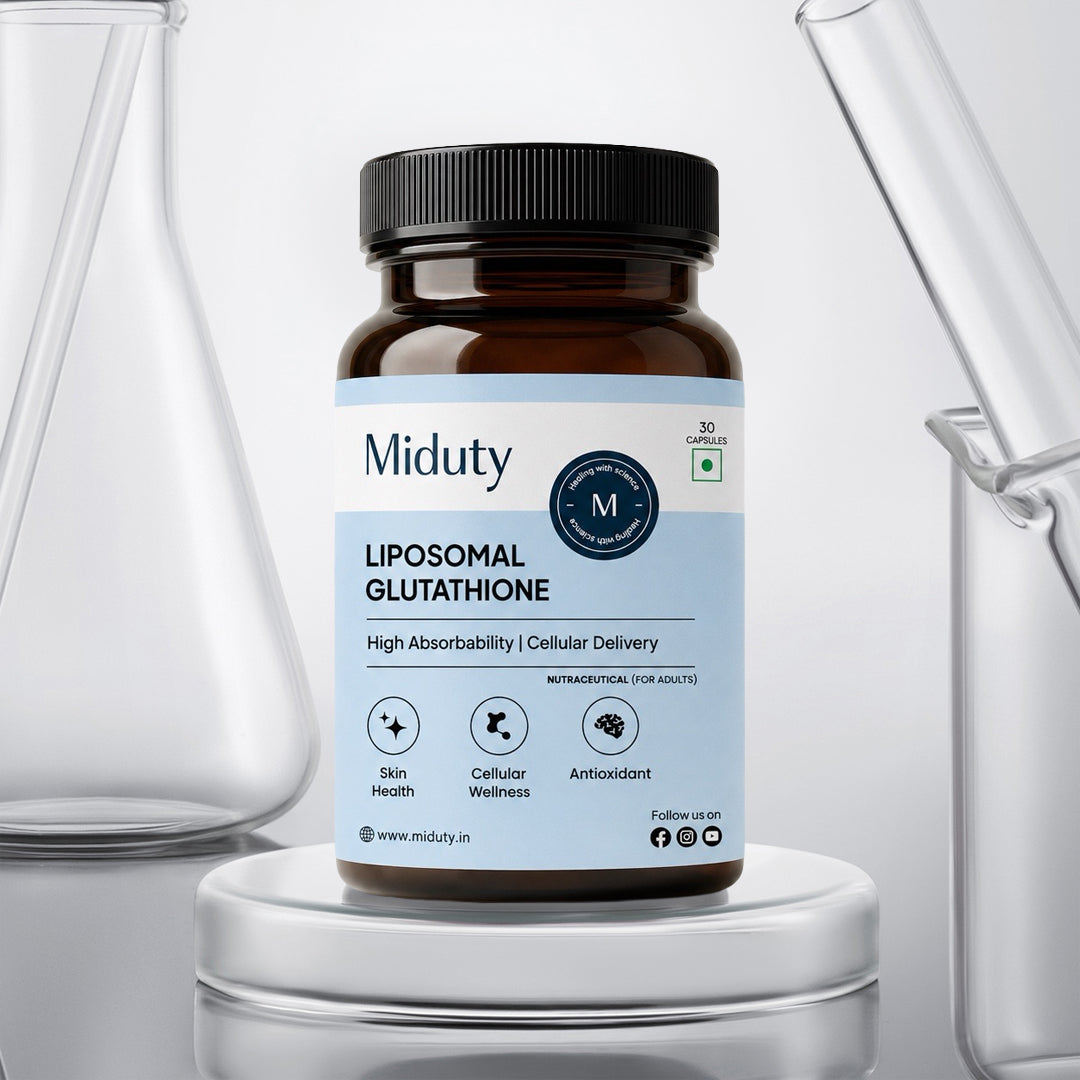
- N-Acetyl Cysteine (NAC): The body uses NAC to produce glutathione, which is essentially the liver's main self-cleaning chemical. Hospitals use it as the standard treatment for acetaminophen overdose. According to the research published in the National Library of Medicine, in a study with 30 participants, taking NAC for 4 months led to a significant decrease in liver enzyme levels (ALT and AST), with reductions of about 25-35%. This was compared to a placebo. The study also showed improvements in liver health markers and reduced signs of liver damage.
- Alpha Lipoic Acid (ALA): An antioxidant that works in both fat and water environments inside the body, meaning it can protect liver cells in places most antioxidants can't reach. It also helps recycle glutathione after it gets used up.
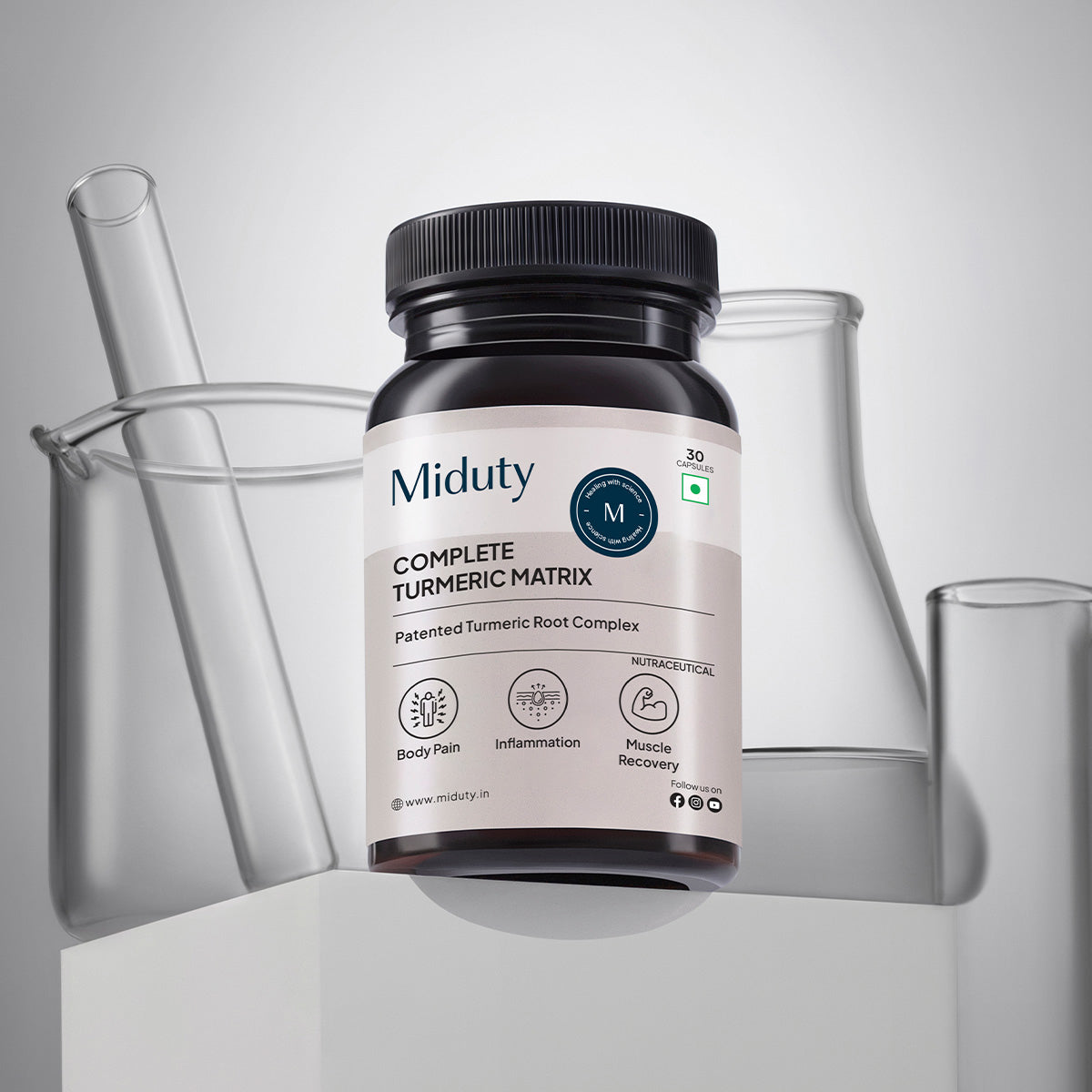
- Turmeric/Curcumin: According to research published in the National Library of Medicine, curcumin switches on Nrf2 (the body's internal antioxidant control switch) and dials down NF-kB (the signaling protein that triggers inflammation). Together, this combination reduces liver inflammation and oxidative stress. Without black pepper extract, very little curcumin actually absorbs, look for formulations that include piperine.
- Dandelion Root Extract: Stimulates bile production and supports liver cell regeneration. Best taken before meals. Dose: 500-2000mg daily.
Signs Of Liver Detox Working
Changes typically begin within 24-48 hours and become more noticeable as the days progress.
- More energy in the morning - You stop feeling like a zombie when you wake up. By day two, most people get out of bed without needing three alarms and a coffee.
- Less bloating - Your stomach stops feeling like a balloon after meals because your body is finally digesting food properly again.
- Clearer urine - Your pee turns pale and clear instead of dark yellow - a simple sign that your body is flushing waste out efficiently.
- Better bathroom trips - More regular, easier bowel movements show that your gut and liver are working together the way they should.
- Less puffiness in the face - That swollen, puffy look in the mirror every morning starts to go away as the body clears out backed-up fluid.
- Brain fog lifting - Thoughts feel sharper and clearer by day three. The mental haziness that made it hard to focus starts to fade as the liver clears waste from the bloodstream.
- Deeper sleep - Night two tends to feel noticeably better - you fall asleep faster, stay asleep longer, and actually wake up feeling rested.
What to Expect During Your 3-Day Liver Detox?
Day one is often the hardest, particularly if caffeine is being removed alongside sugar and alcohol. Mild withdrawal symptoms are normal:
- Mild headache, especially in the afternoon of day one
- Temporary fatigue as the body adjusts fuel sources
- Increased urination as hydration increases
- Occasional light nausea in people whose bile flow is increasing rapidly
None of these are reasons to stop. They are predictable signs of the protocol working.
By evening of day one, most people sleep better than usual. By mid-day two, energy and mental clarity begin to shift noticeably. Day three is when the results feel real, digestion is better, the belly is visibly less bloated, and the quality of thought and mood has measurably shifted.
Pro Tip: The biggest mistake people make is treating day one as the hard part and coasting on day three. Day three is when the protocol compounds: the supplements, sleep, and diet changes are all synergizing. Push through day one, stay consistent on day three, and let the results reflect the full three days rather than two.
Maintaining Liver Health After Detox

A three-day reset means very little if the habits that created the problem return immediately.
- Cut added sugars and refined carbohydrates first - Fructose, found in high-fructose corn syrup, sugary drinks, and processed snacks, is metabolized almost exclusively in the liver and is a primary driver of fat accumulation. According to research published in the Journal of Hepatology, high fructose intake independently promotes hepatic de novo lipogenesis, the liver converts that sugar directly into fat. Eliminating sodas, fruit juices, sweetened yogurts, and packaged pastries alone can produce measurable liver fat reduction within four weeks.
- Keep alcohol within liver-safe limits - The liver processes roughly one standard drink per hour. More than 14 standard drinks per week (men) or 7 (women) consistently raises liver enzyme levels. A minimum of two alcohol-free days per week gives the liver genuine recovery time.
- Continue milk thistle supplementation - The research supports long-term use. No evidence of harm with extended silymarin supplementation exists, and the hepatoprotective benefit continues as long as supplementation continues.
- Keep cruciferous vegetables in the regular diet - Three to five servings per week maintains Phase II enzyme upregulation. This is not a detox-only intervention; it's a baseline.
- Do seasonal resets - A focused one- or three-day detox twice yearly prevents the gradual accumulation of liver burden that eventually produces symptoms.
Myths vs Facts About Liver Detox
Myth: The liver detoxifies itself and doesn't need any support.
Fact: The liver is self-repairing, but in a world full of processed food, environmental chemicals, and medications, it frequently runs at full capacity. Targeted nutrition helps it keep up.
Myth: "Detox" is an advertising term that lacks any scientific evidence to support its claims.
Fact: Detoxification (also known as phase I and phase II detoxification) consists of actual, scientifically supported biological mechanisms. Properly supporting your liver with appropriate nutrients is supported through peer-reviewed academic research, not through advertisers trying to sell you something.
Myth: Three days is not enough time to effectuate any change.
Fact: The liver is much more responsive to changes in your diet than most people think. Research published in the American Journal of Translational Research shows that you can measure statistically significant changes in liver enzyme activity in 3 to 7 days after making a dietary change.
Expert Care Beyond Liver Health
Liver health does not exist in isolation. The gut-liver axis means that gut bacteria, intestinal permeability, and bile circulation directly affect how well the liver functions. Thyroid health affects hepatic metabolism. Adrenal function affects glutathione reserves. Kidney health determines how well cleared toxins are excreted.
If symptoms of liver overload persist beyond a three-day detox or if there is right-upper-quadrant pain, yellowing of the skin or eyes, or persistent abnormal stool or urine color a full metabolic workup is the appropriate next step. This means liver function tests (ALT, AST, GGT, ALP, bilirubin) and abdominal ultrasound. These are not alarming tests. They provide the data needed to understand what's actually happening and address it precisely.
A functional medicine physician or integrative gastroenterologist can map the full picture, determining whether the issue is primarily hepatic, biliary, gut-related, or metabolic and build a protocol matched to actual findings rather than general guidelines.
Conclusion
The liver filters everything: food, air, water, medications, alcohol, stress hormones, and environmental chemicals. It does all of this silently, without a warning light, until the load becomes too heavy to manage. A 3-day liver detox is a structured, nutritionally dense reset that gives the liver what it needs to catch up, reduce inflammation, improve bile flow, and restore the energy and clarity that a congested liver quietly drains away over time.
Done with the right foods, evidence-based supplements like milk thistle and NAC, adequate sleep, and reduced toxic input, the protocol delivers within the three-day window. Energy improves. Digestion normalizes. The belly deflates. Mental clarity returns. Three days of focused support for an organ that works every hour of every day.
FAQs on 3-Days Liver Detox -
Q1. How soon can I feel the effects of a liver detox?
You can notice a small boost in energy or mental clarity within the first day or two, mostly from cutting out junk food and caffeine. For deeper, more noticeable liver improvement, expect around 3 to 6 months with a good diet and supporting supplements like milk thistle.
Q2. Is a three-day detox safe for everyone?
Healthy adults generally have no issues with a three-day detox. The exception is anyone dealing with liver disease, diabetes, or a chronic condition. Some foods and supplements affect how medications work, so a quick check with a doctor before starting is the right move.
Q3. Can I keep doing normal work during the detox?
Yes. Daily routines are not affected for most people. The first day can bring some fatigue, usually tied to cutting caffeine rather than the detox itself. It passes within 24 hours for most.
Q4. What if I don't finish all three days?
One or two days still counts for something. Any reduction in alcohol, sugar, and processed food takes pressure off the liver. Three days gives better results, but stopping early does not cancel out what was already done.
Q5. Will a natural detox help my liver in the long run?
It can, but not on its own. A three-day detox works best when it leads into actual habit changes like cutting back on alcohol, drinking more water, and eating cleaner on a regular basis. Without that follow-through, the effects are short-lived.
Q6. Is a 3-day liver detox safe?
For most healthy adults, yes. Three days of whole foods, herbal teas, and proper hydration poses little risk. Anyone with a diagnosed liver condition or ongoing medical treatment should get clearance from their doctor before starting.
Q7. How do you clean your liver in 3 days?
Stay well hydrated and build meals around liver-friendly foods, specifically beets, leafy greens, garlic, and citrus. Drop alcohol and processed foods for the entire three days. Dandelion root tea and milk thistle tea are useful additions. The core of any liver detox is cutting out what strains it, not just adding things in.
Q8. What is the best drink for flushing your liver?
Water does the heavy lifting. Warm lemon water in the morning is a practical addition that supports digestion and liver function. Dandelion tea and green tea both have research behind them for liver health. Skip anything with added sugar, fruit juices included, for the duration of the detox.
Q9. What are signs your liver is detoxing?
Better digestion, less bloating, improved sleep, more energy, and clearer skin are the most reported changes. A rough first day is also common, usually headaches or tiredness from cutting caffeine or sugar. That's withdrawal, not a problem, and it clears up quickly.
Q10. What helps the liver heal fastest?
Cutting alcohol makes the biggest difference, full stop. After that, hydration, sleep, and a diet built around bitter greens, garlic, berries, and cruciferous vegetables do the most work. Milk thistle has solid backing as a liver supplement. No amount of supplementation outweighs fixing the diet first.
Q11. What are the benefits of coconut oil for liver detox?
Coconut oil is believed to support liver detox due to its medium-chain fatty acids, particularly lauric acid, which may help reduce liver fat buildup and improve liver function. It also has antioxidant properties that can aid in reducing oxidative stress, promoting overall liver health. However, it's important to use coconut oil in moderation as part of a balanced diet.
Q12. Best foods to detox liver
Foods like leafy greens, garlic, beets, citrus fruits, and cruciferous vegetables (like broccoli) are great for supporting liver detox. They help boost liver function, reduce toxins, and promote overall health.
Q13. I'm trying to manage fatty liver-what's the best 7-day meal plan to start a detox without feeling deprived?
A 4-week fatty liver diet plan focuses on whole foods, lean proteins, healthy fats, and plenty of fruits and vegetables to support liver detox. It emphasizes balanced meals, like grilled lean meats, leafy greens, quinoa, and smoothies, to reduce liver fat without feeling deprived.
Q14 . 3 day Liver cleanse juice recipes?
A 3-day liver cleanse juice plan could include:
Green Detox Juice: Kale, cucumber, lemon, ginger, and apple.
Beetroot & Carrot Juice: Beetroot, carrot, apple, and lemon.
Citrus & Turmeric Juice: Orange, lemon, turmeric, and a pinch of black pepper. These juices help detoxify and support liver function with antioxidants and anti-inflammatory properties.
Q15. How to clean your liver fast?
To clean your liver fast, focus on drinking plenty of water, consuming liver-friendly foods like leafy greens, beets, and citrus fruits, and avoiding alcohol and processed foods. You can also get regular exercise, and consider taking milk thistle and NAC (N-Acetyl Cysteine) supplements to support liver detox and boost antioxidant levels.
Q16. How to reduce fatty liver in 14 days?
To reduce fatty liver in 14 days, focus on a healthy diet rich in vegetables, lean proteins, and healthy fats while avoiding sugar, refined carbs, and alcohol. Stay hydrated, exercise regularly, and consider supplements like milk thistle or NAC to support liver detox. Consistency and lifestyle changes are key to seeing improvements.
References