10 Signs Your Liver Needs A Detox

You know the feeling: dragging through the day, waking up with barely any energy despite a full night's sleep, your skin feels off, and every time you finish a heavy meal you feel bloated and uneasy. If this sounds familiar, it might be more than just a rough stretch, it could be a signal from your body's own chemical-processing powerhouse: the liver. The good news? The liver is remarkable at what it does.
The challenge? Modern life puts it under enormous strain. And when that happens, subtle whispers turn into louder signals. Let's talk about what those signals might be and what you can do to help your liver recover and thrive.
Key Takeaways
1. Your liver is the body's natural detox powerhouse. It filters toxins, processes nutrients, metabolizes fats, and maintains hormonal balance. When it's under stress, the body begins to show warning signs like fatigue, digestive issues, and skin problems.
2. Persistent symptoms may indicate your liver needs support. Ongoing tiredness, bloating, skin breakouts, yellowing of eyes, or unexplained weight gain can signal liver overload. Recognizing these early signs allows you to take preventive steps before serious damage occurs.
3. Lifestyle choices directly impact liver health. Reducing alcohol, eating clean whole foods, staying hydrated, exercising regularly, and managing stress are crucial to keeping your liver functioning efficiently.
4. Certain supplements can enhance liver function. Ingredients like milk thistle, N-acetyl cysteine (NAC), and dandelion root work synergistically to protect liver cells, support detoxification, and promote bile flow when used alongside a healthy lifestyle.
5. A sustainable approach is more effective than quick fixes. The liver doesn't need extreme "detox" programs - it needs consistent care through nutrition, balanced habits, and, if necessary, high-quality supplements. True liver health comes from long-term support, not temporary cleanses.
What is Liver Detox and Cleanse?
Most people don't think about their liver until something feels off - and by then, it's usually been struggling for a while. A liver detox and cleanse is essentially giving this hardworking organ a much-needed break. Research published in APL Bioengineering states that the liver quietly manages over 500 jobs every single day, from filtering your blood to breaking down hormones and processing everything you eat or drink. Over time, poor diet, alcohol, medications, and environmental toxins pile up.
That's when liver detox symptoms start creeping in: chronic fatigue, stubborn bloating, and dull skin that no skincare product seems to fix. A proper detox for sluggish liver function combines cleaner eating, hydration, and specific nutrients to help the liver recover, regenerate, and get back to doing its job properly.
Why is Liver Detox Important for Health?
Here's the thing: liver damage doesn't announce itself loudly. Most people are walking around with a stressed or overloaded liver and genuinely have no idea. Knowing how to know if your liver is overloaded matters because the early signs are easy to brush off: constant tiredness, difficulty losing weight, feeling sluggish after meals. The signs of a fatty liver are similarly subtle at first - mild abdominal heaviness, blood sugar swings, elevated cholesterol, yet the condition is far more widespread than most realize.
Left unaddressed, a congested liver throws off digestion, hormones, and immunity all at once. Catching liver detox symptoms early and committing to a genuine detox for sluggish liver health can honestly be one of the most impactful decisions you make for your body long-term.
10 Warning Signs Your Liver Needs A Detox
Here are ten signs that may indicate your liver is struggling, overloaded, or its normal function is getting compromised. If you notice a few of these persistently, it might be time to examine lifestyle, diet, and get medical input.
1. Continuous laziness and low energy
If you feel tired all the time despite getting enough sleep, your liver may not be working as efficiently as it should in processing nutrients and handling the body's metabolic load. When waste products build up, the liver has to work harder to filter the blood, which can drain your energy and leave you feeling sluggish and unmotivated. Over time, this ongoing fatigue can also affect focus and productivity.
Research published in the World Journal of Gastroenterology explains that the liver plays a major role in managing the body's energy, nutrients, and detoxification processes. When the liver is under stress or not functioning properly, the body may feel unusually tired because these important processes are not working smoothly.
2. Unexplained digestive issues
Because the liver helps produce bile (important for digestion, especially fats), you might notice bloating after meals, constipation, diarrhea, or a generally sluggish digestive system. A compromised liver can lead to poor fat absorption, causing discomfort and irregular bowel movements. You might also experience a feeling of heaviness or fullness even after eating small portions.
According to research published in Frontiers , bile acids produced by the liver play a key role in breaking down fats and helping the intestines absorb fatty acids. When bile acid production or flow is disrupted, fat digestion and absorption can be affected, which may lead to digestive issues and metabolic imbalance.
3. Skin problems
Rashes, dry itchy skin, discoloration, or acne flare-ups may be linked to the liver not clearing toxins effectively or hormonal imbalances due to liver dysfunction. When toxins remain in the bloodstream, the body tries to expel them through the skin, leading to breakouts or irritation. In some cases, dull or uneven skin tone can also reflect sluggish liver activity. According to research discussed in the Journal of Clinical and Experimental Hepatology, skin manifestations are relatively common in liver disorders.
Conditions such as persistent itching (pruritus), pigmentation changes, spider-like blood vessels on the skin, and other dermatological symptoms can occur because liver disease may affect bile acid balance, hormone metabolism, and inflammatory pathways in the body.
4. Dark or unusually colored urine and pale stools
Changes in urine or stool color can reflect liver or bile duct issues (for example, dark urine from excess bilirubin, pale stools when bile flow is reduced). This indicates that the liver may be struggling to process and eliminate waste efficiently. Persistent changes in color should be evaluated by a doctor to rule out serious conditions like bile duct obstruction or hepatitis.
5. Yellowing of skin or eyes (Jaundice)
A more obvious but serious sign. When the liver can't clear bilirubin properly, you might see a yellow tint in your eyes or skin. This typically indicates a buildup of waste in the bloodstream and requires immediate medical attention. It often occurs with other symptoms like dark urine, fatigue, or abdominal pain, signaling significant liver stress.
6. Sudden weight gain or trouble losing weight
The liver plays a key role in fat metabolism. If it's compromised, fat storage might increase, especially around the midsection, or you may not lose weight as expected. Toxin buildup can also slow down your metabolism, making weight management difficult despite a healthy diet and regular exercise. In some cases, this may lead to fatty liver disease if not addressed.
7. Hormonal imbalances
Because the liver helps metabolize hormones, issues might show up as mood swings, irregular periods, low libido, or PMS problems. When hormone clearance slows down, estrogen and other hormones can accumulate, causing unpredictable changes in mood and energy. This can also affect reproductive health and overall emotional balance.
Research published in the World Journal of Gastroenterology explains that the liver is a hormone-sensitive organ that plays an important role in the metabolism and regulation of sex hormones, including estrogen and androgens. Because the liver helps process and regulate these hormones, disturbances in liver function can alter hormone balance in the body.
8. Increased sensitivity to alcohol or drugs
If one glass of wine or a smaller dose of medicine than usual causes stronger effects, your liver may be slower in processing these substances. A sluggish liver cannot break down alcohol, caffeine, or medications efficiently, leading to quicker intoxication or side effects. This is often one of the earliest signs that your liver needs support.
9. Easy bruising or bleeding
The liver manufactures clotting factors. If it's weak, clotting may be impaired and you may bruise easily or heal slowly. Even small bumps or scratches might leave noticeable marks. This happens because the liver is unable to produce enough proteins required for blood clotting, increasing the risk of bleeding and delayed recovery.
10. New allergies, chemical sensitivities or brain fog
When the liver is overloaded, you may accumulate more reactive compounds in your body, leading to food sensitivities, sinus problems, foggy thinking or irritability. A congested liver struggles to neutralize allergens and chemicals, which can over-stimulate the immune system. This often manifests as headaches, poor concentration, and a constant feeling of mental "heaviness."
If you recognize several of these, it's wise to consult a healthcare professional, especially for signs like jaundice, pale stools, or dark urine, as these can reflect more serious conditions.
How These Signs Connect with Daily Life?
Liver stress usually doesn't show up as a big symptom. Instead, it appears in your life as small changes that may appear to be normal. You may think it is just poor sleep, a stressful week or just getting older. But, if these symptoms keep on happening, they are worth paying attention to.
- Waking up tired despite a full night's sleep
- Afternoon energy crashes that hit like a wall
- Stubborn bloating or tightness around the midsection
- Dull, congested skin that doesn't respond to skincare
Once you start connecting these daily frustrations to liver function, the bigger picture becomes surprisingly clear.
When Do Signs Need Closer Attention?
Some liver symptoms can wait for a routine check-up. Others genuinely shouldn't. These are signals that deserve prompt medical attention:
- Yellowing of the skin or whites of the eyes
- Dark-colored urine or pale stools
- Unexplained swelling in the abdomen
- Persistent nausea paired with upper right abdominal pain
Severe fatigue that doesn't improve with rest is another sign worth taking seriously, especially when it shows up alongside any of the above. Blood work specifically liver enzyme panels, gives a far clearer picture than symptoms alone. If something feels consistently wrong, getting it checked is always the right call.
Factors That May Influence Liver Load (Causes of Liver Overload)
The liver doesn't become overloaded overnight. It's usually sustained pressure coming from multiple directions at once. Some of the most common contributing factors include:
- A diet high in processed foods, refined sugars, and fried options
- Regular alcohol consumption, even in moderate amounts over time
- Long-term use of certain medications and over-the-counter drugs
- Daily exposure to environmental toxins through cleaning products, pesticides, and personal care items
Chronic stress plays a bigger role than most people realize. Research published in the National Library of Medicine states elevated cortisol directly affects how efficiently the liver processes and filters toxins, meaning your mental load genuinely contributes to your liver's physical one.
How Long Does It Take to Detoxify the Liver?
Honest answer: it depends on where you're starting from. Your liver isn't a filter that you can swap out, it's living tissue that repairs itself on its own timeline, shaped by your habits, health history, and how consistently you support it. According to research published in the World Journal of Hepatology, liver tests like bilirubin and enzymes normalized, and liver swelling fully resolved within 3 months in nearly all severe alcoholic hepatitis patients treated just using probiotics, nutrition, exercise, and antioxidants.
Tips to Support Your Liver (Lifestyle and Diet)
Here are actionable lifestyle steps for liver detox you can take to support your liver's health and give it the environment to recover and thrive:
- Cut back on alcohol and processed foods: Alcohol puts a load on the liver. Processed foods, excess sugars, trans fats, and chemical additives add extra metabolic burden.
- Eat plenty of whole foods: Vegetables (especially green leafy and cruciferous like broccoli and cabbage), fruits, whole grains, lean protein, and healthy fats (olive oil, nuts, seeds) support overall metabolism and liver health.
- Include liver-friendly foods: Beets, carrots, garlic, artichoke, dandelion greens, and turmeric are often recommended in traditional systems for liver support.
- Stay hydrated: Adequate water helps all organs function efficiently, including elimination systems.
- Maintain a healthy body weight: Reducing visceral fat around the liver helps reduce fat accumulation in the organ, such as in non-alcoholic fatty liver disease.
- Exercise regularly: Helps improve fat metabolism, insulin sensitivity, and promotes good circulation, all beneficial for liver load.
- Sleep and manage stress: Poor sleep or chronic stress increase inflammatory load and hormonal disruption, straining the liver indirectly.
- Avoid unnecessary toxins: Limit exposure to environmental chemicals (cleaning supplies, air fresheners, smoking) and avoid excessive medication or supplement use without oversight.
- Support digestion and bile flow: Sluggish digestion means toxins linger longer. Include fiber, probiotic foods, and eat in a relaxed state.
- Get regular check-ups: Especially if you have risk factors like heavy alcohol use, metabolic syndrome, or a history of viral hepatitis. Early liver dysfunction often has no dramatic symptoms.
Supplements for Liver Health
While lifestyle and diet are foundational, many people choose supplements to support liver health. Some commonly used herbs and nutrients include:
- Milk Thistle (Silybum marianum): A traditional herb thought to protect liver cells and support regeneration.
- Dandelion Root: Used for its potential to support bile flow and digestion, thereby helping liver elimination.
- N-Acetyl Cysteine (NAC): N- acetylcysteine is a precursor to glutathione (a major antioxidant) that supports detox pathways in the liver. Read more about how NAC helps in liver detox here.
- Other herbs/nutrients: Artichoke extract, beetroot, turmeric, alpha-lipoic acid, and choline are also commonly used.
How to Choose the Best Supplement?
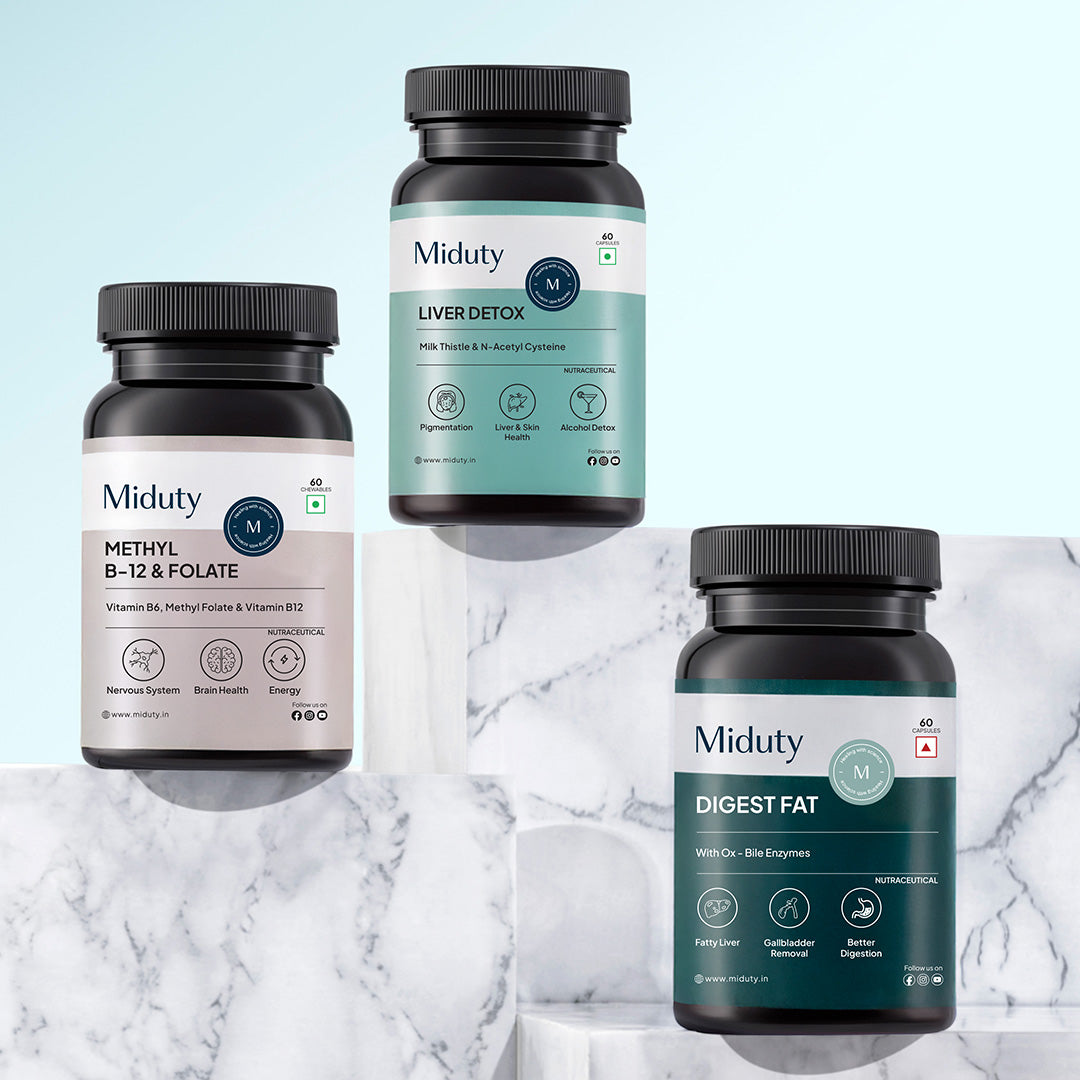
When choosing a liver support supplement, look for one that combines well-researched ingredients known to aid liver health. A liver detox supplement containing Milk Thistle, N-acetyl cysteine (NAC), and Dandelion Root is often preferred, as these ingredients work together to protect liver cells, support natural detoxification, and promote healthy bile flow.
According to the research published in the National Library of Medicine, milk thistle helps shield the liver from damage, NAC boosts antioxidant levels by increasing glutathione production, and dandelion root aids digestion and toxin elimination. This balanced combination provides comprehensive support for overall liver function when paired with a healthy diet and lifestyle.
Conclusion
Your liver works tirelessly to keep your body balanced and toxin-free. But modern diets, alcohol, processed foods, and stress can wear it down. The signs like fatigue, bloating, skin issues, mood swings, and poor digestion, are your body's way of asking for support. Start by cleaning up your diet, moving more, drinking enough water, reducing alcohol, managing stress, and getting quality sleep. Then, if needed, add a high-quality supplement that combines Milk Thistle, NAC, and Dandelion Root for additional support.
FAQs on Liver Detox Signs -
Q1 - What Are the Most Common Signs That My Liver Feels Overworked?
Fatigue, nausea, poor appetite, and dull discomfort on your upper right side are things people often ignore but shouldn't. You might also notice darker urine, pale stools, itchy skin, or a yellowish tint in your eyes. The frustrating part is that liver issues often show no obvious signs at all until things have progressed.
Q2 - When Should I Pay Attention to Liver Detox Symptoms?
If you're seeing yellowing skin or eyes, persistent dark urine, or real abdominal pain, don't wait it out. Those aren't symptoms that typically sort themselves out on their own, and getting checked sooner is always the smarter call.
Q3 - Why Does Digestion Feel Slower When the Liver Is Tired?
Your liver makes bile, which breaks down fats after you eat - so when it's struggling, digestion takes the hit too. That heavy, bloated feeling after meals is often the liver's way of telling you it needs some support.
Q4 - Do Liver Detoxification Symptoms Always Mean Something Serious?
Fatigue or mild nausea alone doesn't automatically point to something alarming - those can come from a dozen different things. But if the same symptoms keep showing up week after week, that's worth paying attention to.
Q5 - How Can I Support My Liver at Home?
Cutting back on alcohol, eating whole foods, staying hydrated, and exercising regularly genuinely move the needle for liver health. Nothing complicated - just consistent habits that make your liver's job a little easier every day.
Q6 - What Are the Signs of Liver Detox Working?
You'll mostly notice digestion feeling smoother, less bloating after meals, and steadier energy through the day. That gradual shift toward feeling more like yourself is usually a good sign things are working.
Q7 - Is Liver Detox Suitable for Everyone?
If you're pregnant, breastfeeding, managing a liver condition, or on regular medication, talk to your doctor before starting anything. What works well for one person can cause real problems for another.
Q8 - Can I Detox My Liver in 7 Days?
A week of skipping alcohol, eating clean, and drinking more water can definitely give your liver breathing room - and you'll likely feel it. But real, lasting change comes from keeping those habits going, not just for seven days.
Q9 - How Do I Know if My Liver Is Detoxing?
Your liver detoxes every single day without any help from you - the question is just whether you're making it easier or harder. Better digestion, more energy, and less bloating are usually signs you're heading in the right direction.
Q10 - What Color Is Your Poop When the Liver Is Detoxing?
There's no special color that signals detox - healthy stool is just brown, thanks to bile your liver produces. If it's consistently pale or clay-colored, that's worth mentioning to a doctor.
Q11 - Which Is the Best Liver Detox Cleanse Technique for Children?
Children don't need detox cleanses - their bodies handle this naturally when they're eating well and staying active. Balanced meals, enough water, and limiting junk food is genuinely all they need.
Q12 - Is It Safe to Detox the Liver During Pregnancy or Breastfeeding?
This is one situation where you don't guess - you ask your doctor first. Many detox products contain compounds that haven't been tested during pregnancy, and the risk simply isn't worth it.
Q13 - Does Liver Detox Help in Improving Digestion?
The liver produces bile, which is essential for breaking down fats and absorbing nutrients properly - so yes, a healthier liver usually means better digestion. Most people notice the difference fairly quickly once they start supporting it.
Q14 - How Can I Know if I Need a Liver Detox and How Do I Achieve It in a Healthy Way?
Frequent bloating, sluggishness, or feeling worse after meals are signs your liver could use some attention. Start simple - cut the alcohol, reduce processed foods, drink more water, and move your body regularly.
Q15 - What Are the Signs of Fatty Liver, and What Can Be Done to Reverse It Immediately?
Fatty liver is sneaky - most people feel little to nothing until it's already progressed. Cutting sugar, eating cleaner, exercising, and losing weight gradually are the most effective steps, though it takes consistent effort over time rather than any quick fix.
Q16 - Can liver detox improve sleep?
Yes, and the connection is more direct than most people realize. When the liver is overburdened, it can disrupt your body's ability to process hormones and toxins that directly affect sleep quality. Supporting liver health often leads to deeper, more restful sleep over time.
Q17 - What are the early signs that your liver needs a detox?
Persistent fatigue, bloating after meals, and that general heavy feeling you can't quite explain are usually the first signals. You might also notice your digestion slowing down or your skin looking dull and tired. These signs are easy to dismiss, but they're worth paying attention to.
Q18 - How can I tell if my liver is overloaded with toxins and needs a detox?
Constant tiredness despite sleeping enough, brain fog, bad breath, and skin breakouts that don't respond to anything topical are common indicators. When the liver can't keep up with filtering, those toxins find other ways out - and your body makes sure you notice.
Q19 - What are common symptoms of a sluggish liver that indicate the need for detox?
Sluggish liver symptoms tend to pile up slowly - low energy, bloating, poor digestion, mood dips, and skin that just doesn't look healthy. A lot of people spend years treating these symptoms individually without realizing they all share the same root.
Q20 - How do I know if I have fatty liver or just a buildup of toxins in my liver?
Honestly, you can't tell from symptoms alone - fatty liver and general liver overload can feel almost identical. A blood test and ultrasound from your doctor are the only reliable way to know for sure. Don't guess with this one.
Q21 - Is unexplained fatigue a sign that your liver needs a detox?
It can be, especially if the fatigue sticks around no matter how much you sleep. The liver plays a key role in energy metabolism, so when it's struggling, your energy takes a hit too. If other causes have been ruled out, your liver is absolutely worth looking at.
Q22 - Can frequent bloating and indigestion indicate a liver that needs detoxification?
Yes, poor bile production from a stressed liver directly affects how well you digest food, especially fats. If you're bloated after almost every meal or feel nauseous regularly, your liver could be part of the problem rather than just your gut.
Q23 - How can I tell if my skin problems are caused by a liver that needs detox?
When the liver isn't filtering properly, toxins get pushed out through the skin instead, causing breakouts, rashes, or a dull complexion that skincare products just can't fix. If your skin issues keep coming back despite doing everything right on the outside, look inward.
Q24 - Does excessive weight gain or difficulty losing weight point to a liver that needs detox?
A struggling liver affects fat metabolism and hormone regulation, both of which play a direct role in weight. If you're eating well, exercising, and still not shifting weight, your liver's ability to process fats and toxins may be working against you.
Q25 - How do I know if my liver is affecting my hormones and needs detox support?
The liver is responsible for breaking down excess hormones, including estrogen. When it's overwhelmed, hormones build up and cause issues like irregular cycles, mood swings, water retention, or stubborn weight gain. If your hormones feel off and nothing else explains it, the liver is a reasonable place to start.
Q26 - Is acne or skin discoloration a sign that my liver is not functioning properly and needs detox?
Persistent acne along the jawline or cheeks, yellowing skin, or uneven skin tone can all be connected to poor liver function. The skin is essentially a backup filtration system, and it shows the strain when the liver isn't keeping up.
Q27 - What digestive issues are linked to a liver that needs a detox?
Bloating, constipation, acid reflux, and feeling uncomfortable after fatty meals are all commonly tied to liver health. Since the liver produces the bile your digestive system relies on, any disruption there tends to ripple through your entire gut.
Q28 - How do you know if your liver is affecting your immune system and needs detox?
Getting sick frequently, slow recovery from illness, and chronic low-grade inflammation can all point to a liver that's not filtering effectively. The liver plays a significant role in immune regulation, so when it's overloaded, your defenses tend to weaken alongside it.
Q29 - Is poor sleep quality and insomnia a sign that your liver needs to detox?
In traditional medicine and increasingly in modern research, the liver is linked to sleep cycles - particularly waking up between 1am and 3am, which is when the liver is most active. If that's a consistent pattern for you, it's not a coincidence worth ignoring.
Q30 - Is feeling overly stressed or anxious connected to a liver that needs a detox?
The liver processes stress hormones like cortisol, so when it's backed up, those hormones linger in your system longer than they should. That can leave you feeling wired, irritable, or anxious without a clear reason. It's a connection most people never consider.
Q31 - What role does liver health play in cholesterol imbalances and how do I know if detox is needed?
The liver produces and regulates cholesterol, so if your levels are consistently off despite a decent diet, your liver's function is worth evaluating. High triglycerides alongside low HDL are a particularly common sign that the liver is under stress.
Q32 - Are there physical symptoms like dark circles under eyes that indicate your liver needs detox?
Dark circles, puffiness, and a generally drawn appearance can sometimes reflect poor liver function rather than just lack of sleep. When the body isn't clearing toxins efficiently, it tends to show up on your face first.
Q33 - What are the signs that your liver is struggling to process alcohol or medications properly?
Feeling worse than usual after even small amounts of alcohol, taking longer to recover from it, or experiencing unusual side effects from regular medications are all signs the liver may be struggling to keep pace. Nausea, headaches, and lingering brain fog after drinking are particularly telling.
Q34 - Is constipation a possible symptom of liver overload and the need for detoxification?
Yes, bile produced by the liver helps keep things moving through the digestive tract. When bile flow slows down, constipation often follows. If you're chronically constipated and gut-focused treatments aren't helping, the liver could be the missing piece.
Q35 - How can I tell if my liver is struggling to remove toxins from my body?
Brain fog, chemical sensitivities, strong reactions to caffeine or alcohol, and persistent body odor despite good hygiene are all signs the liver may not be filtering effectively. These symptoms together paint a clearer picture than any one of them alone.
Q36 - How do I know if my liver is at risk of fibrosis or cirrhosis and needs detoxification?
Fibrosis and cirrhosis are serious conditions that develop silently over years - by the time symptoms like significant abdominal swelling, easy bruising, or jaundice appear, the damage is already advanced. If you have long-term heavy alcohol use, obesity, or a history of hepatitis, regular liver function tests are not optional. Don't wait for symptoms to find out.
References