


How to Manage Fatty Liver Grade 2: Symptoms, Medications, and Lifestyle Tips

Key Takeaways
1. Prevalence of Fatty Liver: Fatty liver disease is increasingly common, affecting 38.6% of Indian adults and 35.4% of children due to lifestyle factors and environmental toxins.
2. Understanding Fatty Liver Grade 2: This stage involves 34% to 66% fat accumulation in the liver cells, leading to cell damage and inflammation.
3. Symptoms: Common symptoms of fatty liver grade 2 include persistent fatigue, abdominal discomfort, loss of appetite, unintentional weight loss, jaundice, and nausea.
4. Potential Complications: If untreated, fatty liver grade 2 can progress to grade 3, causing reduced liver function, liver failure, cirrhosis, liver cancer, hepatitis, and fibrosis.
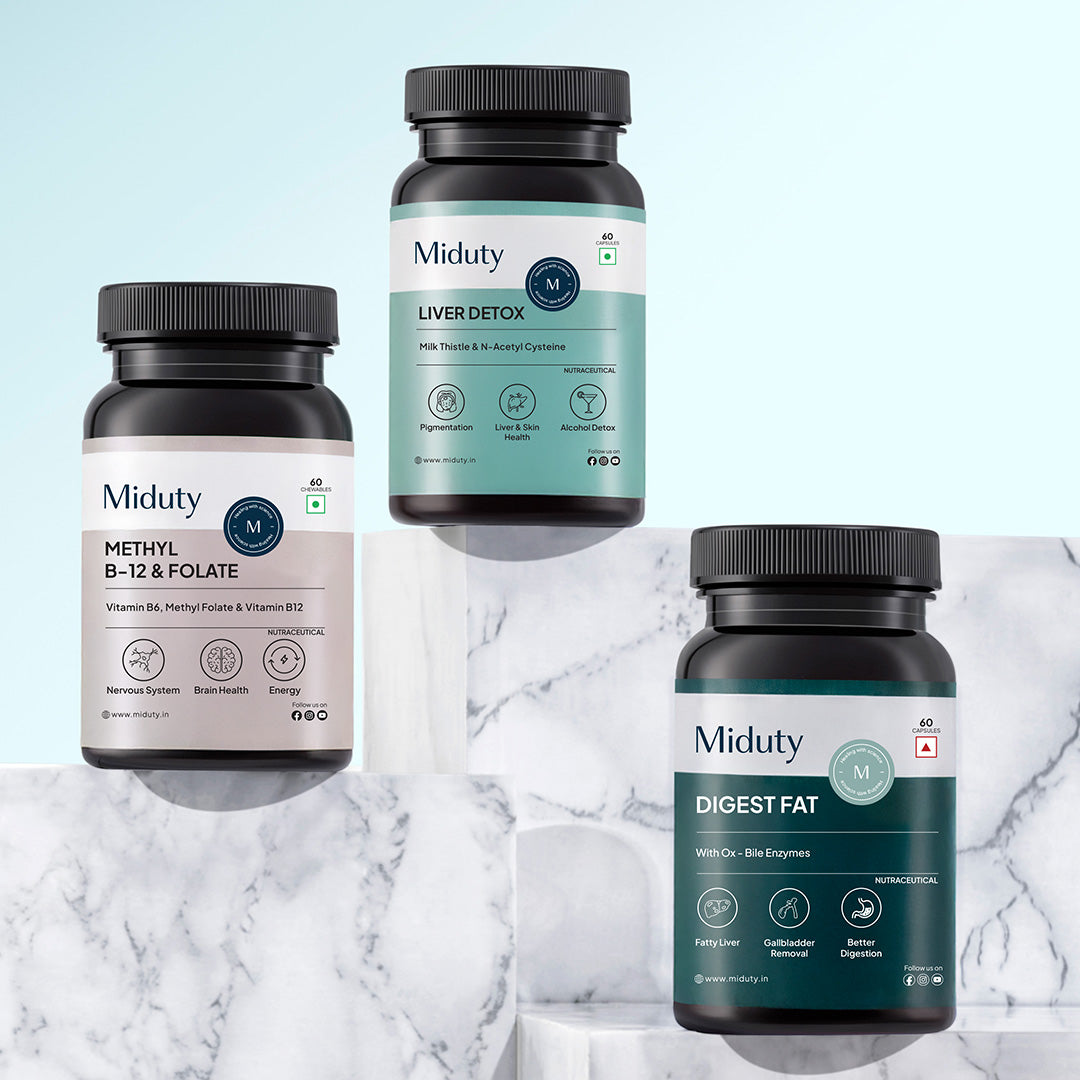
5. Management and Treatment: Reducing toxic exposure, incorporating bitter foods, and adding herbs and spices to your diet are crucial. Avoiding sugar and fructose can prevent further fat accumulation in the liver. Natural supplements like milk thistle and N-acetyl cysteine (NAC) are effective in supporting liver health and regeneration. Miduty's Liver Detox supplement contains these ingredients in their most efficient forms.
6. Reversibility: Fatty liver grade 2 can be managed and improved with lifestyle modifications, a liver-friendly diet, and the right supplements.
Has your appetite reduced? Are you unintentionally losing weight lately? or Do you feel bloated often? Did you know that the reason behind all of these issues can be a Fatty Liver! Our livers are dealing with more than they used to. Pollution, plastics, and daily chemical exposure from cosmetics and processed products have added to the load. The body's filtration system hasn't kept pace.
According to research published in the Journal of Clinical and Experimental Hepatology, around 38.6% of Indian adults and 35.4% of children in India have it. The good news is that fatty liver can be reversed, provided the damage isn't advanced. At Grade 2, symptoms are still mild enough that diet and lifestyle changes tend to work.
What is Fatty Liver Grade 2?
Fatty liver disease, also called hepatic steatosis, is fat accumulating in liver cells. It falls into two types:
- Non-Alcoholic Fatty Liver Disease (NAFLD)
- Alcoholic Fatty Liver Disease (AFLD)
We all have a little amount of fat present in our healthy liver and when this fat gets excess in amount, it makes the liver fatty. This may lead to cell damage and inflammation in the liver. Research published in the National Library of Medicine suggests, Grade 2 is when fat accounts for roughly 34% to 66% of liver weight. It's the moderate stage, past the early warning signs but not yet at the point of serious damage. Recognizing it here matters because this is still when intervention is straightforward.
Is Grade 2 Fatty Liver Dangerous?
Grade 2 fatty liver is moderate, but moderate does not mean harmless. Left unaddressed, it can progress to Grade 3, and from there the complications become significantly harder to reverse. Ignoring it can lead to:
- Reduced Liver Function - The liver loses its ability to filter toxins and process nutrients properly.
- Fibrosis - Scar tissue builds up inside the liver, slowly impairing how it works.
- Cirrhosis - Extensive scarring that can push the liver toward failure.
- Hepatitis - Liver inflammation that worsens existing damage over time.
- Liver Failure - Severe loss of liver function that may require a transplant.
- Liver Cancer - Long-term liver damage raises the risk of cancerous cell development.
None of these happen overnight, which is also why people tend to delay acting on it. But the window to reverse course is real, and Grade 2 is still within it. The earlier you address the symptoms, the less ground you have to recover.
Causes and Risk Factors
Fatty liver grade 2 doesn't develop overnight. The most common drivers are poor metabolic health and lifestyle choices:
- Obesity, type 2 diabetes, high triglycerides, and insulin resistance
- A diet consistently high in refined carbs, sugar, and processed food
- Regular alcohol consumption, which is a direct cause in AFLD
- Certain medications, thyroid disorders, and PCOD
- Genetics, some people are more predisposed regardless of how they eat or live
Other Contributing Factors
- Chronic stress
- Poor sleep hygiene
- Underlying health conditions like hypothyroidism
Symptoms of Grade 2 Fatty Liver

The symptoms can often be silent and very common that one may neglect. So having regular liver checkups is the best way to detect early.
And in some cases, you may start having the associated symptoms of fatty liver grade 2 which may include:
|
Symptoms |
Description |
|
Fatigue |
Persistent tiredness that affects daily activities and doesn't go away even after resting properly. |
|
Abdominal Discomfort |
A dull pain in the upper right portion of your abdomen, around the place where the liver is located. |
|
Loss of Appetite |
Decreased urge to eat anything, resulting in less food intake. |
|
Weight Loss |
Unintentional weight loss, even after having a usual diet. |
|
Jaundice |
Yellowness on the skin and in the eyes which indicates possible dysfunctioning of the liver. |
|
Nausea |
Unsettled stomach, giving you an urge to vomit. |
If symptoms get worse, it could mean the fatty liver is getting worse and may need urgent medical attention. The symptoms include:
- Dark urine and pale stools
- Swelling in the legs or belly
- Itchy skin or red, spider-like marks on the skin
- Mental fog, confusion, or mood changes
The liver doesn't have pain receptors, so discomfort usually comes from the surrounding tissue or swelling. If several of these symptoms show up together, it's worth investigating rather than waiting.
How Grade 2 Fatty Liver Is Diagnosed?
Diagnosis usually starts with a blood test. Elevated liver enzymes like ALT and AST are often the first indicator. From there, imaging confirms the extent of fat buildup. An ultrasound is the most common next step and can clearly show fatty changes in the liver. A FibroScan measures liver stiffness without any incision.
In some cases, an MRI gives a more detailed picture. A liver biopsy is rarely needed at Grade 2 but may be recommended if other tests are inconclusive or if fibrosis is suspected.
Can Grade 2 Fatty Liver Be Reversed?
Yes. Grade 2 is still within the reversible range, provided the liver hasn't developed significant fibrosis. The liver is one of the few organs that can regenerate. With the right dietary and lifestyle changes, fat accumulation can be reduced over months. According to the research published in Hepatology , losing 7 to 10% of body weight significantly improves liver fat levels.
The process takes time, usually 3 months to a year, but improvement is measurable through follow-up scans. The key is acting before it progresses to Grade 3, where scar tissue starts making recovery more difficult.
Treatment Options
Treatment at Grade 2 comes down to one thing: giving your liver less to deal with. No single fix does it, but a few consistent changes together make a real difference.
- Reduce your toxic load: Toxins find their way to enter your body everywhere. Be it the pollution, cosmetics, plastic, receipts, furniture, paint, salons, every place you go is full of toxins today. To make sure your liver stays healthy, you need to be careful while going out. Limit the usage of plastic, receipts, etc. Avoid inhaling toxins from furniture, and salons, whenever you can.
- Incorporate bitter foods: Consuming bitter foods like bitter gourd, sesame seeds, broccoli, fenugreek can support your liver health to a great extent. Such foods ensure a good stimulation for bile juice production which aids further in digestion and ultimately breaking down fat deposits. Moreover, they increase the glutathione levels in your body, which is a master antioxidant.
- Dietary changes: Cut back on sugar, refined carbs, and processed fats. Instead of sugar/fructose-based sweeteners, you can opt for natural sweeteners like stevia, xylitol. These are the primary contributors to liver fat buildup, according to the research published in the National Library of Medicine.
- Weight management: According to a study published in Clinical Gastroenterology and Hepatology, losing 5-10% of your body weight can lead to a significant drop in liver fat and size in people with a liver condition called NASH (Non-Alcoholic Steatohepatitis). This weight loss was shown to reduce liver fat by 25.5% and its volume by 5.3% over time.
- Managing underlying conditions: Uncontrolled blood sugar, high cholesterol, and blood pressure all keep the liver under stress. Getting these in check matters.
- Alcohol: If you drink, reducing or stopping is one of the most direct things you can do. For AFLD, it's non-negotiable.
- Medications: If diabetes, lipid issues, or inflammation are part of the picture, your doctor may prescribe accordingly.
The honest truth is that none of this is complicated. It's just not fast. People who see real improvement are usually the ones who make smaller changes and actually stick to them, not the ones who overhaul everything at once and burn out in a month.
Who Is Susceptible to Grade 2 Fatty Liver?
Certain groups carry a higher risk:
- People with obesity or a sedentary lifestyle
- Those with type 2 diabetes or insulin resistance
- High alcohol intake, regardless of other factors
- Women with PCOD and people with thyroid dysfunction
- Those on long-term medications like steroids or certain cholesterol drugs
Age plays a role too. Risk increases after 40, though younger people are increasingly being diagnosed given current dietary patterns.
Essential Lifestyle Changes to Manage Grade 2 Fatty Liver
Most people look for a specific treatment when they get this diagnosis. The reality is that your daily habits are the treatment. Start with movement. A 30-minute walk five days a week is genuinely enough to reduce liver fat over time. It doesn't have to be intense. It has to be consistent. A few other changes worth making:
- Strength training two to three times a week improves how your body handles blood sugar, which directly reduces liver fat. According to the research published in Nature Journals, after 4 months of resistance training (3 sessions/week), hepatic fat content reduced by a mean relative 25.9%
- Poor sleep raises cortisol and disrupts metabolism. Most people underestimate how much bad sleep is working against them. According to the research published in Sleep Science, after 6 nights of sleeping only 4 hours, the body's evening cortisol (stress hormone) levels increase. This change reduces the body's insulin response and glucose control by about 30% each, making the body handle sugar much worse. These effects are similar to the early stages of type 2 diabetes.
- Chronic stress has the same effect. Elevated cortisol pushes fat toward the liver. Managing it isn't optional
- Cutting back on alcohol, even if not eliminating it entirely, takes real pressure off the liver
None of these lifestyle changes feel significant in isolation. When combined, they add up faster than most people expect.
Diet Recommendations: What to Eat and What to Avoid
Eat more of:
- Vegetables, especially leafy greens and cruciferous ones like broccoli and cauliflower
- Whole grains like oats, brown rice, and millets
- Lean proteins such as dal, legumes, eggs, fish, and low-fat dairy
- Healthy fats from nuts, seeds, and olive oil
- Antioxidant-rich foods like berries, turmeric, garlic, and green tea
Cut back on:
- Sugar, sugary drinks, packaged juices, and sweets
- Refined carbs like white bread, maida-based foods, and instant noodles
- Fried and ultra-processed foods
- Red meat and full-fat dairy in excess
- Alcohol
A rough way to filter food choices: if it comes in a packet with more than five ingredients, it's probably adding to the problem rather than helping with it.
Medicines & Supplements To Treat Grade 2 Fatty Liver
When it comes to treating fatty liver grade 2, there is no specific drug that can completely cure the condition. Treatment mainly focuses on addressing the underlying causes to control and prevent complications. Common causes include alcohol consumption, unhealthy diet, obesity, diabetes, and high cholesterol levels. Making lifestyle and dietary changes, as we've discussed, can help manage or even reduce the condition to some extent.
The most effective approach, however, often includes making lifestyle and dietary changes. In addition to this, supplements can also help manage the condition. Some powerful and science backed supplements for fatty liver treatment include:
1. Milk Thistle

Milk thistle (silymarin) supports liver cell repair. It is mainly valued for its antioxidant, anti-inflammatory and liver-protective effects, which may help reduce ongoing liver cell stress. It is often used as a supportive supplement in people dealing with fatty liver concerns. It contains silymarin, which supports liver cell regeneration and improves liver function.
According to research published in Canadian Liver Journal, a meta-analysis of 9 clinical trials found silymarin reduced ALT by 17.12 IU/L, AST by 12.56 IU/L, and triglycerides by 22.60 mg/dL in people with fatty liver disease.
2. Vitamin E
Vitamin E has shown benefit in non-diabetic NAFLD patients in clinical studies. Since it works as a strong antioxidant, it may help lower oxidative stress that contributes to liver inflammation. It is usually discussed more in non-diabetic fatty liver cases rather than as a general supplement for everyone. According to research published in The New England Journal of Medicine, 43% of non-diabetic adults with NASH improved on vitamin E compared with 19% on placebo after 96 weeks.
3. Omega 3 Fatty Acids
Omega-3 fatty acids help reduce triglycerides and liver fat. They also support healthier fat metabolism, which is why they are commonly included in fatty liver and metabolic health discussions. Their benefit seems especially relevant in people who also have high triglycerides. According to research published in Nutrients, omega-3 supplementation improved triglycerides by a pooled mean difference of 28.57 mg/dL and made patients more likely to show liver-fat improvement than placebo.
4. N-acetyl cysteine
N-acetyl cysteine (NAC) helps replenish glutathione, one of the body's key antioxidants for liver protection. This may help lower oxidative stress and support better liver function over time. NAC has been shown to improve liver function and reduce liver fat accumulation, making it a valuable supplement in managing fatty liver disease. NAC is often discussed as a supportive nutrient rather than a standalone fix.
According to research published in Pharmaceuticals, NAC reduced ALT by 16.67%, AST by 16.13%, and the oxidative stress marker MDA by 15.97% after six months in patients with NASH.
When choosing the best supplement for fatty liver, it's important to look for options that support liver function and help reduce inflammation. One effective combination is milk thistle + N-acetylcysteine (NAC), which can help protect the liver from further damage and support its natural detoxification processes.
Always take supplements under medical supervision, especially if you're already on other medications.
When to See a Doctor?
See a doctor if you've had persistent fatigue, upper abdominal discomfort, or unexplained changes in appetite or weight for more than a few weeks.Also get checked if you have risk factors like obesity, diabetes, or a family history of liver disease, even without obvious symptoms.
If you've already been diagnosed with Grade 1 fatty liver, a follow-up to check for progression is worth doing every 6 to 12 months. Early diagnosis at Grade 2 gives you the most room to act. Don't wait for symptoms to become severe.
Conclusion
Grade 2 fatty liver is a real condition that deserves real attention, but it's also one that responds well to the right changes. You don't need an aggressive protocol or drastic measures. Consistent adjustments to what you eat, how you move, and how you manage stress are what actually move the needle. The liver is forgiving when given the right conditions to recover. Get a diagnosis, understand your numbers, and start making changes. That's genuinely enough to shift things at this stage.
FAQs on Grade 2 Fatty Liver -
Q1. Can fatty liver grade 2 be cured?
Yes, grade 2 fatty liver can be reversed in most cases. It is not a permanent condition. With consistent dietary changes, regular physical activity, and addressing the root cause, whether that is obesity, alcohol, or insulin resistance, the liver can clear the excess fat over time. Sporadic effort rarely moves the needle.
Q2. How to reduce fatty liver grade 2?
Cut out refined sugar, white flour, fried food, and alcohol entirely. Eat more protein, vegetables, and foods with healthy fats like nuts and fish. Exercise at least 5 days a week. Lose body weight gradually if you are overweight. Even a 7 to 10 percent reduction in body weight measurably reduces liver fat. Get your blood sugar and triglycerides checked and managed.
Q3. How long will it take to reverse fatty liver grade 2?
Most people who make serious lifestyle changes see improvement within 3 to 6 months on ultrasound. Full reversal can take anywhere from 6 months to 2 years depending on how much fat is present, how strictly the diet is followed, and whether conditions like diabetes are being managed. There is no fixed timeline.
Q4. Can I eat rice in fatty liver grade 2?
You can, but portion size matters. White rice raises blood sugar quickly, which can worsen liver fat over time. If rice is a staple for you, eat smaller portions and pair it with vegetables, lentils, or protein to slow glucose absorption. Brown rice or millets are a better swap if you can manage it.
Q5. Is curd good for fatty liver grade 2?
Plain, unsweetened curd is fine and actually beneficial. It is a good source of protein and probiotics, and gut health plays a role in liver fat metabolism. Avoid flavored or sweetened varieties. Full-fat curd in moderate amounts is acceptable.
Q6. Which is better, fatty liver grade 1 or grade 2?
Grade 1 is less severe. In grade 1, fat accumulation is mild and usually causes no symptoms. Grade 2 means a moderate amount of fat has built up and the liver is starting to show structural changes on ultrasound. Neither is a medical emergency, but grade 2 needs more attention because without intervention it can progress further.
Q7. Which fruit is good for fatty liver grade 2?
Berries, including blueberries, strawberries, and raspberries, are particularly good because they are high in antioxidants and low in sugar. Papaya, pear, guava, and citrus fruits like lemon are also well-tolerated. Avoid large amounts of very sweet fruits like mangoes, bananas, and grapes. Skip fruit juice entirely.
Q8. What is the best exercise for fatty liver grade 2?
Brisk walking is the most practical and well-studied option. Aim for 30 to 45 minutes, 5 days a week. Resistance training two to three times a week adds benefit by improving insulin sensitivity. Swimming and cycling work well if joint pain limits walking. Consistency matters more than intensity.
Q9. What is the SGPT level for grade 2 fatty liver?
There is no single SGPT number that corresponds to grade 2. Some people with grade 2 have normal SGPT levels; others show elevations between 40 and 120 U/L. Grading is done by ultrasound based on liver echogenicity, not by enzyme numbers alone. Elevated SGPT can suggest inflammation but cannot grade fatty liver on its own.
Q10. What should not eat in fatty liver grade 2?
Avoid alcohol completely. Cut out sugary drinks, packaged juices, colas, and energy drinks. Limit red meat, processed meats, deep-fried food, white bread, pastries, and biscuits. Excess salt and refined vegetable oils used in restaurant cooking are best avoided too.
Q11. How many months to cure grade 2 fatty liver?
No standard number applies to everyone. Noticeable improvement on ultrasound typically appears between 3 and 6 months of consistent lifestyle changes. For the liver to return to a normal grading, some people need 9 to 12 months; others need closer to 18 to 24 months. The speed depends on severity, diet adherence, exercise regularity, and whether metabolic conditions are controlled.
Q12. How to recover fatty liver grade 2 naturally?
Lose weight if needed, reduce sugar and refined carbohydrates, stop alcohol, exercise regularly, manage blood sugar and cholesterol, and sleep adequately. There is no supplement or herbal remedy that replaces these fundamentals. Natural recovery is possible but requires discipline over months, not weeks.
Q13. Which vegetable is good for fatty liver grade 2?
Leafy greens like spinach, methi, and kale are particularly useful. Cruciferous vegetables such as broccoli, cauliflower, and cabbage support liver detoxification. Bitter gourd, bottle gourd, ridge gourd, and drumstick are commonly recommended. Garlic and onions are worth including regularly as well.
Q14. Should I worry about grade 2 fatty liver?
Take it seriously, but do not panic. Grade 2 fatty liver is reversible and does not mean you are headed toward liver failure. That said, ignoring it for years without changing anything runs the risk of progression to grade 3 or developing NASH, which involves inflammation and is harder to reverse.
Q15. Can I eat chicken in fatty liver grade 2?
Yes. Skinless chicken breast is a good protein source and does not burden the liver the way fatty red meats do. Avoid fried preparations or dishes made with heavy sauces and excess oil. Grilled, boiled, or baked chicken in reasonable portions is appropriate. Skip the skin.
Q16. How to reduce grade 2 fatty liver quickly?
The fastest results come from cutting sugar and alcohol immediately, reducing total calorie intake, and exercising consistently. Some studies show that a Mediterranean-style diet combined with aerobic exercise produces measurable liver fat reduction within 8 to 12 weeks. Even 5 percent weight loss speeds up the process noticeably. Crash diets are counterproductive since rapid weight loss can worsen liver inflammation.
Q17. Is brown rice good for fatty liver grade 2?
Brown rice is a better option than white rice. It has more fiber and a lower glycemic index, meaning it raises blood sugar more slowly. It is still a carbohydrate and should be eaten in controlled portions. It is not a therapeutic food, but it is a reasonable substitute if cutting rice out entirely is not realistic.
Q18. Should I take medicine for grade 2 fatty liver?
There is currently no approved drug specifically for non-alcoholic fatty liver disease. Doctors may prescribe medications to manage related conditions like high blood sugar or high cholesterol, which indirectly help the liver. Vitamin E is sometimes recommended in non-diabetic patients, but only under medical guidance. Do not self-medicate with liver tonics or herbal capsules without consulting your doctor.
Q19. How much time to reverse fatty liver grade 2?
For most people who follow through with dietary and lifestyle changes, 6 to 12 months is a reasonable expectation for significant improvement. Full reversal on ultrasound can take up to 18 to 24 months in moderate cases. The timeline is directly tied to how consistently you follow through.
Q20. Which drink is good for fatty liver grade 2?
Plain water is the best option. Black coffee without sugar or cream has reasonable evidence behind it for liver health and can be consumed in moderation. Green tea is a reasonable addition. Lemon water and buttermilk without salt are acceptable. Avoid fruit juices, sweetened beverages, alcohol, and packaged drinks entirely.
Q21. How risky is grade 2 fatty liver?
It carries moderate risk. By itself, grade 2 fatty liver does not cause liver failure. The risk lies in what it can become if ignored. A portion of people with grade 2 develop NASH, and a smaller subset develop fibrosis or cirrhosis over years. Risk increases significantly with diabetes, obesity, alcohol consumption, and high triglycerides. Managed properly, most people with grade 2 do not progress.
Q22. What should I avoid in fatty liver grade 2?
Alcohol, sugar in all forms including packaged juices and excess jaggery, refined flour products, fried food, high-fat processed meats, and excess salt. Also avoid skipping meals, which leads to compensatory overeating and blood sugar swings that stress the liver further.
Q23. What are the symptoms of grade 2 fatty liver?
Most people with grade 2 fatty liver have no obvious symptoms, which is why it often goes undiagnosed until an ultrasound is done for another reason. Some people report mild discomfort or a dull heaviness in the upper right abdomen. Fatigue disproportionate to activity levels is sometimes reported. Elevated liver enzymes on a routine blood test are often the first sign.
Q24. What supplements are good for fatty liver grade 2?
Milk thistle (silymarin), NAC, omega-3 fatty acids, and Vitamin E have the most evidence for fatty liver support, with milk thistle and NAC specifically helping protect liver cells and raise glutathione levels.
References




4 comments
Very nice information
Thanks for the helpful information
Thanks for the helpful information
Very good information