10 Health Problems Caused by Air Pollution You Should Know

Key Takeaways
1. Air pollution affects multiple organs: Pollutants can harm the lungs, heart, brain, and eyes. Fine particles can even enter the bloodstream and trigger inflammation.
2. It can cause serious respiratory problems: Long-term exposure is linked to asthma, COPD, respiratory infections, reduced lung function, and lung cancer.
3. It also increases cardiovascular risks: Exposure to fine particulate matter is associated with heart disease, high blood pressure, heart attacks, and stroke.
4. Some groups are more vulnerable than others: Children, older adults, pregnant women, outdoor workers, and people with existing respiratory or heart conditions face greater health risks.
5. Reducing exposure is essential for protection: Check the AQI regularly, avoid outdoor activities during high-pollution periods, use well-fitting N95 masks when appropriate, and improve indoor air quality with suitable HEPA filters.
Weather forecasts are common things for all of us to check before we step out of our doors. However, few people think about air pollution, which includes tiny particles and gases that can harm any organ in our body and cause millions of deaths annually, according to the WHO. The following guide tells you what air pollution is, its health impacts, risks, and ways to protect yourself from it.
What Is Air Pollution?
Air pollution is defined as the presence of harmful elements in the air that may be dangerous for human survival. The major contributors to air pollution are vehicles, factories, power plants, burning of fields, construction dust, cooking, and smoking.
What Are the Main Types of Air Pollutants?
1. PM2.5 and PM10: Small particulates present in the atmosphere. PM10 tends to stay mostly in the breathing passages and lungs. PM2.5 is small enough to enter the blood stream.
2. Ozone (O₃) at ground level: Not produced directly. The reason for its production is the combination of sunlight with pollutants from vehicles and factories. It irritates the respiratory passages, causing coughing and chest tightness.
3. Nitrogen dioxide (NO₂): Primarily emitted from exhaust fumes from vehicles and from combustion processes. It is irritating to the respiratory system.
4. Sulfur dioxide (SO₂): These are mainly produced via the burning of coal and oil. When exposure is for a brief period of time, one may experience trouble breathing, especially if one has a respiratory ailment.
5. Carbon monoxide (CO): A colorless, odorless gas formed during incomplete combustion of fuel. It's dangerous because it keeps your blood from carrying oxygen properly, and you can't smell it.
How Does Air Pollution Affect Your Health?
Pollutants enter via the lungs, and the smaller the particles, the further they enter into the bloodstream. Though larger particles could be filtered by the nasal passages and other upper respiratory pathways, smaller particles could pass through to alveoli in the lungs, and even enter the bloodstream in certain instances.
In the process, inflammation and oxidative stress are stimulated by these pollutants, which lead to injury of the airways and blood vessels. This may affect normal lung function, irritate sensitive tissues and increase strain on the cardiovascular system. Repeated exposure can also worsen existing respiratory conditions and contribute to long-term health problems. The impact may vary, from eye irritation occurring in a few hours to a disease that develops over several years.
10 Health Problems Caused by Air Pollution

1. Asthma and Worsening Asthma Symptoms
The air pollutants may lead to inflammation as well as constriction of air passages. A review article in The Lancet journal describes how outdoor air pollution leads to asthma attacks and asthma development in children. [1]
2. Chronic Obstructive Pulmonary Disease (COPD)
Exposure to fine particulate matter and nitrogen dioxide may have an adverse impact on chronic respiratory diseases such as COPD.
3. Respiratory Infections
Air pollution affects lungs and makes one more prone to illnesses like bronchitis and pneumonia.
4. Heart Disease and Cardiovascular Problems
A study by the American Heart Association scientific statement, as published in Circulation, shows that exposure to fine particles causes myocardial infarction, heart failure, and cardiac arrhythmias. [2]
5. Lung Cancer
According to research published in The Lancet Oncology, the International Agency for Research on Cancer classified outdoor air pollution as carcinogenic to humans. It attributed about 223,000 lung cancer deaths worldwide in 2010 to polluted air. [3]
6. Stroke
Particles raise blood pressure, promote clotting, and inflame blood vessels, all of which increase the risk of ischemic stroke.
7. Reduced Lung Function
Lung development in children becomes slower with exposure, while the rate of deterioration in lung function in adults increases, even without any symptoms.
8. Allergies and Respiratory Irritation
Irritation of the nose, throat, and bronchi is caused by pollutants; hence, symptoms like sneezing, congestion, and nasal discharge become worse.
9. Eye Irritation and Eye Health Problems
Ozone and fine particles induce redness, burning sensations, tearing, and dryness of eyes.
10. Effects on Brain and Mental Health
As shown by one study that appeared in the journal The Lancet, proximity to heavy traffic is linked to increased cases of dementia. Pollution also leads to anxiety and depression. [4]
Air Pollution Symptoms You Should Not Ignore

1. Persistent Cough
A dry cough that won't go away usually points to irritated airways.
2. Shortness of Breath
Breathing difficulties during normal activities such as walking up the stairs should never be taken lightly.
3. Wheezing
A whistling sound when you breathe out usually means the airways have narrowed.
4. Chest Tightness
Pressure or squeezing in the chest.
5. Throat Irritation
A scratchy, sore throat with no cold behind it can be a reaction to irritants in the air.
6. Burning or Watery Eyes
Eyes that stay red, burning, or teary are often one of the first things people notice.
7. Headaches
Repeated headaches can follow pollution exposure, carbon monoxide in particular.
8. Unusual Fatigue
Feeling drained for no clear reason can go along with heavy exposure.
9. Worsening Asthma Symptoms
If attacks are more frequent or you're reaching for your reliever more often, it's time to review your asthma plan with your doctor.
10. When Symptoms Require Medical Attention
Seek medical care for severe breathlessness, chest pain, fainting, blue lips, or symptoms that aren't getting better.
Short-Term vs Long-Term Effects of Air Pollution
Some effects appear within hours; others build over years.
|
Short-Term Exposure |
Long-Term Exposure |
|
Eye irritation |
Reduced lung function |
|
Coughing |
Chronic respiratory disease |
|
Throat irritation |
Cardiovascular disease |
|
Wheezing |
Stroke risk |
|
Breathlessness |
Lung cancer risk |
|
Headache |
Other chronic health effects |
|
Asthma flare-ups |
Increased overall health burden |
How Air Pollution Affects the Lungs?
The lungs take the first hit. Particles and gases inflame the airway lining, impair the cilia that clear mucus, and weaken immune defenses. Over time this leads to chronic bronchitis, reduced capacity, and a higher risk of infection and cancer.
Long-term inflammation can also cause lasting changes in lung tissue, making it harder for the lungs to take in enough oxygen and remove carbon dioxide. This can lead to persistent coughing, wheezing, breathlessness and reduced physical stamina.
How Air Pollution Affects Heart Health?
Fine particles cross from the lungs into the blood, where they promote inflammation, stiffen arteries, raise blood pressure, and make clots more likely. Short spikes in pollution are associated with more heart attacks and hospital admissions, particularly among people with existing heart disease.
The inflammation and hardening of blood vessels make the heart work harder to move the blood through the body, which can add more stress to the circulatory system and hinder the natural movement of oxygen-filled blood through the body.
The exposure to air pollution over time is also one of the causes of cardiovascular diseases including coronary artery disease, irregular heart rate (arrhythmia), and even stroke. Individuals who have high blood pressure, diabetes, or heart-related issues can be especially prone to them.
How Air Pollution Affects Children?
Children breathe faster than adults and spend more time outdoors, so they take in more pollutants per kilogram of body weight. This is especially crucial since the lungs of children are still developing; hence, they are more prone to being affected negatively by exposure to pollutants for an extended period of time. The pollutants could irritate the air passages and cause inflammation.
Prolonged exposure to polluted air will also increase the risk of infections, asthma and coughing or wheezing. In certain cases, the air pollution could even cause poor lung function, which makes physical activities harder for the child.
How Air Pollution Affects Older Adults?
The lungs and hearts of elderly patients lose reserve capacity, and the elderly patients usually have many disease conditions simultaneously. Pollution spikes can trigger heart attacks, strokes, pneumonia, and COPD exacerbations, and recovery may take longer.
The effects of aging on the immune system may also cause difficulty in fighting against respiratory infections among the elderly. Short-term exposure to high levels of pollution may further complicate their breathing and cause fatigue, making it difficult for them to perform regular activities.
Who Are Most Vulnerable to Air Pollution?

- Children
- Older Adults
- People With Asthma
- People With COPD
- People With Heart Disease
- Pregnant Women
- Outdoor Workers
- People Living in Highly Polluted Areas
How to Protect Yourself From Air Pollution?

Although avoiding air pollution completely is difficult, a few practical steps can help reduce daily exposure and protect your health. Here's how to protect yourself from air pollution.
1. Check the AQI.
Pay attention to your air quality index and plan outdoor activities based on that.
2. Reduce Outdoor Activity During High-Pollution Periods
Change the timing and place of your exercises to suit you better.
3. Use a Well-Fitting Respirator When Appropriate
Tight-fitting N95/FFP2 respirators filter out fine particles, while loosely woven face masks have zero effect.
4. Improve Indoor Ventilation When Outdoor Air Quality Allows
Open your windows on days with favorable AQI to flush out pollutants.
5. Use Appropriate Air Filtration Indoors
According to research in the Journal of the American College of Cardiology, air purifiers that reduced indoor particles improved blood pressure and inflammation markers in healthy young adults in Shanghai. [5] Choose a HEPA filter sized for the room.
6. Keep Indoor Pollution Sources Under Control
Avoid burning incense, use exhaust fans when cooking, and keep gas appliances well maintained.
7. Avoid Smoking and Secondhand Smoke
Tobacco smoke is among the most concentrated pollutants indoors; keep homes and cars smoke-free.
8. Protect Vulnerable Family Members
Keep children, elderly relatives, and people with chronic illnesses indoors on poor-air days, and keep their medicines ready.
Supplements and Air Pollution: Can They Help?

Exposure to air pollution can increase oxidative stress and inflammation in the respiratory system. While supplements cannot prevent pollution from entering the lungs or reverse its effects, certain nutrients and plant extracts may support respiratory health and the body's natural defense mechanisms.
When choosing a lung-support supplement, look for ingredients such as:
1. N-Acetyl Cysteine (NAC): Helps thin thick mucus, making it easier to clear from the airways. It also supports the production of glutathione, an important antioxidant in the body.
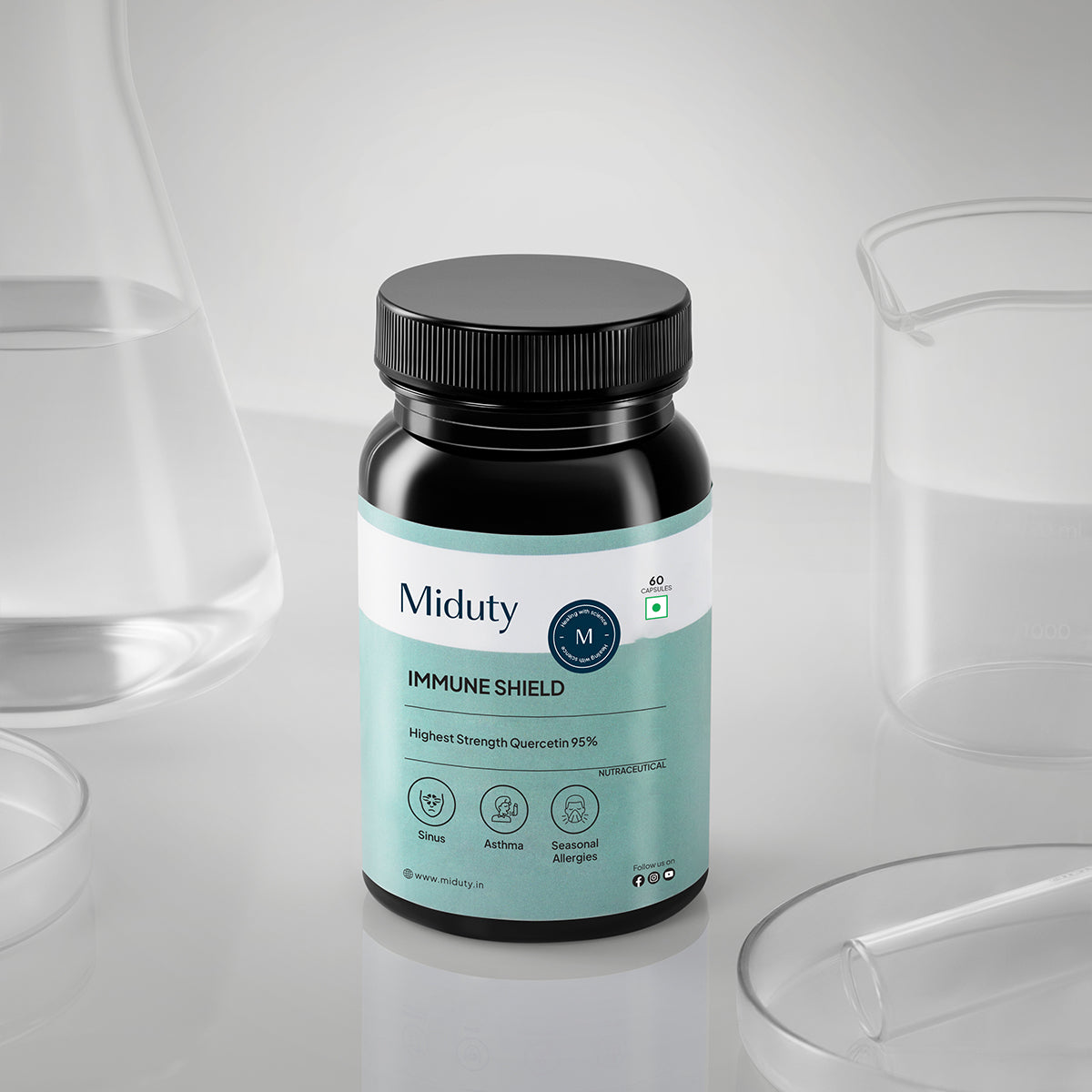
2. Quercetin: A plant-based flavonoid with antioxidant and anti-inflammatory properties. It may also help regulate the release of histamine from mast cells.
3. Stinging Nettle Extract: Contains plant compounds with anti-inflammatory properties that may help support the body's response to environmental allergens.
4. Licorice Extract: Traditionally used to soothe throat irritation. Its natural compounds also have anti-inflammatory properties.
5. Vasaka (Adhatoda vasica) Extract: Traditionally used in respiratory preparations for its expectorant properties, which may help loosen mucus and support its removal.
6. Vitamin C: An antioxidant that helps protect cells from oxidative stress caused by free radicals, including those generated during exposure to air pollutants.
7. Vitamin D: Supports normal immune function and helps maintain the body's defense against respiratory infections.
A well-formulated lung detox supplement containing these ingredients can complement a healthy lifestyle by supporting antioxidant activity, mucus clearance, and normal immune function. However, supplements are not a substitute for reducing exposure to polluted air. Combine them with adequate hydration, a balanced diet, good indoor ventilation, and appropriate protective measures for better respiratory health.
When Should You See a Doctor?
See a doctor if symptoms last more than a few weeks, keep returning on polluted days, or interfere with sleep or daily activity. Seek emergency care for severe breathing difficulty, chest pain, fainting, or confusion. People with asthma, COPD, or heart disease should review their action plans with their doctor.
Older adults, children and people with existing health conditions should be especially careful during periods of poor air quality. Keep track of recurring symptoms such as persistent coughing, wheezing or unusual breathlessness. Early medical attention can help identify worsening respiratory or heart-related problems and prevent further complications.
Conclusion
Air pollution harms the lungs, heart, brain, and eyes, and its effects start with a cough and can end in cancer or stroke. Children, older adults, and people with existing illnesses face the greatest risk. You cannot control the air outside, but checking the AQI, filtering indoor air, and acting early on symptoms lowers your exposure. Anyone with persistent symptoms should consult a doctor.
Simple habits, such as wearing a well-fitted mask on highly polluted days, avoiding outdoor exercise during peak pollution hours, and keeping indoor spaces clean, can also help reduce exposure. Maintaining a healthy lifestyle with a balanced diet, regular physical activity and adequate sleep supports overall health. While these steps cannot eliminate pollution-related risks, they can help protect your health over time.
FAQs on Health Problems Caused by Air Pollution
Q1. What health problems are caused by air pollution?
Air pollution is associated with diseases such as asthma, chronic bronchitis, heart diseases, strokes, and lung cancer. There are also minor effects such as coughing, eye stinging, and headaches. The more frequent and intense the exposure, the more dangerous the situation becomes.
Q2. What are the harmful effects of air pollution on health?
Air pollution stimulates the air passages, stresses the heart, and reduces the body's immunity against infections. Years of exposure can lead to chronic lung and heart disease and a shorter life expectancy. Even a few days of heavy smog can land vulnerable people in the hospital.
Q3. Can air pollution cause lung disease?
Yes. The fine particles and gases like nitrogen oxide and ozone damage the lungs through the process of inflammation, resulting in diseases such as chronic bronchitis and COPD. These particles also make the existing lung disease worse.
Q4. Can air pollution cause asthma?
Pollution can contribute to new cases of asthma, especially in children raised near busy roads or in heavily polluted areas. For people who already have asthma, it is a well-known trigger for attacks. Where air quality improves, attacks and emergency visits tend to fall.
Q5. Can air pollution cause COPD?
Yes, though smoking remains the leading cause. Long-term exposure to outdoor pollution, or to smoke from indoor cooking fires, also raises the risk and can hasten the loss of lung function. In people who already have COPD, it often brings on flare-ups.
Q6. Can air pollution cause respiratory infections?
Very often, yes. Polluted air irritates the airways and weakens the lungs' ability to clear germs, so infections such as bronchitis and pneumonia become more likely and more severe. Children feel the effect most.
Q7. Can air pollution cause lung cancer?
Yes. The International Agency for Research on Cancer, part of the World Health Organization, classifies outdoor air pollution as a cause of lung cancer. Fine particulate matter is the main culprit, and people who have never smoked are not spared.
Q8. Can air pollution increase the risk of heart attack?
Yes, it can. Fine particles slip from the lungs into the bloodstream, where they inflame and narrow blood vessels and make the heart work harder. Heart attacks tend to rise in the days after pollution spikes, particularly in people with existing heart disease.
Q9. Can air pollution cause stroke?
It can, and both short-term and long-term exposure matter. Pollution increases blood pressure and causes the formation of clots and inflammation in the blood vessels, even the ones that supply the brain. It is most dangerous to the elderly and people with heart disease.
Q10. Can air pollution cause allergies?
Not on its own, but it can make allergies noticeably worse. Pollutants irritate the nose and airways and sharpen the body's reaction to pollen and other allergens. Many people find their symptoms flare on high-pollution days.
Q11. Can air pollution cause eye irritation?
Yes, and it is among the quickest effects to show up. Smoke, dust, ozone, and chemical fumes can leave the eyes red, watery, itchy, or burning. This is something that contact lens wearers and people with dry eyes will encounter.
Q12. Can air pollution cause headaches?
Yes, it can. Carbon monoxide, smoke, and strong smells are all known to cause headaches, and individuals who suffer from migraines will have an increase in migraine attacks on days when there is poor air quality.
Q13. Can air pollution cause fatigue?
It can. When the lungs and heart labor to cope with dirty air, the body tires more easily, and disturbed sleep during pollution spells adds to it. If tiredness drags on without explanation, air quality is one factor worth raising with a doctor.
Q14. Can air pollution affect brain health?
Evidence is building that it does. Long-term exposure to fine particles has been shown to lead to cognitive decline and dementia among older people. It has also been linked with poorer attention and poor development among young children.
Q15. Can air pollution affect mental health?
Probably, although researchers are still working out how. Higher pollution levels have been associated with more depression and anxiety and with worse outcomes for people already living with those conditions. It is one environmental factor among many, not a sole cause.
Q16. Can air pollution affect skin health?
Yes. Pollutants may affect the skin barrier, causing it to be dry and irritable, leading to diseases such as eczema. Over the years, exposure is also associated with premature aging, including pigmentation and fine lines.
Q17. Can air pollution cause coughing?
Yes, and a cough is often the first sign that the airways are irritated. Dust, smoke, and gases inflame the lining of the throat and lungs, producing a dry or lingering cough. A cough that lasts for weeks should be checked by a doctor.
Q18. Are children more vulnerable to air pollution?
Yes. They breathe rapidly, and their intake of oxygen is higher per unit body mass. Their lungs have not reached their full growth yet. Introducing them to cigarette smoke will lead to problems in lung growth and the development of asthma.
Q19. Is air pollution dangerous during pregnancy?
It can be. Pregnant women exposed to lead can give birth prematurely to underweight babies and cause problems for both the mother and infant. Staying indoors on heavily polluted days is a simple way to cut exposure.
Q19. Are older adults more vulnerable to air pollution?
Yes, since aging makes the lungs and heart less able to cope with extra exertion, and many older people suffer from heart disease, COPD, or diabetes. Pollution can therefore turn into a serious complication faster in this group.
References