Liposomal Glutathione vs L-Glutathione: What’s The Difference?

Key Takeaways
1. Glutathione is your body's own antioxidant, but levels drop every year after your mid 20s.
2. Gum disease is not just a dental problem. People with this problem consistently show lower glutathione levels in their saliva.
3. Without glutathione, your mitochondria, the energy engines of your cells, would burn out from oxidative damage fast.
4. Every time Vitamin C and E finish fighting free radicals, glutathione quietly brings them back to life.
5. In Parkinson's patients, glutathione drops in the brain before symptoms even appear.
6. Glutathione was never meant to be a skin supplement. Doctors discovered its brightening effect by accident while treating chronic diseases.
Introduction
Your body makes its own antioxidant. It is more powerful than Vitamin C, more critical than Vitamin E, and it is working inside every single cell you have right now. Scientists call it the master antioxidant. Most people have never heard of it.
It is glutathione. And after your mid 20s, your levels start dropping every year whether you notice it or not. [1] Stress burns through it. Poor sleep depletes it. Alcohol, pollution, and ageing all take their cut. Research shows that low glutathione levels are linked to various chronic disease cases globally. [2]
This article covers everything you need to know about glutathione, the difference between L-glutathione and liposomal forms, and which one actually delivers results.
The Importance of Glutathione in Our Bodies
If there is one antioxidant that scientists repeatedly highlight, it is glutathione.
It works in a very simple but powerful way. Inside the body, everyday processes create unstable molecules called free radicals. Pollution, UV exposure, and even normal metabolism can increase them. These molecules can slowly damage cells if they accumulate.
This is where glutathione steps in.
It neutralizes free radicals and protects cellular structures. The liver also uses glutathione when it processes toxins and chemicals. That is why glutathione levels are usually highest in the liver.
Research published in PubMed explains that glutathione also supports immune cell function and helps maintain the body's natural redox balance. [3]
A clinical study even showed that oral glutathione supplementation increased blood glutathione levels by roughly 30-35% over 6 months while also improving immune markers.
[4]
This explains why scientists often call glutathione the "master antioxidant."
What is Glutathione?
At its core, glutathione is actually a small protein molecule.
It forms when three amino acids combine together. These amino acids are cysteine, glycine, and glutamate. Once they join, the body uses this molecule as a defense system against oxidative damage.
Every cell depends on it. The brain uses it to protect neurons. The lungs rely on it because it constantly faces environmental pollutants. Skin cells also benefit from it because oxidative stress affects skin tone and aging.
One interesting role of glutathione is that it helps recycle other antioxidants. Vitamin C and vitamin E can continue working longer because glutathione helps restore them after they neutralize free radicals.
Researchers have observed that glutathione levels tend to decline gradually with age. Environmental toxins, poor diet, and chronic stress can also affect its production. [5]
For this reason, supporting glutathione levels has become an important focus in preventive health.
How Glutathione Works as an Antioxidant?
Your body is constantly under attack from free radicals. These are unstable molecules that damage your cells, speed up aging, and weaken your immune system over time. This is where glutathione steps in.
Glutathione works by neutralizing these free radicals before they get a chance to cause serious damage. It basically donates an electron to stabilize them and stop the chain reaction of cellular damage. What makes it special is that unlike most antioxidants glutathione can actually regenerate itself after doing this work, which means it keeps going rather than getting used up quickly.
Research shows that oxidative stress related conditions affect various chronic disease cases globally, which gives you a real sense of how important antioxidant protection actually is. [6]
And honestly glutathione does not stop at just fighting free radicals. It supports liver detox, recycles other antioxidants like vitamin C and E, protects your DNA, and keeps your immune cells functioning properly. It is doing a lot more than most people realize.
What is L-Glutathione?
L-glutathione is the natural form of glutathione that exists inside the human body and it is also known as reduced glutathione. When people mention glutathione supplements, most of the time they are referring to this form. It contains the same antioxidant molecule that our cells produce every day.
The "L" in L-glutathione refers to the molecular structure of the amino acids that build the compound. These amino acids are cysteine, glycine, and glutamate. Together they form a small peptide that works as a powerful antioxidant.
In supplements, L-glutathione is usually provided in its reduced form, which is the biologically active state used by the body, but this less bioavailable than liposomal form anyways.
Research published in PubMed shows that oral L-glutathione supplementation can increase glutathione levels in the bloodstream and support immune function when taken regularly.
[7]
Because it delivers the same molecule naturally found in cells, L-glutathione remains one of the most widely used antioxidant supplements today.
What is Liposomal Glutathione?
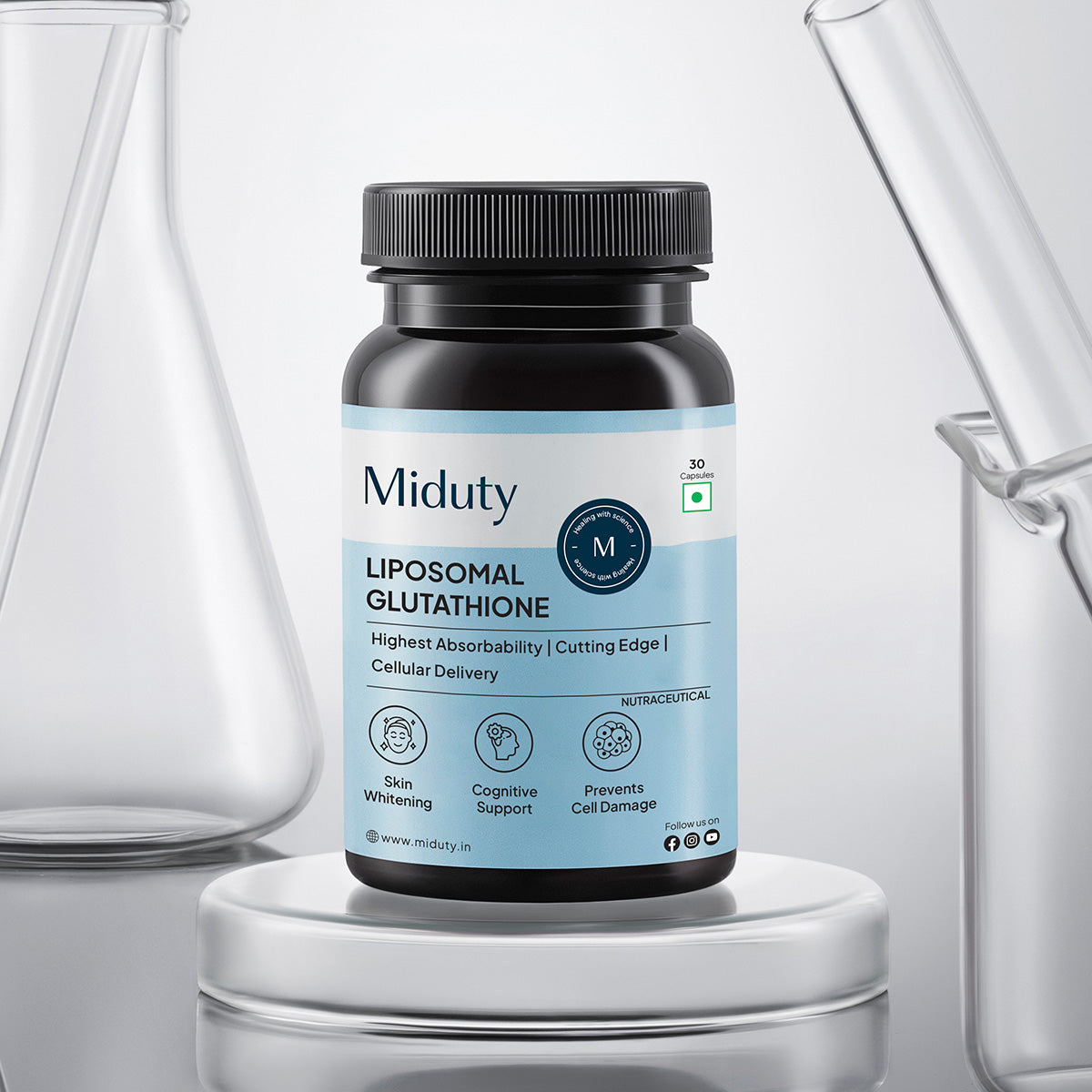
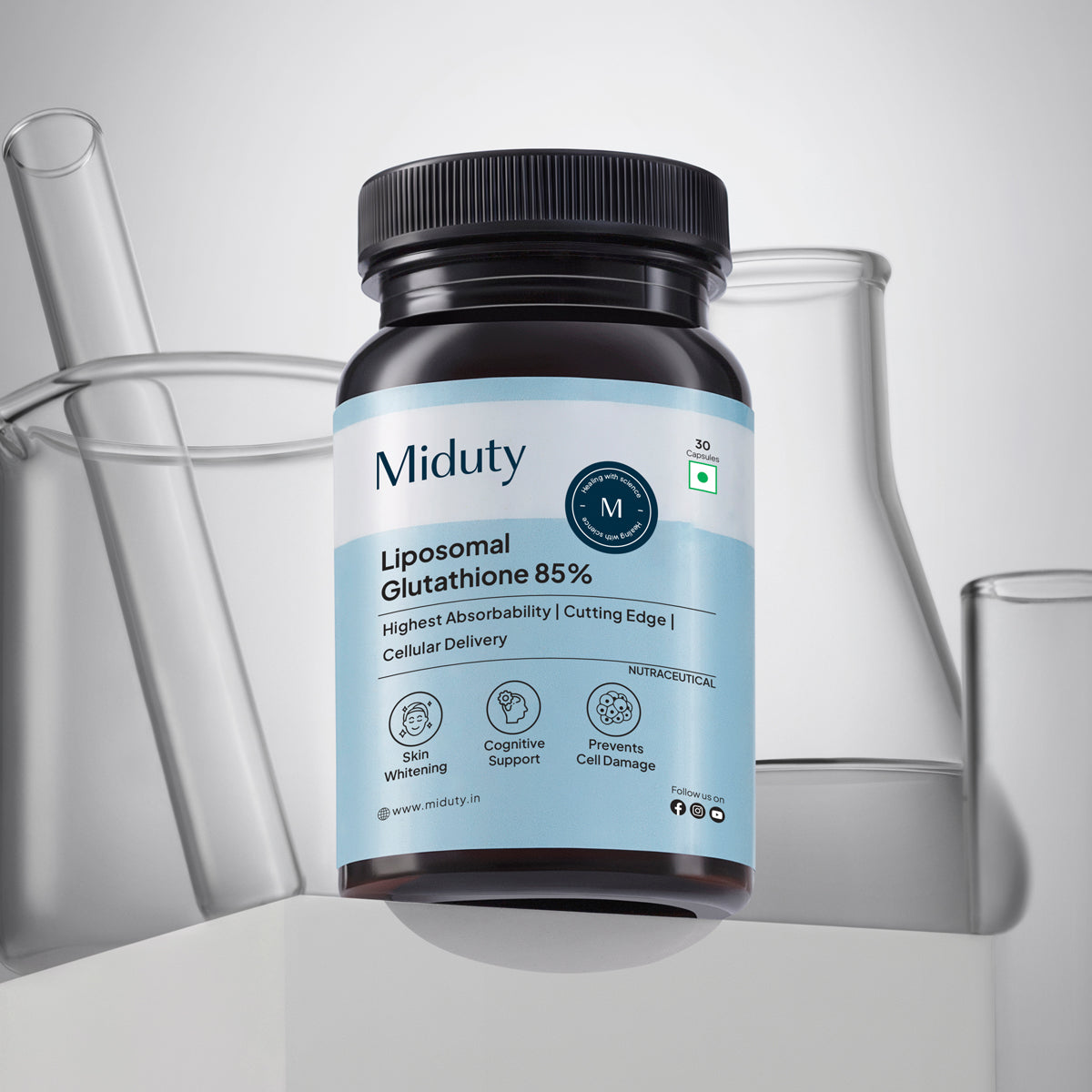
Liposomal glutathione is basically glutathione wrapped inside tiny fat-based particles called liposomes. These particles are built from phospholipids, which are the same molecules that make up the outer layer of your cells. That is why they work so well together.
When you take a regular glutathione supplement, it has to pass through your entire digestive system first. By the time it reaches your bloodstream, a good portion of it has already broken down. That is just how digestion works with certain nutrients.
Liposomal technology solves this. The liposome wraps around the glutathione and keeps it protected from stomach acids and digestive enzymes during the whole journey.
A study on PubMed confirmed that Liposomal glutathione increased glutathione levels in the body within 1-2 weeks.
Levels increased by about 40% in whole blood, 25% in red blood cells, 28% in plasma, and 100% in immune cells.
At the same time, oxidative stress markers dropped by about 35%, and immune activity improved significantly.
So if absorption is the goal, liposomal glutathione makes a practical difference compared to standard forms.
Key Differences Between L-Glutathione and Liposomal Glutathione
Here is a quick side-by-side breakdown to help you spot the difference at a glance.
|
Feature |
L-Glutathione |
Liposomal Glutathione |
|
Form |
Free-form amino acid |
Encapsulated in liposomes |
|
Absorption |
Moderate |
High |
|
Bioavailability |
Lower |
Significantly higher |
|
Best for |
General wellness |
Gut issues, Chronic illness |
|
Dose Needed |
Higher |
lower |
|
Cost |
affordable |
More expensive |
|
Availability |
Widely available |
Mostly online |
|
Taste |
Neutral |
Strong |
|
Stability |
Less stable |
More stable |
Liposomal Glutathione for Skin Brightening & Glow
Your body deals with a lot every day, glutathione helps it keep up.
- Supports Even Skin Tone: Glutathione works on melanin pathways, which affects how even your complexion looks. Oral glutathione has actual clinical backing for skin brightness. [9]
- Reduces Oxidative Stress: Sun, pollution, daily life - it all creates oxidative stress in your body. Glutathione helps neutralize that damage before it builds up. [10].
- Helps Maintain Skin Clarity: When oxidative stress stays under control, skin looks clearer. Glutathione is a key part of how your body naturally defends itself from the inside out.
- Supports Natural Cell Repair: Your cells renew constantly. Glutathione helps protect them during that process, which shows up as better energy, recovery, and smoother-looking skin over time.
- Supports Collagen Stability: Oxidative damage affects collagen too, not just surface skin. Glutathione keeps antioxidants up and helps protect that structure and maintain firmness and joint health.
- Better Absorbed in Liposomal Form: Most regular glutathione supplements get broken down before they reach your cells. Liposomal glutathione supplements capsules absorb 8x more than regular glutathione and offer faster results.
How to Pick the Right Supplement: Liposomal Glutathione vs L Glutathione?
Most people pick a glutathione capsules supplement based on price or brand. Very few actually look at the form, which is honestly the part that determines whether it works or not.
- Bioavailability - Liposomal absorbs much better than regular L-Glutathione.
- Gut issues - Liposomal bypasses digestion, so it works even if your gut is weak.
- Budget - L-Glutathione is cheaper and easier to find everywhere.
- Purpose - For serious health concerns, go liposomal. For general wellness, L-Glutathione is enough.
- Dosage - You need less liposomal to get the same effect as a higher L-Glutathione dose.
- Third-party testing - Always check if the brand is third-party tested for purity and potency.
- Form - Liposomal comes mostly as liquid or softgels. L-Glutathione comes as capsules or powder.
- Sensitivity - If you have a sensitive stomach, liposomal is the gentler option.
- Ingredients List - Avoid products with unnecessary fillers, artificial colors, or preservatives.
- Brand Reputation - Check real customer reviews and look for brands with transparent sourcing.
Which One to Choose For anyone targeting skin health, oxidative stress, immune function, or cellular repair, liposomal is the more clinically sound choice. L-Glutathione works, but liposomal simply works better.
Benefits of Supplementing with Glutathione
Glutathione is one of the few compounds your body actually produces on its own. The problem is levels drop with age, stress, and poor diet faster than most people realise. Here is what bringing those levels back up can do.
1. Reduces Oxidative Stress - Glutathione is your body's primary internal antioxidant and it works at the cellular level, not just in the bloodstream. When oxidative load stays high for too long, everything downstream suffers.
2. Supports Liver Detoxification - Your liver processes everything you eat, breathe, and absorb. Glutathione is what it uses to bind toxins and flush them out. Without enough of it, that process slows down considerably. [11]
3. Strengthens Immune Function - Low glutathione levels have been directly linked to weakened immune response. Lymphocytes, the cells your body depends on to fight infection, need it to function properly. [12]
4. Supports Even Skin Tone - Glutathione affects how much melanin your skin produces. With consistent oral glutathione supplements, research shows it can visibly improve brightness and even out skin tone over time. [13]
Glutathione offers a lot of benefits to overall health. Here you can check out the detailed benefits of glutathione.
Glutathione Dosage: How much glutathione do you need per Day?
Glutathione supplements are available in different forms such as capsules, powder, and sachets. The amount a person should take usually depends on the reason for using it, their age, and their overall health. Some people use glutathione for general antioxidant support, while others take it for skin health or liver wellness.
In most nutritional studies, a daily intake between 500 mg and 1000 mg is commonly used for overall health support.
- For skin and antioxidant support - Many protocols start with around 1000 mg per day during the initial phase.
- For maintenance after the first phase - The dosage is often reduced to about 500 mg daily.
Consistency is usually more important than taking very high doses. Most experts suggest staying consistent with glutathione capsules for at least 90 days, because glutathione works gradually and the body needs time to build and maintain healthy levels.
Boost Glutathione Levels Through Diet
- Eat Garlic and Onions - These are not just kitchen staples. Garlic and onions are loaded with sulfur compounds, and sulfur is literally what the body uses to build glutathione. Easy addition, real impact.
- Add Cruciferous Vegetables - Broccoli, cabbage, cauliflower, Brussels sprouts. This whole family of vegetables supports the enzymes your body needs to actually produce glutathione. Not just eat them occasionally, make them a regular part of the plate.
- Include Vitamin C Foods - Oranges, amla, kiwi, strawberries. Vitamin C does something specific here, it helps recycle glutathione so it stays active longer inside the body instead of getting used up and lost.
- Eat Selenium Rich Foods - Selenium directly supports glutathione enzyme activity. Brazil nuts, sunflower seeds, eggs. You do not need a lot of it but you do need it consistently.
These are simple additions that quietly make a real difference over time. The body responds to consistency, and this is where it starts.
Lifestyle Tips for Boosting Glutathione Levels
Diet gets most of the attention but how you live day to day affects glutathione levels just as much.
- Sleep is non negotiable - Glutathione regenerates during rest. Consistently poor sleep depletes it faster than most dietary gaps will. 7-8 hours is not a wellness trend, it is basic cellular maintenance. Research confirms that sleep deprivation significantly reduces antioxidant defenses including glutathione. [14]
- Manage stress where you can - Chronic stress burns through glutathione. The body treats prolonged stress as an oxidative event and antioxidant reserves take the hit. Exercise, breathing, boundaries, whatever works for you, it matters biochemically not just mentally. [15]
- Exercise but recover properly - Moderate regular exercise actually supports glutathione production over time. The problem is when people train hard without recovering well. Overtraining without rest does the opposite and increases oxidative load faster than the body can keep up. [16]
How you live daily matters just as much as what you eat. So, fix your lifestyle too.
Is Glutathione Safe? Side Effects to Know
Glutathione is generally safe for most people when taken as directed. Always check with your doctor if you are pregnant, breastfeeding, or managing a health condition.
- Oral Supplements Side effects are rare. Some people report mild bloating or an upset stomach at higher doses. Liposomal liquids can have a slight sulfur taste. Usually settles as the body adjusts.
- IV Glutathione Drips, More caution is needed here. Repeated IV use has been linked in some reports to thyroid disruption, kidney stress at high doses, and occasional skin reactions. [17] Medical supervision is non negotiable with IV drip glutathione.
What to Avoid that depletes glutathione Levels?
Building glutathione levels takes consistency. Some habits quietly work against that every single day.
- Alcohol - The liver burns through glutathione to process alcohol. Regular drinking is one of the fastest ways to deplete reserves your body actually needs elsewhere.
- Cigarette Smoke - Smoking creates a heavy oxidative load that glutathione has to constantly work against. It is always recommended to avoid smoking.
- Chronic Stress - Prolonged stress is an oxidative event biologically. It draws down antioxidant reserves steadily and glutathione takes a significant hit and your body will show signs of aging, unhealthy liver etc.
- Processed and Ultra Refined Foods - Diets low in real nutrients give the body less to work with when producing glutathione. Processed foods also tend to increase inflammatory load which depletes it further.
Avoiding these is not a restriction. It is protection. Reducing even a few of these consistently gives your body a real chance to maintain its own defenses.
Conclusion
Glutathione is not something your body can do without. The problem is levels drop quietly over time and most people do not connect the dots until it shows up as low energy, uneven skin, or a weakened immune response.
Between the two forms, liposomal simply delivers more of what you are paying for. Better absorption means the benefits actually reach your cells where they matter.
Pair it with decent sleep, a reasonable diet, and cutting out the habits that drain it, and you have a solid foundation. Supplementation works best when the basics are not working against it.
Give it 90 days of consistency. Glutathione is not an overnight fix but it is one of the more evidence backed additions you can make to your daily routine.
FAQ's on Liposomal Glutathione -
Q1: What is the difference between L-glutathione and liposomal glutathione?
Liposomal glutathione offers higher bioavailability than standard L-glutathione. The liposomal coating protects glutathione from digestive acids and helps deliver it to cells more efficiently for better antioxidant support.
Q2: What is liposomal glutathione used for?
Liposomal glutathione works at the cellular level, supporting liver detoxification, immune function, skin health and helping the body manage oxidative stress and inflammation from the inside out.
Q3: Can I take liposomal glutathione and vitamin C together?
Yes. Liposomal glutathione and vitamin C is usually recommended. Vitamin C helps regenerate glutathione after it has been used up, keeping it active longer inside the body. The two work together to maintain antioxidant levels more effectively than either does on its own.
Q4: Does liposomal glutathione help with skin brightening?
Yes. Liposomal glutathione helps with skin brightening and reducing dark spots by slowing down melanin production in the body. The liposomal form absorbs better than regular supplements, which means it actually gets to work at the cellular level. We recommend you to be consistent for at least 90 days to see visible results.
Q5: Does liposomal glutathione help with weight loss?
Liposomal glutathione does not directly lead to weight loss but it supports several things that may lead to weight loss. Better liver detoxification, reduced inflammation and improved insulin sensitivity all play a role a role in how the body manages fat.
Q6: Are there any side effects of liposomal glutathione?
Oral glutathione supplements rarely has any side effects. Very few studies have actually documented side effects and nothing serious has come up. Mild bloating and stomach discomfort at higher doses is occasionally reported.
Q7: Is liposomal glutathione worth the extra cost?
Yes. The main problem with regular glutathione is that a supplements is that get broken down before it reaches your cells. Liposomal form solves that problem meaningfully. It get absorbed completely and gives the faster and better results.
Q8: What should I look for when buying a liposomal glutathione supplement?
Phospholipid quality matters most, sunflower or soy lecithin are common ones to look for. Check the actual glutathione dose per serving, not just what sounds impressive on the label. Avoid unnecessary fillers and always look for third party testing. Transparency on sourcing is a good sign.
Q9: Is liposomal glutathione better absorbed than L-glutathione?
Yes, and research supports this. The liposomal delivery protects glutathione through the digestive process so more of it reaches the bloodstream intact. With standard L-glutathione a significant amount simply does not survive digestion.
Q10: Why is liposomal glutathione considered more bioavailable?
Because it is wrapped in phospholipid layers that mimic the body's own cell membranes. This allows it to pass through the gut lining more effectively and deliver the compound directly into cells rather than losing most of it in the stomach.
Q11: Which is more effective: liposomal glutathione or L-glutathione?
Liposomal is more effective for targeted results. L-glutathione still works but requires higher doses over longer periods to get comparable outcomes. For skin, liver, immune, or cellular support where you want reliable results, liposomal is the stronger choice.
Q12: Does L-glutathione get destroyed in the stomach?
Largely yes. Glutathione is a tripeptide and digestive enzymes break it down before it can be absorbed properly. This is exactly the problem liposomal technology was developed to address.
Q13: How does liposomal delivery improve glutathione absorption?
Glutathione on its own does not survive digestion well. Liposomal delivery wraps it in phospholipid layers, the same material your cell membranes are made of, which protects it through the stomach and allows it to pass into the bloodstream more intact. More gets through, more gets to work.
Q14: Can liposomal glutathione raise blood glutathione levels more than L-glutathione?
Yes. Clinical research has directly compared the two and liposomal form consistently shows higher increases in blood glutathione levels. The difference comes down to how much actually survives digestion and enters circulation.
Q15: Which form works faster: liposomal glutathione or L-glutathione?
Liposomal generally shows results faster because absorption is higher from the start. With L-glutathione you are working with lower bioavailability so it takes longer to build up meaningful levels in the body. Timeline depends on the individual but the gap is noticeable.
Q16: Does liposomal glutathione reduce melanin more effectively than L-glutathione?
The mechanism is the same for both, inhibiting tyrosinase to slow melanin production. The difference is delivery. Liposomal gets more glutathione to the right place, which makes the effect more consistent and noticeable compared to standard L-glutathione at equivalent doses.
Q17: Which form is better for liver detox: liposomal glutathione or L-glutathione?
Liposomal is the stronger option here. The liver depends on intracellular glutathione for detoxification and that requires the compound to actually reach liver cells intact. Better absorption means better support for the detox pathways that matter. For anyone specifically targeting liver health, liposomal is worth the difference.
Q18: How long does it take to see results with liposomal glutathione vs L-glutathione?
Glutathione does not survive digestion well on its own. The liposomal form wraps it in phospholipid layers that protect it through the stomach so more of it actually reaches the bloodstream intact and gets to work.
Q19: Which form is better for anti-aging: liposomal glutathione or L-glutathione?
Yes and research has confirmed this directly. Liposomal form consistently shows higher increases in blood glutathione levels simply because more of it survives digestion.
Q20: Does liposomal glutathione improve antioxidant activity more than L-glutathione?
Liposomal. Higher absorption from the start means levels build up faster in the body. With L-glutathione you are working against lower bioavailability which stretches the timeline out.
Q21: Is oral liposomal glutathione as effective as IV glutathione compared to L-glutathione?
Practically yes. Skin results depend on glutathione actually reaching the cells where melanin is produced. Better absorption means more of it gets there consistently, which is what drives visible change.
Q22: Which form is better for boosting immunity: liposomal glutathione or L-glutathione?
Both work through the same mechanism, slowing down tyrosinase activity to reduce melanin. The difference is how much actually gets delivered. Liposomal wins on that front which makes results more consistent at equivalent doses.
Q23: Is liposomal glutathione better for chronic inflammation than L-glutathione?
Liposomal. The liver needs glutathione inside the cells to run detox pathways properly. Better absorption means more of it reaches liver cells where it is actually needed. For anyone focused on liver health specifically, the difference matters.
Q24: Which is more suitable for long-term use: liposomal glutathione or L-glutathione?
Both are safe for long term use. The practical difference is consistency. Liposomal maintains more stable absorption over time which means your levels stay more reliably topped up. With L-glutathione you are depending on higher doses to compensate for what gets lost in digestion, which adds up over the long run.
Q25: Which form maintains higher glutathione levels in the bloodstream: liposomal glutathione or L-glutathione?
Liposomal, consistently. Because more survives digestion and enters circulation intact, blood glutathione levels stay higher with the same or even lower doses compared to standard L-glutathione.
Q26: Should you choose liposomal glutathione over L-glutathione for better results?
If results are the priority then yes. L-glutathione is not ineffective but you are working with a fraction of what the label says actually reaching your cells. Liposomal closes that gap in a way that matters for skin, liver, immune, and cellular support.
Q27: Will you feel a difference switching to liposomal glutathione?
Many people do, especially those who took L-glutathione for months without much to show for it. Better absorption changes things. Energy, skin clarity, general recovery. It does not happen overnight but a few weeks in most people notice something is actually working this time.
Q28: What health benefits am I missing with traditional glutathione?
You are not missing them completely, you are just getting a diluted version. Whatever L-glutathione reaches your cells does its job. The issue is how much actually gets there. Liver support, skin results, immune function, oxidative stress management, all of it is working at a fraction of its potential when absorption is poor.
References