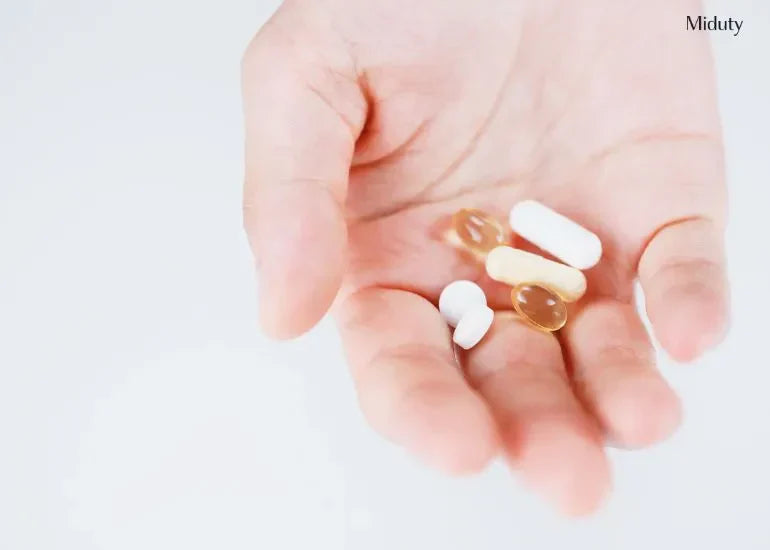
How Zinc Picolinate Boosts Your Immune System

A strong immune system is the foundation of good health. It protects the body from harmful pathogens, supports recovery from illness, and maintains daily vitality. Among the essential nutrients required for immune defense, zinc plays a central role. It is involved in the formation, activation, and regulation of immune cells. However, while zinc is abundant in the diet, not all individuals absorb it efficiently. Factors such as poor diet, digestive issues, and certain medications can reduce zinc uptake, leaving the immune system vulnerable.
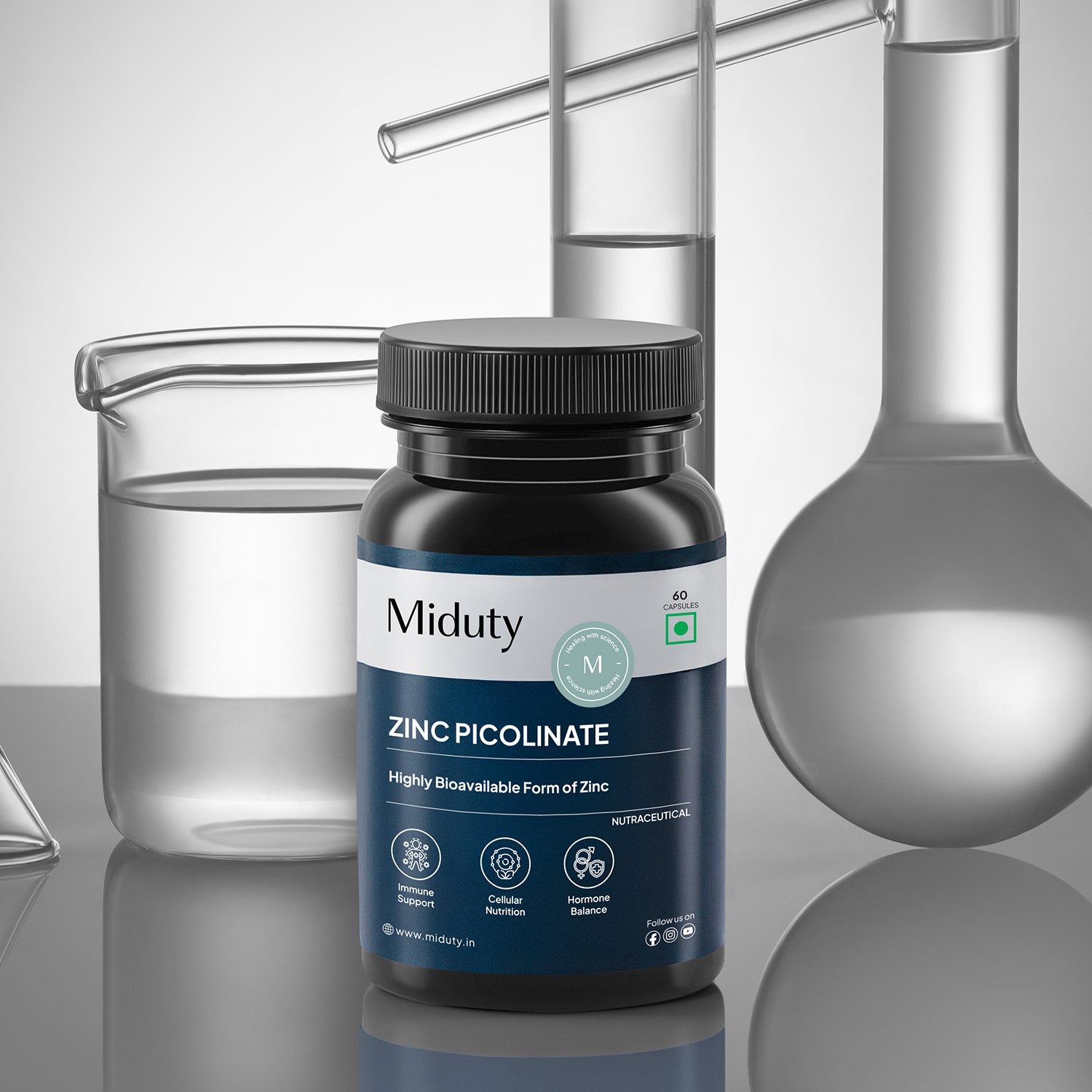
To ensure optimal zinc status, many turn to supplementation. Yet the type of zinc supplement chosen makes a major difference in effectiveness. Zinc picolinate, a highly bioavailable form of zinc, stands out for its superior absorption and immune-supporting potential. This article explains how zinc picolinate enhances immune function naturally, why it's more effective than other forms, and how it helps the body stay resilient against infection and inflammation.
Key Takeaways
1. Zinc picolinate enhances immune strength naturally by improving zinc absorption and ensuring the mineral reaches immune cells where it supports defense, repair, and recovery.
2. Superior bioavailability sets zinc picolinate apart, allowing it to bypass absorption inhibitors like phytates and deliver more zinc to the bloodstream and tissues.
3. Efficient zinc absorption boosts immune cell activity, improving the production of T-cells, B-cells, and natural killer cells that protect the body from infections.
4. Zinc picolinate regulates inflammation and oxidative stress, helping the body balance immune responses, reduce tissue damage, and recover more efficiently from illness.
5. Ideal for those at risk of deficiency, such as older adults, vegetarians, athletes, and individuals with digestive issues, zinc picolinate offers a reliable and gentle way to maintain strong, consistent immunity.
The Role of Zinc in the Immune System
Zinc is required by nearly every cell in the body, but it is especially critical for immune health. It supports both the innate and adaptive branches of the immune system—the body's first and second lines of defense.
1. Immune Cell Development and Function
Zinc is essential for the formation and maturation of immune cells, including white blood cells such as macrophages, neutrophils, and lymphocytes. Without sufficient zinc, these cells cannot function properly, weakening the body's ability to detect and destroy pathogens.
2. Regulation of Inflammatory Responses
Zinc helps balance inflammation. During infection, inflammation is necessary to fight microbes, but excessive inflammation can damage healthy tissues. Zinc controls the release of inflammatory cytokines, ensuring that immune responses remain effective but not overactive.
3. Antioxidant Defense
Zinc acts as an antioxidant by stabilizing cell membranes and supporting enzymes like superoxide dismutase (SOD). These enzymes neutralize free radicals, preventing oxidative stress that can suppress immunity and accelerate aging.
4. Barrier Integrity
Zinc maintains the integrity of skin and mucous membranes—the body's physical barriers against infection. Healthy skin and mucosal linings in the respiratory and digestive tracts prevent harmful microorganisms from entering the bloodstream.
Together, these functions make zinc indispensable for immune protection. However, the body cannot store large amounts of zinc, so consistent intake and effective absorption are vital.
Why Absorption Matters?
The human body can only use zinc that is successfully absorbed in the small intestine. Unfortunately, many zinc supplements fail to deliver adequate amounts because of poor solubility or competition from dietary inhibitors. Compounds called phytates, found in whole grains and legumes, bind to zinc and block its uptake. People with digestive disorders or low stomach acid also tend to absorb zinc inefficiently.
This is where the form of zinc becomes crucial. Different supplements bind zinc to various molecules—some natural, some synthetic—to help transport it into the bloodstream. Zinc picolinate excels because of its unique structure and chemistry.
Benefits of Zinc Picolinate For Boosting Immunity
The immune system relies on steady zinc availability to perform multiple coordinated actions. When zinc is efficiently absorbed, as with zinc picolinate, these processes operate at peak capacity.
1. Stimulates Immune Cell Production
Zinc picolinate supports the production of T-cells and B-cells, which are responsible for identifying and eliminating invading pathogens. Adequate zinc levels promote the growth and differentiation of these immune cells in the thymus and bone marrow. [1]
2. Improves Immune Communication
Zinc acts as a signaling molecule between immune cells. By ensuring consistent zinc supply, zinc picolinate helps maintain clear communication pathways that coordinate immune responses quickly and efficiently.
3. Strengthens Natural Killer Cell Activity
Natural killer (NK) cells are part of the body's innate defense, responsible for destroying infected or cancerous cells. Zinc picolinate enhances NK cell activity, improving the body's first response to infections. [2]
4. Supports Antibody Production
B-cells depend on zinc for antibody synthesis. Antibodies recognize pathogens and mark them for destruction. Supplementing with zinc picolinate ensures the body has enough zinc to sustain strong antibody responses.
5. Reduces Inflammatory Damage
Zinc picolinate helps moderate inflammation by regulating cytokine production. Balanced inflammation accelerates recovery while minimizing tissue stress, a key factor in chronic immune-related conditions.
6. Protects Against Oxidative Stress
Through its role in antioxidant enzyme systems, zinc neutralizes free radicals that can weaken immunity. Zinc picolinate enhances this protection by ensuring efficient delivery of zinc to immune and epithelial cells. [3]
What Makes Zinc Picolinate Different?
Zinc picolinate is a chelated form of zinc, meaning the mineral is bound to an organic compound called picolinic acid. Picolinic acid is produced naturally in the body from the amino acid tryptophan and serves an important function in mineral absorption. It helps escort trace minerals across the intestinal lining, making them easier for the body to utilize.
This natural compatibility gives zinc picolinate distinct advantages over other forms such as zinc sulfate or zinc gluconate.
1. Enhanced Solubility: The chelation with picolinic acid makes zinc more soluble and stable in the digestive environment, ensuring it remains in a form that can be absorbed.
2. Efficient Transport: Picolinic acid acts as a biological carrier, facilitating the smooth passage of zinc ions through intestinal cells and into circulation.
3. Protection from Inhibitors: The chelated complex prevents zinc from binding to phytates and other compounds that would otherwise trap it in insoluble forms.
4. Superior Bioavailability: Because more zinc enters the bloodstream in an active form, zinc picolinate provides higher bioavailability and greater tissue retention than other zinc salts.
Research has confirmed this advantage. In controlled studies, zinc picolinate supplementation produced significantly higher zinc levels in blood and tissue samples compared to zinc citrate and zinc gluconate. These findings highlight its superior efficiency and reliability in maintaining optimal zinc status.
Other Health Benefits of Zinc Picolinate
A well-supported immune system has ripple effects throughout the body. The benefits of zinc picolinate extend beyond infection resistance.
1. Faster Wound Healing: Zinc accelerates tissue repair and collagen synthesis, helping cuts and injuries heal efficiently.
2. Healthier Skin and Mucosa: By maintaining epithelial barrier strength, zinc picolinate reduces susceptibility to skin and respiratory infections.
3. Hormonal Balance: Zinc supports normal hormone production, which indirectly influences immune resilience.
4. Improved Energy Levels: As a cofactor for enzymes in metabolism, zinc contributes to better nutrient utilization and overall vitality during immune challenges.
These benefits demonstrate that optimal zinc levels, sustained through effective absorption, strengthen not only the immune system but also the body's broader defenses and recovery processes.
How to Take Zinc Picolinate for Immune Support?
1. Recommended Dosage
The recommended daily intake of zinc is about 8 mg for women and 11 mg for men. During times of increased immune demand—such as illness or stress—short-term doses of up to 25–30 mg per day may be used, but only under medical guidance. Because zinc picolinate is efficiently absorbed, smaller doses often achieve sufficient blood levels.
2. Best Time to Take It
Zinc supplements can be taken with food to minimize stomach discomfort. However, absorption is slightly higher when taken on an empty stomach. Avoid taking zinc at the same time as calcium or iron supplements, as they can compete for absorption.
3. Balancing with Other Nutrients
Prolonged high zinc intake can interfere with copper and iron absorption. Choosing a zinc picolinate supplement that includes a small amount of copper can help maintain mineral balance.
4. Consistency Matters
For immune resilience, zinc works best when taken consistently rather than sporadically. Regular supplementation ensures stable zinc levels in immune tissues.
Who Can Benefit the Most?
While everyone requires zinc for immune health, certain groups are more prone to deficiency and may gain particular benefit from zinc picolinate supplementation:
- Individuals with limited dietary intake of meat or seafood
- People with digestive disorders such as Crohn's disease or celiac disease
- Older adults with reduced absorption capacity
- Vegetarians and vegans consuming high-phytate diets
- Athletes and active individuals with higher nutrient turnover
For these populations, the superior absorption of zinc picolinate makes it an ideal choice for restoring optimal zinc status and supporting immune resilience.
Conclusion
A strong immune system depends on a steady supply of essential nutrients, and zinc is among the most vital. However, simply consuming zinc is not enough—what matters is how much the body actually absorbs and uses. Zinc picolinate, with its unique chelation to picolinic acid, ensures that zinc crosses intestinal barriers efficiently, reaches immune tissues, and remains active where it is needed most.
By enhancing immune cell production, regulating inflammation, and protecting against oxidative stress, zinc picolinate strengthens the body's natural defenses from within. For anyone seeking to maintain robust immunity, faster recovery, and overall wellness, zinc picolinate provides a scientifically supported and naturally effective solution.
FAQ's on Zinc Picolinate for Immunity -
Q1 - Does zinc picolinate help immunity?
Yes, zinc picolinate supports immune health because zinc is vital for proper immune function, and the picolinate form is highly bioavailable. By promoting the development and activity of immune cells such as T and B cells, it helps enhance the body's natural defense against infections.
Q2 - Which zinc supplement is best for the immune system?
Zinc picolinate and zinc citrate are often considered the best forms for immune support due to their high absorption and effectiveness in maintaining healthy immune function.
Q3 - What is the role of zinc in immunity?
Zinc is vital for immune health as it supports the development and proper function of immune cells, strengthens barrier defenses, and helps regulate immune responses. It plays a key role in both innate immunity (neutrophils and natural killer cells) and adaptive immunity (T and B lymphocytes).
Q4 - When to take zinc picolinate for the immune system?
For ongoing immune support, take zinc picolinate on an empty stomach for optimal absorption, or with food if it causes discomfort. To help reduce the duration of a cold, begin using zinc lozenges or syrup at the first sign of symptoms. Consistent daily use is important for maintaining long-term immune health.
Q5 - Is zinc picolinate an antioxidant?
Yes, zinc picolinate has antioxidant properties. The zinc it provides helps reduce oxidative stress by neutralizing free radicals and serving as a cofactor for antioxidant enzymes such as superoxide dismutase.
References
| Sr. No. | Reference Links |
| 1. | Zinc as a Gatekeeper of Immune Function |
| 2. | Influence of zinc deficiency and supplementation on NK cell cytotoxicity |
| 3. | Zinc and Oxidative Stress: Current Mechanisms |