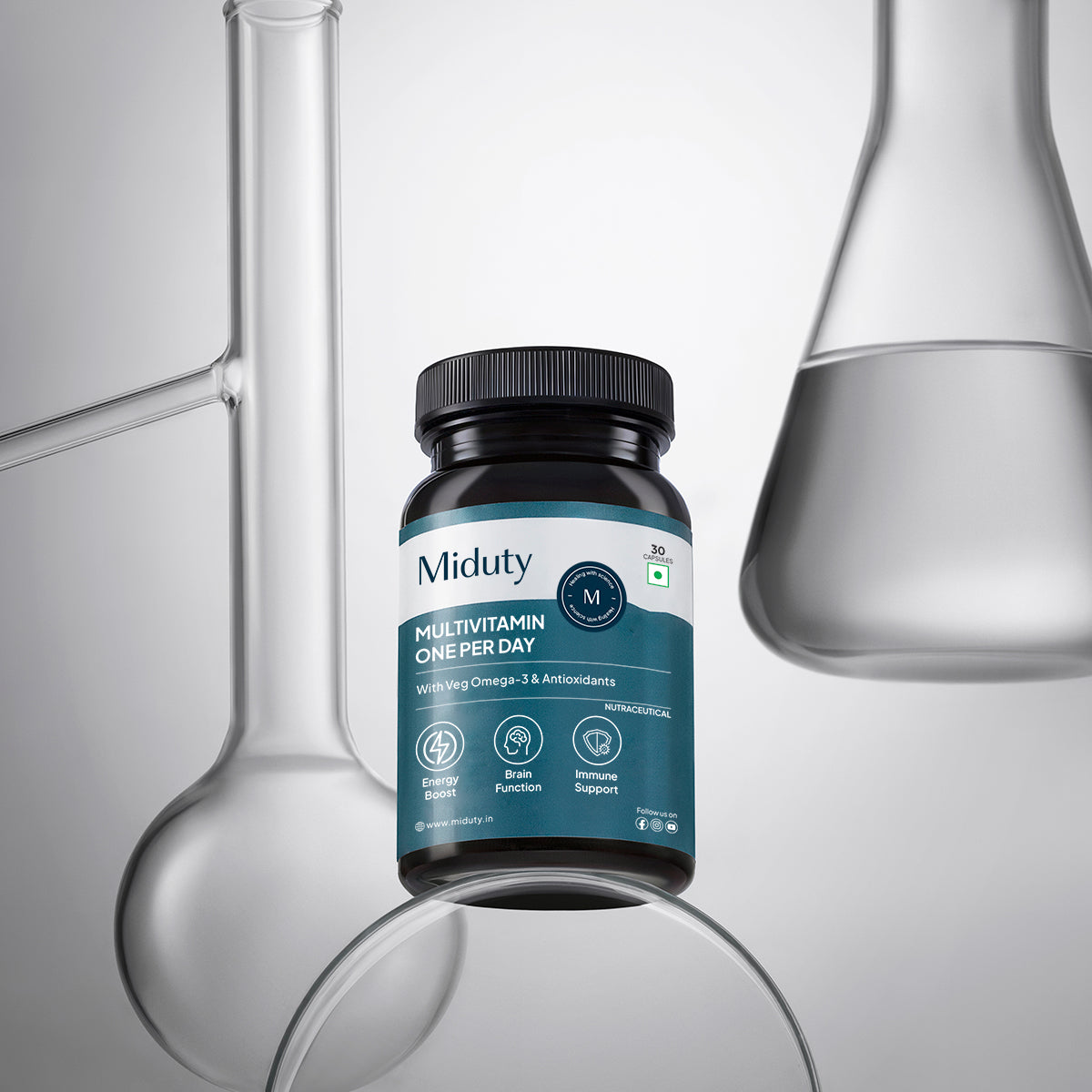
How To Take Fish Oil Capsules For Maximum Benefits

Have you ever wondered why fish oil capsules are everywhere, in health stores, online shops, and fitness conversations? Maybe a friend told you to take them for your heart, or you saw them in the vitamins aisle and weren't sure what to do with them. If that sounds familiar, you're in the right place.
Most of us take supplements with the hope of improved health, but just popping a pill isn't enough. Fish oil, rich in omega-3 fatty acids can be powerful, but only if you take it the right way. Whether you're new to supplements or want to get more from your routine, understanding how to consume fish oil capsules properly can make a real difference to your heart, brain, joints, and overall well-being.
Let's break it down in simple, practical terms, no confusing jargon, just straightforward advice you can use every day.
Key Takeaways
1. Take Fish Oil with a Meal: For optimal absorption, consume fish oil capsules with a meal containing healthy fats. This helps improve digestion, reduces side effects like fishy burps, and enhances overall effectiveness.
2. Consistency is Key: There's no magic time to take fish oil, but it's crucial to take it consistently at the same time every day. Whether it's breakfast, lunch, or dinner, ensure you take it with food to maximize benefits.
3. Pay Attention to Dosage: Most health organizations recommend at least 250–500 mg of combined EPA and DHA daily. Adjust the dosage based on your specific needs, but consult with a doctor before exceeding the standard dose.
4. Drink Water and Stay Upright: Always swallow fish oil with a full glass of water and avoid lying down right after taking it. This helps the capsule go down smoothly and reduces unpleasant aftertastes or reflux.
5. Choose Quality Supplements: When selecting a fish oil supplement, look for products that clearly list EPA and DHA content. High-quality options, such as krill oil or enteric-coated capsules, tend to be gentler on the stomach and provide better absorption.
What Are Fish Oil Capsules and Why Take Them?

Fish oil capsules are supplements made from the oil of fatty fish like salmon and mackerel. They contain omega-3 fatty acids, primarily EPA and DHA, which are essential for heart health, brain function, and reducing inflammation. These capsules offer a convenient way to get omega-3s without consuming fish. These fats help:
- Support heart health and keep your blood fats in check. [1]
- Maintain brain function and mood regulation. [2]
- Reduce inflammation, which can ease joint pain and skin irritation. [3]
- Support eye health and overall cellular function.
In essence, these capsules are a convenient way to get omega-3s when you don't eat enough fatty fish like salmon, mackerel, or sardines.
How to Consume Fish Oil Capsules?

1. Take Them With a Meal
This is the most important rule. Fish oil is a fat-soluble nutrient, meaning your body absorbs it best when eaten with food — especially meals containing some healthy fats.
Why It Matters:
- Enhanced absorption in your body
- Reduced common side effects like fishy burps or indigestion
- Better overall effectiveness
Good Meal Partners Include:
- Eggs with avocado
- Dinner with olive oil or ghee
- Peanut butter toast
- Cheese or paneer dishes
Eating a little bit of fat with your capsule helps your digestive system break it down and use it more efficiently, making the supplement work rather than just passing through your system.
2. Timing — Morning, Afternoon, or Night?
There's no magic hour, but a simple guiding idea applies: Consistency is more important than specific timing.
It's better to take your pill at roughly the same time every day — ideally with your biggest or fattiest meal. For many people, this is lunch or dinner. Whether you take it with breakfast, lunch, or dinner doesn't seem to affect the benefits too much, as long as you take it regularly with food.
Pro Tip: If you're new to fish oil and worry about burps, take it with a larger, more balanced meal rather than a light snack.
3. How Much Should You Take?
Labels on fish oil bottles can be confusing — they might list the total oil amount instead of the actual omega-3 content. The real stars are EPA and DHA.
Recommended Dosage:Most health organizations suggest at least 250–500 mg of combined EPA and DHA daily for general health. Some people take higher amounts for specific concerns (such as very high triglycerides), but it's best to consult with a doctor before going above the standard doses.
4. Drink Water With It
Always swallow your fish oil capsule with a full glass of water to ensure it goes down smoothly. This helps prevent the capsule from breaking down in your throat, which is a common cause of the unpleasant fishy aftertaste. Drinking water also aids in digestion and proper absorption of the supplement.
5. Don't Lie Down Right After Taking It
After taking your capsule, don't lie down immediately. Taking supplements while upright helps everything move through your digestive system more efficiently. It may sound simple, but this tiny habit can reduce fishy burps or reflux.
Tips to Avoid Common Problems
Many people start fish oil and quit because of minor discomforts. Here's how to avoid them:
1. Split your dose if recommended (e.g., morning and evening with meals).
2. Choose enteric-coated capsules — these dissolve in the intestines, not the stomach, reducing fish burps.
3. If burps still bother you, try swallowing the capsule deeper by tilting your head slightly forward.
4. Store capsules in a cool, dry place to keep them fresh.
How Long Before You See Benefits?
Fish oil is not a supplement that provides instant results like caffeine, which gives you an immediate energy boost. The benefits of fish oil, particularly for heart health, brain function, and reducing inflammation, often require time to become noticeable. This is because omega-3 fatty acids, like those found in fish oil, work gradually to support and improve your body's systems.
For heart health, it may take a few weeks to months of consistent use to see improvements in cholesterol levels, blood pressure, or overall cardiovascular health. Similarly, the cognitive and mood-boosting benefits for brain function might not show up immediately but will become more apparent over time as the brain benefits from steady omega-3 intake.
The key is consistency. The longer you take fish oil with the proper dosage and absorption method, the more likely you are to experience its full range of benefits. Patience is crucial, as the effects build over time, helping to support long-term wellness.
How to Choose the Best Fish Oil Supplement?
When picking a fish oil supplement, quality matters. Look for products that clearly list EPA and DHA amounts, not just total oil — that's what you're paying for. Third-party testing or certification adds confidence that you're getting what the label claims. Choose a formula with minimal contaminants, and if possible, enteric-coated capsules to reduce fishy aftertaste.
Among options available, a krill omega complex supplement is often preferred because krill oil naturally contains phospholipids that may improve absorption and comes with antioxidants like astaxanthin for extra benefits. Compared to regular fish oil, krill omega complexes tend to be gentler on the stomach and more stable, making them a great choice for daily use.
Final Thoughts
Fish oil capsules are a great supplement when consumed properly, offering a range of benefits from heart health to brain function. However, taking them the right way is key to getting the most out of their potential. It's important to consume fish oil with a meal that contains healthy fats to ensure better absorption. Consistency in timing is also crucial, as taking your capsule at the same time every day with a balanced meal will help your body process it more effectively.
The right dosage matters too, so make sure to read labels and look for products with high levels of EPA and DHA. Choosing high-quality fish oil supplements, preferably enteric-coated or krill oil, can reduce side effects like fishy burps. By following these simple steps, you can make fish oil a valuable part of your daily routine for long-term health benefits.
FAQ's on Fish Oil Capsules Consumption -
Q1 - What is the best way to take fish oil?
Fish oil and omega-3 fatty acids are combined in a capsule to help reduce bad cholesterol and fats in your blood, effectively treating high triglyceride levels. Take the capsule by mouth with a glass of water, following the recommended dosage, and try to take it at the same time each day.
Q2 - Is fish oil good for acid reflux?
Fish oil may help reduce gastric acid secretion and alleviate acid reflux in some cases, but it can also trigger reflux or heartburn as a side effect. Proper timing and dosage are key, taking it with a fatty meal, splitting the doses between morning and night, or using enteric-coated capsules could help minimize issues. However, it's important to consult a doctor, as fish oil can interact with certain medications.
Q3 - What is the right time to take fish oil capsules?
The best time to take omega-3s is with a meal, as this helps maximize absorption in your body. Specifically, consuming fish oil with a meal that includes a good source of fat can improve the bioavailability of omega-3 fatty acids, enhancing their effectiveness.
Q4 - Can I consume fish oil capsules daily?
Up to 3,000 mg of fish oil per day is generally considered safe for adults. This dosage can support heart health and overall well-being when consumed as part of a balanced diet.
Q5 - Who should not take fish oil?
You should avoid taking fish oil supplements if you are allergic to seafood, and always consult a doctor before starting them. It's especially important to check with your doctor if you're taking medications such as blood thinners, hormonal treatments like birth control pills, or if you have any chronic health conditions.
Q6 - How long does fish oil take to work?
Fish oil doesn't provide instant results. You may start to notice changes in mood or skin within 6-8 weeks, but significant benefits for heart health, inflammation (such as arthritis), or neurological conditions may take 2-6 months. Full cellular changes can take up to 18 months as your body gradually builds its omega-3 levels. Consistency is important, so taking it daily with a fatty meal can improve absorption and effectiveness.
References