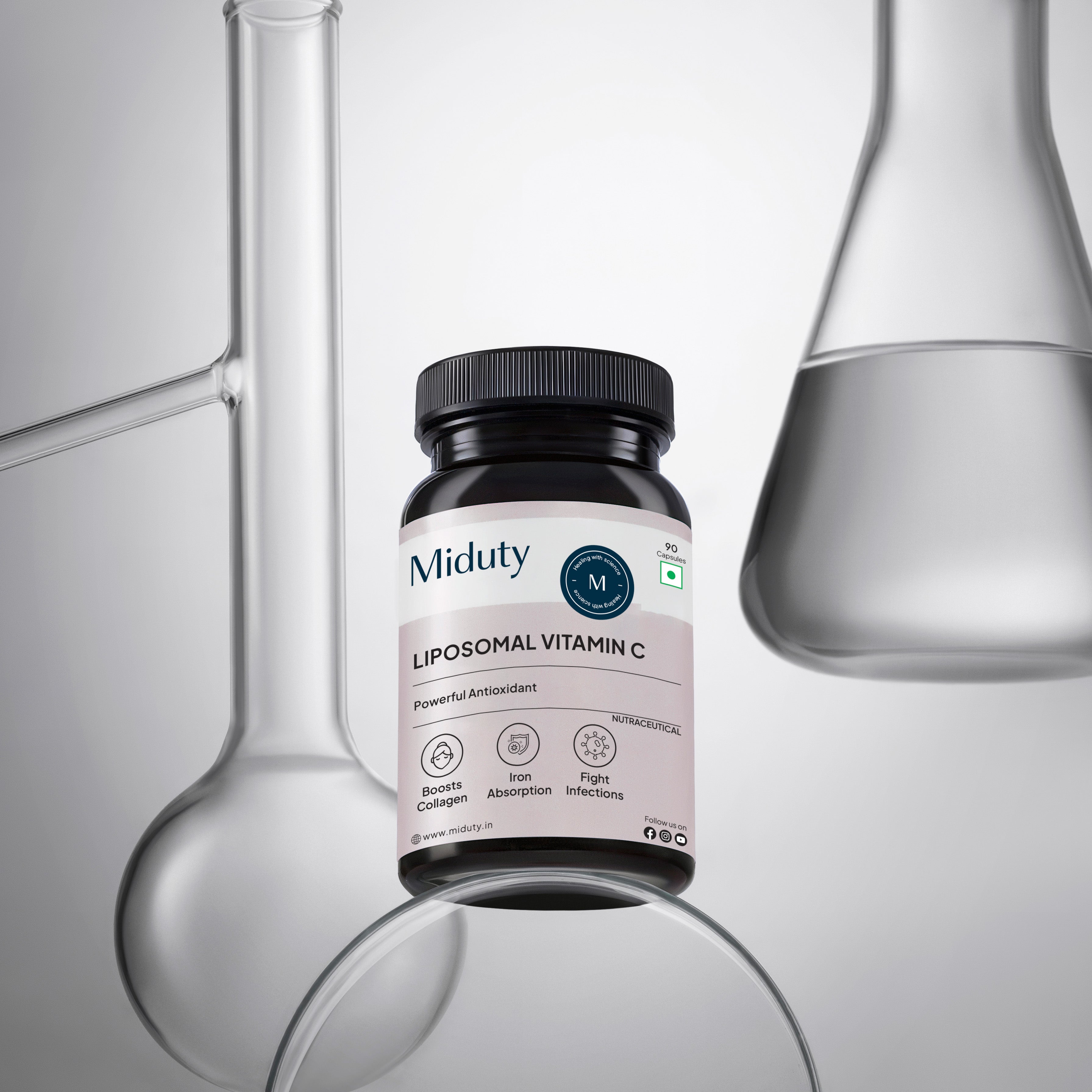
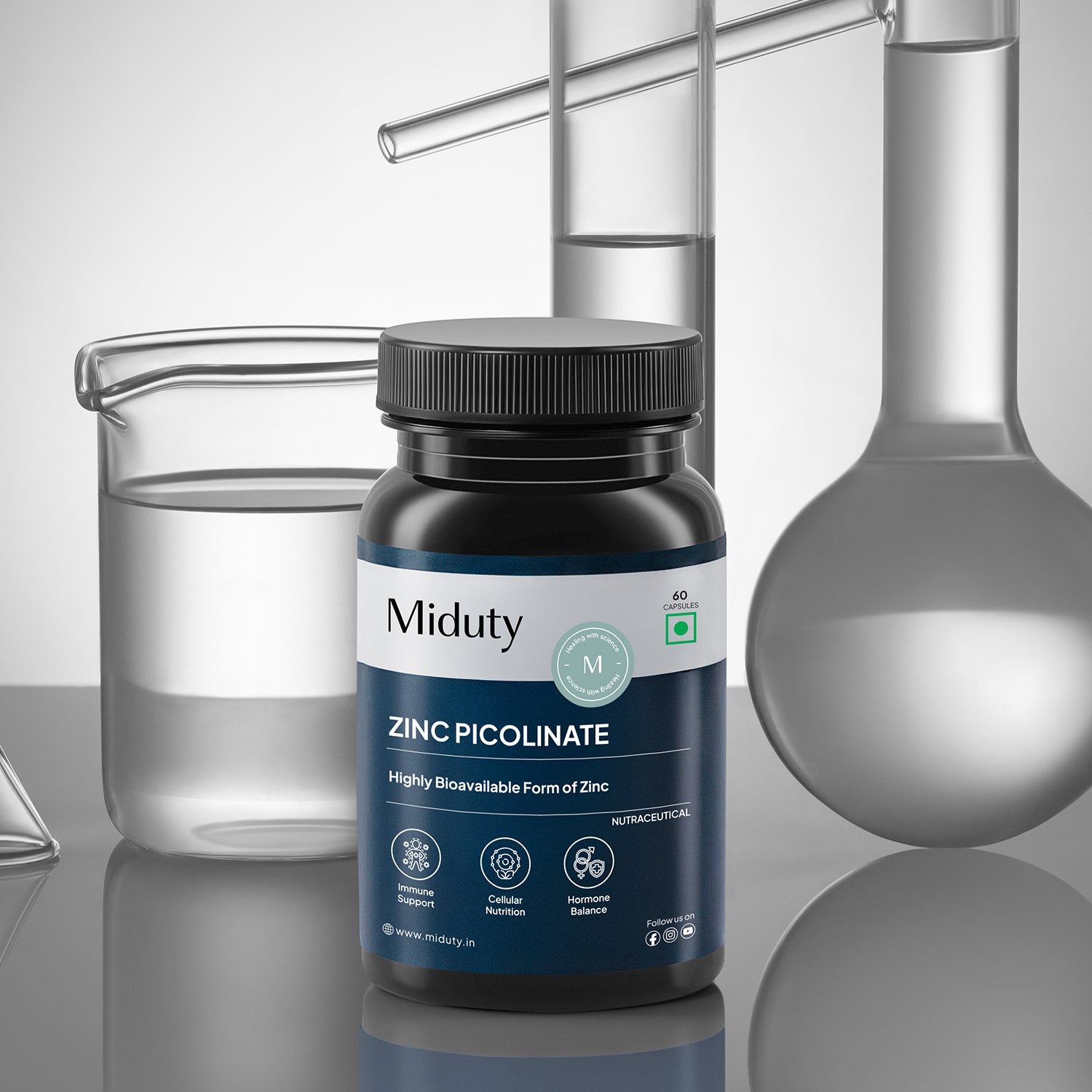
Top 7 Benefits of Taking Vitamin C and Zinc Together

Key Takeaways
1. Vitamin C and zinc aren't just "cold season" nutrients. Your body uses them daily for immunity, skin repair, recovery, collagen production, and dealing with stress from modern lifestyles.
2. Low energy, frequent colds, slow healing, and dull-looking skin can sometimes be linked to poor intake of Vitamin C and zinc, especially in people eating heavily processed diets or dealing with chronic stress.
3. Taking Vitamin C and zinc together works better because they support different parts of the immune and repair system at the same time instead of doing the exact same job.
4. Supplements can help, but food still matters. Amla, guava, pumpkin seeds, eggs, chickpeas, and citrus fruits give your body these nutrients naturally and support long-term health better.
5. More isn't always better. Consistent intake in the right amount usually works far better than taking huge doses only when you already feel sick.
You've probably noticed it already. The second the weather changes, someone around you starts sneezing, popping Vitamin C tablets, or mixing fizzy zinc drinks into water like it's some emergency ritual. And honestly? There's a reason people keep coming back to this combo. Modern diets look full on paper but are surprisingly low in micronutrients.
According to research published in Advances in Nutrition, zinc deficiency still affects a significant part of the global population, especially people with poor dietary diversity or high stress levels. Vitamin C intake isn't doing great either.
Research published in Nutrients found that low Vitamin C levels are more common in smokers, people under chronic stress, and those eating heavily processed diets.
And when your body runs low on these two nutrients, you feel it. Slower recovery. Frequent colds. Low energy. Skin that looks tired no matter how expensive the skincare is.
Vitamin C and zinc work differently, but together, they make a pretty solid team. One supports immune defense and collagen production. The other helps with cellular repair, hormones, skin health, and immune signaling. Put them together, and the benefits go beyond just "cold support."
What is Vitamin C and Why is it Important for the Body?
Vitamin C, also called ascorbic acid, is a water-soluble vitamin your body cannot produce on its own. Which means you have to get it from food or supplements regularly. Miss out for long enough, and your body starts showing signs pretty quickly.
It plays a major role in collagen formation. That matters because collagen is basically the support structure for your skin, joints, gums, blood vessels, and even hair. Vitamin C also works as an antioxidant, helping your body deal with oxidative stress caused by pollution, smoking, poor sleep, UV exposure, and processed foods.
But one of its biggest jobs is immune support.
According to research published in the Nutrients Journal, Vitamin C helps support various cellular functions involved in both the innate and adaptive immune systems. In simpler words, it helps your immune cells do their job properly.
Low Vitamin C levels have also been linked with fatigue and weaker immunity. Which explains why people often feel drained when their diet is poor for long periods.
What is Zinc and Why is it Important for the Body?
Zinc is a trace mineral, but don't let the word "trace" fool you. Your body uses zinc for hundreds of enzyme reactions every single day.
It plays a role in immune function, wound healing, testosterone production, skin repair, metabolism, and even taste and smell. In fact, one of the classic signs of zinc deficiency is reduced taste sensation.
According to research published in the Nutrients Journal, zinc is essential for immune cell development and communication. Without enough zinc, your immune response becomes slower and less efficient.
Zinc also matters a lot for skin health. Acne-prone skin, delayed healing, and irritated skin barriers are often associated with lower zinc levels. That's one reason zinc supplements are commonly included in skin-support formulas.
And unlike some nutrients that your body stores easily, zinc levels can drop faster during stress, illness, heavy exercise, or poor eating habits.
Health Benefits of Vitamin C

1. Supports Collagen Production
Your skin, joints, gums, and even blood vessels depend on collagen to stay strong and healthy. Vitamin C plays a direct role in collagen synthesis, which is why low Vitamin C levels can affect skin firmness and slow down repair processes.
2. Improves Iron Absorption
Vitamin C helps your body absorb non-heme iron, the type of iron found in plant-based foods. This becomes especially useful for vegetarians or people with low iron levels. Pairing Vitamin C-rich foods with iron-rich meals can improve iron absorption significantly.
3. Provides Antioxidant Protection
Everyday factors like stress, smoking, alcohol, junk food, and pollution expose the body to free radicals. Vitamin C acts as an antioxidant that helps reduce oxidative stress and protects cells from damage.
4. May Support Healthy Skin Aging
According to research published in the Journal of Clinical and Aesthetic Dermatology, Vitamin C may help reduce visible signs of skin aging by supporting collagen stability and protecting the skin against oxidative stress.
5. May Reduce Cold Duration
Vitamin C is widely known for immune support. While it is not a magic cure for colds, research published in the Cochrane Database of Systematic Reviews found that regular Vitamin C intake may help slightly reduce the duration and severity of common colds in some individuals.
Health Benefits of Zinc

1. Supports Wound Healing
Zinc plays an important role in tissue repair and inflammation control. This is one reason zinc-based creams are commonly used for irritated skin, cuts, and healing wounds.
2. Helps Maintain Hormone Health
Zinc is involved in several hormonal functions, especially in men. It contributes to testosterone production and supports overall reproductive health.
3. Supports Immune Function
Your immune cells require zinc to function properly. Zinc deficiency has been linked with weakened immune response and increased oxidative stress. Research published in the Biofactors Journal highlights the importance of adequate zinc levels for immune health.
4. May Help Reduce Acne
Scientific studies published in Dermatologic Therapy found that zinc supplementation may help manage inflammatory acne due to its anti-inflammatory properties and its ability to inhibit acne-causing bacteria.
5. Helps Protect Against Oxidative Stress
Along with supporting immunity, zinc also contributes to antioxidant defense systems in the body. Adequate zinc intake helps the body better manage oxidative stress caused by lifestyle and environmental factors.
7 Benefits of Taking Vitamin C and Zinc Together

1. Supports Immune Defense Better
This is why people often take both together. Vitamin C helps boost the effectiveness of immune cells, whereas zinc helps in their formation and functioning. When taken together, they provide better protection for the immune system compared to taking them separately.
Based on a study published in the Annals of Nutrition and Metabolism journal, Vitamin C and zinc may be effective in providing relief in respiratory conditions.
2. Helps Faster Recovery During Illness
Have you observed that when people become sick for some time, they experience loss of appetite as well as energy? There are nutrients in the body which deplete rather quickly when one is sick, particularly Vitamin C and zinc.
3. Supports Skin Repair and Glow
Both of these minerals are loved by your skin. While vitamin C promotes collagen production, zinc plays an important role in healing wounds and reducing inflammation. Therefore, these two minerals combined can make your skin healthy. That is why most skin supplements use both these minerals and not collagen or biotin alone.
4. Helps Reduce Oxidative Stress
Modern lifestyle equals oxidative stress. Poor sleep. Pollution. Fried food. Alcohol. Stress. Vitamin C works as an antioxidant, while zinc supports antioxidant enzyme activity inside the body. Together, they help your body deal with cellular stress more efficiently.
5. Supports Better Wound Healing
Cuts, acne marks, irritated skin, and post-workout recovery - your body repairs all of this using nutrients. Vitamin C helps produce collagen, while zinc helps tissue regeneration. If either one is low, healing may slow down.
6. May Support Energy Levels
Not in the caffeine way. More in the "your body functions properly" way. Low Vitamin C levels have been associated with fatigue, and zinc deficiency may affect metabolism and appetite. Supporting nutrient levels properly may help you feel less drained over time.
7. Helps During High Stress Periods
Stress burns through nutrients faster than most people realize. Oxidative stress and inflammation increase nutrient demands in the body. During periods of poor sleep, overwork, intense exercise, or illness, Vitamin C and zinc support may become even more important.
Recommended Daily Dosage of Vitamin C and Zinc
|
Age Group |
Gender |
Recommended Vitamin C Intake |
Recommended Zinc Intake |
Notes |
|
Children (1-3 years) |
Both |
15 mg/day |
3 mg/day |
Supports growth and immune development |
|
Children (4-8 years) |
Both |
25 mg/day |
5 mg/day |
Important for tissue growth and immunity |
|
Children (9-13 years) |
Both |
45 mg/day |
8 mg/day |
Nutrient needs increase during growth years |
|
Teenagers (14-18 years) |
Boys |
75 mg/day |
11 mg/day |
Higher zinc requirement due to rapid growth |
|
Teenagers (14-18 years) |
Girls |
65 mg/day |
9 mg/day |
Supports hormonal and immune health |
|
Adults (19+ years) |
Men |
90 mg/day |
11 mg/day |
Helps maintain immunity and antioxidant protection |
|
Adults (19+ years) |
Women |
75 mg/day |
8 mg/day |
Supports collagen production and overall wellness |
|
Pregnant Women |
Women |
85 mg/day |
11 mg/day |
Increased nutritional demand during pregnancy |
|
Breastfeeding Women |
Women |
120 mg/day |
12 mg/day |
Supports maternal recovery and infant nutrition |
|
Smokers |
Men & Women |
+35 mg extra/day |
Same as regular intake |
Smoking increases oxidative stress and Vitamin C depletion |
How To Take a Combination of Vitamin C and Zinc?
The easiest option is taking them together after meals. Food helps reduce the chances of stomach irritation, especially with zinc. Taking zinc on an empty stomach can make some people feel nauseous pretty quickly. You can get them through:
- Combination Tablets
- Effervescent Drinks
- Capsules
- Powder Mixes
Consistency matters more than timing perfection. Taking them regularly usually works better than taking massive doses only when you're already sick.
Who May Benefit from Vitamin C and Zinc Support?
There might be some people who would reap greater rewards than others from using this supplement. These include:
- People with unhealthy diets
- Smokers
- The elderly
- Athletes
- People experiencing high stress levels
- People who have recently been ill
- People regularly exposed to pollutants
- People who tend to contract colds easily
- Vegetarians and vegans might also require more careful monitoring of their zinc consumption.
Side Effects of Taking a Combination of Vitamin C and Zinc
Most people tolerate moderate doses well, but excessive intake can cause issues. Too much zinc may lead to:
- Nausea
- Metallic Taste
- Stomach Discomfort
- Copper Imbalance Over Time
Excess Vitamin C may cause the following:
- Bloating
- Loose Stools
- Stomach Cramps in Sensitive Individuals
If you already take medications or have health conditions, it's smart to check dosage compatibility before starting high-strength supplements regularly.
Food Sources of Vitamin C and Zinc
Good Vitamin C sources include the following:
- Amla
- Oranges
- Kiwi
- Guava
- Bell Peppers
- Strawberries
- Broccoli
Good zinc sources include the following:
- Pumpkin Seeds
- Chickpeas
- Eggs
- Meat
- Shellfish
- Dairy
- Nuts
A diet containing both types of foods regularly usually gives better long-term support than relying only on supplements during emergencies.
Conclusion
Vitamin C and zinc aren't trendy nutrients that appeared overnight because of social media wellness culture. Your body genuinely needs them.
One helps protect cells and support collagen production. The other helps immune signaling, repair, and recovery. Together, they support immunity, skin health, healing, and overall resilience in a way that actually makes sense biologically.
And honestly, most people don't realize how much modern lifestyles drain these nutrients until they start paying attention to their energy, skin, recovery, and immunity.
FAQs on Vitamin C and Zinc -
Q1. What is Vitamin C and zinc good for?
Most people start taking Vitamin C and zinc when everyone around them is coughing or sneezing, but the benefits go beyond that. Vitamin C helps your body make collagen, which matters for skin, recovery, and even gums. Zinc is involved in healing, immunity, and hormone balance. A lot of people use combinations like Miduty Ultimate Defence simply because it covers both in one routine instead of buying separate supplements.
Q2. Can Vitamin C and zinc be taken every day?
Yes, vitamin C and Zinc can be taken every day. These are nutrients your body already needs daily, so regular intake usually makes more sense than taking them randomly once in a while. The key is staying within sensible amounts and not treating supplements like candy. Many people keep something like Miduty Ultimate Defence near their breakfast setup and take it as part of their normal routine.
Q3. Are there any side effects to taking Vitamin C and zinc?
Usually, problems show up when people go overboard. Too much Vitamin C can upset the stomach, and excess zinc sometimes causes nausea or leaves a weird metallic taste in the mouth. Long-term high zinc intake can also mess with copper levels in the body. Taking them after food tends to feel much easier on the stomach.
Q4. Do Vitamin C and zinc brighten skin?
They can help the skin look healthier, but not in the overnight glass skin way social media promises. Vitamin C supports collagen and helps deal with oxidative stress that can make skin look tired or uneven. Zinc is often linked with calmer skin, especially when breakouts are related to inflammation. The biggest difference usually comes from consistency, sleep, hydration, and diet all working together.
Q5. What is the best time to take Vitamin C with zinc?
Most people prefer taking them in the morning or after lunch. Zinc on an empty stomach can feel rough for some people, so having it with food is usually the safer bet. There's no magical timing trick here. What matters more is remembering to take it regularly instead of skipping days and doubling the dose later.
Q6. Can you take Vitamin C and zinc together?
Yes, and that's actually how they're commonly sold. They're often paired because both are connected to immune health and recovery support. That's why products like Miduty Ultimate Defence combine them in one formula instead of separating them out. For most people, taking them together is completely fine.
Q7. How do zinc and Vitamin C work together to boost immune health?
Think of it like teamwork instead of one nutrient doing all the heavy lifting. Vitamin C helps protect cells from daily stress, while zinc helps immune cells do their job properly. When people are run down from poor sleep, travel, weather changes, or stress, this combo becomes popular for that reason. It supports the body rather than acting like a quick-fix medicine.
Q8. Can zinc and Vitamin C help prevent colds and other common illnesses?
Yes, they may help your body handle things better. Some people notice they recover a little faster or feel less wiped out during seasonal illness when they consistently get enough of these nutrients. Still, no supplement can replace sleep, decent food, and basic habits. Supplements help most when the rest of your routine isn't falling apart.
Q9. Do zinc and Vitamin C interact with other nutrients or medications, and when should they be taken?
They can. Zinc may interfere with certain antibiotics or compete with minerals like iron and copper if taken in very large amounts. Vitamin C can increase iron absorption, which may or may not be ideal depending on the person. If someone already takes medication daily, spacing supplements away from medicines is usually the smarter move.
Q10. Can you take too much Vitamin C or zinc?
Definitely. A lot of people assume vitamins are harmless just because they're sold over the counter, but huge doses can backfire. Too much Vitamin C may lead to stomach cramps or diarrhea, while excessive zinc over time may create nutrient imbalances. Sticking to recommended servings, including with products like Miduty Ultimate Defence, usually works better than mega-dosing.
Q11. Can I get enough Vitamin C and zinc from food alone?
You can, at least in theory. Fruits, vegetables, legumes, seeds, eggs, dairy, and protein-rich foods already contain these nutrients. The problem is that real-life eating habits don't always look perfect every day. Busy schedules, skipped meals, and processed foods are a big reason people end up relying on supplements in the first place.
Q12. Is there a multivitamin with Vitamin C and zinc?
Yes, plenty of multivitamins include both because they're two of the most commonly used nutrients for general wellness. Some formulas keep it basic, while others add herbs or extra antioxidants alongside them. Miduty Ultimate Defence is one example people pick when they want Vitamin C and zinc together without juggling multiple bottles. It mostly comes down to personal preference and what fits your routine best.
References