


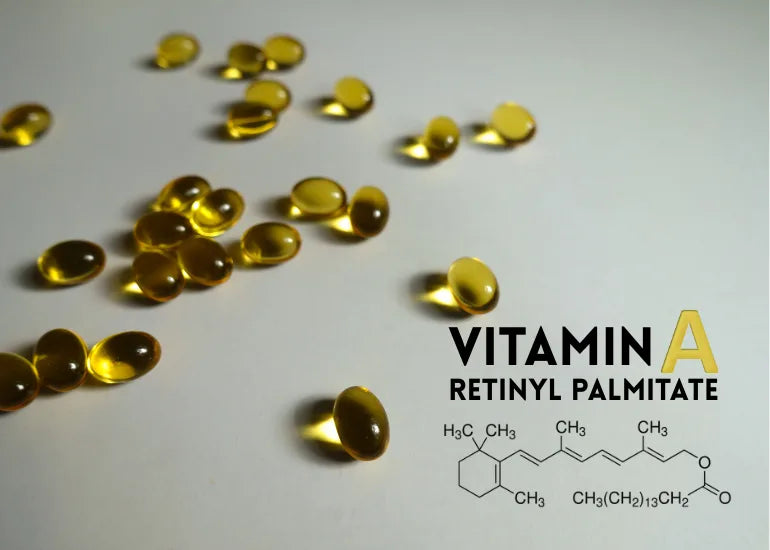
Vitamin A as Retinyl Palmitate is a fat-soluble form of vitamin A that combines retinol (pure vitamin A) with palmitic acid, a naturally occurring fatty acid. This ester form of vitamin A is stable, easily absorbed by the body, and often used in dietary supplements and skincare formulations. Unlike beta-carotene (a precursor to vitamin A), Retinyl Palmitate provides the body with a direct and active source of vitamin A, making it particularly effective for supporting essential biological processes such as vision, skin health, immune defense, and cellular growth.
It is commonly added to fortified foods, cosmetic products, and nutritional supplements because of its bioavailability and long shelf life. Once ingested, Retinyl Palmitate is converted into retinol, the active form of vitamin A, which is then further metabolized into retinal and retinoic acid-the compounds that regulate numerous body functions.
| Uses & Benefits | Description |
| Supports Eye Health & Night Vision |
Vitamin A as Retinyl Palmitate plays a crucial role in maintaining eye health. It supports the function of the retina, especially the rod cells responsible for vision in dim light. Without adequate vitamin A, night blindness and gradual vision decline can occur. Regular supplementation helps maintain clear eyesight, particularly in low-light conditions. This makes it an essential nutrient for both children and adults who strain their eyes from prolonged screen time. [1][2] Retinyl Palmitate prevents night blindness by supporting rhodopsin, a pigment that helps the eyes adjust to low light. It also reduces risks of age-related vision decline and dry eyes. Regular intake ensures proper retinal function and visual clarity. This makes it vital for individuals at risk of eye strain, vision disorders, or age-related macular degeneration. [3][4] |
| Skin Repair & Health | Retinyl Palmitate promotes collagen production, which keeps skin firm and youthful. It also helps repair damaged tissues, reduces dryness, and accelerates wound healing. By improving skin hydration and elasticity, it prevents premature wrinkles and rough patches. It is often used in dermatological formulations for acne and scar treatment. Its role in skin repair makes it highly valued in both oral supplements and topical creams. [5][6][7] |
| Antioxidant Action | As a precursor of retinol, Retinyl Palmitate functions as a strong antioxidant. It neutralizes free radicals, which are unstable molecules that damage cells and accelerate aging. By reducing oxidative stress, it lowers the risk of chronic conditions like heart disease, cognitive decline, and certain cancers. It also protects skin from environmental aggressors like UV rays and pollution. This antioxidant effect ensures long-term cellular health and vitality. [8] |
| Boosts Immunity | Vitamin A strengthens the immune system by enhancing white blood cell activity. These cells are responsible for identifying and eliminating harmful bacteria and viruses. Retinyl Palmitate also improves recovery speed after infections. It supports the body's healing mechanisms by maintaining epithelial tissues and mucous barriers. Consistent intake lowers the frequency and severity of common illnesses, making it a powerful ally for immune resilience. [9] |
| Aids in Growth & Development | Retinyl Palmitate is vital for cellular growth, making it essential during childhood and adolescence. It supports tissue repair, bone formation, and organ development. In adults, it helps regenerate damaged cells and promotes wound healing. Without sufficient Vitamin A, normal growth and recovery are compromised. This nutrient plays a continuous role in ensuring that the body develops and maintains itself properly across all life stages. [10] |
| Reproductive Wellness | For reproductive health, Vitamin A ensures balanced hormone function and fertility. It aids in egg and sperm health, improving chances of conception. During pregnancy, it plays a critical role in fetal development, especially in vision, skeletal growth, and immune formation. It also reduces risks of complications by supporting maternal health. Adequate intake ensures both mother and child remain healthy throughout pregnancy and beyond. [11] |
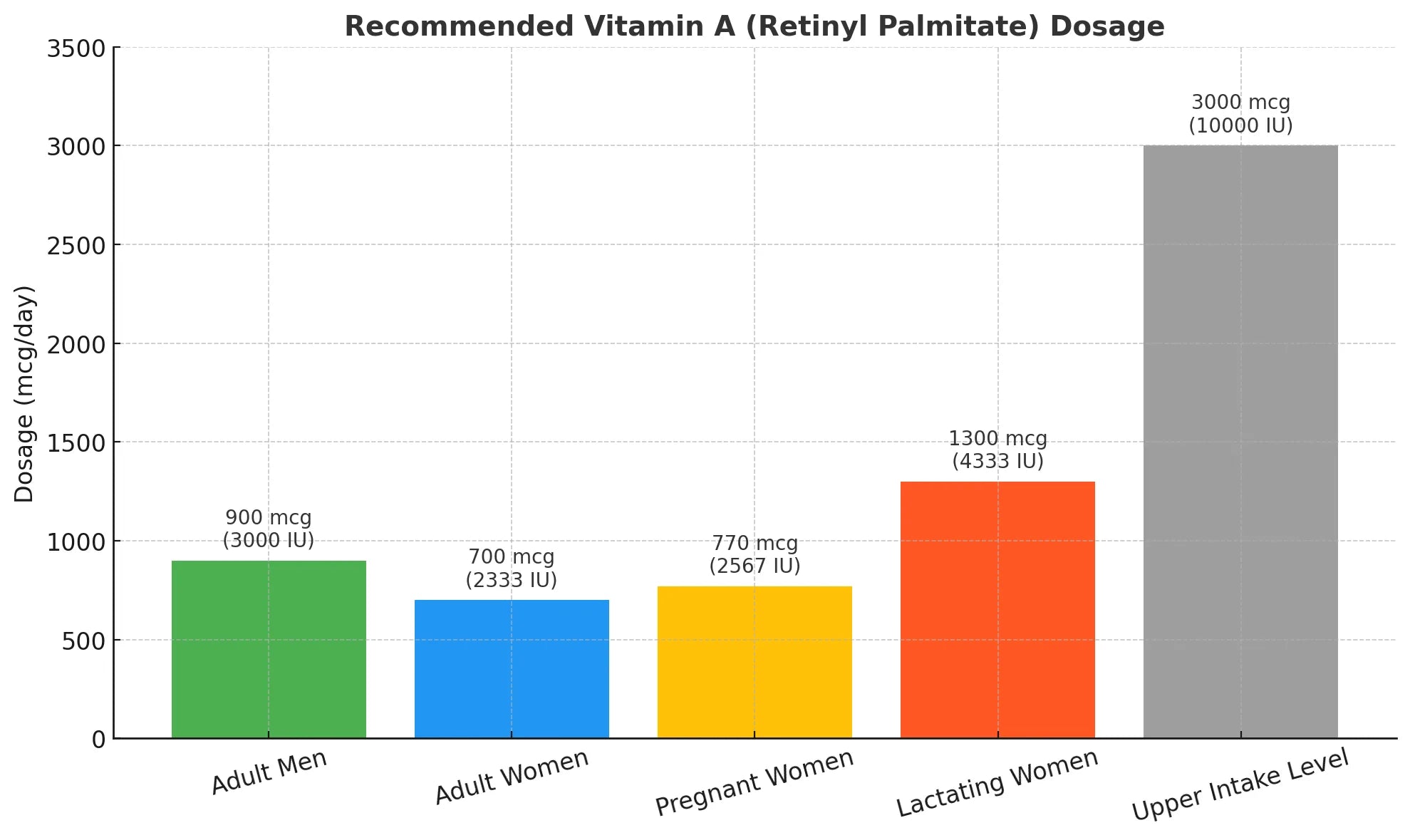
The ideal dosage of Vitamin A as Retinyl Palmitate depends on factors such as age, gender, and overall health condition.
Recommended Dietary Allowance (RDA):
Upper Intake Level (UL): For adults, the maximum safe intake is 3,000 mcg (10,000 IU) per day. Exceeding this may lead to vitamin A toxicity. Always consult with a healthcare provider before starting supplementation, especially if you are pregnant, nursing, or managing a medical condition.
With Meals: Best absorbed when taken with food containing healthy fats (olive oil, nuts, avocado).
Morning or Evening: Can be taken at any time, but many prefer mornings with breakfast for consistency.
Vitamin A as Retinyl Palmitate is a powerful, bioavailable form of vitamin A that directly supports vision, skin rejuvenation, immune defense, and overall vitality. Unlike beta-carotene, it doesn't require conversion, ensuring faster and more efficient results. For anyone struggling with low immunity, skin issues, poor night vision, or nutrient gaps, supplementing with Vitamin A in this stable, preformed version can be life-changing.
Vitamin A as Retinyl Palmitate is a highly effective form of vitamin A that supports multiple aspects of health, from vision and immunity to skin rejuvenation and cellular repair. Whether taken as a dietary supplement or applied topically in skincare, it provides essential nourishment to the body. However, like all fat-soluble vitamins, moderation and correct dosage are key to maximizing benefits while avoiding side effects.
Yes, it is safe when taken within recommended dosages. Excess intake, however, may cause side effects since Vitamin A is fat-soluble.
Yes, daily use is generally safe, but it should be within the advised dosage or concentration, whether taken as a supplement or applied topically.
Adults typically need 700-900 mcg RAE (2,333-3,000 IU) daily, with a safe upper limit of 3,000 mcg RAE (10,000 IU).
Results vary, skin benefits may be noticeable in 6-12 weeks, while nutritional effects like improved vision or immunity depend on deficiency levels.
Yes. Vitamin A is a broad term, while Retinyl Palmitate is a specific, stable ester form that the body converts into active Vitamin A.
| Sr. No. | Reference |
|---|---|
| 1. | |
| 2. | Association of Vitamin A Supplementation With Disease Course in Children With Retinitis Pigmentosa |
| 3. | |
| 4. | |
| 5. | Efficacy and mechanism of retinyl palmitate against UVB-induced skin photoaging |
| 6. | |
| 7. | |
| 8. | |
| 9. | |
| 10. | |
| 11. |


