Docosahexaenoic Acid (DHA) is a type of omega-3 fatty acid that plays an essential role in maintaining various functions in the body, particularly the brain, eyes, and heart. It is a polyunsaturated fat that is vital for overall health and is commonly found in fatty fish (like salmon and mackerel), krill oil, and certain types of algae.
DHA is a crucial structural component of the brain and retina. About 25% of the fat content in the brain and 60% of the fat in the retina are composed of DHA. This is why DHA is so important for cognitive development in infants and young children. In addition, DHA supports memory, learning, and overall brain function throughout life.
DHA also plays a major role in maintaining the health of cell membranes, which are important for communication between cells. For the heart, DHA helps reduce the risk of heart disease by lowering triglyceride levels, reducing inflammation, and promoting better circulation.
For infants, DHA is essential for brain development and is often included in infant formulas. As we age, regular DHA intake is associated with better cognitive function and may even help protect against Alzheimer's disease and age-related cognitive decline.
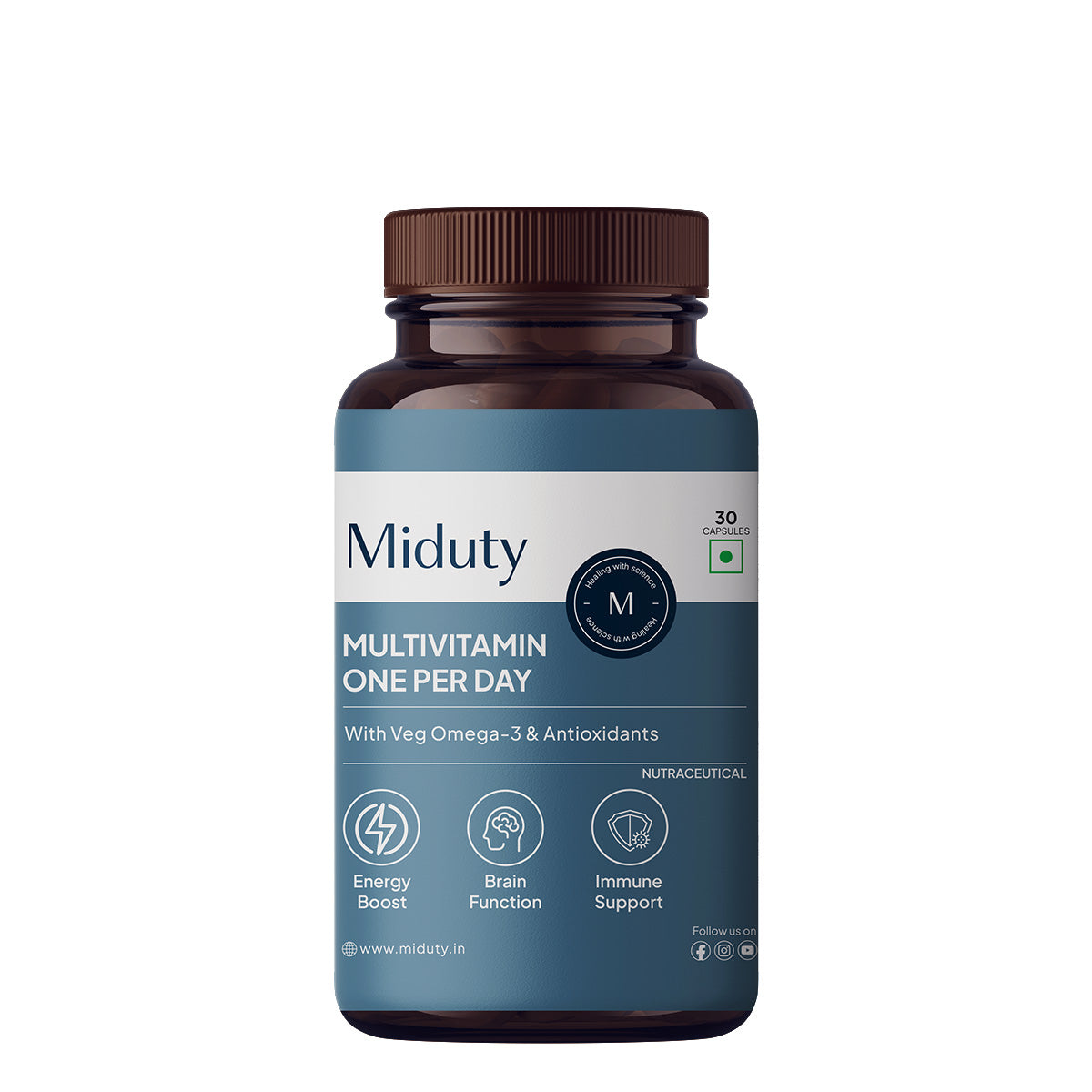
At Miduty, we focus on sourcing high-quality, scientifically backed ingredients that align with our clean formulation philosophy. DHA is an essential omega-3 fatty acid naturally present in our premium omega-3 sources, making it a foundational component of our formulations.
DHA occurs naturally in fish oil, krill oil, and algal oil used by Miduty, ensuring it remains in its original, unaltered form without synthetic fortification.
The DHA in Miduty formulations exists in a naturally absorbable form, allowing efficient utilization without the need for absorption enhancers.
Since DHA is naturally part of our omega-3 oils, Miduty avoids isolated DHA, artificial boosters, or unnecessary additives.
All DHA-containing formulations are produced under Good Manufacturing Practices (GMP) and rigorously tested for purity, stability, and consistency.
| Uses & Benefits | Description |
| Supports Brain Health | DHA is a key component of the brain and is essential for cognitive function. It improves memory and lowers the risk of Alzheimer's. Higher DHA levels are linked to better brain performance. [1] |
| Promotes Heart Health | DHA helps lower LDL (bad cholesterol) and raise HDL (good cholesterol), supporting heart health. It reduces triglycerides and inflammation, lowering heart disease risk. [2] |
| Enhances Eye Health | DHA is vital for retina function and protects against age-related macular degeneration (AMD), promoting clear vision and reducing vision loss risk. [3] |
| Supports Pregnancy & Infant Development | DHA supports fetal brain and eye development during pregnancy. It enhances cognitive function and visual development in infants. [4] |
| Reduces Inflammation | DHA helps reduce systemic inflammation, benefiting conditions like arthritis. It lowers inflammatory markers like CRP and eases joint pain. [5] |
| Supports Mental Health | DHA can improve mood, reduce depression, and protect against cognitive decline, supporting mental health by balancing neurotransmitters. [6] |
| Improves Skin Health | DHA helps maintain skin hydration, reduce wrinkles, and protect from UV damage, promoting healthy, youthful skin. [7] |
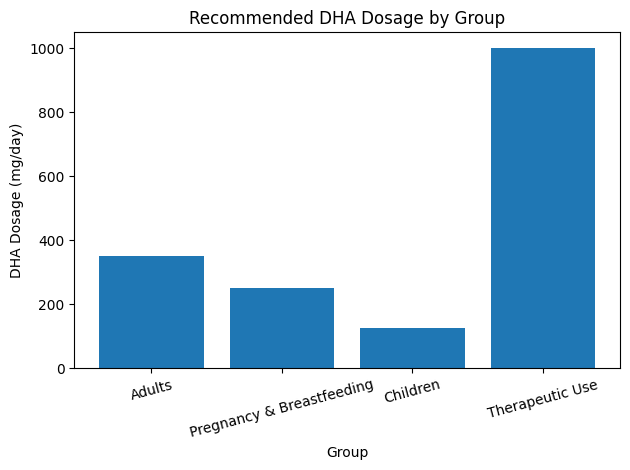
Docosahexaenoic acid (DHA) is an omega-3 fatty acid essential for brain, eye, and heart health. The appropriate dosage varies based on age, life stage, and specific health needs.
1. With meals: Take DHA with food, preferably a meal containing healthy fats, to enhance absorption.
2. Time of day: DHA can be taken in the morning or evening; choose a time that fits your routine.
3. Daily consistency: Taking DHA at the same time every day helps maintain steady levels in the body.
4. Split dosing: Higher doses can be divided into two servings (morning and evening) to reduce stomach discomfort.
5. During pregnancy & breastfeeding: Follow healthcare guidance and take DHA regularly with a main meal for best benefits.
DHA is generally considered safe for most individuals when used as directed. However, some mild side effects may occur in certain individuals:
If you experience any adverse reactions, stop using the product and consult a healthcare provider.
These side effects are rare and mild, and krill or algal oils tend to cause fewer digestive issues compared to regular fish oil. Always consult with a healthcare provider if you have concerns or experience discomfort.
Docosahexaenoic Acid (DHA) is a cornerstone nutrient for lifelong health, playing a vital role in brain function, vision, heart health, and overall cellular integrity from early development through healthy aging. Backed by strong scientific evidence, DHA supports cognitive performance, emotional well-being, cardiovascular health, and even skin vitality.
By choosing naturally sourced, highly bioavailable DHA from clean and premium sources such as krill oil and algal oil, Miduty ensures purity, effectiveness, and trust in every formulation. Consistent DHA intake, when used as directed, is a simple yet powerful step toward supporting long-term health, clarity, and vitality.
DHA (Docosahexaenoic Acid) is an essential fatty acid that supports brain structure, eye health, and heart function. It is a key component of brain and retinal tissue and is important throughout all stages of life.
DHA is beneficial for infants, children, adults, pregnant and breastfeeding women, and older adults—especially those who do not consume enough DHA-rich foods like fatty fish or algae.
DHA supports cognitive function, memory, vision, heart health, mental well-being, inflammation balance, and skin health, while also playing a critical role in infant brain and eye development.
DHA is naturally found in fatty fish, krill oil, and algal oil. Algal DHA is a plant-based option suitable for vegetarians and vegans.
DHA is best taken with meals, especially those containing healthy fats, to improve absorption. It can be taken in the morning or evening based on personal preference.
Yes, DHA is generally safe for long-term use when taken within recommended dosages. Mild digestive discomfort may occur initially but usually resolves with regular use.
Yes, DHA is highly recommended during pregnancy and breastfeeding as it supports fetal and infant brain and eye development. Always follow healthcare guidance for appropriate dosage.