


21-Day Fatty Liver Diet Plan - What to Eat and What to Avoid?

Key Takeaways
1) Understanding Fatty Liver Disease - Fatty liver disease is an accumulation of fat in the liver that can cause inflammation and scarring and is becoming a global health issue.
2) The Benefits of a Fatty Liver Diet - Eating a diet of whole, unprocessed foods, and limiting your intake of sugar, processed foods, and saturated fat can greatly help with managing fatty liver disease and, in many cases, completely reverse early stage fatty liver disease.
3) How Diet Affects Fatty Liver Disease - Through diet, a person can help themselves manage their weight, decrease overall inflammation in their body, and improve insulin sensitivity.
4) 21-Day Diet Plan - A 21-day meal plan designed for creating a liver-friendly environment while promoting liver regeneration and improving your overall health.
5) Supplements for Fatty Liver Disease - Milk Thistle (silymarin) and N-Acetyl Cysteine (NAC) are two excellent antioxidants and anti-inflammatories that can help you with the management of fatty liver disease.
What Is Fatty Liver Disease?
Fatty liver disease happens when too much fat builds up in your liver cells. And while a small amount of fat is completely normal, once it crosses a certain threshold, it starts causing real problems. There are two main types - alcoholic fatty liver disease and non-alcoholic fatty liver disease (NAFLD), the latter being far more common today. In fact, millions of people are walking around with it and don't even know.
The Power of a Fatty Liver Diet
As fatty liver disease is associated with fat buildup in the liver, it should be a good practice to work on the diet to reduce the extra fat accumulation. Moreover, obesity is also one of the major risk factors for fatty liver [1], so weight management is the best way to treat it.

The fatty liver diet emphasizes whole, unprocessed foods rich in nutrients that promote liver health. It focuses on:
|
Benefits |
Description |
|
Weight Management |
Weight management is the most significant way to heal your fatty liver. Research suggests that if you lose 3% to 5% of your body weight, it may help in considerably reducing the hepatic steatosis symptoms. Furthermore, if you want to see an improvement in necroinflammation, then you should lose up to 10% of your body weight. [1] |
|
Reduces Inflammation |
A reduction in inflammation greatly aids in the improvement of fatty liver disease. Research suggests that a fatty liver diet that is low in glycemic index, and high in anti-inflammatory foods, aims to: - Reduce inflammation - Supports gut health And, therefore, results in managing and even reversal of Non-Alcoholic Fatty Liver Disease. [2] |
|
Improves Insulin Sensitivity |
As per studies, Fatty liver is seen predominantly as a result of insulin resistance and the associated metabolic syndrome like obesity, type-2 diabetes, hypertriglyceridemia, and dyslipidemia. [3] It depicts that if we take a fatty liver diet rich in foods that support insulin sensitivity, it may help in reversing fatty liver. |
Treating Fatty Liver Through Diet
Here's the thing nobody really tells you - there's no magic pill for fatty liver. No FDA-approved medication, no quick fix. What actually moves the needle? Your diet. What you eat every single day either adds to the burden your liver is carrying or helps lift it. That's why doctors consistently point to dietary changes as the first and most important line of treatment for fatty liver disease.
How Fatty Liver Diet Reduces Liver Fat, Inflammation, and Insulin Resistance?
The right diet works on three fronts simultaneously. First, it directly reduces the fat stored in liver cells. Second, it calms down chronic inflammation - which, if left unchecked, can push fatty liver toward something far more serious like fibrosis or cirrhosis. Third, and this one often gets overlooked, it improves insulin resistance. Since insulin resistance is one of the biggest drivers of fat accumulation in the liver, fixing it through food essentially targets the root cause rather than just the symptoms.
What Foods To Add To Your Fatty Liver Diet Plan?
Let us take a look at what foods you should add to your fatty liver diet to see improvement in your health:
1. Healthy Fats
According to research published in the National Library of Medicine, healthy fats improve inflammation and enhance the metabolic functions, helping with fatty liver grade 2. Some healthy fats which may help with fatty liver include coconut oil, homemade desi ghee, butter, avocados, olive oil (only for light cooking or as dressing), avocados, etc.
2. Garlic
Garlic, i.e., Allium sativum, shows significant improvement in the condition of fatty liver and also aids in increasing the liver enzymes. As a result of a study, adding garlic to the diet chart for fatty liver is quite significant and provides long-term benefits.
3. Omega-3 Fatty Acids
Studies observed an improvement in the metabolic activities of the liver after consuming Omega-3 Fatty Acids. This enhances the metabolism of fat accumulated in the hepatocytes, aiding in better liver health. So adding Omega-3 rich foods is a smart choice to make while following a specific diet plan for fatty acids.
You can incorporate foods like the following:
- Seafood such as salmon, cold-water fatty fish, and more
- Seeds and nuts such as chia seeds, flax seeds, and walnuts. Consume the nuts and seeds in soaked form.
- You can get Omega-3 fatty acid in other fortified foods like yogurt.
What Foods To Avoid In Your Fatty Liver Diet Plan?
Being closely associated with metabolism, fatty liver gets affected a lot by our eating habits. This is the reason you should stay away from certain foods or drinks, which may help reduce the fat buildup in your liver and manage fatty liver. So keep your fatty liver diet free from these foods/drinks:
1. Reduce the Consumption of Carbohydrates
According to research published in the National Library of Medicine, reducing the intake of carbohydrates helps manage fatty liver disease. This is because carbohydrates are also considered sugars at the end by our bodies. So, to follow a low-carb diet, you can increase the quantity of your lentils, butter, veggies, or protein while reducing the number of carbohydrate-rich chapatis in your meal.
For instance, instead of 2 chapatis/breads in your meal, you can have one chapati/bread with a larger portion of lentils or vegetables. Another option to reduce the intake of carbohydrates is by swapping your white rice with quinoa.
2. Unhealthy Fats
According to the research published in ScienceDirect, avoiding unhealthy fats is crucial to managing your fatty liver (grade 2), as they contribute to further fat accumulation in the liver cells. You should avoid:
- Trans Fats: Foods containing trans fats include many types of fried or packaged items; try baking instead of frying for better nutrition.
- Saturated Fats: Saturated fats are typically found in animal-based products such as red meats and other high-fat dairy; the healthiest choices of meat are lean meats, and you should always pick healthier oils such as coconut oil or ghee for oil production/cooking.
3. Sugars
Anything that adds to the fat deposits in your liver is harmful, and simple sugar (fructose) is one of the major components that can worsen your fatty liver. Look at the labels carefully for any sugars, corn syrup, agave, dextrose, and more. present in the drinks you are consuming. So, it's a healthy alternative to just sipping plain water or opting for black coffee with a little bit of cream, if you want. Moreover, you can use natural sweeteners like stevia, xylitol, and more.
4. Alcohol

Alcohol can be particularly harmful to those with fatty liver disease, as it can cause further liver damage and impede liver function. It directly affects our gut microbiota and also lacks any nutritional value. It's still being researched how much alcohol is okay to consume, although it depends on what grade of fatty liver you are at. So, it's a good practice to completely avoid alcohol for a healthy liver. You can start dropping the habit gradually to manage your fatty liver condition.
21-Day Fatty Liver Diet Plan
You can treat fatty liver with some simple changes in your diet and lifestyle. As we have talked about the foods that you should consume and what you should avoid, now we will be sharing a 21-day fatty liver diet plan with you.
Over the course of three weeks, this Indian diet chart for fatty liver focuses on eliminating harmful foods and incorporating beneficial ones, aiming to promote liver regeneration and overall well-being. By following this plan, one can expect positive changes in their liver health, including reduced inflammation, improved liver enzyme levels, and enhanced energy. Have a look:
|
Day |
Breakfast |
Mid Meal |
Lunch |
Dinner |
|
Day 1 |
Oats Daliya with lots of capsicum and carrot |
Green tea + seeds mixture |
Jowar roti with Cabbage vegetable/ Bhindi veg |
Jowar Daliya |
|
Day 2 |
Ragi Appe with coconut/garlic chutney |
Minty Apple Salad |
Ragi roti with any green vegetable. |
Lauki methi curry |
|
Day 3 |
Jowar Chilla with veggies + Garlic chutney |
Badam Chai with Almonds |
Boiled Egg curry OR Ragi Chilla + Lady finger vegetable |
Bitter gourd veg with Kuttu roti |
|
Day 4 |
Sesame-Ginger-Red Pepper Stuffed Spinach and Broccoli |
Matcha tea + Makhana |
Jowar roti with any seasonal veg |
Vegetable Broccoli creamy Soup / Veggies soup |
|
Day 5 |
Oats Cheela kneaded with veggies + curd/ Garlic chutney |
Coconut water |
Brown Rice pulao |
2 bowls of Grilled Salmon Fish with sauteed veggies OR Veg Oats |
|
Day 6 |
Methi/ Onion kneaded Jowar roti + garlic mint chutney or curd |
Bullet Coffee |
Buckwheat pasta OR Buckwheat Chila with seasonal veg |
Moong Dal Khichdi |
|
Day 7 |
Oats Cheela kneaded with veggies + curd/ mint chutney |
Nuts smoothie |
Meethi veg with Bajra roti |
Pumpkin veggies soup |
You can download the full detailed fatty liver diet plan here to get a comprehensive guide with meals and recipes for each day. This plan offers a balanced combination of North and South Indian foods designed to improve liver health and promote weight loss.
Supplements to Support Your 21-Day Fatty Liver Diet
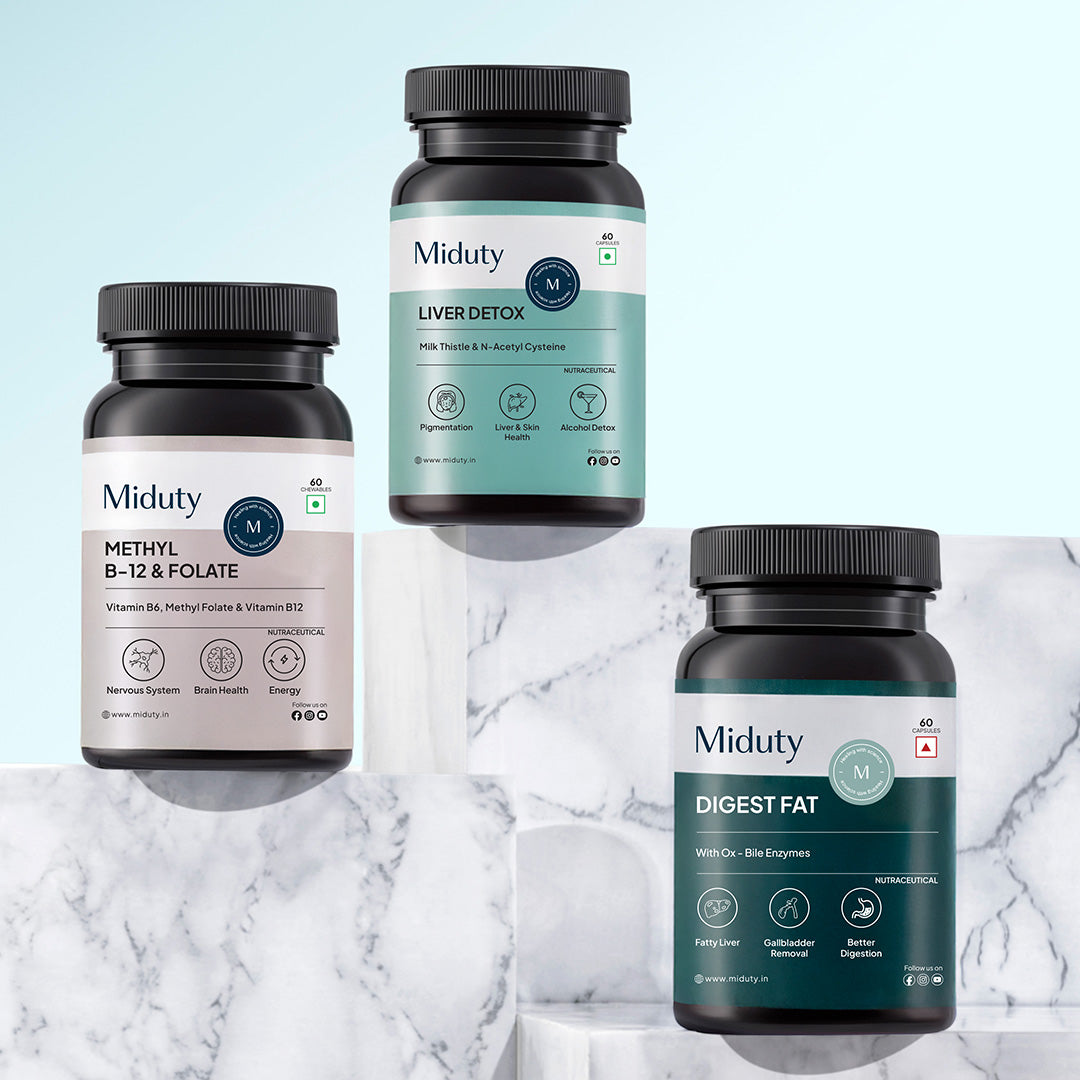
Food does most of the work, but if your liver has been struggling for a while, the right supplements can speed up recovery by working on the same pathways your diet is already targeting.
Milk Thistle and NAC: The Most Researched Liver Supplements
- Milk Thistle contains Silymarin, a compound that protects liver cells from oxidative damage and supports regeneration. According to research published in the World Journal of Hepatology, Silymarin significantly reduces elevated ALT and AST levels - the key markers of liver inflammation - in people with fatty liver disease. For anyone on a fatty liver disease diet, Milk Thistle gives the liver extra protection while it heals.
- NAC (N-Acetyl Cysteine) replenishes glutathione - the liver's own internal antioxidant that gets depleted when the organ is under chronic stress. According to research published in Oxidative Medicine and Cellular Longevity, NAC supplementation improves glutathione levels, reduces oxidative stress, and supports liver detoxification. Together, Milk Thistle and NAC cover both the structural and biochemical sides of liver recovery - making them the most logical supplement pair to add to any fatty liver meal plan.
Dandelion Root and Omega-3: Supporting Bile Flow and Reducing Inflammation
- Dandelion Root stimulates bile production and improves its flow from the liver into the digestive tract. Better bile flow means smoother fat digestion, less bloating, and more efficient clearance of metabolic waste - something a good fatty liver diet alone does not always address directly.
- Omega-3 fatty acids - specifically EPA and DHA - are among the most studied nutrients for NAFLD. According to research published in Frontiers in Public Health, Omega-3 supplementation reduces hepatic fat accumulation, lowers triglycerides, and calms liver inflammation. If your fatty liver food plan does not consistently include fatty fish, an Omega-3 supplement is genuinely filling a real nutritional gap.
Lifestyle Habits That Make the 21-Day Plan More Effective
What you eat matters - but what you do outside of meals determines how fast your liver actually heals. These habits work on the same biological pathways as your diet.
1. Exercise, Sleep, and Hydration: The Non-Negotiable Three
- Exercise: According to research published in the Journal of Hepatology, even moderate aerobic exercise - 30 minutes of brisk walking five days a week - meaningfully reduces liver fat and improves insulin sensitivity without any change in diet alone. Resistance training is equally useful as stronger muscles absorb glucose better, reducing the metabolic load on the liver.
- Sleep: Between 10 PM and 2 AM, liver activity peaks as it clears waste, regenerates cells, and rebalances hormones. Chronic sleep deprivation disrupts this repair window, raises cortisol, and worsens insulin resistance. According to research published in the Journal of Clinical Sleep Medicine, poor sleep duration is independently associated with a higher risk of NAFLD progression. A good fatty liver diet works best when the liver has the time and conditions to repair.
- Hydration: Water is essential for flushing out the toxins your liver is mobilising during dietary recovery. Aim for 8 to 10 glasses daily. Starting the morning with warm water and lemon is a small but useful habit for bile flow and liver function first thing in the day.
2. Stress and Cortisol
- Chronically elevated cortisol raises blood sugar, promotes fat storage around the liver, drives inflammation, and impairs the liver's detox capacity. According to research published in Alimentary Pharmacology and Therapeutics, chronic psychological stress is independently linked to NAFLD progression - meaning stress alone can worsen fatty liver even when diet is in order.
- Simple daily habits like 10 minutes of deep breathing, short outdoor walks, and reducing screen time before bed have a measurable impact on cortisol levels and, by extension, on liver health. This is not optional when following a healthy diet for fatty liver - it is part of the treatment.
Signs Your Liver Is Healing During the 21 Days
Progress with fatty liver is not always dramatic, but the signs are there if you know what to look for.
Physical Signs to Watch: Energy, Digestion, Bloating, and Skin
- Energy is usually the first thing to shift - within week one or two, most people notice a steadier, more reliable energy through the day as the liver handles blood sugar and fat metabolism more efficiently.
- Digestion improves as bile flow picks up - bloating after meals reduces, heaviness after eating settles, and bowel movements become more regular. These are direct signs that your fatty liver diet is working at a gut level too.
- Skin often surprises people the most. As the liver clears its backlog, skin becomes clearer, more even in tone, and less dull. Hormonal breakouts ease as the liver gets better at clearing excess estrogen. The connection between liver health and skin is far deeper than most people expect.
Lab Tests to Track: ALT, AST, and Lipid Profile
- ALT and AST are the liver enzymes that rise during inflammation. Following a structured diet for fatty liver consistently brings these down within 4 to 8 weeks. Get a baseline before starting and retest at week 4 to 6 to see the measurable impact.
- Triglycerides run high in most fatty liver cases because excess sugar and refined carbs convert directly into liver fat. Cutting these - the foundation of any good diet for a fatty liver - brings triglycerides down relatively quickly and will reflect clearly in your lipid profile.
- Fasting Insulin and HbA1c are worth tracking if insulin resistance is part of your picture. Improvement here confirms the metabolic correction is working at a deeper level than diet alone.
When to Seek Expert Help
Diet and lifestyle changes can achieve a great deal but there are situations where they are not enough on their own. See a doctor, if your liver enzyme levels have not gone down in eight to twelve weeks of following a healthy fatty liver diet, see your doctor. Also see your doctor if you experience any of the following symptoms; yellow skin and/or eyes, unexplained weight loss, swelling in your abdomen, or chronic fatigue. If you have Grade 3 fatty liver, or if there is any possibility that you have NASH or fibrosis, then seeing a doctor is important for both medical supervision and dietary modification. Using an ultrasound and Fibroscan will help determine how well your liver is doing structurally, and how to proceed with treatment.
If insulin resistance, PCOS, or Type 2 diabetes is driving the condition, an endocrinologist should be part of your care. If alcohol has been a significant factor, involve a hepatologist. The fatty liver meal plan and lifestyle changes here are always the foundation - the right specialist ensures you are building on it safely.
Conclusion
The liver is one of the few organs in the body that can genuinely regenerate and when you remove what was damaging it and give it the right nutrients consistently, it responds well. The 21-day plan works because it targets the root cause directly. Focusing on the right foods to eat for fatty liver: whole grains, healthy fats, high-fibre vegetables, omega-3 rich foods, and liver-supportive herbs while eliminating fatty liver foods not to eat; refined sugar, processed snacks, alcohol, and trans fats - addresses the condition from the inside out.
The meal charts give you a practical, Indian-kitchen-friendly framework. The lifestyle habits: sleep, exercise, hydration, and stress management are not add-ons; they work on the same biological pathways as your food choices. Leave them out and you are working with half the toolkit. Use these 21 days as the starting point of a long-term shift. The liver does not need perfection - it needs consistency. Give it that, and the results will follow.
FAQ's on Fatty Liver Diet Plan -
Q1 - What is a fatty liver diet plan?
A fatty liver diet plan is a diet plan that focuses on losing fat from the liver by following a calorie control diet (keeping track of how many calories you eat). Foods that are high in fiber, healthy fats, and antioxidant-rich are emphasised on the fatty liver diet plan, combined with daily exercise (30 minutes). It is recommended to remove all forms of alcohol, sugar-based beverages, and refined carbohydrates from your diet and to include more leafy green vegetables, fish (especially if you are over 50), whole grains, nuts, and olive oil.
Q2- Can a fatty liver diet plan reverse fatty liver?
Yes, a fatty liver diet plan will help prevent the further progression to cirrhosis by decreasing fat accumulation, lowering liver inflammation and supporting better liver function when developed early in the disease process. The main focus of this diet will be permanent lifestyle modifications (e.g. weight loss if excess weight is present) including a healthy balanced diet and regular physical activity. It is not about a temporary quick fix or diet but making choices for lifelong health.
Q3 - What foods are included in a fatty liver diet plan?
A fatty liver plan includes whole and nutritious foods to encourage the lowering of fat and inflammation of the liver. Therefore, these types of food may include dark greens (spinach/kale) as well as broccoli; omega 3 fatty fish (salmon/sardines), nuts (like walnuts), avocados, legumes (such as beans and lentils), and grains (such as oats). All of these kinds of foods have nutrients beneficial to your liver's health.
Q4 - What foods should be avoided during a fatty liver diet plan?
To help with managing fatty liver disease, it's important to completely avoid consuming anything that has alcohol in it, sugar-sweetened beverages or sweets (including soda), easy-to-digest carbohydrates like white bread, simple carbohydrates like pasta, trans fats (common ingredients found in commercial fried foods & processed snacks), high sodium content, lower-than-ideal levels of red meat or processed meat, and saturated fats. It's also best to limit your intake of dairy products that contain high levels of fat.
Q5 - How much weight can I lose with a 21-day fatty liver diet plan?
A 21-day fatty liver diet plan usually leads to the typical weight loss between 2 to 4 kg (or approximately 4.5 to 9 lbs) and is very likely to be safe and sustainable. The fatty liver diet often draws on some of the same principles as the Mediterranean diet, with the overall goal of helping to reduce liver inflammation through the incorporation of high nutritional quality food into the diet. The ultimate goal of this diet plan is to achieve at least a 10% weight reduction. Research indicates that weight loss of 10% creates profound improvements in health and function of the liver.
Q6 - Is a 21-day fatty liver diet plan suitable for Grade 2 fatty liver?
A 21-day diet plan is a great starting point for managing Grade 2 fatty liver, but it's not a cure. It serves as a kickstart to a needed, long-term lifestyle change. While 21 days can help reduce fat, Grade 2 fatty liver typically requires 2-3 months of consistent, strict diet and exercise to see significant improvement.
Q7 - Does a fatty liver diet plan include fasting?
Yes, a liver diet can include fasting. Fasting methods such as: intermittent fasting or alternate day fasting would produce reductions in liver fat, body weight, and improve insulin sensitivity. Studies have shown that fasting combined with exercise has been effective in controlling nonalcoholic fatty liver disease (NAFLD).
Q8 - Can diabetics follow a fatty liver diet plan?
Yes, those with diabetes can also benefit from following a liver-friendly diet, as this will enable them to manage both of these health issues at the same time.
Q9 - Is exercise necessary along with a 21-day fatty liver diet plan?
Yes, exercise is highly recommended along with a 21-day fatty liver diet plan to effectively reduce liver fat, improve insulin sensitivity, and boost overall metabolic health. While diet plays a key role in weight loss, regular exercise (30-40 minutes daily or 150+ minutes per week) greatly supports fat reduction, even if there's not a significant amount of weight loss.
Q10 - Can fatty liver be cured in 21 days?
Fatty liver is known to show improvement and reversal in 21 days when lifestyle changes are made, such as a healthy diet and exercise, for Grade 1 fatty liver. However, the reversal takes 2 to 3 months and in some instances, up to a year, depending on the grade. Although a healthy lifestyle change for 21 days is beneficial in reducing liver fats and inflammation, the 2 to 3 months and up to a year may be required for complete reversal.
Q11 - What breakfast options are ideal in a 21-day fatty liver diet plan?
Some of the ideal breakfast meals for a 21-day fatty liver diet plan include oatmeal with fruits and chia seeds, scrambled eggs with spinach and avocado, and yogurt with walnuts and flaxseed..
Q12 - Is rice allowed in a fatty liver diet plan?
White rice should be avoided in the fatty liver diet since it has a high GI. This will lead to fat buildup in the liver. It is advisable for people with fatty liver disease to eat more complex carbohydrates, which have high fibers. These include brown rice, quinoa, or millets.
Q13 - Are fruits allowed in a fatty liver diet plan?
Yes, fruits are included and even encouraged in a fatty liver diet plan, but they should always be consumed in moderation due to their natural content of fructose. Fatty liver-fighting fruits that are rich in fiber and antioxidants include berries, citrus fruits, apples, and papaya.
Q14 - Can I drink coffee during a 21-day fatty liver diet plan?
Yes, you can have coffee during your fatty liver diet. Research showed that 2-3 cups of coffee can reduce the amount of fat, liver enzymes, and fibrosis. However, you have to take coffee without any ingredients such as milk, sugar, and fat, as these add extra fat and calories.
Q15 - How much water should I drink during the fatty liver diet plan?
You must drink at least 8 to 10 glasses (1.5 to 2 liters) of water daily while following a fatty liver diet plan. Drinking water helps remove toxins and fats from the liver.
Q16 - Does the 21-day fatty liver diet plan detox the liver?
The fatty liver diet plan for 21 days reduces fat accumulation and improves liver function through the intake of healthy fats and cruciferous vegetables. This fatty liver diet plan helps reverse fatty liver disease at an early stage by eliminating alcohol, processed foods, and sugars from the diet, and losing weight and reducing inflammation.
Q17 - Can I eat eggs in a fatty liver diet plan?
Eggs can be part of a fatty liver diet in moderation because they are rich in choline, which is helpful in removing fat from the liver. Although studies have proven that the risk of developing NAFLD is increased by the consumption of at least 2-3 or more eggs per week, eggs are very important in the diet. However, it is important to focus on the reduction of saturated fats and refined sugars because they are major contributors.
Q18 - How quickly do liver enzymes improve on a fatty liver diet plan?
Liver enzymes usually start to improve within 2 to 8 weeks of following a dedicated fatty liver diet and exercise plan. While enzyme levels can normalize quickly, significant reversal of fat buildup typically takes 3 to 12 months of consistent lifestyle changes, including weight loss.
Q19 - Is a vegetarian 21-day fatty liver diet plan effective?
After following the 21-day fatty liver diet plan consistently, most people notice several positive changes. You may experience increased energy, improved digestion with less bloating, weight loss of 2-4 kg (depending on your starting weight), better sleep quality, and reduced fatigue.
Q20 - Should I avoid oil completely during a fatty liver diet plan?
No, you should not avoid all oil, but you must switch to healthy, unsaturated fats and use them in moderation (e.g., olive oil). Completely eliminating fat is a mistake, as healthy fats improve insulin resistance and reduce liver inflammation. Avoid saturated/trans fats (butter, lard, palm oil) and fried foods.
Q21 - Can a 21-day fatty liver diet plan reduce belly fat?
Yes, a 21-day fatty liver diet plan can effectively kickstart belly fat reduction and improve liver health, often resulting in a weight loss of 2-4 kg (roughly 4-9 lbs). By focusing on low-sugar, high-fiber, and unprocessed whole foods, this diet helps reduce liver fat and inflammation.
Q22 - Does the 21-day fatty liver diet plan help in reducing triglycerides?
Yes, a 21-day fatty liver diet plan can effectively reduce triglycerides and improve liver health, especially when combined with regular exercise. The diet focuses on cutting back on sugar, refined carbs, and saturated fats, while increasing fiber, antioxidants, and healthy fats like olive oil and avocado.
Q23 - Can I include nuts and seeds in a 21-day fatty liver diet plan?
Yes, nuts and seeds can and should be included in a 21-day fatty liver diet plan. They are great sources of healthy fats (omega-3s), fiber, and antioxidants that help reduce liver inflammation and support fat metabolism. Stick to raw, unsalted varieties and limit your intake to about one small handful (1/4 cup or 5-6 pieces) per day.
Q24 - What results can I expect after completing a 21-day fatty liver diet plan?
After completing a 21-day fatty liver diet plan, you can expect reduced liver fat, improved liver function, decreased inflammation, and better metabolic health. Many participants notice increased energy, improved digestion, and potential weight loss, with some seeing improvements in liver enzyme levels within 2-4 weeks. The plan, focusing on whole foods, lean protein, and healthy fats, is designed to kickstart the reversal of fatty liver disease.
Q25 - Can fasting help with fatty liver?
Fasting is beneficial for managing fatty liver as it reduces the fat accumulated in the liver, works on inflammation, and also improves the overall liver functioning.
Q26 - What should you not eat in a fatty liver diet?
You should limit or completely stop consuming excess sugars and carbohydrates in your diet. Check for labels carefully for sugar before consuming.
Q27 - How to cure fatty liver with diet?
Start including more foods that are high in fiber, healthy fats, and antioxidants. Consume more vegetables, berries, nuts, fish oil, which can help you in liver tissue repair.
Q28 - Is Ghee good for fatty liver?
Homemade Ghee is one of the most important healthy fats and does not cause any harm to people having a fatty liver. Healthy fats help in making your metabolism smoother and thus, help with reducing the condition of fatty liver.
Q29 - What are the worst foods for fatty liver?
Foods which are high in sugar and carbohydrates are bad for your fatty liver. Also, try to cut down on packaged and processed foods as they contain a lot of such components.
References



3 comments
It’s very fantastic diet
Fantastic
Fantastic